

Can You Clone Cannabis With Raw Honey? HWGrow Test & Limits
Video chapters: the raw-honey cloning test
- 0:19 — The idea behind the test
- 1:40 — Supplies used
- 2:08 — Cleaning the scissors
- 2:22 — Selecting and cutting a branch
- 2:48 — Dipping the fresh cut in honey
- 3:01 — Preparing a moist, airy plug
- 3:28 — Humidity dome, gentle light and warmth
- 4:06 — Daily checks without overwatering
- 4:26 — Roots and transplant readiness

Last updated: August 2026
Quick answer: A cannabis cutting can root after being dipped in raw honey, and the HWGrow test below produced roots. But that does not make honey a standardized rooting hormone or prove a “100% success rate.” The cutting, the environment and the handling all changed at the same time. Think of honey as an optional coating—not the engine that makes roots.

Selecting a timestamp opens the video at that moment without moving you away from this section.
What the HWGrow test actually showed
The test showed that a small, healthy cannabis cutting can root in a starter plug after its fresh stem is coated with raw honey. The cutting was also made with clean scissors, placed into a moist and airy plug, protected by a humidity dome, kept under gentle light and left mostly undisturbed for about two weeks.
Those details matter. A cutting already contains its own plant hormones, and an easy-to-root cutting may form roots without any commercial gel. When honey and five important environmental controls are changed together, you cannot honestly credit the entire result to the honey.
What the test did not prove
- It was not a controlled comparison. There was no identical untreated group and no side-by-side IBA group.
- One successful run is not a universal percentage. Genetics, donor health, stem maturity and environment can change the result.
- Honey is not a measured auxin product. Commercial rooting compounds list an active ingredient such as IBA and a concentration; honey does not provide that repeatability.
- Antimicrobial activity is not the same as root induction. Honey can have antimicrobial properties, but that does not prove it supplies the hormonal signal that initiates adventitious roots.
A 2025 nursery-crop study evaluated honey with auxin solutions, not as proof that honey alone replaces rooting hormone in cannabis. Its results also varied by crop and treatment. That makes honey an interesting propagation variable, not a shortcut we should advertise as settled science.
Honey vs. IBA rooting gel
| Question | Raw honey | Labeled IBA product |
|---|---|---|
| Can a cutting root after using it? | Yes; the HWGrow cutting did. | Yes; IBA is widely used to promote adventitious rooting. |
| Is the rooting ingredient standardized? | No. | Yes; the label identifies the active ingredient and concentration. |
| Is success guaranteed? | No. | No. Environment and cutting quality still matter. |
| Best role | Optional low-cost experiment. | More repeatable choice when preserving important genetics. |
If you are experimenting with an extra cutting, honey is fair to test. If the cutting is the only backup of a keeper phenotype, use the repeatable workflow in the complete cannabis cloning guide and a fresh, labeled rooting product.
How to test raw honey without fooling yourself
- Start with comparable cuttings. Take two or more healthy cuttings from similar positions on the same donor.
- Label the groups before dipping. Use honey on one group, a labeled IBA product on another and, if you have enough material, an untreated control.
- Keep everything else the same. Use the same plug, tray, moisture, light, temperature and dome routine.
- Use clean tools and a small working portion. Never dip plants into the main honey or rooting-gel container.
- Keep the plug moist, not waterlogged. More water does not make roots arrive faster; it removes oxygen and raises disease risk.
- Track more than “alive or dead.” Record days to first root, number of rooted cuttings and root quality.
- Transplant from roots, not the calendar. Move the cutting when healthy roots emerge and the plug holds together.
The video used a couple of drops of hydrogen peroxide in water. That is a record of this test—not a concentration-based prescription. For a repeatable run, sanitize tools and containers separately and follow the label of any peroxide product you choose to use.
The controls that matter more than honey
- A healthy donor: avoid weak, pest-damaged or heavily stressed growth.
- A clean, fresh cut: prepare the stem immediately and avoid crushing it.
- An airy root zone: the plug should touch the stem while still holding oxygen.
- High humidity with gradual acclimation: an unrooted cutting loses water through its leaves, but a sealed swamp invites trouble.
- Gentle light and a warm—not hot—root zone: enough energy to stay alive without driving excessive water loss.
- Patience: lifting the cutting every day to hunt for roots can break the first roots you are trying to grow.
Recommended supplies for a fair cloning test
Related HWGrow guide: A clone taken during flower may need to change its growth pattern after rooting; the cannabis revegetation guide explains that transition.

Raw honeyThe optional treatment tested in the video. Decant a small working amount so the main container stays clean.

Rooting plugsUse the same moist, airy medium for every group so the dip treatment is the variable you are comparing.

Propagation tray and domeHolds humidity around unrooted cuttings and lets you acclimate them gradually once roots begin working.

Controlled heat matOnly for a cold root zone. Use the thermostat so “warm” never turns into cooked plugs.

IBA rooting gelThe standardized comparison treatment. Follow the label and decant only the amount needed for the session.
AC Infinity savings: Use code EVYGROWS for additional savings on eligible products. When shopping on Amazon, clip any available coupon first.
Affiliate disclosure: HWGrow may earn a commission from qualifying purchases at no additional cost to you. Equivalent products can be substituted without changing the comparison.
Evidence and further reading
- UGA Extension: Starting Plants From Cuttings — healthy stock, sanitation, humidity, media and labeled rooting hormones.
- Evaluation of Honey as a Rooting Adjuvant — a 2025 study of honey with auxin treatments in three nursery crops; it is not a cannabis trial.
- Cannabis cutting study: leaf traits and rooting hormone — cannabis-specific evidence that cutting material and hormone treatment can affect rooting.
Want the repeatable method?
Use this page when you want to understand the honey experiment. Use the complete cloning guide when you need the entire workflow—from choosing a donor through hardening off and transplanting. If a cutting is behaving differently from the examples, ask HWGrow a question and include the donor condition, cutting age, plug moisture, root-zone temperature and a clear photo.
Raw-honey cloning FAQ
Is raw honey a cannabis rooting hormone?
No. Honey may be an optional coating, but it is not a standardized auxin product. Commercial rooting compounds identify an active ingredient such as IBA and its concentration.
Did the HWGrow honey cutting root?
Yes. The cutting in the video rooted in roughly two weeks. That result shows the method can work; it does not prove honey caused the roots or guarantees the same result for every cutting.
Should I use honey on my only keeper clone?
No experiment should risk the only copy of valuable genetics. Take multiple labeled cuttings and use the most repeatable proven workflow for the backup that matters.
How long do cannabis cuttings take to root?
Many healthy cuttings show roots in about 7–14 days, but genotype, donor condition, temperature, moisture and handling can move that window. Transplant when roots are established, not because a calendar date arrived.
Comments
Leave a reply
You may also like
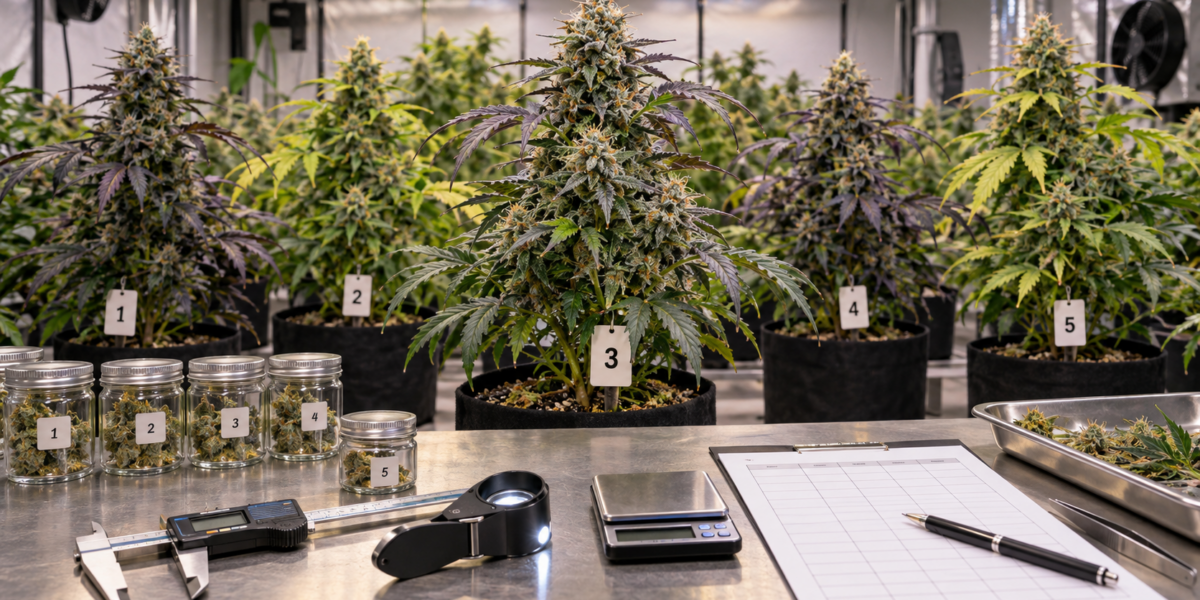
How to Pheno Hunt Cannabis and Choose a Keeper
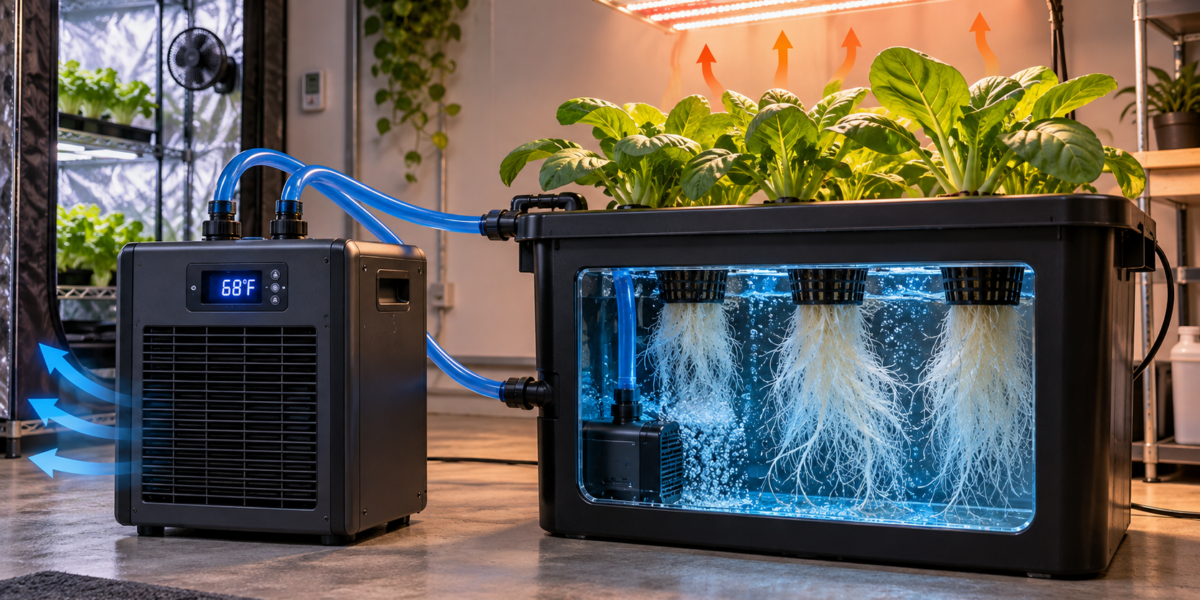
Hydroponic Water Chillers: Stop Summer Root Rot Before It Starts




Featured Grow
 Jul 2026 — White Iverson by Selfie Seeds +2 more
White Iverson × Selfie Seeds, Pink Strawberry × Selfie Seeds, Purple Berry × Selfie Seeds • Soil • Started Jul 25, 2026
View journal
Jul 2026 — White Iverson by Selfie Seeds +2 more
White Iverson × Selfie Seeds, Pink Strawberry × Selfie Seeds, Purple Berry × Selfie Seeds • Soil • Started Jul 25, 2026
View journal
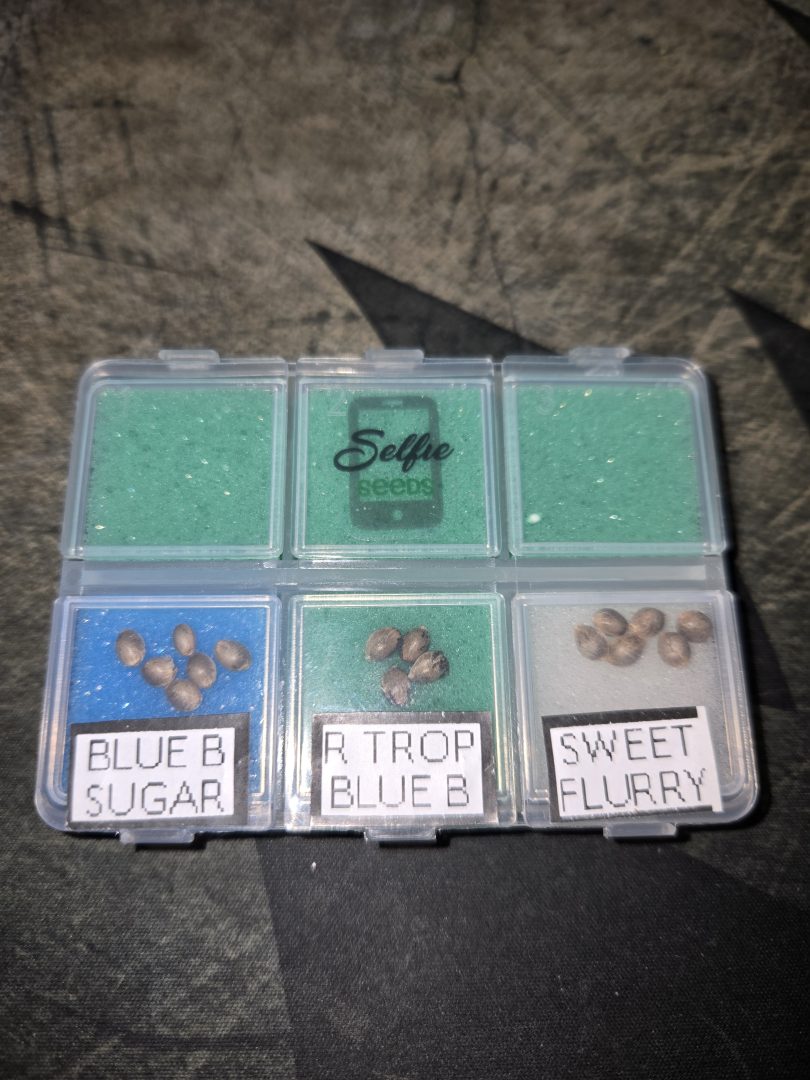 First Selfie Seeds Grow (Blueberry Sugar, Tropical Blueberry, and Sweet Flurry)
Blueberry Sugar × Selfie Seeds, Tropical Blueberry × Selfie Seeds, Sweet Flurry × Selfie Seeds • Soil • Started May 27, 2026
View journal
First Selfie Seeds Grow (Blueberry Sugar, Tropical Blueberry, and Sweet Flurry)
Blueberry Sugar × Selfie Seeds, Tropical Blueberry × Selfie Seeds, Sweet Flurry × Selfie Seeds • Soil • Started May 27, 2026
View journal
Awesome It’ll be a bit chlorophyllie but definitely let me know your opiniones

Walked in this morning before lights out and they are already bouncing back pretty good.
Awesome, fingers crossed for you
Nice LSTing Looks perfectly symmetric

Bananas!!!!! I knew I forgot something today. Thanks, gotta hit the store up in the am anyway. Coming off night,…
kick ass man, thanks for so much knowledge and work ! I just finished an epic (for me) run of Golden Tiger & Malawi. On day 5 of drying in the tent and mini fridge. Just took 4 clones, 2 each of the mothers I have in veg, and I’ll be growing the 4 in my 4×4 with your DIY drip setup and slurry/soil/cheat sheet … should be epic + !! thank youuuuu
AA