

Can You Touch Cannabis Buds and Pistils During Flower?
Video chapters

Last updated: August 2026
Quick answer: Accidentally brushing a cannabis cola does not automatically make its pistils turn brown. In HWGrow’s two-week side-by-side observation, one touched flower and one untouched reference matured similarly. That does not mean handling is harmless: repeated squeezing can damage resin glands, and hands can transfer pests, pollen, dirt or residue. Touch only when the work requires it, support the branch, and handle the stem or leaf instead of the flower.

The question behind the experiment
After low-stress training, some center colas had more brown pistils than flowers near the edge of the canopy. Those center buds were also the ones that had been brushed while reaching into the tent. That created a simple question: did touching the flower cause the pistils to brown?
Instead of repeating a rumor, HWGrow marked two nearby colas. The lower flower was touched once; the upper flower stayed untouched as the reference. Both were followed on camera for two weeks.
Watch the HWGrow side-by-side test

What the experiment showed—and what it did not
The touched cola did not suddenly brown, stop growing or look obviously different from the untouched reference. That is useful first-party evidence against the claim that one accidental brush automatically ruins a flower.
It was still a small observational test on one plant, not a replicated yield trial. It did not measure trichome loss, microbes, cannabinoids or final dry weight. The correct conclusion is narrow: one brief touch did not visibly cause early pistil browning in this comparison.
Why pistils turn brown
Pistils are the hair-like stigmas that emerge from female flowers. White stigmas normally curl and change color as the flower matures. A peer-reviewed description of cannabis flower development documents this normal browning and reddening during later bloom, with cultivar-to-cultivar variation.
Pollination can also cause pistils to recede as seed development begins. Local physical damage, intense environmental stress or a flower aging faster than its neighbors can change appearance too. Because several things can affect pistils, their color alone is not a dependable harvest clock.
Use the when-to-harvest guide to combine whole-plant maturity, flower development and trichome inspection instead of harvesting because a few pistils changed color.
Can you touch flowering buds?
An accidental brush is not an emergency. Continue the grow and watch the flower normally. Do not spray, cut or harvest a cola just because your sleeve touched it.
Routine handling is still unnecessary. Resin sits in delicate glandular trichomes on the flower surface. Microscopy research has documented that handling method affects how many glandular heads remain intact after harvest. Repeated rubbing and squeezing during bloom creates risk without giving the plant a benefit.
Hands and tools can also move pollen, pests and residues between plants. If you must reach through the canopy, work slowly and touch the structural parts that can tolerate it: the branch, petiole or leaf blade.
How to work inside a flowering canopy
- Wash and dry your hands, or wear a clean pair of powder-free gloves.
- Turn off oscillating fans while your hands are inside the canopy.
- Support the branch from below instead of grabbing the cola.
- Move leaves by their petioles and branches by the stem.
- Use soft ties or a trellis to hold branches where you want them instead of repeatedly repositioning flowers.
- Clean tools before moving between plants.
- Inspect the flower you brushed, but do not overreact to normal pistil aging.
If crowding forces you to touch flowers every time you water, the canopy needs better access. The topping, FIM and low-stress training guide shows how to distribute branches while they are still flexible. The grow-tent airflow guide helps prevent tight, stagnant pockets around dense flowers.
Do not confuse pistil browning with trichome color
Pistils and trichomes are different structures. Pistils are the visible hairs; trichomes are the much smaller resin glands that usually require magnification. A brown hair does not mean every nearby trichome is mature, and an amber trichome is not a brown pistil.
When you inspect trichomes, steady the branch by the stem and bring the lens to the flower. Do not pinch the flower to bring it to the lens. That preserves the exact surface you are trying to examine.
Recommended hands-off canopy tools

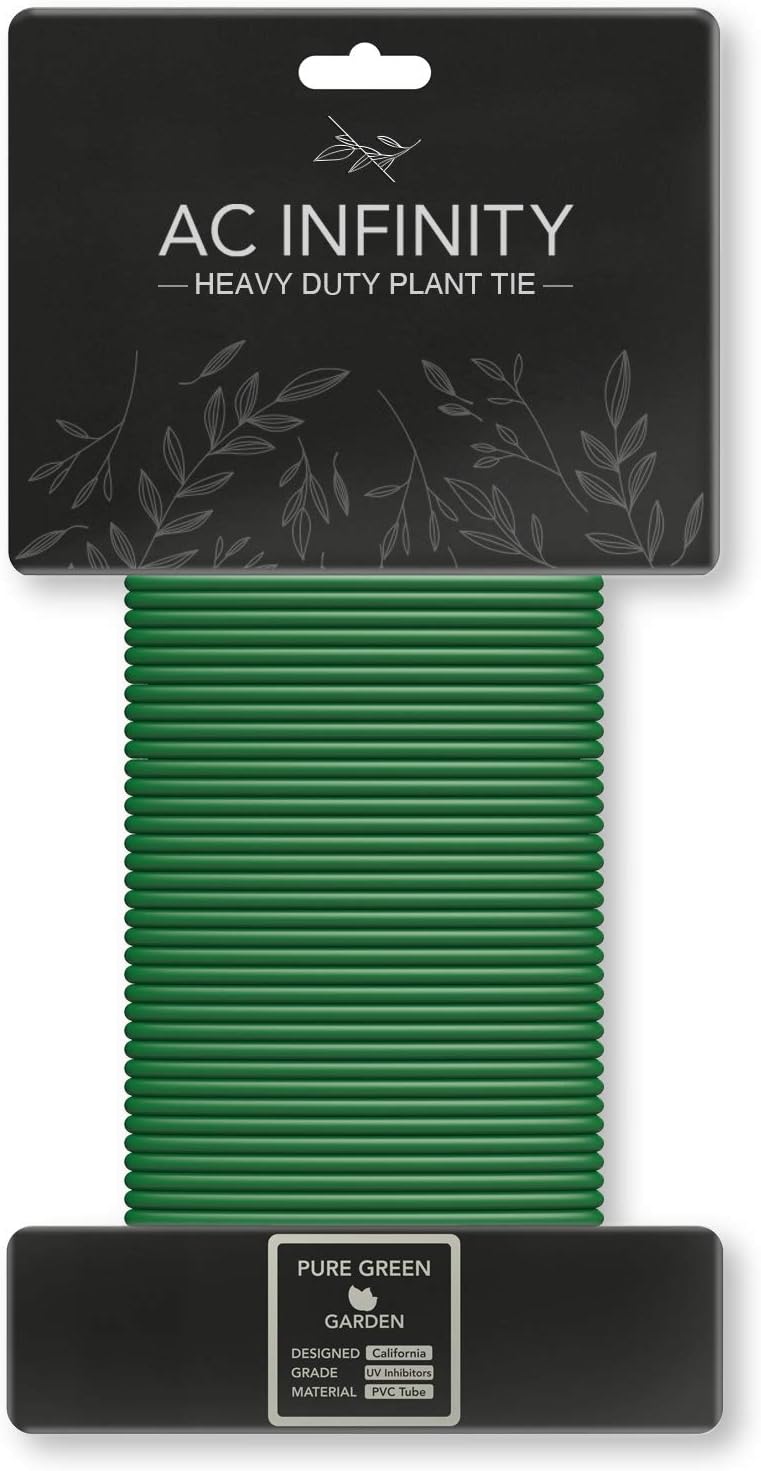

AC Infinity savings: Use code EVYGROWS for additional savings on eligible products. When shopping on Amazon, clip any available coupon first.
Affiliate disclosure: HWGrow may earn a commission from qualifying purchases at no additional cost to you. Equivalent clean gloves, soft ties and supports can be substituted without changing the canopy-care method.
Research references
You may also like
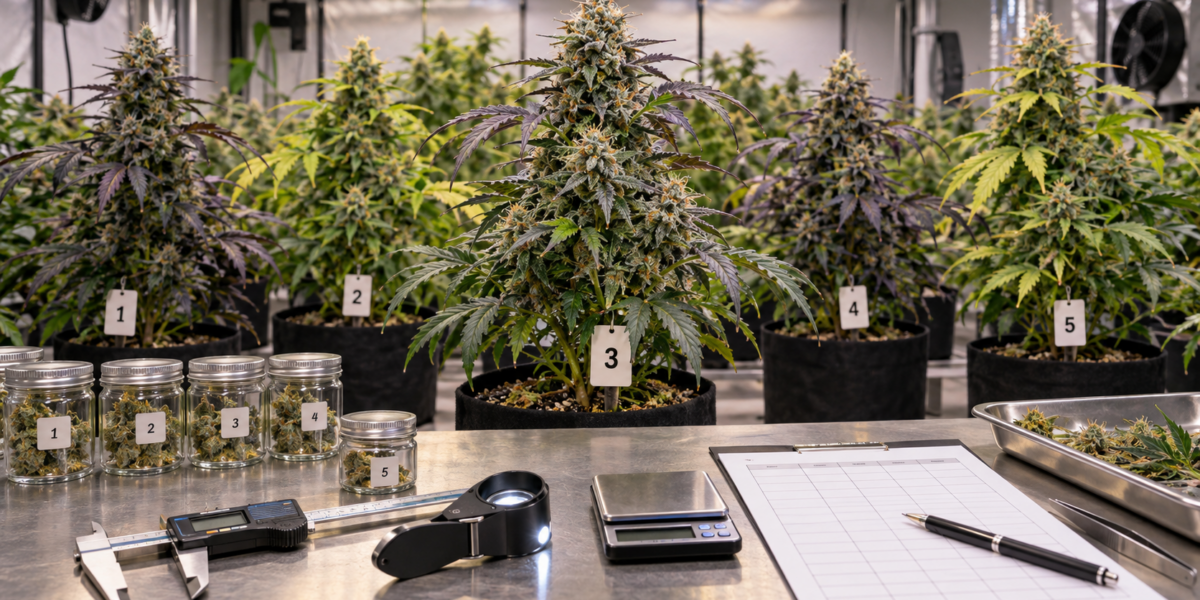
How to Pheno Hunt Cannabis and Choose a Keeper
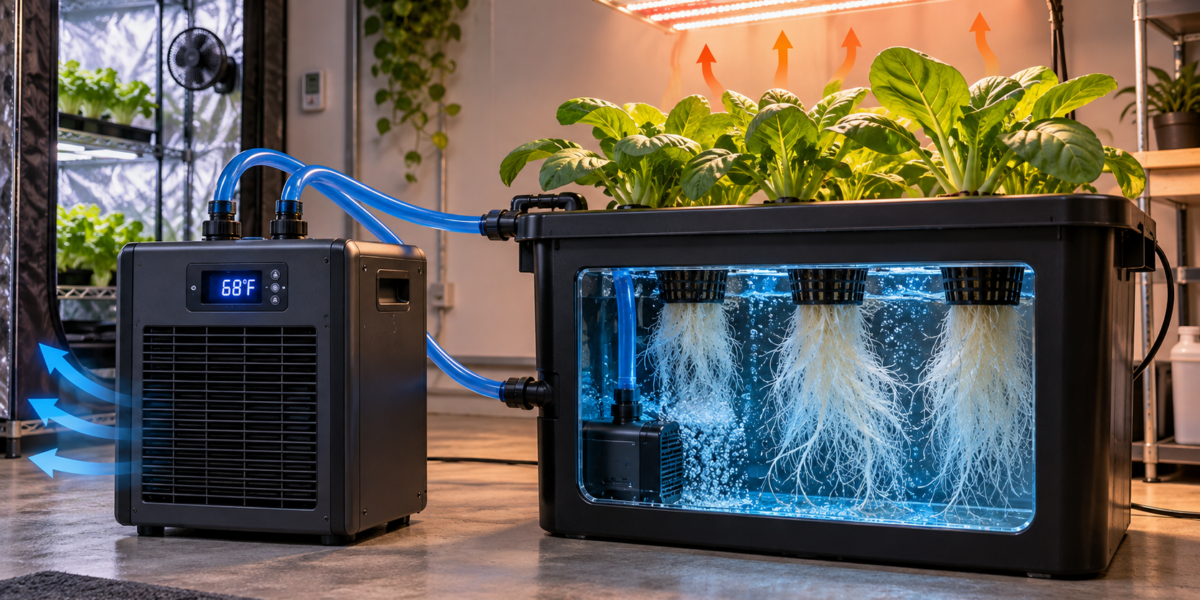
Hydroponic Water Chillers: Stop Summer Root Rot Before It Starts

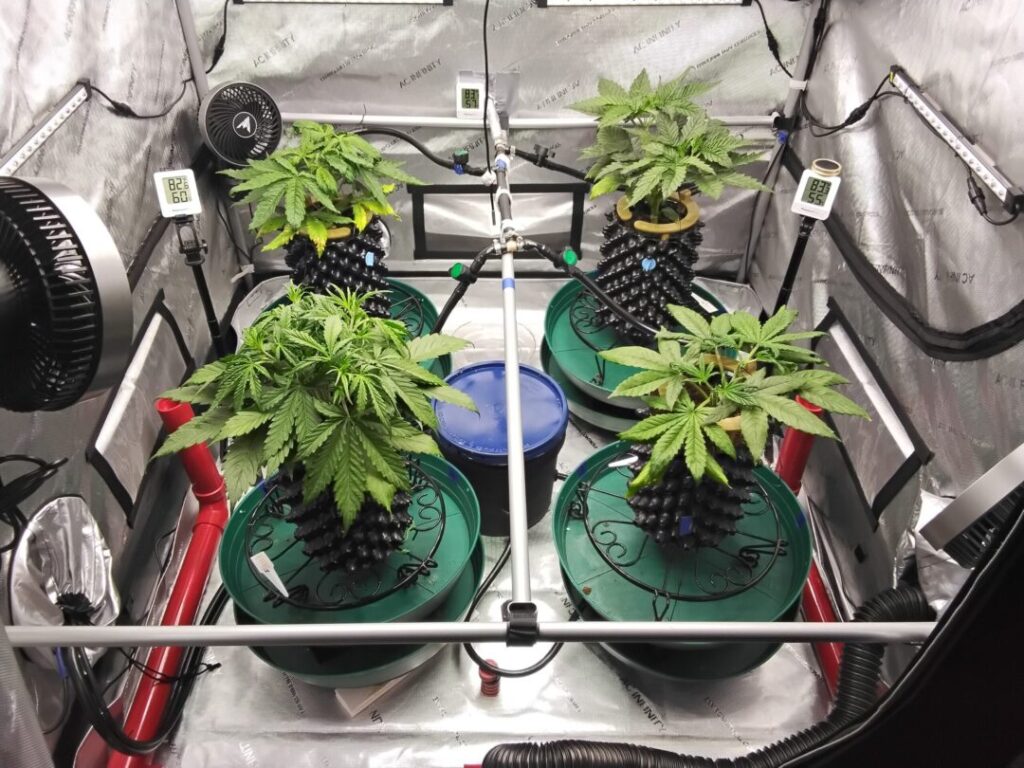


Featured Grow
 Jul 2026 — White Iverson by Selfie Seeds +2 more
White Iverson × Selfie Seeds, Pink Strawberry × Selfie Seeds, Purple Berry × Selfie Seeds • Soil • Started Jul 25, 2026
View journal
Jul 2026 — White Iverson by Selfie Seeds +2 more
White Iverson × Selfie Seeds, Pink Strawberry × Selfie Seeds, Purple Berry × Selfie Seeds • Soil • Started Jul 25, 2026
View journal
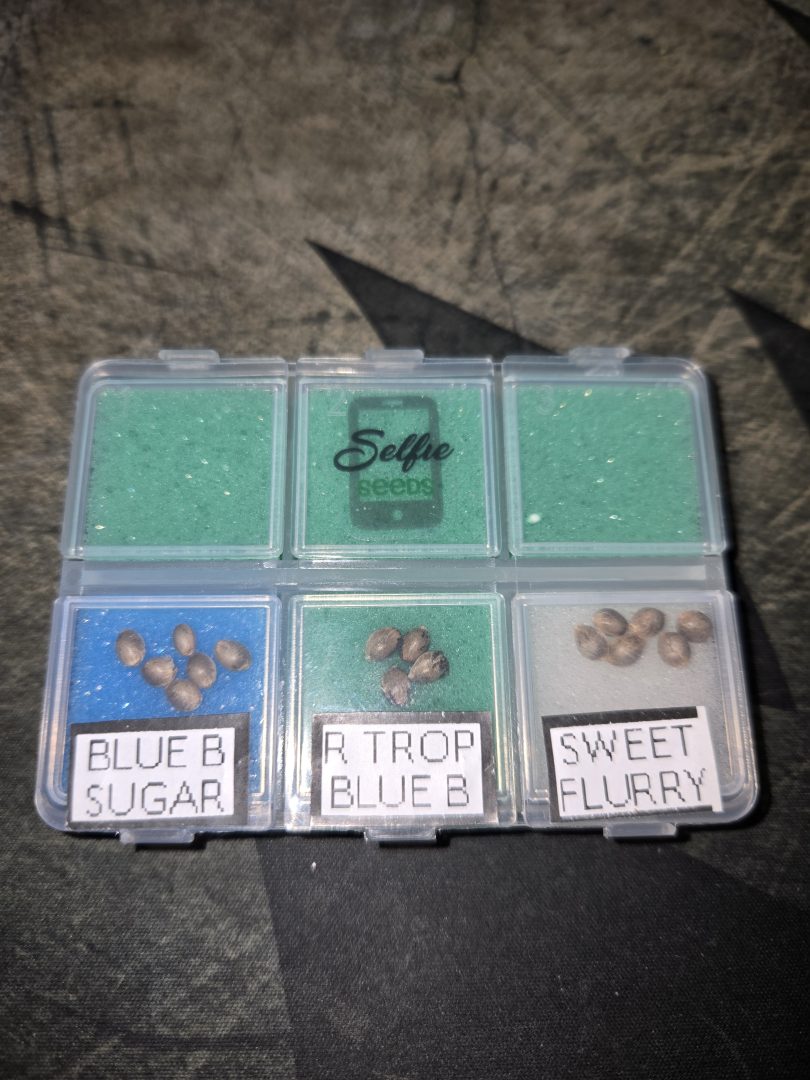 First Selfie Seeds Grow (Blueberry Sugar, Tropical Blueberry, and Sweet Flurry)
Blueberry Sugar × Selfie Seeds, Tropical Blueberry × Selfie Seeds, Sweet Flurry × Selfie Seeds • Soil • Started May 27, 2026
View journal
First Selfie Seeds Grow (Blueberry Sugar, Tropical Blueberry, and Sweet Flurry)
Blueberry Sugar × Selfie Seeds, Tropical Blueberry × Selfie Seeds, Sweet Flurry × Selfie Seeds • Soil • Started May 27, 2026
View journal
Awesome It’ll be a bit chlorophyllie but definitely let me know your opiniones

Walked in this morning before lights out and they are already bouncing back pretty good.
Awesome, fingers crossed for you
Nice LSTing Looks perfectly symmetric

Bananas!!!!! I knew I forgot something today. Thanks, gotta hit the store up in the am anyway. Coming off night,…