


Chlorine and Chloramine in Water for Cannabis Plants

Last updated: August 2026
Quick answer: Check your water utility’s annual report before treating anything. Free chlorine can dissipate with time and aeration, but chloramine is more persistent. An RO membrane by itself is not a reliable chloramine-removal method; use verified chloramine-rated carbon pretreatment or a compatible neutralizer and confirm the result.
Video chapters
- 0:19 — The failed-hydro case study
- 1:48 — The water report reveals chloramine
- 1:56 — What chloramine is and why it persists
- 2:30 — Plant recovery after changing source water
- 2:44 — Check the report and choose treatment
What are chlorine and chloramine?
Public water systems use chlorine or chloramine to control microbes. Chloramine is commonly formed by combining chlorine and ammonia and lasts longer in distribution pipes. EPA reports that more than one in five Americans receives chloraminated drinking water. Water that meets drinking-water standards is considered safe for normal household use, but that does not mean every hydroponic crop or microbial root zone responds identically. Start with the EPA chloramine overview.
The HWGrow video is a case study, not proof that every leaf spot comes from chloramine. The grower checked pH, EC and environment, found chloramine in the utility report, changed source water, and then observed recovery. Controlled lettuce research has also documented chloramine-related root browning and growth inhibition in hydroponic nutrient solution. See the root-browning study and the dose-and-exposure study record.
How to check your tap water
- Find the local water report. Look up your ZIP code plus “water report” (for example, 12345 water report), then open the water utility’s current Consumer Confidence Report.
- Identify the disinfectant. Look for free chlorine, total chlorine or monochloramine and note the reported range.
- Record the other variables. Alkalinity, hardness, sodium and source-water EC can matter as much as the disinfectant.
- Test at the tap and after treatment. Use a test that distinguishes free and total chlorine; the difference helps reveal combined chlorine.
- Change one variable at a time. Compare plant response after treatment or a known source-water swap before blaming nutrients.

What actually removes chloramine?
| Method | Free chlorine | Chloramine | Important limitation |
|---|---|---|---|
| Letting water stand or aerating | Can reduce it over time | Not reliable | Temperature, light and contact time change results |
| Activated/catalytic carbon | Effective when correctly sized | Use a product specifically rated for chloramine | Media capacity and contact time matter |
| RO membrane alone | Not the correct primary claim | EPA says it does not remove monochloramine by itself | Many complete RO systems rely on carbon pretreatment |
| Compatible chemical neutralizer | Often rapid | Product-dependent | Follow the label and verify compatibility with the grow system |
The legacy article treated “reverse osmosis” as a complete chloramine answer. The more accurate rule is to verify the entire treatment train. EPA notes that boiling, standing water and an RO membrane alone do not remove monochloramine. Read the EPA removal fact sheet.
For a small system, a chlorine/chloramine conditioner can be useful when its label is compatible with the intended soil or hydro application. If you also need lower hardness or source-water EC, a multi-stage RO system with carbon pretreatment can address a broader water-quality problem. In either case, confirm the chloramine rating and replace filters or treatment media before breakthrough.
Soil, living media and hydro are not the same
Hydro exposes roots directly to the treated solution, so disinfectant residuals and water chemistry deserve closer control. A buffered potting mix may reduce or transform some compounds, but repeated irrigation can still affect the root zone and microbial community. Do not apply a hydro threshold blindly to soil, and do not assume a healthy soil result proves the same water is suitable for DWC.
After treatment, record source and finished-water pH, EC and alkalinity before mixing nutrients. The cannabis pH, EC, PPM and runoff guide explains how to interpret those measurements without chasing one isolated number.
Frequently asked questions
Can I remove chloramine by leaving water out overnight?
No. That is not a reliable chloramine treatment.
Does every tap-water problem come from chloramine?
No. High alkalinity, sodium, hardness, EC, temperature, pathogens and mixing errors can create similar symptoms. Use the report and measurements.
Does reverse osmosis remove chloramine?
Do not rely on the membrane alone. Use a system with verified chloramine-rated carbon pretreatment and maintain it according to capacity.
Need help reading a water report? Ask HWG. The public guide covers diagnosis; exact reservoir execution and protected lesson workflows remain inside the paid Hydro masterclass.
Recommended water-treatment tools
 Chlorine/chloramine conditionerA simple small-batch option when the product label confirms compatibility with your grow system. Dose from the label and verify the treated water.
 Multi-stage RO systemUseful when hardness or source-water EC also needs to come down. Confirm the carbon stage is rated for chloramine and service it before capacity is exhausted.
Affiliate disclosure: HWGrow may earn a commission from qualifying purchases at no additional cost to you. Verify that any treatment product is rated for the disinfectant, flow rate and grow system you use.
You may also like
Making the Strain: Pink Panty Cream, Episode 1 | Defining Desire
Everything HWGrow Uses




Featured Grow
 Jul 2026 — White Iverson by Selfie Seeds +2 more
White Iverson × Selfie Seeds, Pink Strawberry × Selfie Seeds, Purple Berry × Selfie Seeds • Soil • Started Jul 25, 2026
View journal
Jul 2026 — White Iverson by Selfie Seeds +2 more
White Iverson × Selfie Seeds, Pink Strawberry × Selfie Seeds, Purple Berry × Selfie Seeds • Soil • Started Jul 25, 2026
View journal
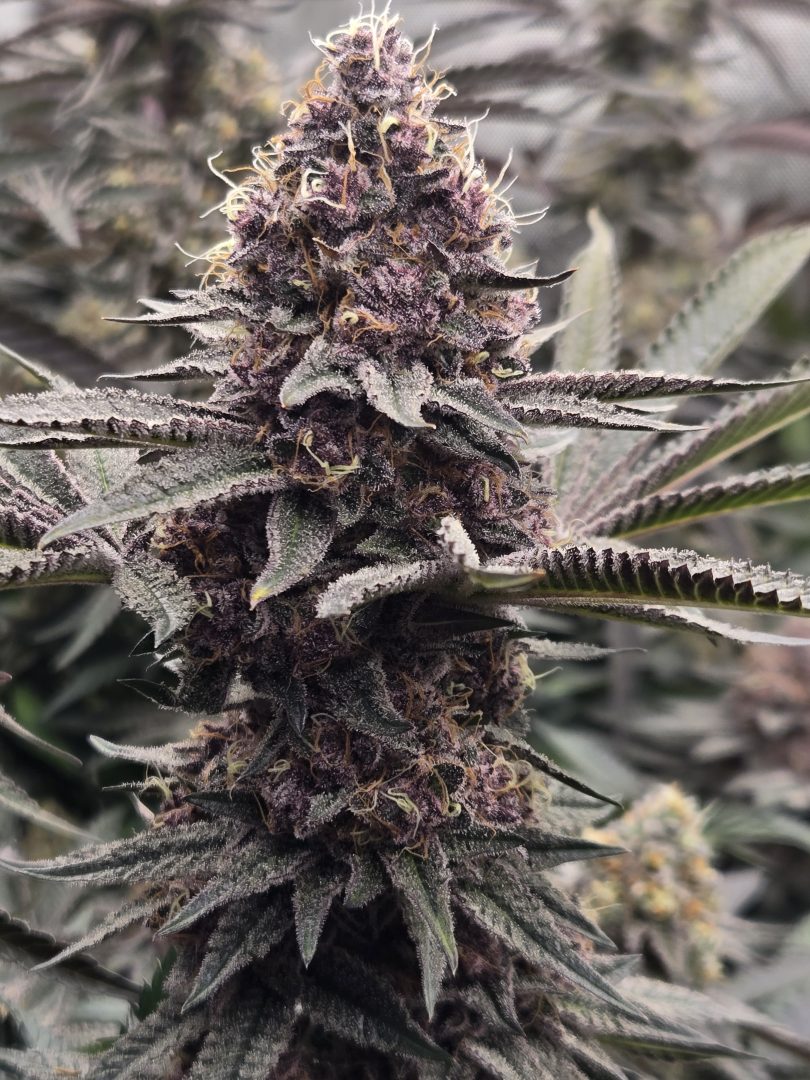 First Selfie Seeds Grow (Blueberry Sugar, Tropical Blueberry, and Sweet Flurry)
Blueberry Sugar × Selfie Seeds, Tropical Blueberry × Selfie Seeds, Sweet Flurry × Selfie Seeds • Soil • Started May 27, 2026
View journal
First Selfie Seeds Grow (Blueberry Sugar, Tropical Blueberry, and Sweet Flurry)
Blueberry Sugar × Selfie Seeds, Tropical Blueberry × Selfie Seeds, Sweet Flurry × Selfie Seeds • Soil • Started May 27, 2026
View journal
The juice is diluted with water until it hits the ppm listed on page 1

Hi again, sorry for the trouble, I'm looking at the coco for cannabis nutrient schedule and amounts are ml/gallon. My…
Nom nom So pretty!!! I should have popped this cross in the solo cup hunt
This hobby also gave me the confidence to do more diy projects when I realized I was pretty good at…
Awesome, you know it’s a serious hobby when you start making renovations around it