

How to Reveg Cannabis: Return a Flowering Plant to Veg

Last updated: August 2026
Quick answer: Revegging means taking a flowering photoperiod cannabis plant and putting it back into vegetative growth. Give it a long-day light schedule, keep enough healthy green growth for the plant to recover and wait for the strange one- and three-finger leaves to give way to normal new shoots. It can work, but it is not fast and it is not guaranteed.
Think of the plant like a phone changing operating modes. You can flip the setting in one day, but everything inside still needs time to catch up. The first weird leaves are not automatically a problem—they are usually the plant changing direction.
Watch the HWGrow revegging comparison
This original HWGrow video is the primary hands-on source. It shows flowering cuts with and without the old colas removed. The comparison is useful, but one small side-by-side trial is not a universal rule: cultivar, plant health, roots, remaining leaves and environment can all change the result.

Selecting a timestamp opens the standard HWGrow pop-out at that exact moment without making you lose your place on the page.
What can—and cannot—be revegged?
Use this method on a photoperiod plant. “Regular” and “photoperiod” do not mean the same thing: regular describes the possible sex of the seed, while photoperiod describes how flowering responds to day length. Feminized photoperiod plants can be revegged too.
Autoflowers follow an age-driven flowering program, so changing the timer is not a reliable way to restart vegetative growth. If preserving a specific plant matters, start with a healthy photoperiod plant and accept that recovery can still fail.
How to reveg a harvested plant
- Leave living growth. Keep several healthy lower branches, leaves and small bud sites. A bare stump has very little engine left for recovery.
- Return to long days. An 18/6 or 20/4 schedule is a reasonable starting point. The source video used continuous light, but 24/0 is not a requirement for every plant.
- Keep the environment steady. Avoid combining the harvest, a transplant, aggressive feeding and a major climate change all at once.
- Water the plant you have. A harvested plant with limited foliage may drink far less than it did in full flower. Water by root-zone demand, not the old calendar.
- Wait for true vegetative shoots. Single-finger, twisted or rounded leaves often appear first. Resume normal training only after vigorous shoots and familiar leaf patterns return.
Cannabis research supports the basic direction of the method: short days maintain inflorescence development, while returning plants to long days can disassemble that flowering structure and resume long-day growth. It does not establish one perfect household schedule or a guaranteed number of recovery days. See the photoperiod and inflorescence study.
Should you cut off the old colas?
The source trial showed faster-looking recovery in the group whose old colas were removed. Treat that as useful first-party evidence, not a promise. Remove finished flower material that is no longer helping, but keep enough healthy leaf and viable nodes to power new growth. If the plant is already weak, stripping every green surface can make recovery harder.
Flowering cuts are a different version of the same idea
A cutting taken during flower may still root and return to vegetative growth. It does not have to be a vegetative cut, although a healthy vegetative cutting usually gives you an easier start. A late-flower cutting must solve two problems—forming roots and changing its growth pattern—so expect more time, stranger early leaves and a lower margin for error.
Use the separate cannabis cloning guide for the rooting workflow. This page stays focused on the flowering-to-vegetative transition.
How to tell whether revegging is working
- Early: buds stay alive and small shoots begin pushing from old sites.
- Middle: rounded, twisted, single-finger or three-finger leaves appear.
- Established: new shoots accelerate and return toward the plant’s familiar leaf pattern.
- Warning signs: spreading rot, a foul root zone, stems dying back, no viable green tissue or continued decline instead of new growth.
Do not judge the whole attempt from the first ugly leaf. Judge the direction: Is each new shoot healthier and more vigorous than the one before it?
Useful revegging tools

Timed grow-light power stripProvides timed and always-on outlets for a simple long-day reveg setup. Keep the total load within the exact strip rating.

Heavy-duty mechanical timerA simple manual option for a consistent reveg light schedule. Verify the current amperage and appliance compatibility.

Selfie Seeds™ geneticsRevegging preserves a phenotype you already selected. Document its source and traits before deciding whether to keep or reproduce it.
Affiliate disclosure: HWGrow may earn a commission from qualifying Amazon purchases at no additional cost to you. Selfie Seeds™ is HWGrow’s in-house genetics source. Product generations can change, so verify the current seller, electrical rating and local laws.
Frequently asked questions
How long does revegging cannabis take?
Several weeks is common, but there is no universal deadline. Cultivar, plant health, roots, remaining foliage, flowering stage and environment all affect recovery.
Do you need 24 hours of light to reveg?
No single schedule is proven best for every home grow. Use a consistent long-day vegetative schedule such as 18/6 or 20/4; the source video’s 24/0 schedule is one documented approach, not a requirement.
Can you reveg a flowering clone?
Yes, a flowering cut can sometimes root and resume vegetative growth. It usually takes longer and carries more risk than starting with a healthy vegetative cut.
Can an autoflower be revegged?
Not reliably by changing the light schedule. Autoflowers are not controlled by day length in the same way as photoperiod plants.
You may also like
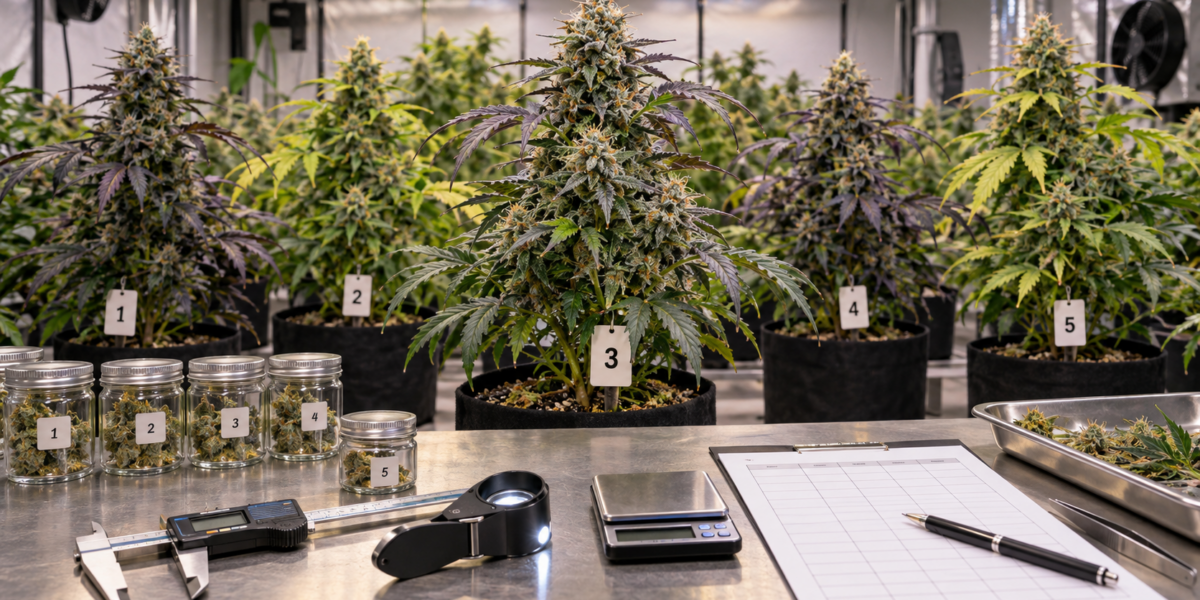
How to Pheno Hunt Cannabis and Choose a Keeper
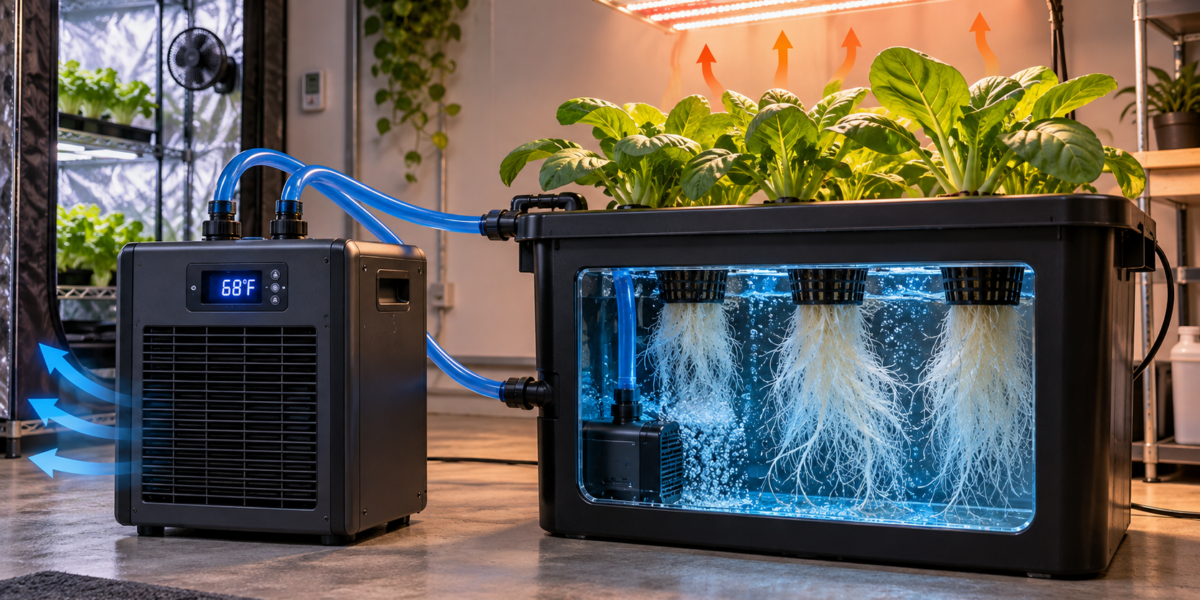
Hydroponic Water Chillers: Stop Summer Root Rot Before It Starts

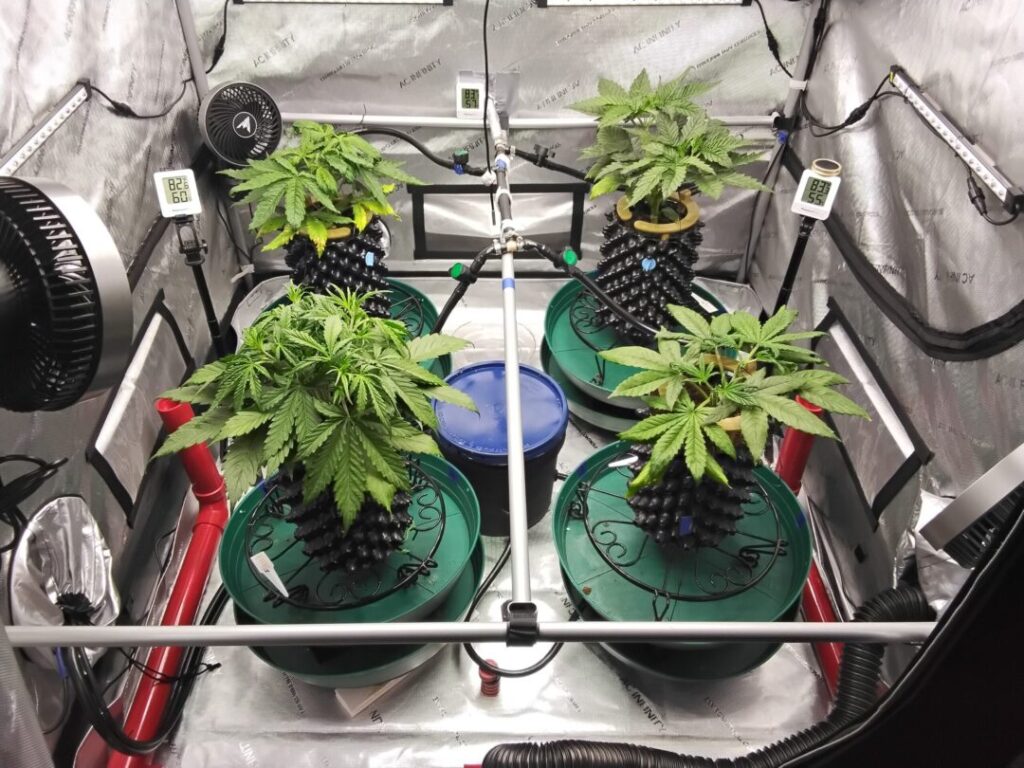
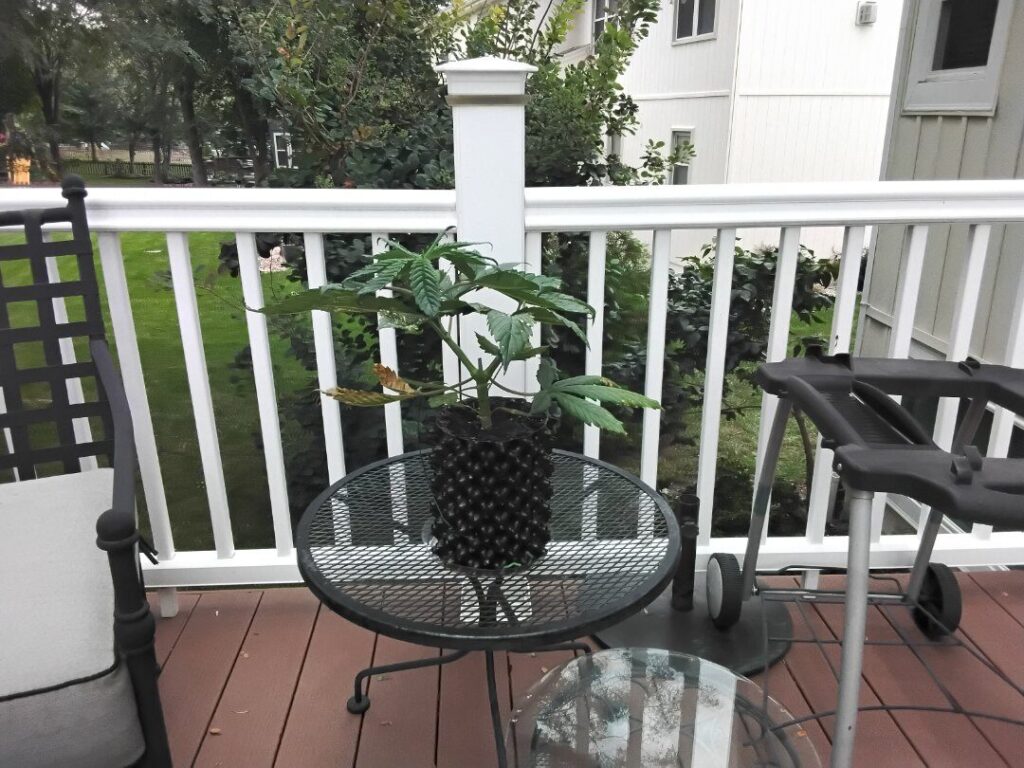
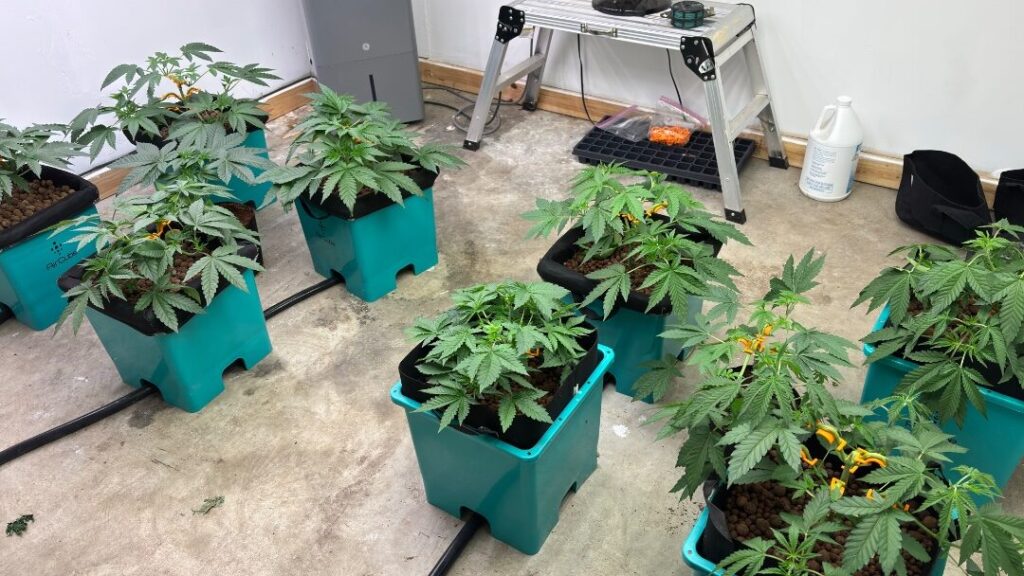



Featured Grow
 Jul 2026 — White Iverson by Selfie Seeds +2 more
White Iverson × Selfie Seeds, Pink Strawberry × Selfie Seeds, Purple Berry × Selfie Seeds • Soil • Started Jul 25, 2026
View journal
Jul 2026 — White Iverson by Selfie Seeds +2 more
White Iverson × Selfie Seeds, Pink Strawberry × Selfie Seeds, Purple Berry × Selfie Seeds • Soil • Started Jul 25, 2026
View journal
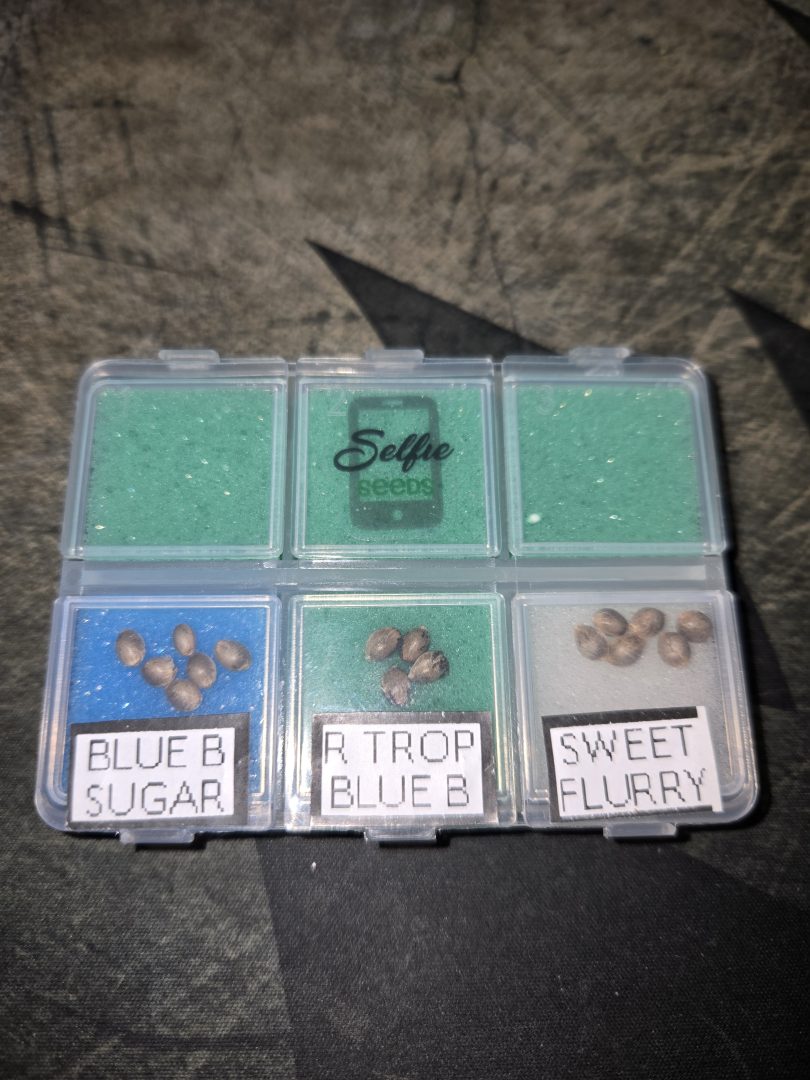 First Selfie Seeds Grow (Blueberry Sugar, Tropical Blueberry, and Sweet Flurry)
Blueberry Sugar × Selfie Seeds, Tropical Blueberry × Selfie Seeds, Sweet Flurry × Selfie Seeds • Soil • Started May 27, 2026
View journal
First Selfie Seeds Grow (Blueberry Sugar, Tropical Blueberry, and Sweet Flurry)
Blueberry Sugar × Selfie Seeds, Tropical Blueberry × Selfie Seeds, Sweet Flurry × Selfie Seeds • Soil • Started May 27, 2026
View journal
Awesome It’ll be a bit chlorophyllie but definitely let me know your opiniones

Walked in this morning before lights out and they are already bouncing back pretty good.
Awesome, fingers crossed for you
Nice LSTing Looks perfectly symmetric

Bananas!!!!! I knew I forgot something today. Thanks, gotta hit the store up in the am anyway. Coming off night,…