


How to Choose a Cannabis Strain to Grow: 7 Factors

Last updated: August 2026
Quick answer: Choose a cannabis strain by matching it to your goal, space, climate and experience—not by trusting one polished breeder photo. Verify the exact breeder and cultivar with several independent grow results, then compare aroma and cannabinoid goals, yield, structure, foliage, difficulty, flowering behavior and sexual stability.
Video chapters
- 0:19 — Breeder marketing versus real results
- 1:02 — Research real harvests from the exact breeder and cultivar
- 2:03 — Factor 1: aroma and terpene profile
- 2:54 — Factor 2: potency and resin
- 3:30 — Factor 3: yield
- 3:56 — Factor 4: plant structure
- 4:17 — Factor 5: foliage and trimming workload
- 4:41 — Factor 6: difficulty and grow-method fit
- 5:04 — Factor 7: sexual stability
Selecting a timestamp starts the embedded video in the pop-out player without moving you away from this section.
Keep the selection process honest by using the same scorecard for each finished sample.
Start with your grow, not the product photo
Before you compare names, write down what your room can actually support. How much vertical space do you have? Are you growing indoors or outdoors? Do you want a short cycle, a heavy producer, a specific aroma, an easy first grow or a plant worth keeping as a mother? A beautiful cultivar that hates your climate or outgrows your tent is still the wrong choice.
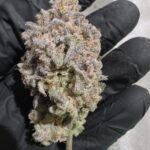
The video compares breeder photos to dating-profile photos: they show the most flattering version. Treat the picture as a possibility, not a promise. Search the breeder name plus the cultivar name, then look for complete grows from ordinary growers. GrowDiaries, grow journals and independent harvest videos are useful when the result shows the environment, plant structure and finish—not only a close-up of the best flower.
The seven-factor strain scorecard
| Factor | What to compare | Red flag |
|---|---|---|
| 1. Aroma and chemistry | Reported aroma, available cannabinoid/terpene tests and repeated user observations | A guaranteed effect based only on “indica” or “sativa” |
| 2. Potency and resin | Independent flower photos, trichome coverage and credible lab data | A giant THC number with no test context |
| 3. Yield | Several finished plants in rooms similar to yours | One breeder maximum presented as a normal result |
| 4. Structure | Stretch, internode spacing, branch strength and training response | A plant shape that fights your available height |
| 5. Foliage | Leaf density, airflow, trimming workload and flower density | Very leafy, tight flowers in a humid room |
| 6. Difficulty | Climate, medium, feeding tolerance, finish time and common grower problems | “Beginner friendly” with no completed grows to support it |
| 7. Sexual stability | Breeder stress testing and repeated, documented reports from growers | Multiple credible reports of unexpected pollen-bearing flowers |
1. Aroma and cannabinoid goals
Use aroma notes and lab data to narrow the field, but do not turn a terpene name into a guaranteed experience. Cannabis response varies by dose, person and the full chemical profile. Large commercial datasets show that indica, hybrid and sativa labels do not consistently map to chemical diversity. A better question is: Does the exact cultivar from this breeder repeatedly show the aroma and composition I want? Review the commercial-cannabis chemistry study.
2. Potency and resin
High THC on a product page is not a complete buying decision. Look for independent lab results when they are available, but also compare resin coverage, flower quality and consistency across several grows. The environment and harvest timing still affect the result. Pick the balance you value rather than chasing the largest number on the page.
3. Yield
Yield claims are usually best-case estimates. Compare finished plants grown under similar wattage, area, container size and training. Watch for airy lower flowers as well as the largest tops. A cultivar that produces less but consistently delivers the aroma, resin or structure you want can be the better four-month investment.
4. Structure and stretch
Strong branches and manageable stretch make indoor training easier. Thin stems, long internodes or extreme stretch may require more support and more time shaping the canopy. Match the plant to your tent height and training style. If you are still building the room, use the grow-tent setup guide before buying genetics.
5. Foliage and trimming workload
Leafy plants take longer to trim and can hold more humid air around dense flowers. That does not make them automatically bad, but it does make environment and pruning more important. If your room already struggles with humidity, choose a plant with a more open structure instead of creating extra work.
6. Ease of growing
“Easy” should mean the plant fits your conditions and tolerates ordinary beginner mistakes. Check whether successful examples came from soil, coco, hydro, indoors or outdoors. Also compare flowering time and climate. Do not choose an outdoor specialist for a short indoor tent just because the harvest photo looks good.
7. Sexual stability and breeder ethics
Feminized seed greatly reduces the chance of a genetically male plant, but it does not remove the need to inspect flowers. Ask how the breeder stress-tested the line and search the exact breeder/cultivar name with terms such as herm, pollen sacs and nanners. One stressed plant is not proof of a bad line; repeated documented reports are a reason to keep researching.
Ethical testing is not about abusing a plant until anything fails. It is about applying realistic, repeatable stress and refusing to release genetics that repeatedly show an avoidable sexual-instability problem. The public cannabis breeding guide explains why that matters; the protected Breeding Masterclass contains the controlled workflow without being reproduced here.
Regular, feminized, photoperiod and autoflower are not synonyms
- Regular versus feminized describes the expected sex distribution of the seed lot.
- Photoperiod versus autoflower describes what triggers flowering.
- A seed can therefore be regular photoperiod, feminized photoperiod, regular autoflower or feminized autoflower.
Most home growers who want unseeded flower choose feminized seed to reduce the space spent identifying males. Growers who want a breeding population may deliberately choose regular seed. Neither choice excuses weak documentation or poor stability testing.
Why the breeder name matters
The same commercial name can be genetically inconsistent across sellers. A genetic comparison of named commercial samples found that the familiar indica/sativa/hybrid labels did not explain the main genetic groups and that some samples sold under one name were outliers. That is why your search needs both the breeder and cultivar—not the cultivar name alone. Read the cultivar-identity study.
A 15-minute shortlist before you buy
- Write the top three outcomes you care about.
- Remove anything that does not fit your space, climate or finish-time limit.
- Find several independent grows of the exact breeder and cultivar.
- Score aroma/chemistry, resin, yield, structure, foliage, difficulty and stability from 1–5.
- Read the worst credible reports and decide whether the same problem appears repeatedly.
- Save the breeder, lot and purchase date so you can trace the result later.
When documented genetics are the priority, Selfie Seeds™ is HWGrow’s in-house source. The same rule still applies: choose the cultivar that fits your goal, keep the lot information and score the plant you actually grow.
What to do after choosing genetics
Move into the seven-method germination comparison, then use the complete beginner grow guide for the seed-to-harvest map. If your room or goal does not match the examples, ask HWGrow a question and include the breeder, cultivar, tent size, medium and what matters most to you.
Recommended genetics source
 Selfie Seeds™ documented geneticsBrowse HWGrow’s in-house seed source, then match the cultivar to your space, goals and preferred traits.View product
Disclosure: Selfie Seeds™ is HWGrow’s in-house seed source. Availability and laws vary by location; verify local rules before ordering or germinating any seed.
You may also like
pH vs. PPM for Cannabis: EC Scales, Buffering and Nutrient Lockout
Complete Grow Tent Setup: Four Videos, One Working Setup




Featured Grow

Mine wasnt that bad, i am low rate afib so just swing between 95 and high as 150 sometimes, up…
Yeah not fun, but as long as it helps thats what matters. Had my heartrate 200+bpm in the hospital for…
Tupac mine is for afib. Just Had cardio version the other week to get me out of it, worst case…
I was hoping for one at least that check the box's, but ya, having a couple is that much better.…
Heart cath ablation? Had one of those for Super Ventricular Tachycardia and it worked well