


Cannabis Terpenes Explained: Aroma, Flavor & What Evidence Shows

Last updated: August 2026
Quick answer: Cannabis terpenes are volatile aroma compounds that help create citrus, pine, floral, earthy and spicy notes. They are not THC, they do not tell you whether a plant is automatically “indica” or “sativa,” and a terpene name alone cannot promise a specific high. Use the complete lab profile, your own sensory notes and the exact genetics—not a one-word marketing claim.

Watch: three very different aroma profiles
This HWGrow case study is the easiest way to understand the subject. One flower reads like blueberry candy, one is sharp and savory, and another leans red-berry sweet. Those are personal sensory notes from the exact plants shown—not universal effect claims for every product carrying the same name.
Video chapters
- 0:02 — Blueberry candy and fruit notes
- 0:21 — Sharp, savory and green-onion notes
- 0:44 — Red-berry candy notes
- 1:10 — Finding aroma through phenotype hunts
What are cannabis terpenes?
Terpenes are a large family of compounds plants make from small isoprene building blocks. Cannabis produces many of them in and around its resin glands. Because they evaporate easily, your nose can detect them before you ever see a lab report.
Terpenes and cannabinoids are different chemical families. THC, CBD and CBG belong to the cannabinoid side of the plant. Myrcene, limonene, pinene and beta-caryophyllene belong to the terpene side. They can exist in the same resin, but they are not interchangeable.
“Terpene” is also used casually as shorthand for the whole aroma. The real smell is more complicated. Aldehydes, esters and powerful sulfur compounds can change the nose even when they appear in tiny amounts. That is why two samples with similar headline terpenes can still smell completely different.
Six common cannabis terpenes
| Compound | Common aroma description | Also found in |
|---|---|---|
| Myrcene | Earthy, musky, herbal or hoppy | Hops, mango and lemongrass |
| Limonene | Citrus peel, lemon or orange | Citrus rinds and many cleaning fragrances |
| Beta-caryophyllene | Peppery, woody, spicy or clove-like | Black pepper, cloves and hops |
| Pinene | Pine needles, resin or fresh herbs | Pine, rosemary and conifers |
| Linalool | Floral, lavender-like or lightly citrus | Lavender and many flowers |
| Terpinolene | Fresh, herbal, floral and sometimes citrusy | Tea tree, nutmeg and apples |
Commercial testing data show that myrcene, beta-caryophyllene and limonene are among the most abundant terpenes across many U.S. flower samples. A dominant terpene is useful shorthand for the lab report, but the supporting compounds and their ratios still shape the final aroma.

Do terpenes control the high?
Do not let a dispensary chart turn six aroma words into six guaranteed experiences. Dose, THC/CBD ratio, the full chemical profile, tolerance, setting and the individual all matter. Large commercial datasets also show that “indica,” “hybrid” and “sativa” labels do not reliably separate products by chemistry.
That does not mean terpenes are biologically irrelevant. It means the marketing is ahead of the evidence. In one controlled human study involving 20 adults, vaporized d-limonene reduced some anxiety ratings produced by a high THC dose, while limonene alone did not differ from placebo on the measured acute effects. Only 12 participants completed the highest-limonene condition, which was added later and always tested last, so the authors could not rule out order effects. The study used purified compounds rather than whole cannabis flower. That is interesting human evidence under one protocol; it is not proof that every lemon-smelling flower delivers the same result.
Practical rule: use terpene names to describe aroma and compare tested batches. Treat specific medical or psychological promises as unproven unless the claim is supported by controlled evidence for the actual dose and product.
How to read a terpene lab report
- Confirm the batch. A report for the same strain name from another grower is not the chemistry in your jar.
- Check total terpene content. This gives useful context, but a higher total does not automatically mean a better or safer product.
- Read the top three to five compounds. Ratios tell you more than the single dominant terpene.
- Compare the report with your nose. Lab panels do not measure every odor-active compound, especially some sulfur compounds present at very low concentrations.
- Keep your own notes. Record aroma, flavor, dose and experience instead of trusting a generic effect chart.
A strong smell is a valuable sensory signal, not a substitute for contaminant testing, cannabinoid potency or clean cultivation. The cannabinoids guide explains the other major side of the flower’s chemistry.
Why the old boiling-point charts are misleading
A pure compound’s laboratory boiling point is not a precision “effects dial” for a whole cannabis flower or cartridge. The plant matrix, airflow, device design, heating rate and chemical degradation all change what reaches the vapor. Use the vaporizer manufacturer’s operating guidance and start conservatively; do not diagnose an effect from a single temperature copied from a terpene chart.
How growers preserve aroma
- Start with genetics that actually express the target profile. Environment can change expression, but it cannot manufacture a missing genetic pathway.
- Avoid chronic heat and severe late-flower stress. Volatile compounds are easy to lose, and damaged flowers do not become better because they smell stronger for one afternoon.
- Dry slowly under controlled conditions. Excessive heat and rushed drying can change or reduce the volatile profile.
- Cure only after drying is stable. Sealing wet flower to “save terpenes” creates a moisture and microbial problem.
- Store finished flower cool, dark and airtight. Open containers and warm storage allow volatile compounds to escape or change.
Use the cannabis drying guide and complete curing guide for the postharvest workflow. When aroma is part of the genetics goal, Selfie Seeds™ is HWGrow’s in-house source for documented selections; the exact phenotype still needs to be grown, smelled and recorded.
To make sensory comparisons more consistent, record structured aroma and flavor notes after the flower is properly dried and cured.
Recommended aroma-preservation tools
 Amber wide-mouth jarsAirtight glass makes inspection easy and helps limit light exposure after drying and curing are stable.View product
 Thermometer and hygrometerTrack temperature and humidity instead of guessing whether the drying or storage environment is stable.View product
 Selfie Seeds™ geneticsStart a phenotype hunt with documented genetics, then keep your own aroma scorecard for every plant.View product
Affiliate disclosure: Selfie Seeds™ is HWGrow’s in-house genetics source. HWGrow may earn a commission from qualifying Amazon purchases at no additional cost to you. Product categories can be replaced with equivalent items.
Research references
Comments
Leave a reply
You may also like
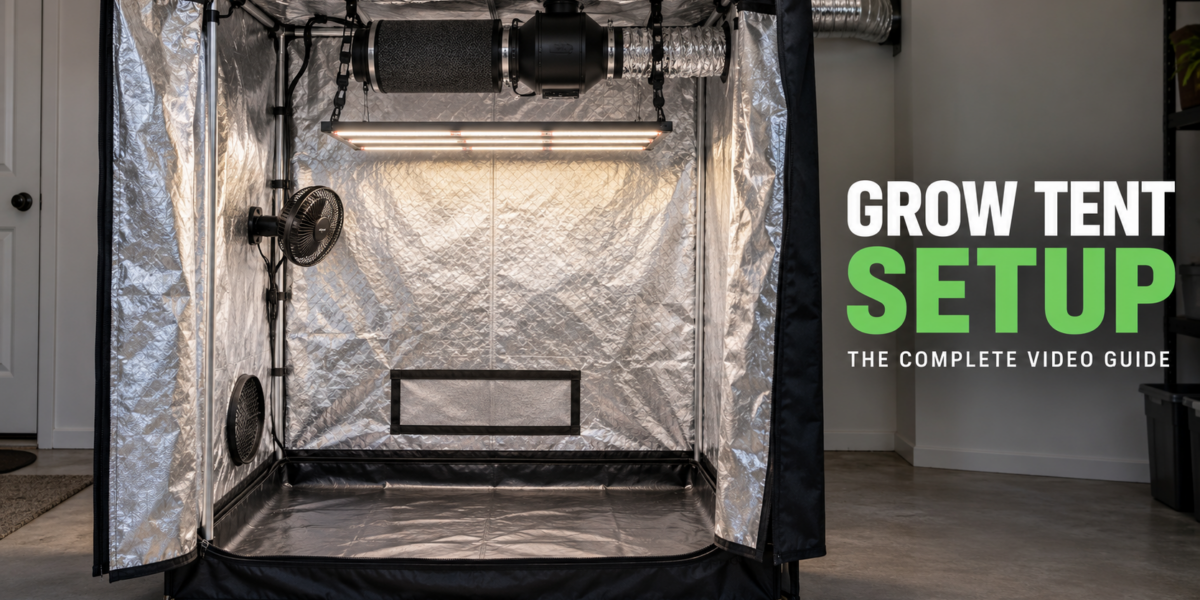
Complete Grow Tent Setup: Four Videos, One Working Setup
Lawrence Brooke: The Godfather of Cannabis Nutrients

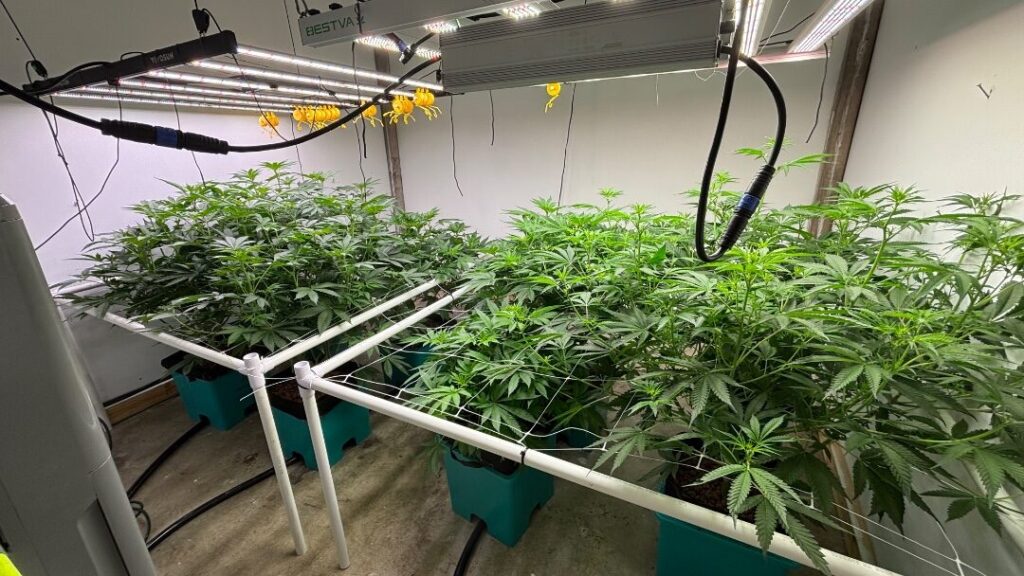




Featured Grow

Mine wasnt that bad, i am low rate afib so just swing between 95 and high as 150 sometimes, up…
Yeah not fun, but as long as it helps thats what matters. Had my heartrate 200+bpm in the hospital for…
Tupac mine is for afib. Just Had cardio version the other week to get me out of it, worst case…
I was hoping for one at least that check the box's, but ya, having a couple is that much better.…
Heart cath ablation? Had one of those for Super Ventricular Tachycardia and it worked well
Love your content!!