

Samsung LM301H vs. LM301B vs. LM301H EVO: What Actually Matters
Video chapters

Last updated: August 2026
Quick answer: LM301B, LM301H and LM301H EVO are not interchangeable labels, but the diode name alone does not tell you which grow light is better. Compare the complete fixture’s measured photon output, wall power, spectrum, canopy uniformity, heat, driver, warranty and exact hardware generation.
Correction to my 2022 video: The footage is useful because it shows how hard these packages are to identify by appearance. The old fixed-percentage efficiency and electricity-savings claims were too broad. Package-level laboratory values are not whole-fixture results, and a grow light’s waterproofing is determined by the fixture design and stated ingress protection—not by an LM301H label.

Selecting a timestamp opens the player at that moment without moving you away from this section.
LM301B, LM301H and LM301H EVO in plain English
| Package | What the Samsung source establishes | What it does not establish |
|---|---|---|
| LM301B | Samsung introduced it in 2017 as a high-efficacy 3-by-3-millimeter mid-power package for general lighting modules. | It does not identify the fixture’s spectrum, system efficacy, waterproofing, map, driver or current generation. |
| LM301H | Samsung introduced it for horticulture and described high photon efficacy plus anti-sulfurization from its flip-chip design. | The package name does not make a complete light waterproof or prove its wall-to-photon efficiency. |
| LM301H EVO | Samsung’s horticulture data sheet describes a 3-by-3-millimeter package designed for high efficacy and reliability. | A package rating such as 3.14 µmol/J under one test condition is not a fixture-level efficacy result. |
Samsung’s own materials make the application history clear. The 2017 LM301B announcement discusses premium indoor-lighting modules. The 2018 horticulture announcement introduces LM301H as a horticulture package. Samsung’s LM301H EVO data sheet documents that later family.
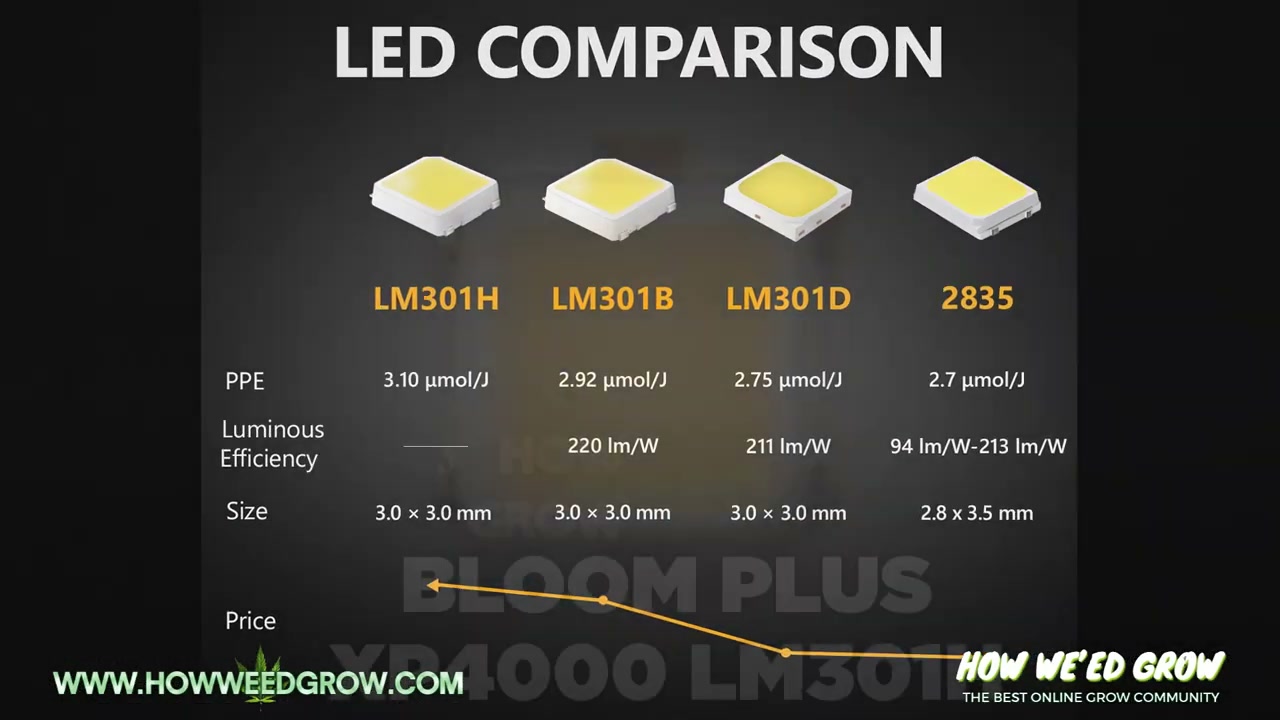
Why the old percentage math does not work
The original page took a percentage difference between diode-package values and applied it directly to a 300-watt light’s electric bill. That assumes both fixtures produce the same spectrum and photon output while every other system loss stays equal. Real fixtures also include the driver, wiring, board, optics, thermal design and the current at which each diode is operated.
For a useful energy comparison, measure or obtain the complete fixture’s PPF in µmol/s and actual wall power in watts. Divide PPF by wall power to get fixture photon efficacy in µmol/J. Then compare two lights that can deliver the canopy coverage you need. A more efficient package can still be placed in a worse fixture.
Do not calculate payback from a diode name. Calculate it from the wall-power difference required to deliver comparable usable light over the same schedule, then include purchase price, warranty and expected service life.
Can you identify a real Samsung diode from a photo?
Not reliably. The video correctly shows that LM301H and LM301B packages can look extremely similar. A macro image may expose an obvious mismatch in size or shape, but it cannot authenticate the manufacturer, exact part number, performance bin or chain of custody.
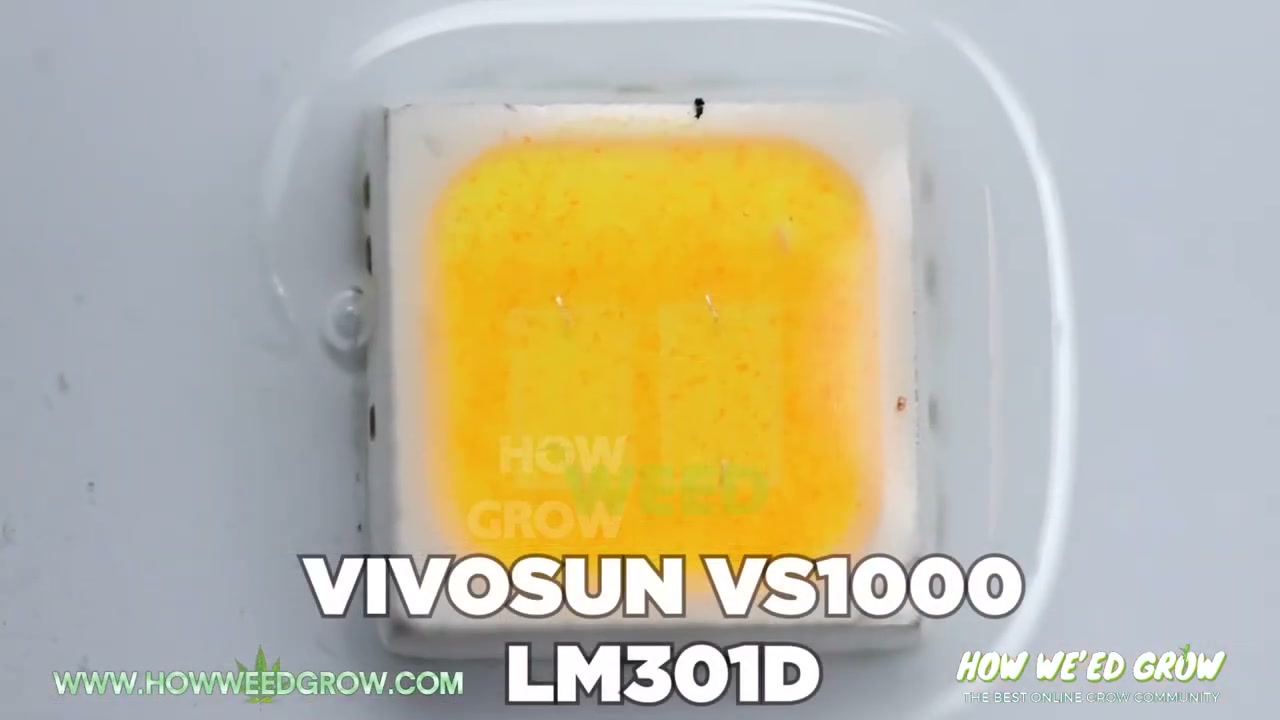
Better evidence includes the exact Samsung part number, board markings, purchase documentation from an authorized supply chain and a complete fixture report from a credible laboratory. If a seller only repeats “Samsung diodes” without naming the family, count, current generation and fixture performance, keep shopping.
LM301D and “2835” need context
A part label and a package size are not the same thing. “2835” commonly describes a physical package class around 2.8 by 3.5 millimeters; many manufacturers and performance levels can exist inside that shape. LM301D is another named package family. Neither term gives you a universal fixture-efficiency percentage.
The original video used visual examples to catch suspicious marketing. Keep that skepticism, but do not accuse a current product of using a counterfeit diode from appearance alone. Document the listing, request the exact part information and test the full light.
What matters more than the diode label
- Measured fixture efficacy: whole-light PPF divided by wall power, not the best diode bin copied from a brochure.
- Canopy uniformity: several readings across the actual footprint, not one bright center number.
- Spectrum: the complete mix of white, red and other packages at each dimmer setting.
- Thermal behavior: heat at the board, driver, tent and canopy during normal operation.
- Hardware generation: the diode, count, driver and layout sold today, not the version an old review tested.
- Reliability and support: warranty terms, seller, replacement parts and evidence from completed grows.
Use the LED grow-light buying guide to compare full fixtures. Then follow the LED measurement tutorial to map the light you actually receive. The State of the Indoor Grow Equipment guide explains why a familiar model name can hide a worse generation.
Recommended measurement tools

Photone light-meter appAn affordable starting point for canopy mapping. Follow the current device, diffuser and calibration instructions.

Phone PPFD diffuser clipA repeatable alternative to loose paper when it is compatible with the phone and requested by the app.
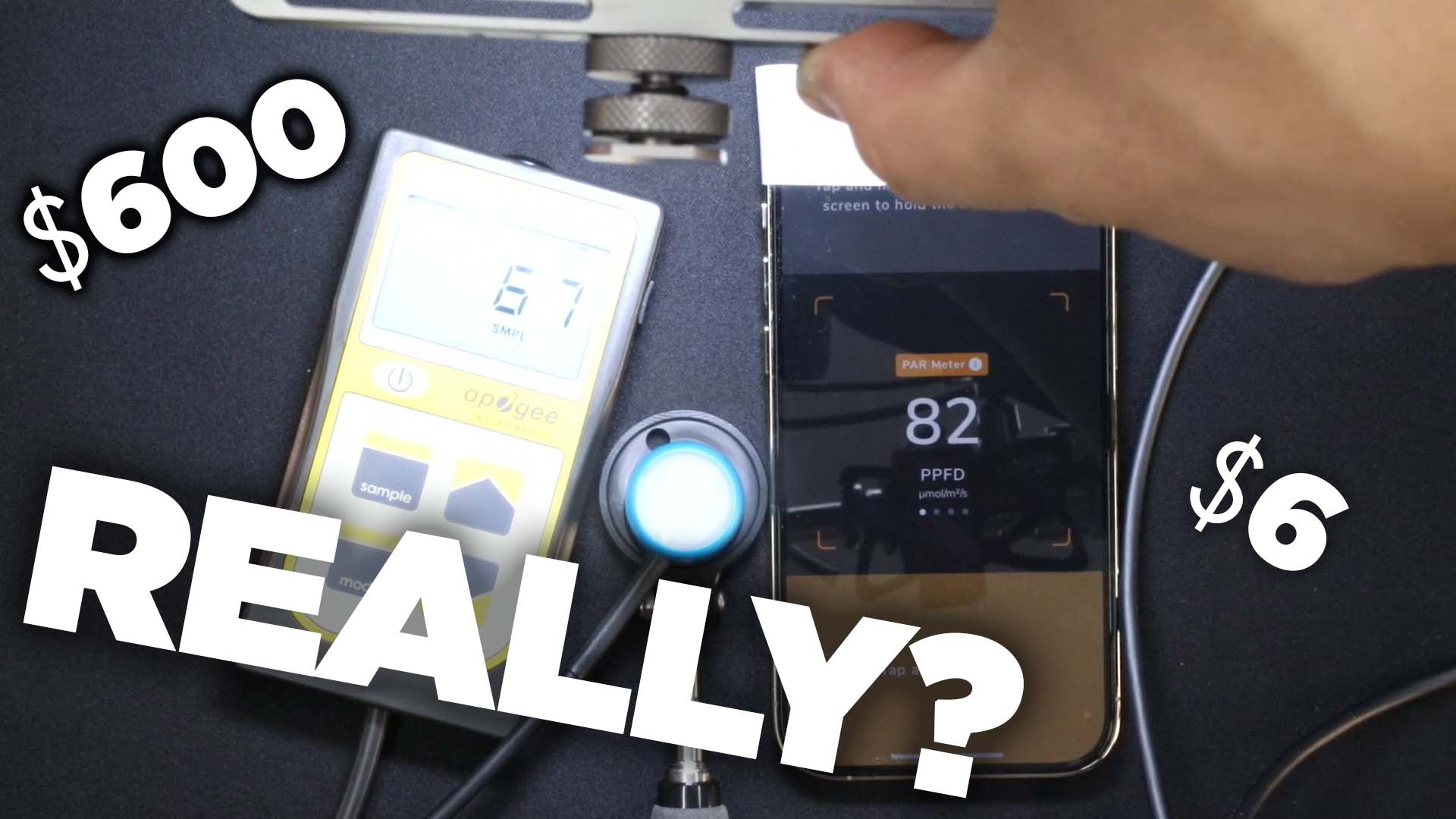
Full-spectrum quantum meterCompare currently available Apogee MQ-500 listings for repeatable PPFD maps. Keep the sensor level and follow its calibration guidance.
Affiliate disclosure: HWGrow may earn a commission from qualifying Amazon purchases at no additional cost to you. Measurement tools do not authenticate a diode package; they help test the complete light and canopy distribution.
Want help evaluating a specific light?
Ask HWGrow and include the exact listing, seller, model generation, diode claim, wall power, tent size, hanging height and several canopy readings. The Grow With Me Masterclass shows how light measurement fits into the complete grow without reproducing protected lessons here.
Samsung grow-light diode FAQ
Is LM301H always better than LM301B?
No. LM301H was designed and marketed for horticulture, but the complete fixture determines usable output, efficiency, distribution, heat and reliability. Compare whole-light measurements.
Does LM301H mean the grow light is waterproof?
No. The fixture’s stated ingress-protection rating and complete construction determine water resistance. A diode-family name is not a fixture waterproofing certification.
Is LM301H EVO rated at 3.14 µmol/J?
Samsung has published a 3.14 µmol/J package value under a specific laboratory condition. That number is not automatically the efficacy of a grow light built with those packages.
Can I spot counterfeit Samsung diodes from a photo?
A photo can reveal an obvious size or layout mismatch, but it cannot prove the manufacturer, part number or performance bin. Request traceable documentation and test the complete fixture.
Comments
Leave a reply
You may also like
How to Pheno Hunt Cannabis and Choose a Keeper
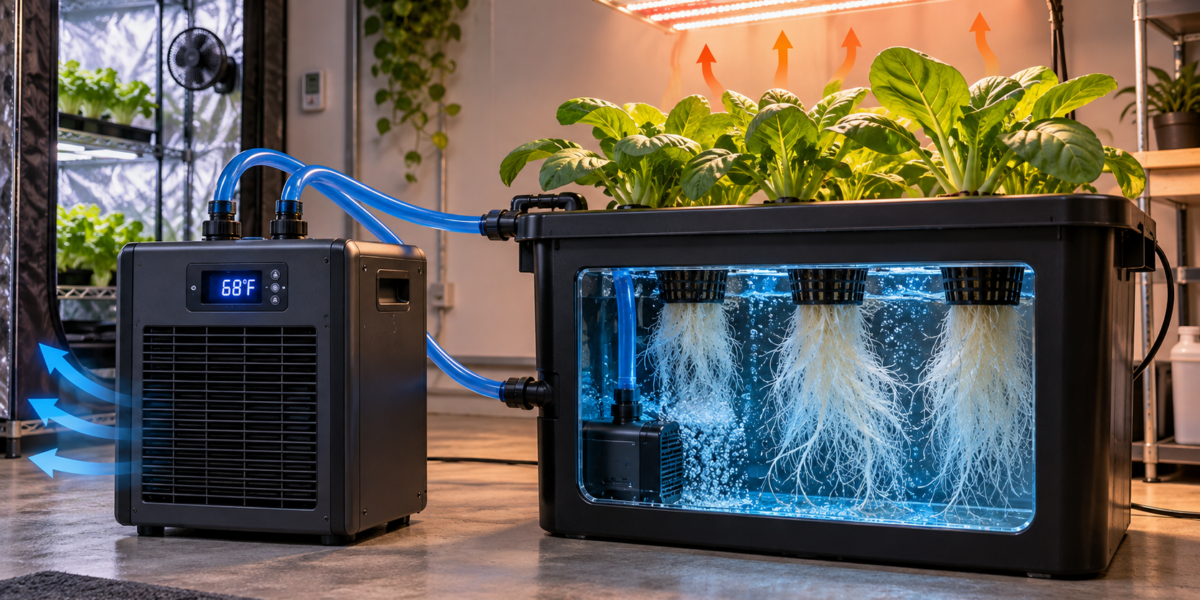
Hydroponic Water Chillers: Stop Summer Root Rot Before It Starts



Featured Grow
 Jul 2026 — White Iverson by Selfie Seeds +2 more
White Iverson × Selfie Seeds, Pink Strawberry × Selfie Seeds, Purple Berry × Selfie Seeds • Soil • Started Jul 25, 2026
View journal
Jul 2026 — White Iverson by Selfie Seeds +2 more
White Iverson × Selfie Seeds, Pink Strawberry × Selfie Seeds, Purple Berry × Selfie Seeds • Soil • Started Jul 25, 2026
View journal
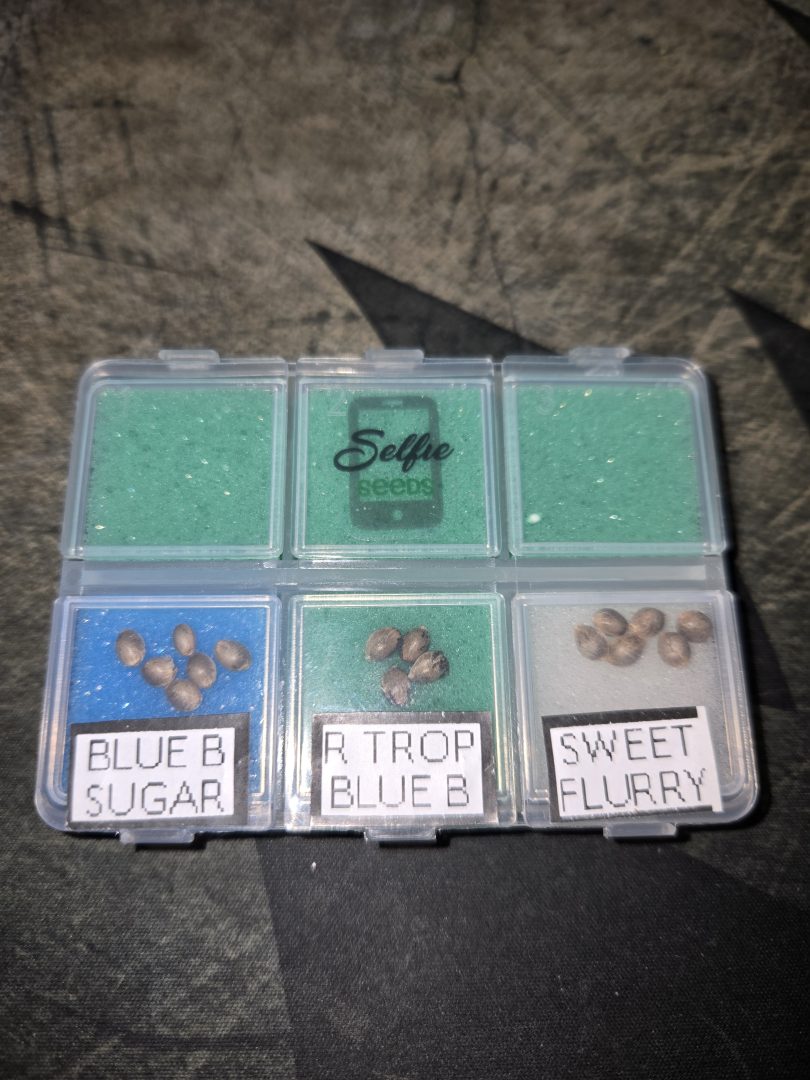 First Selfie Seeds Grow (Blueberry Sugar, Tropical Blueberry, and Sweet Flurry)
Blueberry Sugar × Selfie Seeds, Tropical Blueberry × Selfie Seeds, Sweet Flurry × Selfie Seeds • Soil • Started May 27, 2026
View journal
First Selfie Seeds Grow (Blueberry Sugar, Tropical Blueberry, and Sweet Flurry)
Blueberry Sugar × Selfie Seeds, Tropical Blueberry × Selfie Seeds, Sweet Flurry × Selfie Seeds • Soil • Started May 27, 2026
View journal
Awesome It’ll be a bit chlorophyllie but definitely let me know your opiniones

Walked in this morning before lights out and they are already bouncing back pretty good.
Awesome, fingers crossed for you
Nice LSTing Looks perfectly symmetric

Bananas!!!!! I knew I forgot something today. Thanks, gotta hit the store up in the am anyway. Coming off night,…
Here’s some more detective work. Samsung on their website shows LM301H diodes pull 0.20 watts each, For a lamp fixture of 1000 LEDs, that’s 200 watts. Anything over that is lost in the controller, say at 100 watts.
is that maximum numbers? link source?