

How to Reuse Potting Soil Safely After a Grow
Video chapters
- 0:19 — Set up a cleanup container
- 0:26 — Separate the fabric pot from the root ball
- 0:49 — Break apart the compacted block
- 1:09 — Remove the main root system
- 1:16 — Sift out remaining roots and leaves
- 1:29 — Original heat-treatment discussion; follow the corrected controls below
- 1:56 — Original leaching example; test before repeating it
- 2:31 — See the reused soil supporting a later plant

Last updated: August 2026
Quick answer: Used potting soil can be reused when the previous root zone was healthy and you are willing to clean, inspect, test and rebuild the mix. Do not reuse a medium that had confirmed root disease, serious pests, unknown chemical exposure or persistent mold. Remove the old root crown and loose debris, clean the container separately, restore the mix’s structure, test pH and EC/PPM, then re-amend from evidence instead of guessing.

First decide whether the soil is worth saving
Saving every bag of soil sounds efficient until one contaminated batch infects a new project. Reuse is reasonable when the previous plant completed normally, the medium still has a usable texture and you know what was added to it. Start fresh when you cannot explain why the previous plant died.
| Usually reasonable to reuse | Safer to discard or isolate |
|---|---|
| Healthy plant harvested normally | Confirmed root rot, damping-off, soilborne disease or nematodes |
| No active pest population in the root zone | Persistent fungus gnats, root aphids or unknown larvae |
| Known nutrient and amendment history | Unknown pesticide, herbicide, cleaner or salt exposure |
| Mix still drains and breaks apart normally | Sour odor, slime, severe compaction or recurring mold |
Penn State’s current container-disease guidance explains why contaminated media, tools and surrounding soil can carry pathogens into a clean pot. Oklahoma State also recommends cleaning visible debris before sanitizing a container; see its pot-cleaning guide. Those are conservative horticultural standards, and they are especially useful when the health history is uncertain.
Original HWGrow soil-reuse demonstration
This video is the firsthand source for removing an old fabric-pot root ball, breaking up the block and sifting out roots. It also preserves an older heat-treatment and flushing workflow. Two corrections matter: heat treatment is a controlled sanitation step, not something to do automatically, and a reused mix should not be flushed blindly. Test it first, because excessive leaching can remove useful nutrients and still fail to fix poor structure or disease.

Selecting a timestamp starts the embedded video in the HWGrow pop-out player without moving the reader away from this section.
How to reuse potting soil step by step
- Work in a clean, contained area. Wear gloves and a particulate respirator when the dry mix creates dust. Keep children, pets and food away from the work area.
- Remove the old plant and root crown. Tip the fabric pot into a tote, peel the fabric away and break the root ball apart. Remove the thick central roots, stem, dead leaves, tags and support ties.
- Sift only as much as necessary. A garden sieve makes large roots and debris easy to remove. Tiny healthy roots can decompose, but a mass of old roots reduces usable volume and can keep the mix wet unevenly.
- Inspect and smell the mix. Healthy used media should smell earthy, not sour or rotten. Look for larvae, webbing, slime, dense wet pockets and mineral crusting.
- Clean the empty container separately. Brush away all soil first, then wash and sanitize according to the container material. Never mix bleach with acids, ammonia, peroxide or other cleaners, and rinse the container thoroughly.
- Restore the physical structure. If the old mix has collapsed, add fresh potting mix, coco, bark or perlite according to what the original medium lacks. Do not pack it tightly.
- Test before adding fertilizer. Run a consistent soil slurry test and compare the mix with a healthy control. If using a salt-based program, a measured leachate or runoff EC/PPM can also show whether soluble salts remain unusually high.
- Re-amend lightly and deliberately. Worm castings or a labeled all-purpose amendment can restore organic matter and nutrients, but the correct amount depends on the existing mix, container volume and next plant. Start below the label maximum and record the amount.
- Moisten and condition the mix. Bring it to an evenly damp—not saturated—state and give organic amendments time to equilibrate before planting.
- Use a lower-risk plant first. Do not place an irreplaceable clone into an untested recycled batch. Watch the first plant closely and compare its response with fresh media.
When heat treatment makes sense
Heat treatment can reduce pathogens in a small amount of soil, but overheating can damage the medium and produce compounds that injure plants. Oklahoma State’s soil-treatment instructions specify shallow, covered containers, a thermometer in the center, a target internal temperature of at least 180°F for 30 minutes and a hard ceiling of 200°F. That is different from simply setting an oven to 200°F and walking away.
Do this only with adequate ventilation and fire-safe equipment. Never heat soil contaminated with unknown chemicals, pesticides or treated materials. When a serious root disease was present, fresh media is usually cheaper than risking the next crop.
Do not automatically flush reused soil
The original video shows a double soak because the grow used a high-input nutrient program. That was a response to a known history. If the reused mix has a normal EC/PPM and useful fertility, heavy leaching wastes water and nutrients. If salts are high, correct the cause, leach in a controlled way, let the mix drain completely and test again. Use the fabric-pot watering guide for complete hydration and comparable input/runoff measurements.
Frequently asked questions
Can I reuse soil after harvesting cannabis?
Yes, when the plant and root zone were healthy. Remove the old root crown, restore the physical structure, test the mix and re-amend only as needed.
Can I reuse soil from a plant that died?
Only if you know why it died and the cause was not in the root zone. Unknown decline, root rot, soil pests or chemical injury are strong reasons to discard or isolate the medium.
Should I remove every tiny root?
No. Remove the large root mass and loose debris. Fine healthy roots can break down, but the mix must still drain and aerate normally.
How much fertilizer should I add back?
There is no universal scoop. Start with the product label, container volume, slurry pH, EC/PPM when relevant and the nutrient history. Re-amend conservatively and document the response.
Can recycled soil be used for seedlings or valuable clones?
Fresh, clean seed-starting or propagation media is the lower-risk choice. Prove a recycled batch with an expendable plant before trusting it with genetics you cannot replace.
For the complete chronological soil-growing routine, join the Grow With Me Masterclass. Protected lesson recipes stay inside the course. If a reused mix produces symptoms, compare it with the nutrient-deficiency guide or use Ask HWG.
Recommended soil-reuse tools


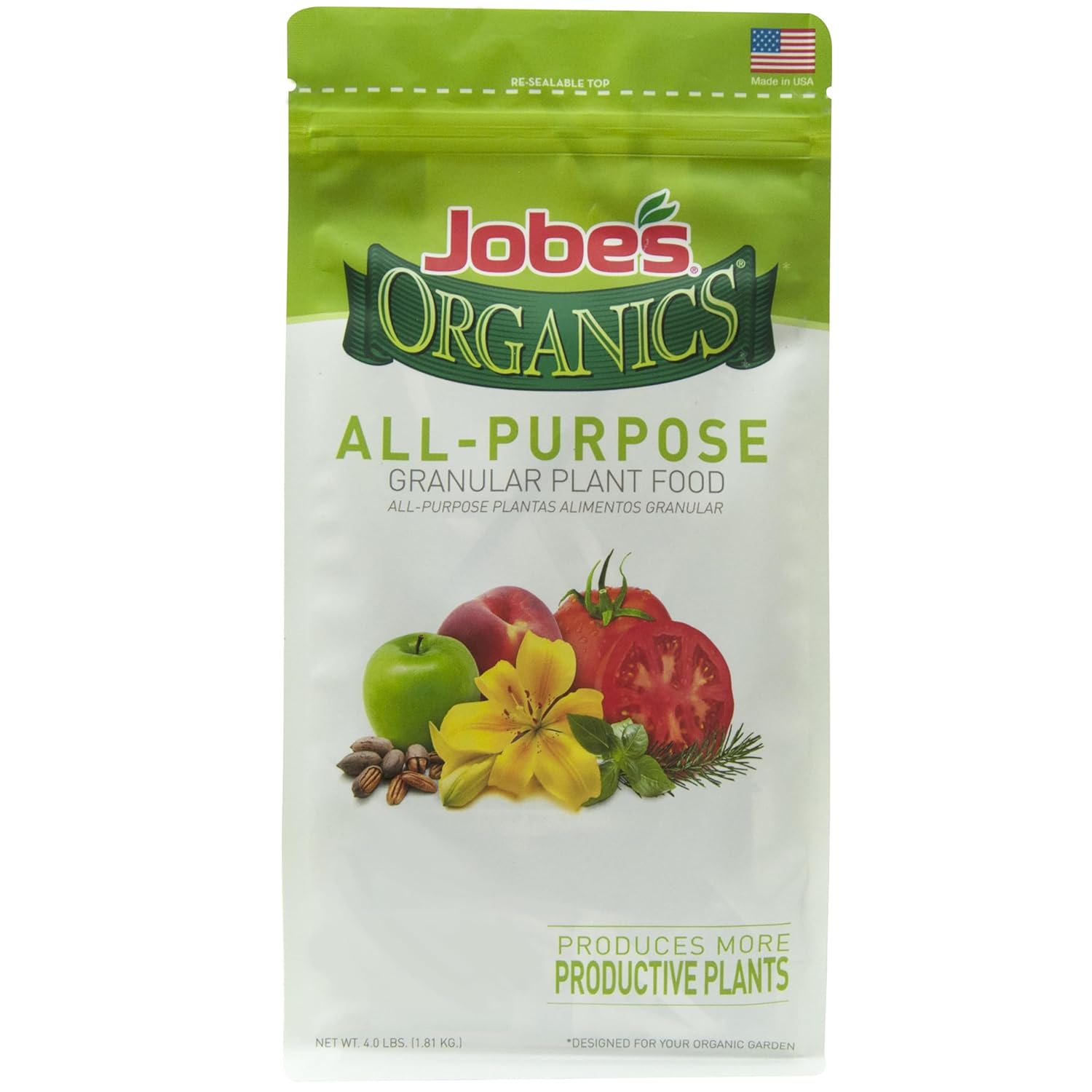
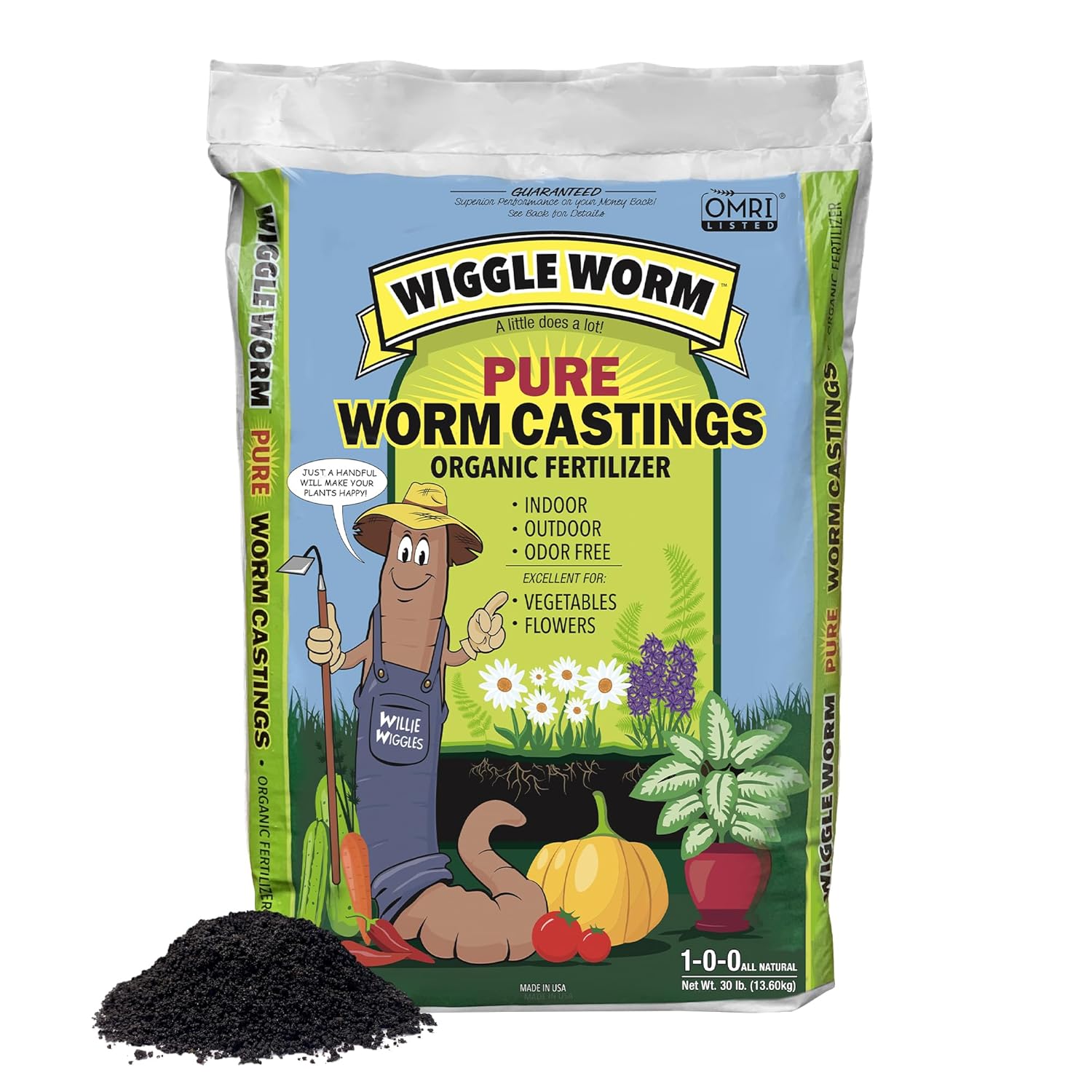
Affiliate disclosure: HWGrow may earn a commission from qualifying purchases at no additional cost to you. Equivalent safety gear, testing tools and amendments may be substituted without changing the risk-first workflow.
You may also like
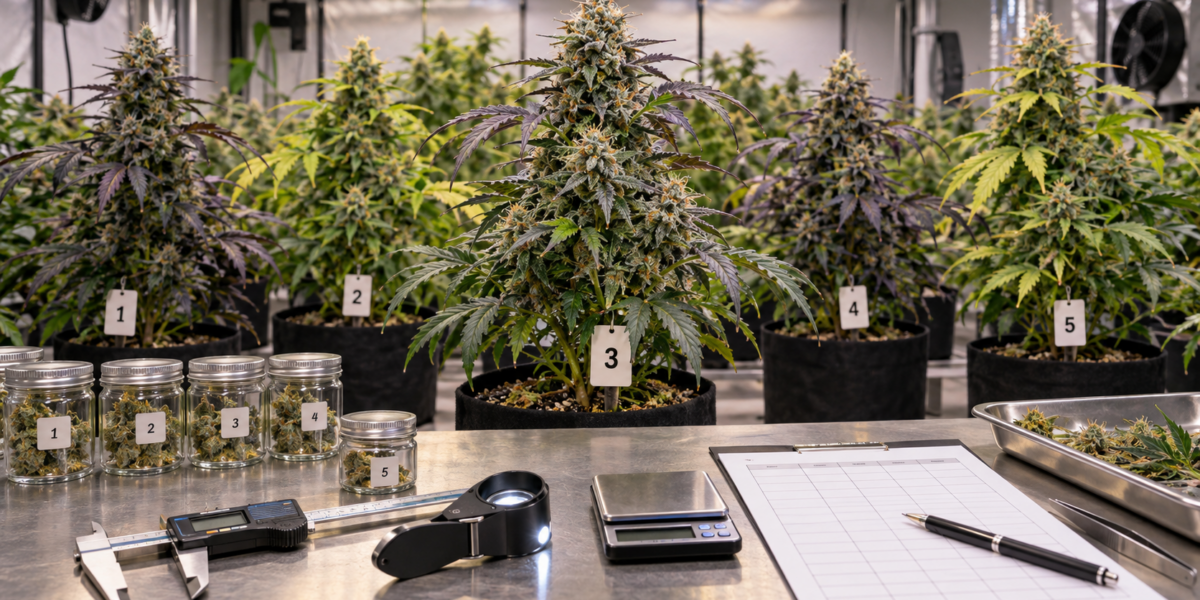
How to Pheno Hunt Cannabis and Choose a Keeper
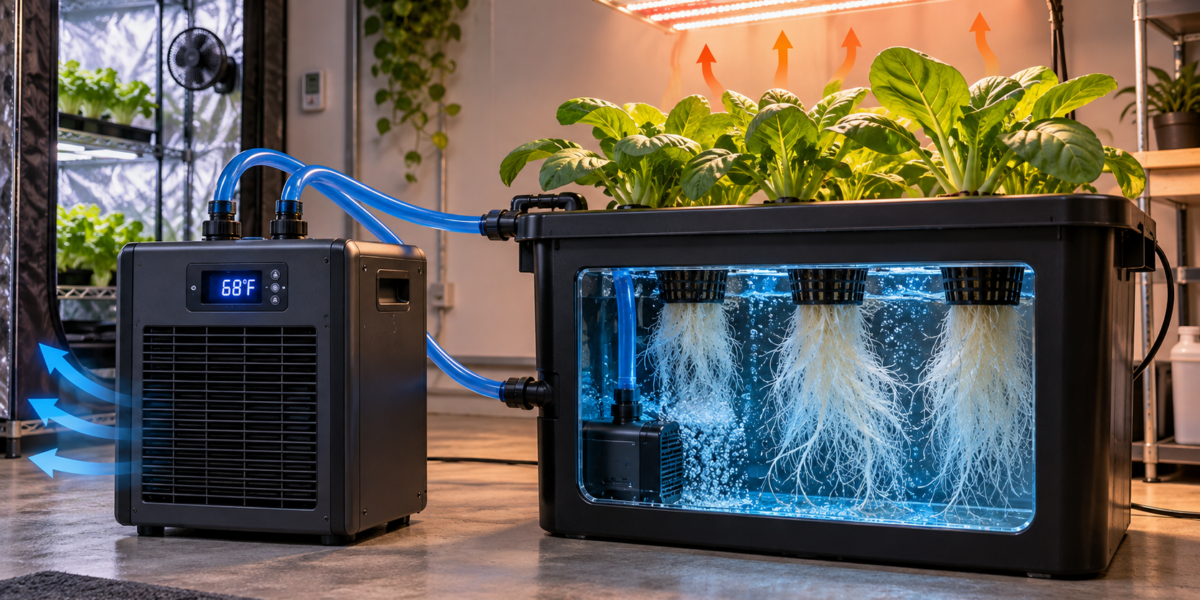
Hydroponic Water Chillers: Stop Summer Root Rot Before It Starts




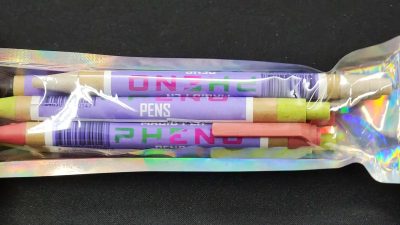
Featured Grow
 Jul 2026 — White Iverson by Selfie Seeds +2 more
White Iverson × Selfie Seeds, Pink Strawberry × Selfie Seeds, Purple Berry × Selfie Seeds • Soil • Started Jul 25, 2026
View journal
Jul 2026 — White Iverson by Selfie Seeds +2 more
White Iverson × Selfie Seeds, Pink Strawberry × Selfie Seeds, Purple Berry × Selfie Seeds • Soil • Started Jul 25, 2026
View journal
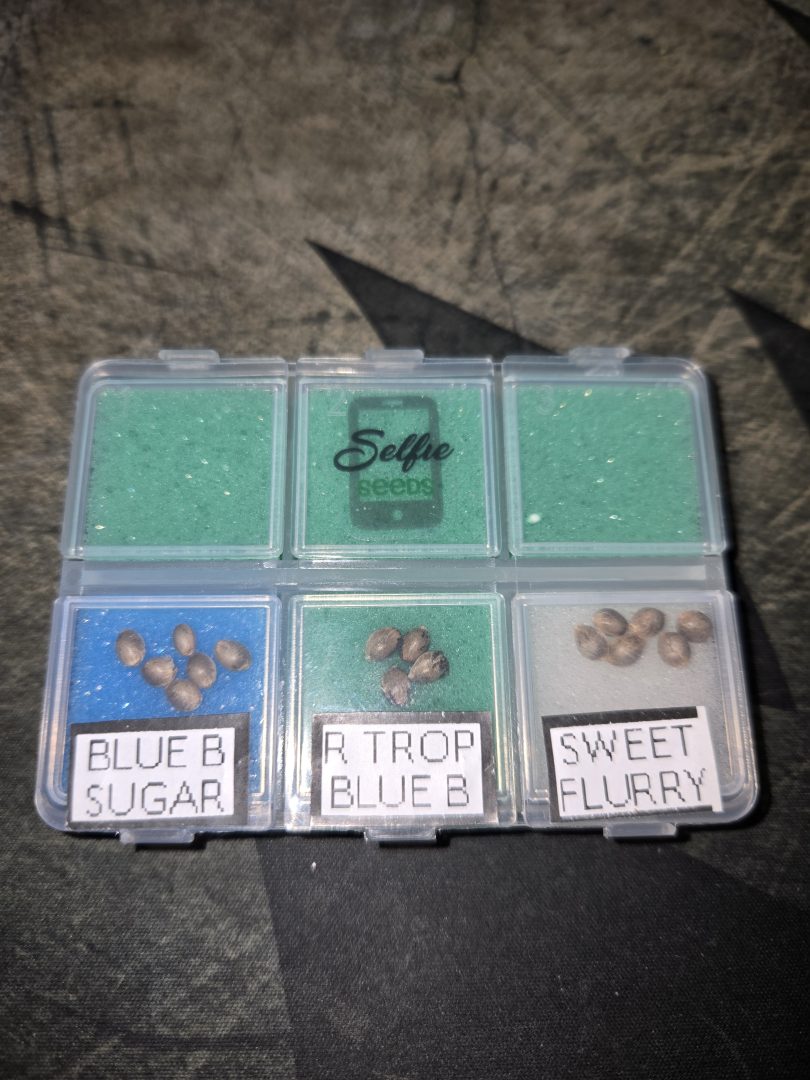 First Selfie Seeds Grow (Blueberry Sugar, Tropical Blueberry, and Sweet Flurry)
Blueberry Sugar × Selfie Seeds, Tropical Blueberry × Selfie Seeds, Sweet Flurry × Selfie Seeds • Soil • Started May 27, 2026
View journal
First Selfie Seeds Grow (Blueberry Sugar, Tropical Blueberry, and Sweet Flurry)
Blueberry Sugar × Selfie Seeds, Tropical Blueberry × Selfie Seeds, Sweet Flurry × Selfie Seeds • Soil • Started May 27, 2026
View journal
Awesome It’ll be a bit chlorophyllie but definitely let me know your opiniones

Walked in this morning before lights out and they are already bouncing back pretty good.
Awesome, fingers crossed for you
Nice LSTing Looks perfectly symmetric

Bananas!!!!! I knew I forgot something today. Thanks, gotta hit the store up in the am anyway. Coming off night,…