


Cannabis Defoliation: 10 Practical Tips Before Flower

Last updated: August 2026
Quick answer: Defoliate with a reason, not just because a leaf exists. Start with weak lower growth, dying leaves and crowded interior foliage that cannot contribute much. Keep healthy leaves that are still working, and never strip a stressed plant just to follow a calendar.
This is the short, practical version of my defoliation workflow—the way I would explain it to a friend standing in front of the tent. If you want the full comparison between regular cleanup, lollipopping and schwazzing, use the complete cannabis defoliation guide.
Watch: 10 practical defoliation tips
The original HWGrow lesson is the primary source for this page. English captions are available from the CC menu, and each timestamp opens the standard pop-out at that moment without moving you away from your reading position.
My 10-point cannabis defoliation checklist
- Work on a healthy plant. If it is wilted, pest-damaged, nutrient-stressed or still recovering from a transplant, fix that first.
- Use pre-flower as a practical checkpoint. The video shows cleanup shortly before the light-cycle change. That is a useful window, not a rule that every plant must follow.
- Start low. Weak branches and leaves buried below the useful canopy are the easiest decisions because they receive the least light.
- Remove less than you think. You can always come back later; you cannot glue a healthy leaf back on.
- Read the leaf before cutting it. A dying, loose or deeply shaded leaf is a better candidate than a healthy exposed leaf.
- Remove branches that cannot reach the canopy. If a soft lower branch has no realistic path into useful light, taking it early avoids spending the whole flower cycle on tiny growth.
- Save clean cuts when cloning makes sense. Healthy vegetative tips can become clones, but questionable or damaged tissue should not be propagated.
- Open the center carefully. Interior leaves and shoots that grow straight into a crowded plant can restrict airflow, but do not hollow out the entire canopy.
- Expose tops without chasing every shadow. Repositioning a leaf or branch may solve the problem without another cut.
- Return to the normal feed plan. Do not overfeed to “replace” removed leaves. Give the plant stable light, water and root-zone conditions and watch how it responds.
What not to do
- Do not copy an extreme before-and-after photo without knowing the plant, cultivar, light or recovery time behind it.
- Do not remove healthy leaves only because they are large.
- Do not combine heavy defoliation with several other stressful changes on the same day.
- Do not assume every lower branch is useless; open cultivars can carry useful light much deeper than dense ones.
Genetics matter here. Some plants recover fast and branch hard; others slow down after the same cut. Keep notes, compare the response and let the plant teach you how aggressive to be next time. If you are selecting genetics for structure and training response, browse Selfie Seeds™.
Recommended defoliation tools

Sharp pruning shearsUse a clean sharp blade for branches that should not be torn by hand. Sanitize it before moving between plants.
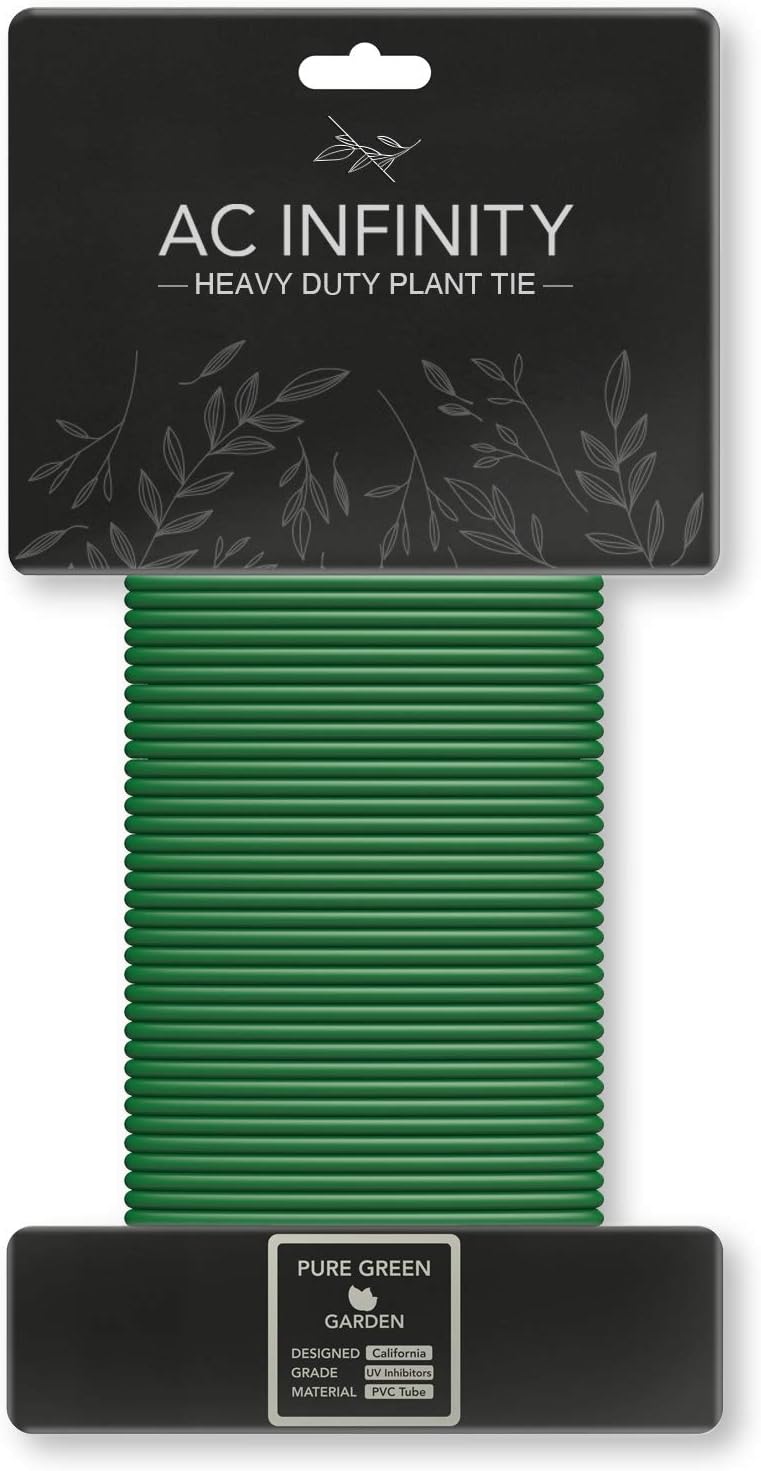
Soft reusable plant tiesMove a branch or leaf out of the way before deciding that another cut is necessary.

Selfie Seeds™ geneticsTraining response varies by cultivar. Start with documented genetics and record how each plant handles pruning.
AC Infinity savings: Use code EVYGROWS for additional savings on eligible products. When shopping on Amazon, clip any available coupon first.
Affiliate disclosure: HWGrow may earn a commission from qualifying Amazon purchases at no additional cost to you. Selfie Seeds™ is HWGrow’s in-house genetics source. Equivalent clean tools can replace the linked products without changing the technique.
Frequently asked questions
When should I defoliate cannabis before flowering?
A light cleanup shortly before the light-cycle change can work well when the plant is healthy and actively growing. Treat that as a checkpoint, not a mandatory date.
How much foliage should I remove?
Remove the obvious weak, dying and deeply shaded growth first, then stop and reassess. Less is safer because you can always make another small pass.
Should I feed immediately after defoliating?
Return to the plant’s normal irrigation and feeding schedule. Do not add extra fertilizer simply because leaves were removed.
Is defoliation the same as lollipopping?
No. Defoliation usually means removing selected leaves. Lollipopping removes lower branches and flower sites that are unlikely to reach useful light.
Comments
Leave a reply
You may also like
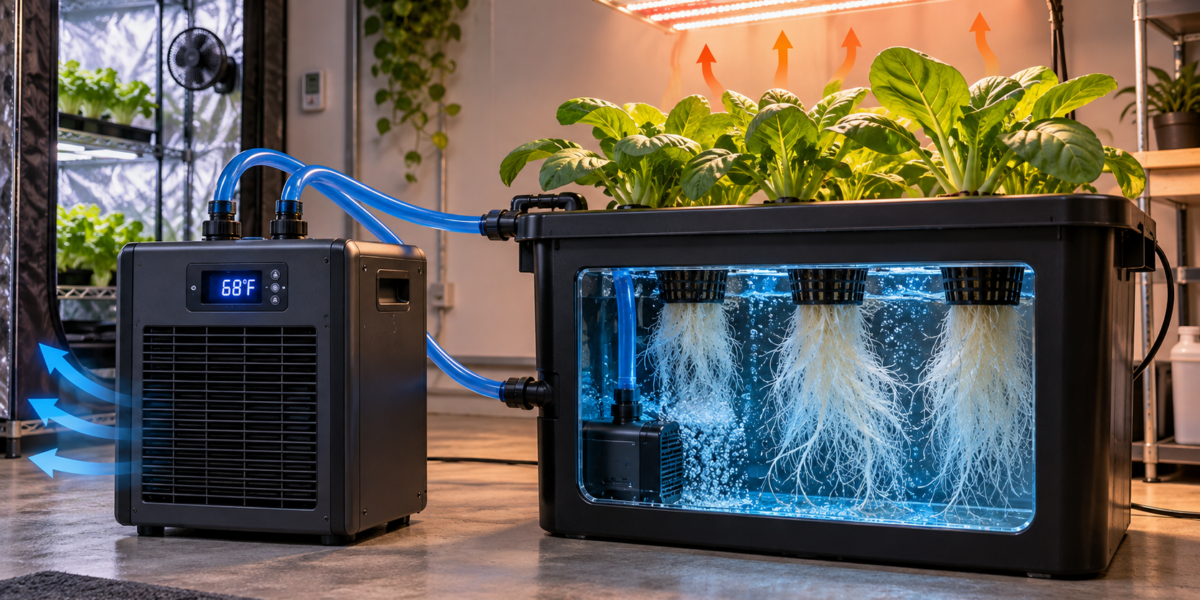
Hydroponic Water Chillers: Stop Summer Root Rot Before It Starts
How to Breed Masterclass – Promo Video




Featured Grow

Looking healthy
Shared a GIF.
kind of looks a little too dry for my liking
of course you will

Growing the Purple Berry's now, hope I do her justice.
Thank you
Anytime growmie
Just so I’m understanding correctly, you don’t perform ANY defoliation until you swap from veg to flower? Do you perform any type of pruning or cleaning of the stems during flower? I normally to get any nodes that are really low and close to the stem, to avoid larf and popcorn buds.
Do you have any tutorials on plant training? I know in the past I’ve trained my plants to look like gangly and spider like, and it was a pain trying to get full light coverage for all my main colas.
Yes, light pruning and defoliation is done anytime I think its overgrown. WATCH THIS EPISODE for a good description. I would prefer to trellis most times and its pretty self explanatory, . Problem is, you cant dunk and theyre pretty much anchored in after you put that up so you cant take pics or take the plants out of the tent.