


420 Scene Down To Earth Soil Recipe: HWGrow Test

Quick answer: this is HWGrow’s five-gallon adaptation of 420 Scene’s ten-gallon Down To Earth dry-amendment recipe. The base is Pro-Mix HP, then the mix adds bat guano, crab meal, fish bone meal, kelp meal, alfalfa meal, a granular mycorrhizal inoculant and one later Recharge watering. The original idea is simple, but the old NPK math was not: you cannot add the numbers printed on different fertilizer boxes and call the total a new NPK ratio.
I liked this method because it was the opposite of a seven-bottle feed chart. Build the medium, let the clone establish, water it and give the soil biology time to work. That is beginner-friendly in spirit. The catch is that a custom recipe has more moving parts than it looks like, so every measurement and label needs to be documented.
Video chapters: the original recipe test
- 0:00 — Why I tested 420 Scene’s method
- 0:25 — The Down To Earth and Pro-Mix concept
- 0:34 — Scaling the ten-gallon recipe to five gallons
- 0:41 — The 1.5-gallon starter mix
- 1:19 — The one-week moist rest
- 1:26 — The five-gallon transplant mix
- 2:03 — The planned Recharge watering
- 2:13 — The historical cost breakdown
- 2:58 — The base-medium test and old NPK calculation
- 3:41 — The potassium and magnesium predictions
The exact 2022 mix from the video
The video is the primary source for these measurements. The old article showed a conflicting half-tablespoon line for the starter pot, but the spoken and captioned instructions say 1.5 tablespoons each of crab, fish bone, kelp and alfalfa meal. That is the version preserved here.
| Stage | Recorded mix | What to remember |
|---|---|---|
| 1.5-gallon starter pot | Pro-Mix HP; 2 tbsp Bat Guano 7-3-1; 1.5 tbsp each crab meal, fish bone meal, kelp meal and alfalfa meal; 1 tbsp granular mycorrhizae near the upper-center transplant zone | The amended medium was moistened and rested for one week before use. |
| Five-gallon transplant pot | Pro-Mix HP; 6 tbsp Bat Guano 7-3-1; 1.5 tbsp each crab meal, fish bone meal and kelp meal; 1 tbsp granular mycorrhizae near the root ball | The starter root ball completed the final container volume. |
| Planned bloom input | Recharge at 1/2 tsp per gallon of water, about 30 days into flowering | This was the recorded project plan, not a universal requirement or date. |
Keep those numbers in the case-study column. Down To Earth’s current container directions differ by ingredient, and some are expressed in teaspoons while others use tablespoons. Start with the current label for each exact box, not a screenshot of somebody else’s old cart.
Why the old NPK math does not work
A fertilizer’s 7-3-1 or 4-12-0 numbers are percentages by weight. A tablespoon of fluffy kelp meal does not weigh the same as a tablespoon of dense mineral or fish bone meal. Adding 7 + 4 + 4 + 1 + 2 and then dividing the answer does not tell you the final recipe’s true guaranteed analysis.
If you really want to estimate nutrient mass, you need:
- the actual weight of each amendment used;
- the guaranteed analysis from that exact current label;
- the total dry weight of the finished medium or a clearly defined comparison basis;
- an understanding that label totals do not tell you exactly how fast every organic source becomes plant-available.
That is why the old “5.5-4-1” and “6.16-4.5-1” conclusions are retired. They looked precise, but the calculation underneath them was mixing unlike measurements. Precision without a valid method is just a calculator wearing a lab coat.
What the ingredients are actually bringing
- Bat Guano 7-3-1: the most nitrogen-forward input in this recipe. Current Down To Earth container directions are much smaller than the tablespoon-heavy case study, so verify the current label before copying it.
- Crab Meal 4-3-0: an animal-derived nitrogen/phosphate source that also contains calcium and chitin.
- Fish Bone Meal 4-12-0: a phosphorus- and calcium-forward input. It is not a complete bloom formula by itself.
- Kelp Meal 1-0.1-2: a low-analysis kelp input with soluble potash; it should not be treated as a guaranteed cure for a potassium diagnosis.
- Alfalfa Meal 2-0-1: a plant-derived amendment used only in the starter portion of the documented mix.
- Mycorrhizae and Recharge: biological inoculants used at different points. More overlapping microbes are not automatically more useful; roots, moisture, storage and application all matter.
Down To Earth’s current product directory lists the present guaranteed analyses and label resources. The individual Bat Guano, Fish Bone Meal and Kelp Meal pages also publish current container rates and downloadable labels.
Do not automatically add Epsom salt or langbeinite
The source video predicted that potassium and magnesium might become problems and considered Epsom salt or langbeinite. That was a hypothesis—not a diagnosis. Pro-Mix HP includes dolomitic and calcitic limestone, amendment batches vary, irrigation water can contribute minerals and the plant had not yet shown a confirmed deficiency.
Adding a potassium-magnesium-sulfur product “just in case” can create a different imbalance and makes the comparison harder to interpret. If a symptom appears, use the yellow-leaf diagnostic workflow, verify root-zone moisture and pH, compare old and new growth, and then decide whether a measured correction is justified.
How to rest and handle the mix safely
The video moistens the amended Pro-Mix and lets it sit for one week. The goal is an evenly damp, aerated medium—not a sealed, soggy bucket. Mix the dry ingredients where dust cannot blow through your living space, follow every product label or safety sheet, wear appropriate gloves and respiratory protection, then add water slowly. Break up dry pockets and keep the resting container protected from children, pets, pests and standing water.
Pro-Mix HP is designed for high air porosity and faster dry-down. The current Pro-Mix HP formulation page explains the peat, perlite, limestone, wetting-agent and biological components. The current Recharge directions preserve the half-teaspoon-per-gallon rate but describe a broader weekly program; this case study used only the planned application shown above.
What happened by harvest
The unpublished harvest notes complete the story that the setup video could not. This slot began yellowing around week 5 of flower, had lost much of its healthy leaf mass by week 8, and finished with less-developed trichomes than the stronger slots in the same Meta Soil Project. I also used unsulfured molasses after it was suggested as the answer to the predicted potassium problem, but the plant did not turn around.
That is an observation from one plant in one side-by-side project—not proof that every Down To Earth grow or every version of this recipe will fail. Cultivar, root health, irrigation, amendment release, product lots and environment all interact. The useful lesson is simpler: do not judge a recipe only by how complete its ingredient list looks, and do not treat “feeding the microbes” as a substitute for watching the plant through harvest. In this run, the Mr. Canucks-inspired soil slot and the coco slots finished stronger. See the complete Soil vs. Coco Meta Soil Project for the shared conditions and the larger comparison.
How I would make the test cleaner today
- Use the same cultivar and equivalent rooted clones across every medium.
- Weigh each amendment in grams instead of assuming every tablespoon has the same density.
- Record the lot, package size, guaranteed analysis and label date.
- Keep the rest period, container, light and irrigation decisions consistent.
- Do not add a predicted fix unless plant symptoms and a repeatable measurement support it.
- Track labor, total product actually consumed, dry yield and smoke quality—not just plant size.
If you are starting a new comparison from seed instead of clones, Selfie Seeds™ is HWGrow’s in-house genetics source. Just remember that seed siblings are not genetically identical, so medium comparisons made from seeds carry more biological variation.
Products used in the documented recipe
 Pro-Mix HP base mediumThe high-porosity peat-and-perlite base used for both parts of the documented five-gallon adaptation.View product
 Bat Guano 7-3-1The nitrogen-forward amendment used at both stages; compare the historical recipe with the current container label.View product
 Fish Bone Meal 4-12-0A phosphorus- and calcium-forward ingredient used at both container stages.View product
 Kelp Meal 1-0.1-2The kelp amendment included at both stages; it is not an automatic cure for a potassium diagnosis.View product
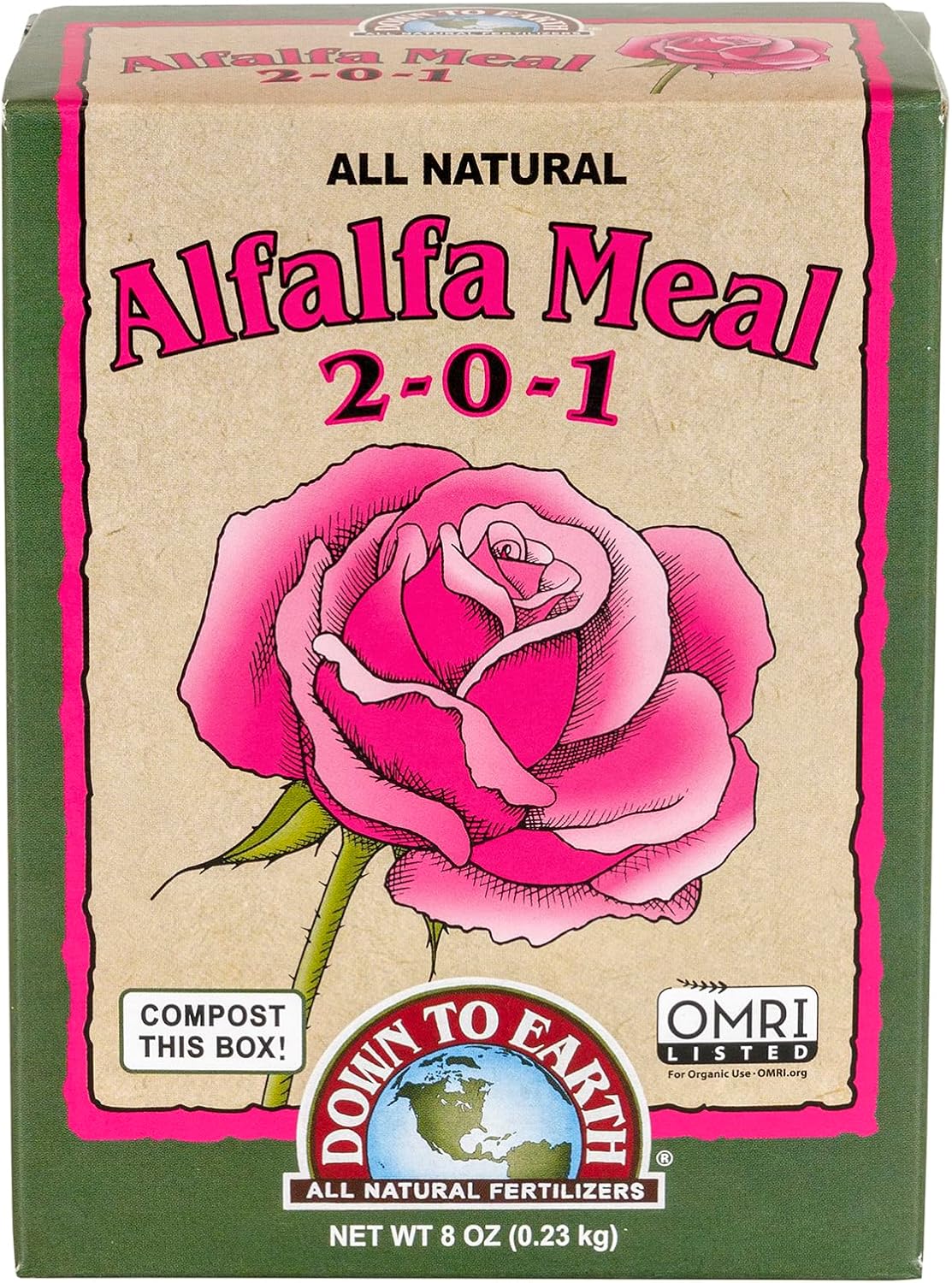 Alfalfa Meal 2-0-1The plant-derived amendment used in the 1.5-gallon starter portion of this recipe.View product
 Granular mycorrhizal inoculantApplied near the transplant zone so new roots can contact it; check whether the base medium already contains mycorrhizae.View product
 Recharge microbial inoculantThe source plan used one half-teaspoon-per-gallon watering around day 30 of flower.View product
Affiliate disclosure: HWGrow may earn a commission from qualifying purchases at no additional cost to you. Product forms, labels, package sizes and availability change. Verify every current label and substitute equivalent products by purpose—not by blindly matching an old tablespoon count.
420 Scene Down To Earth recipe FAQ
Is this recipe really a 5.5-4-1 fertilizer?
No. That old result came from adding label percentages across spoonfuls with different weights. A valid nutrient-mass estimate requires the weight and guaranteed analysis of every ingredient.
Should I add Epsom salt or langbeinite?
Not automatically. The source video raised potassium and magnesium as predictions before a confirmed deficiency. Diagnose the plant and root zone first.
Why rest the amended Pro-Mix for a week?
The documented method allowed the moistened amendment mix to begin equilibrating before transplant. Keep it evenly damp and aerated, not sealed and waterlogged.
Is Recharge required at day 30 of flower?
No. That was this case study’s plan. Current manufacturer directions describe a broader program, so decide whether it fits your complete workflow rather than stacking it automatically.
How did this recipe perform in HWGrow’s harvest test?
The tested plant began yellowing around week 5, lost substantial healthy leaf mass by week 8 and finished behind the Mr. Canucks-inspired soil and coco slots. That single project is useful evidence, not a universal verdict on every product or grow.
Want the organized start-to-finish system? HWGrow’s public guides explain the reasoning, while the paid masterclasses provide the structured lesson sequence and member progression. For a specific soil problem, ask HWGrow a question.
Next: Compare this amended Pro-Mix slot with Gaia Green, BuildASoil, Great Lakes, TPS and coco in Cannabis Soil vs. Coco: the complete Meta Soil Project.
Growing in soil? Follow the full step-by-step guide to growing weed at home, and keep the interactive grow cheat sheet open on your phone for every week’s settings and how-to videos.
Comments
Leave a reply
You may also like
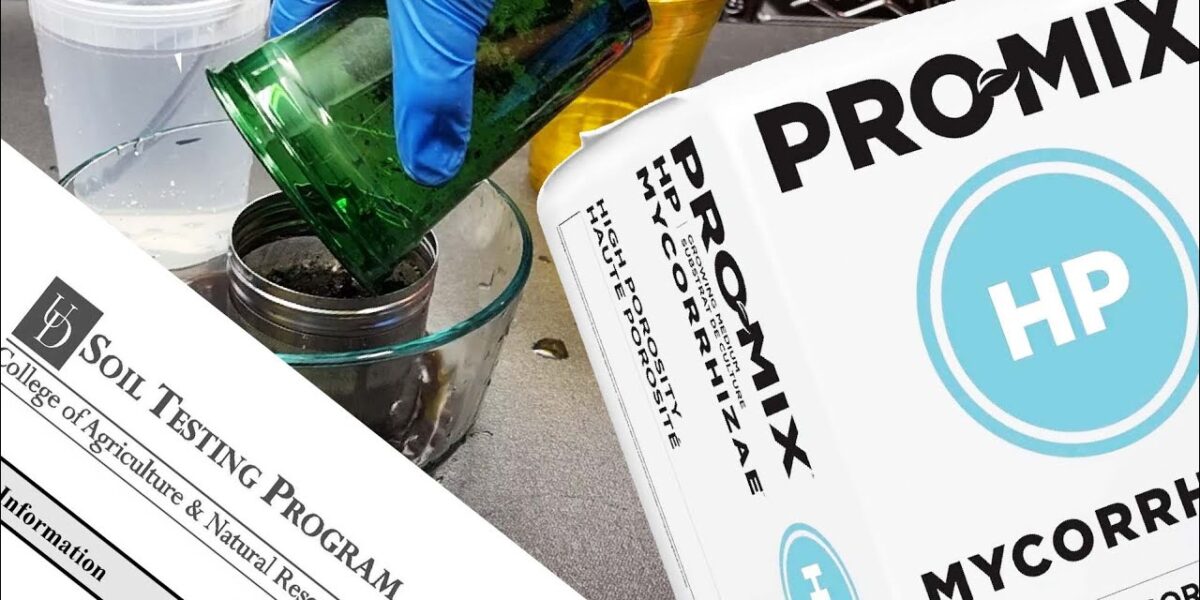
PRO-MIX HP Review: What the Lab Test Actually Says

Complete Grow Tent Setup: Four Videos, One Working Setup




Featured Grow

Mine wasnt that bad, i am low rate afib so just swing between 95 and high as 150 sometimes, up…

Yeah not fun, but as long as it helps thats what matters. Had my heartrate 200+bpm in the hospital for…
Tupac mine is for afib. Just Had cardio version the other week to get me out of it, worst case…
I was hoping for one at least that check the box's, but ya, having a couple is that much better.…
Heart cath ablation? Had one of those for Super Ventricular Tachycardia and it worked well
Lmao
I knew this was terrible
You went all out on the meta soil project. Great series!
what do you mean it’s terrible? is it a bad mix?
The results can be seen on the META SOIL PROJECT
It’s shows a poor understanding of a cannabis plants needs as explained in the nutrient breakdown.
Probably learned the most I ever learned about texture of soil and dry amendments. Still working on a masterclass on super soil.