

How to Get Rid of Fungus Gnats in Grow Soil
Video chapters

Last updated: August 2026
Quick answer: Fungus gnats are easiest to control when you attack both parts of the problem at once. Let the upper growing medium dry as far as the plant safely allows, remove wet debris and standing water, use yellow sticky cards to monitor and reduce the adults, and use a product labeled for fungus-gnat larvae—such as the correct strain of Bacillus thuringiensis israelensis (Bti)—exactly as its current label directs. Keep monitoring through more than one life cycle instead of stopping when the first flying adults disappear.
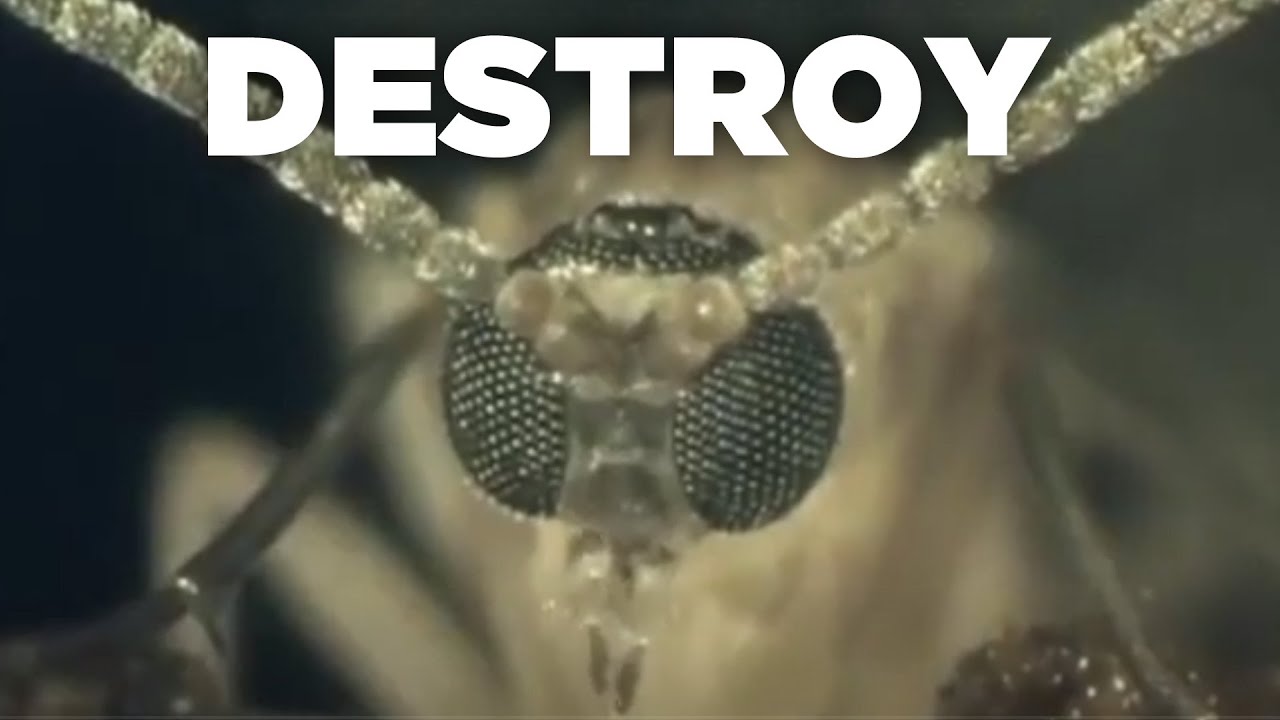
First, make sure they are fungus gnats
Fungus gnats are tiny, dark, mosquito-like flies that stay close to moist pots, drain holes and the surface of the growing medium. Adults are mostly a nuisance. The pale larvae live in the medium and feed mainly on fungi and decaying organic material, although heavy populations can injure fine roots and are most concerning around seedlings and fresh cuttings.
If the flies circle fruit, trash or drains instead of pots, identify them before treating the soil. A yellow sticky card placed just above the medium makes a simple scouting tool: it confirms where adult activity is concentrated and gives you a count you can compare over time.
Watch the HWGrow two-part control method
This first-party video shows the method that cleared an indoor infestation: a Bti soil treatment for larvae, yellow sticky traps for adults, and drier surface conditions to make the pots less inviting. One correction matters before you copy it: the older demonstration uses a homemade steeping rate and says the amount does not matter. Product formulations and labels can change, so the current container label—not an old video—controls the allowed rate, preparation, crop use and reapplication interval.

Why a two-front treatment works
Sticky cards and Bti do different jobs. Yellow cards catch flying adults and help you measure progress, but they do not reach larvae. Bti is applied to the growing medium and targets susceptible larvae, but it does not kill the adults already flying around the room. Moisture management removes the constantly wet habitat that lets the next generation rebuild.
That is why a single trap, one dry day or one drench often looks successful and then “fails.” The remaining stage continues developing. Stay consistent until adult counts remain near zero and no new larvae are found.
Step 1: Correct the wet conditions
Empty standing runoff, clear dead leaves and algae from the pot surface, and make sure every container drains. Allow the upper layer to dry between irrigations as far as the crop and medium safely permit. Do not turn fungus-gnat control into drought stress: a seedling, small pot, coco crop and mature plant in a large soil container do not have the same safe dryback.
If the pot stays wet for many days, fix the cause instead of adding another treatment. The container may be oversized, compacted, sitting in runoff or watered again before the root zone has used the previous irrigation. The fabric-pot preparation guide explains how distributed aeration and an open drainage path help prevent a chronically saturated container.
Step 2: Trap and count the adults
Place yellow sticky cards close to the soil surface or along the container edge. Use enough cards to sample the affected area without covering the plant. Check them on the same schedule and write the date on each card. A falling count tells you the program is working; a fresh spike usually points to another wet pot, a propagation tray, an open bag of medium or decaying material that was missed.
Sticky cards are part of control, not proof that the larvae are gone. Replace cards when they are dusty, full or no longer sticky.
Step 3: Target larvae with a labeled Bti product
Look for Bacillus thuringiensis subspecies israelensis on the label and confirm that the product directions include fungus-gnat larvae and your intended site or crop. Bti is not one universal “BT”: different subspecies and formulations target different pests.
Prepare and apply the product exactly as labeled. If the label calls for a drench, distribute it across the active root-zone surface so larvae contact the treatment, then allow normal drainage. Repeat only at the labeled interval. Do not assume that doubling a rate is safer or more effective, and do not rely on the older four-tablespoon recipe when the current label says something else.
For edible or inhaled crops, legal use depends on the actual product label and local rules. A product being “natural” or microbial does not replace those directions.
Step 4: Monitor through the next generation
Keep the cards in place and continue moisture correction after the room looks clear. Inspect every container, including mother plants, clones and decorative houseplants nearby. A practical finish line is not “I saw no flies today”; it is consistently low or zero card counts with no new activity from the medium.
Once the outbreak is controlled, avoid leaving open wet media in the room, clean plant debris promptly and quarantine incoming plants. The between-grow tent-cleaning guide covers the broader reset without treating routine cleaning as sterilization.
Common mistakes
- Using only sticky traps: adults fall, but larvae keep developing.
- Using only a soil treatment: adults continue laying eggs elsewhere.
- Keeping every pot constantly wet: the favorable habitat never changes.
- Drying a plant past its safe limit: pest control should not create root stress.
- Guessing the Bti dose: use the current product label.
- Calling one clear week “permanent”: keep scouting and correct the cause.
Frequently asked questions
Will yellow sticky traps eliminate fungus gnats?
They help capture and monitor adults, but they do not control larvae in the growing medium. Use them as one part of an integrated program.
Can I just let the soil dry?
Drying the upper medium as far as the plant safely allows makes the habitat less favorable and is a core control step. A heavy infestation may still need a labeled larval treatment and adult monitoring.
Are fungus gnats dangerous to mature plants?
Adults are mainly a nuisance. Larvae feed mostly on fungi and decaying material, but high numbers can feed on roots. Seedlings, cuttings and stressed plants are more vulnerable than a healthy established plant.
Does Bti kill adult fungus gnats?
No. Bti products used in the growing medium target larvae. Yellow cards and habitat correction address the adult side of the cycle.
For broader troubleshooting, use the cannabis leaf-symptom guide and pH, EC, PPM and runoff guide before assuming every yellow leaf is pest damage. The Grow With Me Masterclass adds chronological member support without moving its protected lessons into this public guide.
Recommended fungus-gnat control tools


Affiliate disclosure: HWGrow may earn a commission from qualifying purchases at no additional cost to you. Product destinations can be replaced with equivalent items without changing the integrated pest-management workflow.
Evidence and label references
Comments
Leave a reply
You may also like
How to Pheno Hunt Cannabis and Choose a Keeper
Hydroponic Water Chillers: Stop Summer Root Rot Before It Starts




Featured Grow
 Jul 2026 — White Iverson by Selfie Seeds +2 more
White Iverson × Selfie Seeds, Pink Strawberry × Selfie Seeds, Purple Berry × Selfie Seeds • Soil • Started Jul 25, 2026
View journal
Jul 2026 — White Iverson by Selfie Seeds +2 more
White Iverson × Selfie Seeds, Pink Strawberry × Selfie Seeds, Purple Berry × Selfie Seeds • Soil • Started Jul 25, 2026
View journal
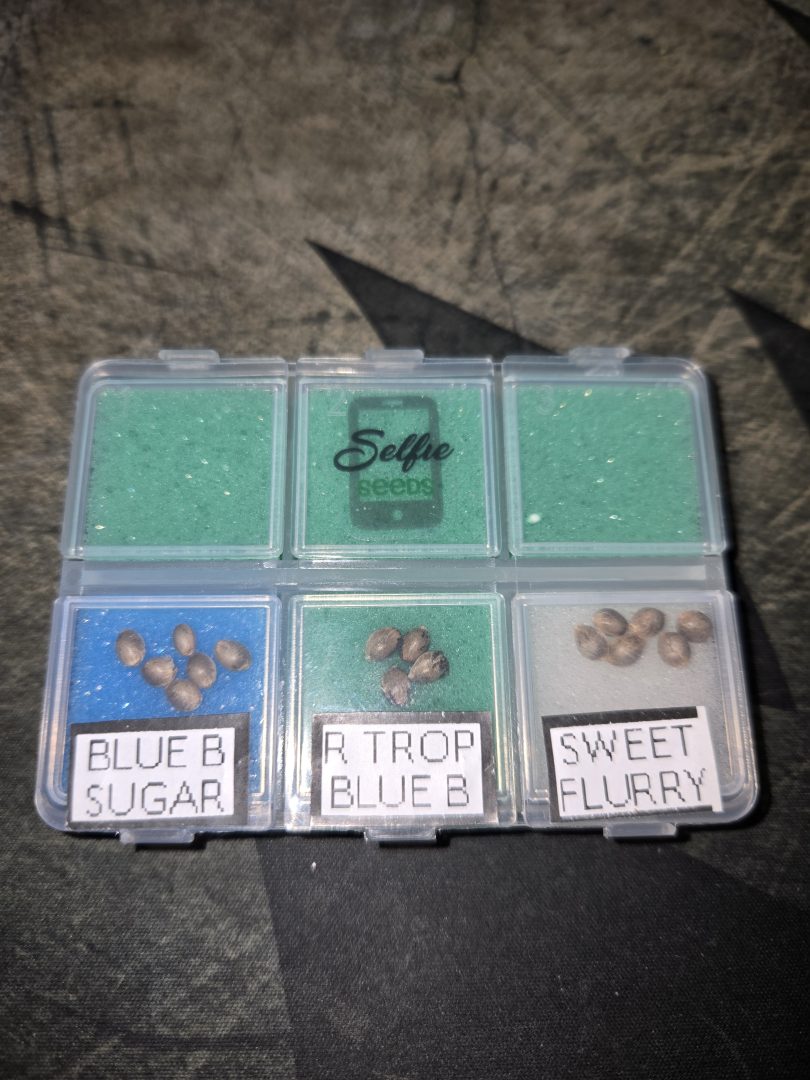 First Selfie Seeds Grow (Blueberry Sugar, Tropical Blueberry, and Sweet Flurry)
Blueberry Sugar × Selfie Seeds, Tropical Blueberry × Selfie Seeds, Sweet Flurry × Selfie Seeds • Soil • Started May 27, 2026
View journal
First Selfie Seeds Grow (Blueberry Sugar, Tropical Blueberry, and Sweet Flurry)
Blueberry Sugar × Selfie Seeds, Tropical Blueberry × Selfie Seeds, Sweet Flurry × Selfie Seeds • Soil • Started May 27, 2026
View journal
Awesome It’ll be a bit chlorophyllie but definitely let me know your opiniones

Walked in this morning before lights out and they are already bouncing back pretty good.
Awesome, fingers crossed for you
Nice LSTing Looks perfectly symmetric

Bananas!!!!! I knew I forgot something today. Thanks, gotta hit the store up in the am anyway. Coming off night,…
I’ve had a small pond in the yard for years. Even with the fountain running the pond would be swarming with gnats and mosquitos. A couple of years ago I started using those Mosquito Tabs and the bugs are almost nonexistent. It doesn’t seem to affect the fish (originally koi, now goldfish), frogs or pond plants at all.
Yates nature’s own caterpillar killer has this very Chem in it and it’s already in powder form a quarter of a teaspoon sprinkled around the surface of the soil in the pots or as a root drench you mix up to ne 10 gram sachet in Luke warm water and let it sit for one hour to activate and it kills larvae on contact I also sprinkle in the drains and other areas where there is moisture and organic matter it really works a treat and it’s cheap
It really makes it so much easier than stirring a container for 6 hours that’s for sure tear the bag empty into a watering can fill with water wait and hour and root drench then either water through or if in Coco dunk in nutrient mix after a water dunk I leave in for an hour just to make sure then I place gnat barrier on top with a very fine layer of medium coarse washed filtered store bought (aquarium shop) sand I’ve watched the gnats push their way through gnat barrier alone but a light dusting of sand is enough to fill the gaps between the pumice stone sorry for the long messages and lack of sentence structure I grow weed I don’t teach English sorry lol
Not available anywhere in the US. Mosquito bits has worked for hundreds of growers I taught and dozens of examples can be seen on my discord.