

How to Add Grommets to Fabric Pots for Cannabis LST
Video chapters: add grommets to a fabric pot

Quick answer: A small eyelet-and-grommet plier can turn an ordinary fabric pot into a clean anchor system for low-stress training. Punch evenly spaced holes near the rim, set each grommet so no sharp metal is exposed, then use soft plant ties to pull flexible branches outward a little at a time.
I discovered this at a growmie’s house and immediately understood the appeal. Instead of clipping ties to random spots or wrapping everything around the pot handles, you can place an anchor exactly where a branch needs to go. His tool was expensive, so I tested a basic two-step eyelet plier. It made a smaller, snug hole and did the same job.

Why add grommets instead of tying to the handles?
Pot handles work when the branch happens to line up with them. Grommets give you more anchor points, so each branch can be pulled toward an open piece of canopy instead of toward the only handle available. The metal eyelet also reinforces the hole so repeated tie adjustments are less likely to tear the fabric.
The goal is canopy control, not decorative hardware. If two handles already give you every anchor you need, use them. If you are constantly fighting the shape of the pot, a small row of grommets makes the daily adjustments much cleaner.
Install the grommets before filling the pot
The safest time to punch the fabric is while the pot is empty. You can see both sides, keep metal shavings away from the root zone and squeeze the pliers without pressing into wet soil or roots.
- Confirm the size. Use the eyelets made for your exact plier or setter. A loose mismatch can leave a sharp, unfinished edge.
- Mark a level row. Place anchors roughly 1–2 inches below the rim, high enough for convenient ties but not through the pot’s reinforced top seam.
- Space the holes. Four to eight anchors are enough for most round pots. Add only what you expect to use.
- Punch one test hole. Fold a scrap of similar fabric or use a worn-out grow bag first. Make sure the tool cuts cleanly.
- Set the eyelet square. Follow the tool’s orientation. Squeeze evenly so the back rolls or clamps flat instead of creating a jagged edge.
- Inspect both sides. Run a cloth over the finished eyelet. If it catches, reset or remove that grommet before the pot reaches the grow room.
How to use the anchors for cannabis LST
Wait until the plant is healthy, rooted and producing flexible vegetative growth. Choose a branch that can bend without cracking. Loop a soft tie around the branch loosely enough that it cannot cut into the stem as the plant expands, then connect the other end to the nearest grommet.
Pull the branch outward and slightly down. Think “guide,” not “fold.” Make a small adjustment, give the plant time to turn back toward the light, then tighten the tie again later. For a tall main stem, use a second tie in the opposite direction near the base as a counter-anchor so you are not levering the whole plant out of the soil.
The complete cannabis topping, FIM and LST guide shows how this small hardware trick fits into a full canopy plan.
Common mistakes
- Using bare wire on the stem: thin wire can cut into growing tissue. Use a soft, wide plant tie and check it regularly.
- Crimping a sharp eyelet: remove or reset any metal edge that can cut a tie, hand or branch.
- Punching a planted pot: the pliers can contact roots, wet media or irrigation tubing. Prepare the pot first whenever possible.
- Bending too much in one session: a branch that feels rigid is asking you to stop. Reposition it over several days.
- Forgetting stem growth: loosen or move every tie before it begins to bite into the branch.
- Promising a yield increase: the grommet does not create flower. Genetics, root health, usable light, environment and crop timing still decide most of the result.
What LST can and cannot do
Low-stress training changes the plant’s shape so several tops can share a more even canopy. Cannabis research confirms that architecture and canopy position affect light distribution and chemical uniformity, but the results depend on cultivar, density and the exact manipulation. A fabric-pot grommet has not been shown to guarantee a yield increase; it is simply a reliable anchor for the training decision you already made. Read the cannabis plant-architecture study.
Autoflowers have less recovery time because flowering begins by age rather than a light-cycle change. Keep every adjustment gentle and let the plant’s health decide whether to continue. The autoflower yield guide covers the larger timing and root-zone strategy.
Recommended fabric-pot LST tools
 Eyelet plier and grommet kitCreates reinforced anchor holes; verify the included eyelet size on a scrap pot before installation.View product
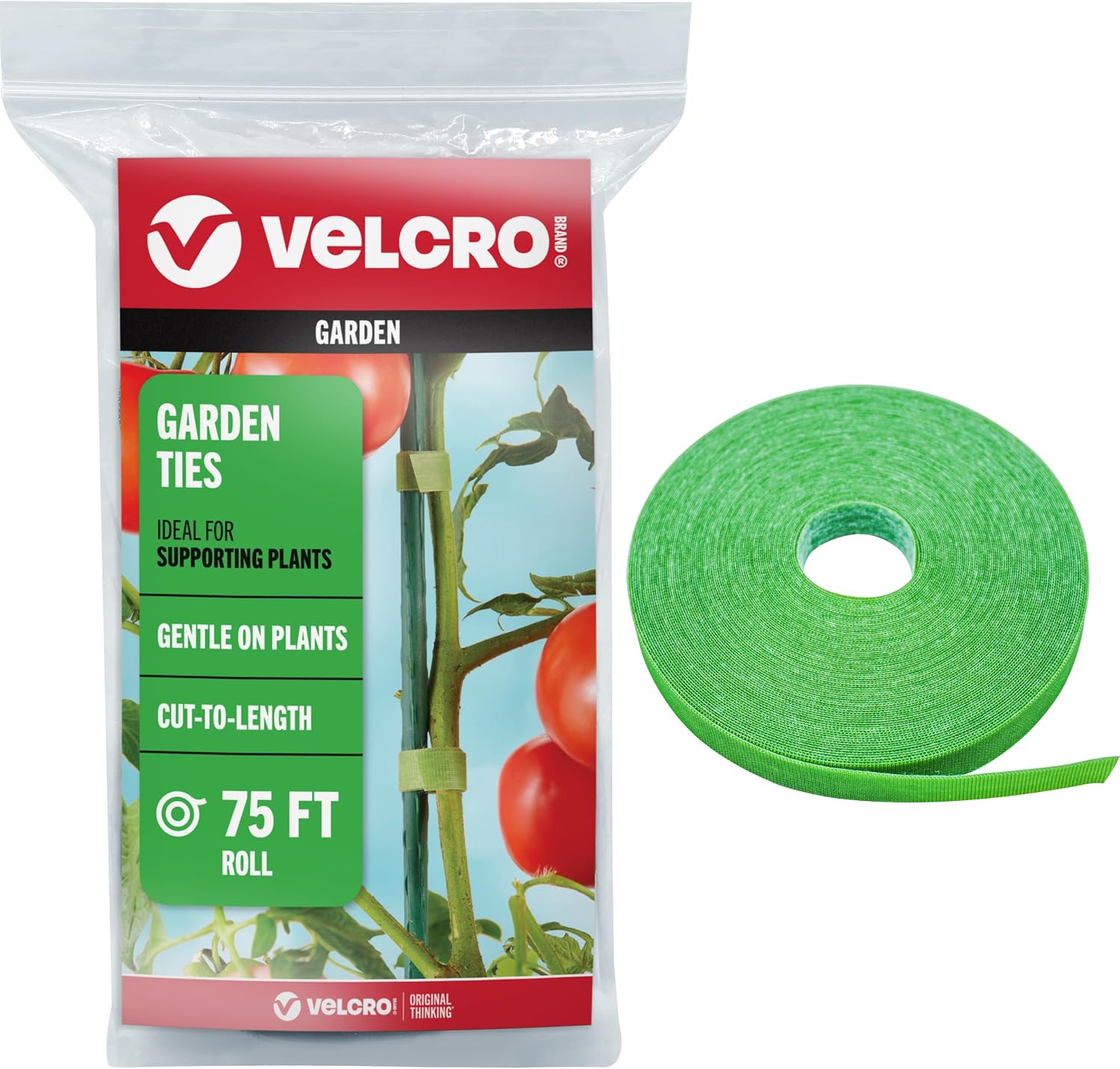 Soft adjustable plant tiesA broad, reusable tie is easier on growing stems than bare wire or a narrow zip tie.View product
 Five-gallon fabric grow bagsA replaceable practice pot and common final-container option; choose the size that matches your actual root-zone plan.View product
Affiliate disclosure: HWGrow may earn a commission from qualifying purchases at no additional cost to you. Equivalent pliers, matching eyelets, soft ties and fabric pots can be substituted without changing the technique.
Fabric-pot grommet FAQ
How many grommets should I add to a fabric pot?
Four to eight evenly spaced anchors are enough for most round pots. Add fewer first; you can always prepare another pot with more positions later.
Can I punch a fabric pot after the plant is growing?
You can, but an empty pot is safer and easier. On a planted pot, keep the tool far above the media and confirm there are no roots, lines or ties behind the fabric.
What should I use to tie cannabis branches down?
Use a soft, flexible plant tie that will not cut into the stem. Leave room for growth and inspect every tie regularly.
Do fabric-pot grommets increase cannabis yield?
No hardware guarantees yield. Grommets make LST anchors easier to position; the result still depends on plant health, genetics, canopy timing, usable light and environment.
Next: Build the full training plan with How to Top, FIM and Low-Stress Train Cannabis.
You may also like
pH vs. PPM for Cannabis: EC Scales, Buffering and Nutrient Lockout
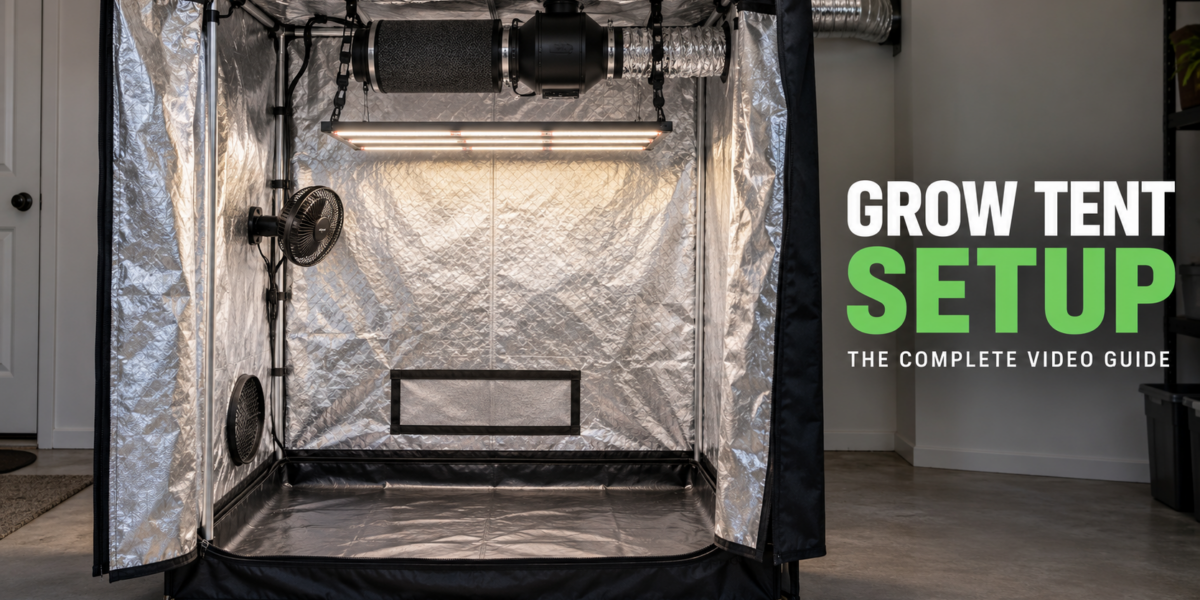
Complete Grow Tent Setup: Four Videos, One Working Setup

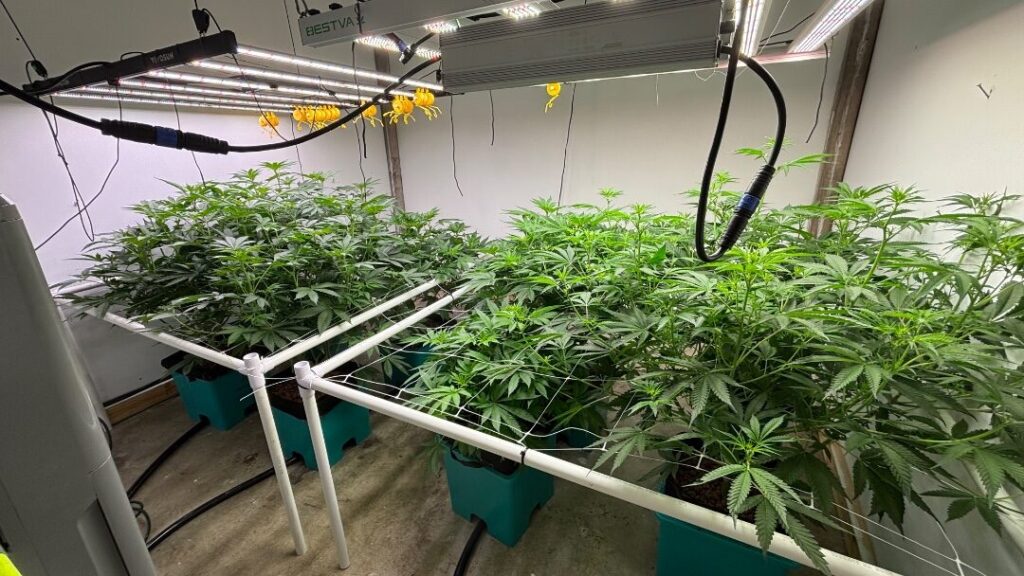



Featured Grow

Mine wasnt that bad, i am low rate afib so just swing between 95 and high as 150 sometimes, up…
Yeah not fun, but as long as it helps thats what matters. Had my heartrate 200+bpm in the hospital for…
Tupac mine is for afib. Just Had cardio version the other week to get me out of it, worst case…
I was hoping for one at least that check the box's, but ya, having a couple is that much better.…
Heart cath ablation? Had one of those for Super Ventricular Tachycardia and it worked well