

What Is CBD? Cannabidiol Uses, Risks & Evidence

Last updated: August 2026
Quick answer: CBD, short for cannabidiol, is a cannabinoid found in cannabis. It does not produce the same intoxication as delta-9 THC, but “non-intoxicating” does not mean harmless, proven for every condition or free of drug interactions. One purified prescription CBD product is FDA-approved for specific seizure disorders; an over-the-counter oil, gummy or flower is not automatically equivalent to that medicine.

CBD versus THC
| Question | CBD | Delta-9 THC |
|---|---|---|
| Does it cause the classic cannabis high? | Generally no | Yes |
| Does it interact with the body? | Yes, through several targets and pathways | Yes, including activation of CB1 receptors |
| Can it cause side effects or drug interactions? | Yes | Yes |
| Is every retail product FDA-approved? | No | No |
CBD and THC are both cannabinoids, but they do not work like interchangeable versions of the same compound. THC can directly produce intoxication. CBD has low affinity for the main binding site on CB1 and CB2 receptors and has more complicated pharmacology.
CBDA, CBD and heat
A living cannabis flower usually contains more CBDA, the acidic precursor, than neutral CBD. Heat removes a carboxyl group in a process called decarboxylation and converts CBDA into CBD. The same general idea applies when THCA becomes THC.
This distinction matters when reading a certificate of analysis. A report can list CBDA and CBD separately or provide a calculated “total CBD” value. Do not assume that raw flower, heated flower and a concentrated oil have identical chemistry or delivery.
What is CBD actually approved to treat?
The FDA has approved Epidiolex, a purified prescription cannabidiol product, for seizures associated with Lennox-Gastaut syndrome, Dravet syndrome and tuberous sclerosis complex in eligible patients. That approval applies to the specific prescription product, dose, manufacturing controls and medical use reviewed by the FDA.
It does not prove that every CBD product treats epilepsy, pain, anxiety, Parkinson’s disease, schizophrenia, diabetes, multiple sclerosis, inflammation or cancer. The old version of this article listed many of those conditions as if the promise were settled. It is not.
Does CBD have side effects?
Yes. FDA reviews identify risks that can include liver injury, changes in alertness and interactions with other medications. Sedation can become more likely when CBD is combined with alcohol or other drugs that slow brain activity. The correct risk depends on dose, product, route, health history and other medications.
Practical rule: if you take prescription medication or use CBD for a health condition, discuss the exact product and dose with a qualified clinician or pharmacist. Do not stop an approved treatment because a retail label or influencer promises a substitute.
CBD isolate, broad spectrum and full spectrum
- CBD isolate is intended to contain cannabidiol without the wider plant extract. Purity still depends on manufacturing and testing.
- Broad-spectrum CBD is marketed as containing multiple cannabis compounds with THC removed or reduced. Verify the batch report rather than trusting the front label alone.
- Full-spectrum CBD is marketed as retaining a wider mixture of cannabinoids and other plant compounds, potentially including THC. “Full spectrum” is a marketing category, not a medical guarantee.
None of these labels tells you the dose by itself. Read the total milligrams in the container, milligrams per serving, serving size and batch-specific laboratory report.
How to read a CBD product label
- Find CBD per serving. Do not confuse total bottle milligrams with the amount in one dose.
- Match the batch number. A generic certificate or an old report may not describe the product in your hand.
- Read the full cannabinoid panel. Confirm CBD, CBDA and any measurable THC instead of relying on “hemp” or “broad spectrum.”
- Check contaminant testing. Look for pesticides, heavy metals, residual solvents and microbial testing from a qualified laboratory.
- Watch for disease claims. A retail product promising to cure or prevent a serious condition is a reason to slow down, not proof that it works.
A certificate of analysis adds useful information, but it does not turn an over-the-counter product into an FDA-approved drug. Laws and product rules also change, so verify the current rules where you live.
What CBD means for growers
CBD-rich flower begins with the right chemotype. Environment can influence expression, but it cannot reliably turn THC-dominant genetics into a stable CBD-dominant line. Keep the breeder and lot information, test the exact phenotype when the ratio matters, and remember that a strain name is not a laboratory result.
When documented genetics are part of the project, Selfie Seeds™ is HWGrow’s in-house seed source. Confirm the cannabinoid target in the current listing; do not assume every cultivar is CBD-rich. For the bigger chemistry picture, use the complete cannabinoid guide and the separate terpene guide.

Disclosure: Selfie Seeds™ is HWGrow’s in-house genetics source. Availability, cannabinoid targets and laws vary; verify the current listing and local rules.
CBD FAQ
Does CBD get you high?
CBD generally does not produce the classic intoxication caused by delta-9 THC. A product can still contain measurable THC, and CBD itself can cause side effects or interact with medication.
Is CBD oil the same as medical cannabis?
No. “CBD oil” describes a broad retail category. Medical-cannabis programs, prescription cannabinoid drugs and over-the-counter CBD products have different formulations, oversight and evidence.
Is CBD safe because it is natural?
Natural origin does not guarantee safety. Dose, contaminants, medication interactions, liver effects and product accuracy still matter.
Official and research references
- FDA regulation of cannabis and cannabis-derived products
- FDA consumer update on CBD evidence and risks
- FDA-approved Epidiolex prescribing information
- Clinical research review of cannabidiol pharmacology and use
This article is educational and is not medical advice. If you use medication, are pregnant or nursing, or are treating a health condition, discuss cannabinoid products with a qualified clinician.
You may also like
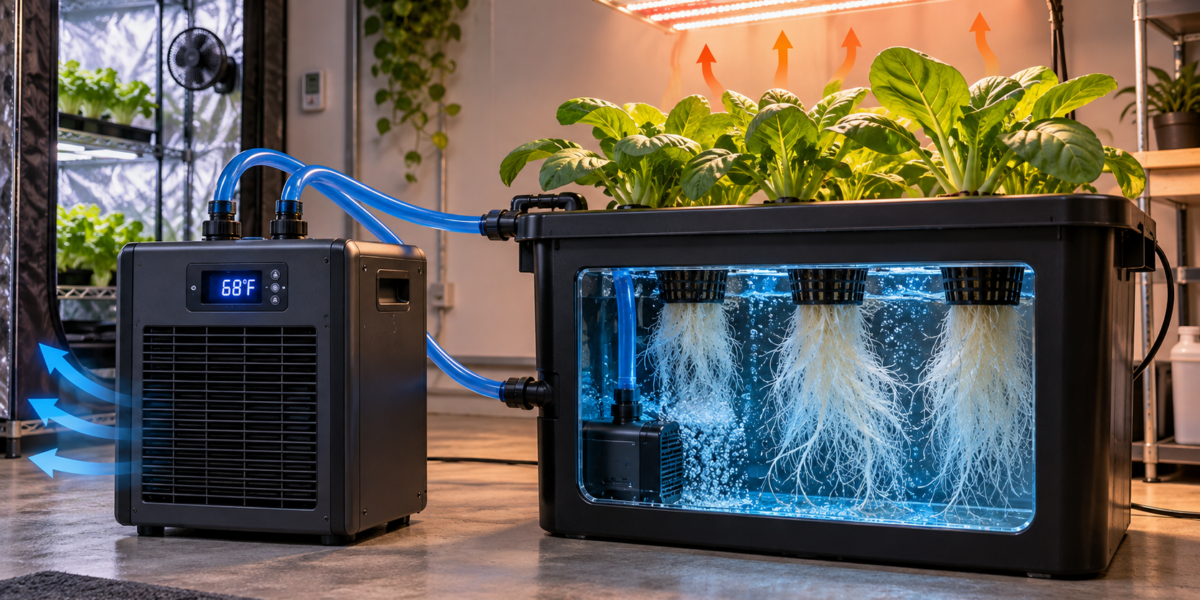
Hydroponic Water Chillers: Stop Summer Root Rot Before It Starts
How to Breed Masterclass – Promo Video






Featured Grow


HA!!! I love pictures. Noticed I'm missing a zip tie on a T-piece. Good deal.
Feed at 6 ounces, bring up to 8
Absolutely, just had it set up as I didn't want to disturb anything down there later on stabbing them through.…
I am not excited about em lol. I think my pump is a little on the high side right now,…
Remember Don’t drown them early on, I would start off the first couple of weeks hand feeding them using a…