

Cannabis Nanners in Late Flower: What to Do
Video chapters

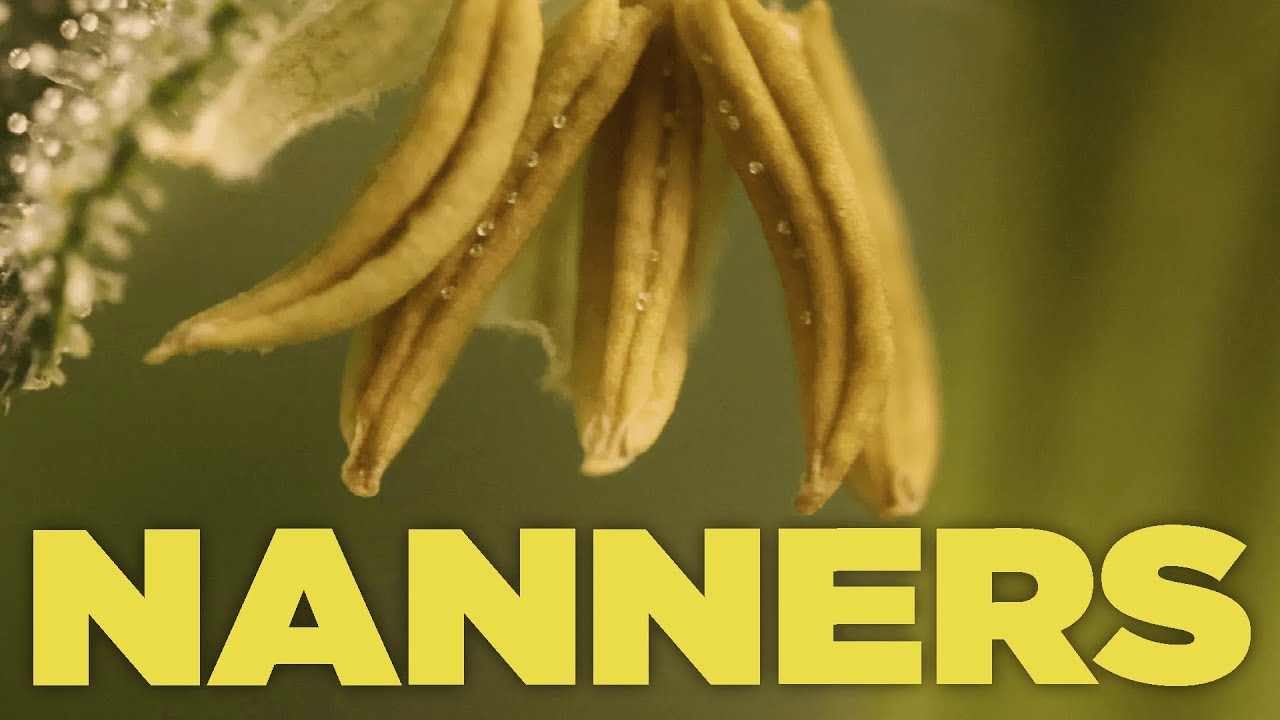
Short answer: a “nanner” is the banana-shaped anther that can appear inside a cannabis flower and may release pollen. One isolated late-flower nanner and widespread early intersex growth are not the same risk. Slow the airflow, inspect the whole plant and make the removal decision based on timing, extent and what else is sharing the room.

Timestamp links open the standard HWGrow pop-out player at the selected moment without moving you away from your reading position.
What nanners look like
Nanners are usually yellow, cream or bright green and look more like a tiny banana than a round pollen sac. They often emerge from inside a formed flower. That is different from the clusters of immature pollen sacs that develop at branch nodes, and it is also different from the normal teardrop-shaped female bract with a stigma growing from it.
If the structure is too small to identify with the naked eye, inspect it without crushing it. The male-versus-female cannabis guide shows the basic flower anatomy.
What to do when you find one
- Stop direct airflow. Do not point a fan at the suspect flower or carry it through the room uncovered.
- Inspect the entire plant. Check the interior buds, lower flowers and nearby plants—not only the spot that caught your eye.
- Judge timing and extent. One isolated anther near the end of flower is a different decision from repeated or widespread growth early enough to seed the room.
- Contain before moving. If removal is the safer choice, gently cover or bag the plant before carrying it past unaffected flowers.
- Record what happened. Note the cultivar, seed lot or clone, day of flower, environment, recent stress and whether the expression was isolated or repeated.
Can you remove nanners and keep flowering?
Sometimes a grower may choose to remove one or two late anthers with damp fine-tip tweezers and keep watching the plant. That is risk management, not a guarantee. Recheck daily and assume pollen could already have escaped.
In this documented run, the nanners were embedded throughout the plant and seven other cultivars shared the room. Picking them one by one was not a controllable plan, so I removed the affected plant. If expression is widespread, early or recurring, sacrificing one plant may protect more of the room.
Why it happened is a separate question
Intersex expression can involve genetic susceptibility, environmental stress, late-flower survival behavior or a combination of factors. A single video cannot prove the cause. Review light interruptions, heat, root-zone stress, physical damage and timing, then compare the plant with others that experienced the same room.
Do not use one stressful plant as automatic proof that every seed from a cultivar will behave the same way. Also do not ignore repeatable early expression. If a plant is being considered for breeding, keep records and read the separate sexual-stability testing and ethics guide. The ethical goal is to test realistic grow-room variation—not torture plants until any biology eventually fails.
Useful inspection and containment tools
 30×–60× jeweler’s loupeConfirm the structure before handling a flower and inspect nearby sites for more growth.Check Current Options
 Fine-tip tweezersUseful only for a small, accessible late-flower site when monitoring can continue daily.Check Current Options
 Large containment bagsCover an affected plant before moving it through a shared flowering room.Check Current Options
 Waterproof plant labelsKeep the cultivar, clone, date and observation attached to the correct plant.Check Current Options
Affiliate disclosure: HWGrow may earn a commission from qualifying Amazon purchases at no additional cost to you. Equivalent tools can replace the linked items without changing the inspection method.
Frequently asked questions
Will one nanner seed the entire tent?
It can release pollen, but the result depends on maturity, airflow, timing and where that pollen lands. Treat it seriously without pretending one visible anther proves that every flower is already seeded.
Do I always need to remove the whole plant?
No universal rule fits every room. An isolated late-flower site may be monitored after careful removal; widespread, early or recurring expression in a shared room creates a much larger risk.
Are late nanners the same as early intersex instability?
No. Timing and pattern matter. Late survival expression belongs in the record, but early or repeatable expression under ordinary conditions is a stronger warning when selecting genetics.
You may also like
How to Pheno Hunt Cannabis and Choose a Keeper
Hydroponic Water Chillers: Stop Summer Root Rot Before It Starts




Featured Grow
 Jul 2026 — White Iverson by Selfie Seeds +2 more
White Iverson × Selfie Seeds, Pink Strawberry × Selfie Seeds, Purple Berry × Selfie Seeds • Soil • Started Jul 25, 2026
View journal
Jul 2026 — White Iverson by Selfie Seeds +2 more
White Iverson × Selfie Seeds, Pink Strawberry × Selfie Seeds, Purple Berry × Selfie Seeds • Soil • Started Jul 25, 2026
View journal
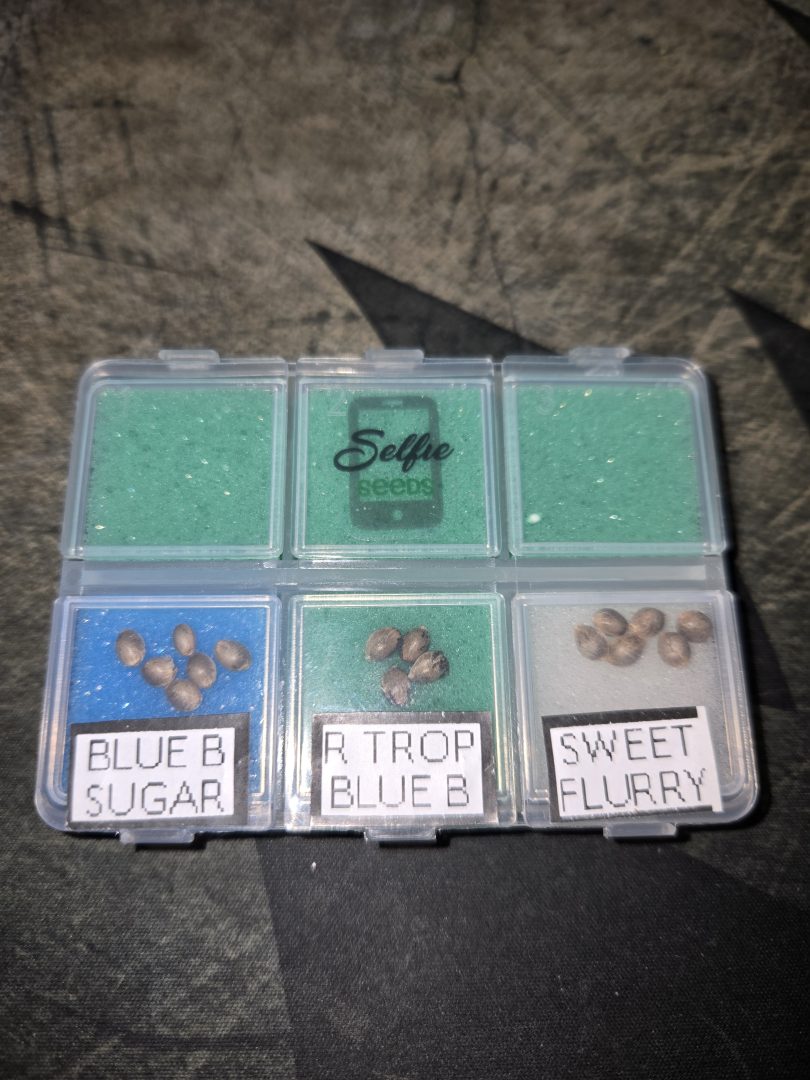 First Selfie Seeds Grow (Blueberry Sugar, Tropical Blueberry, and Sweet Flurry)
Blueberry Sugar × Selfie Seeds, Tropical Blueberry × Selfie Seeds, Sweet Flurry × Selfie Seeds • Soil • Started May 27, 2026
View journal
First Selfie Seeds Grow (Blueberry Sugar, Tropical Blueberry, and Sweet Flurry)
Blueberry Sugar × Selfie Seeds, Tropical Blueberry × Selfie Seeds, Sweet Flurry × Selfie Seeds • Soil • Started May 27, 2026
View journal
Awesome It’ll be a bit chlorophyllie but definitely let me know your opiniones

Walked in this morning before lights out and they are already bouncing back pretty good.
Awesome, fingers crossed for you
Nice LSTing Looks perfectly symmetric

Bananas!!!!! I knew I forgot something today. Thanks, gotta hit the store up in the am anyway. Coming off night,…