

How to Use, Calibrate and Store a pH Meter
Storage video chapters
- 0:13 — Why a dry probe becomes unreliable
- 0:55 — Why RO, distilled and deionized water are not storage solutions
- 1:36 — Remove from KCl, rinse and prepare a sample
- 2:22 — Remove trapped bubbles and wait for a stable reading
- 3:31 — Rinse after the sample and return the probe to storage
- 4:03 — KCl storage-solution overview

Last updated: August 2026
Quick answer: A pH meter stays accurate when you keep the glass probe hydrated in the storage solution specified by its manufacturer, rinse it between every liquid, calibrate it with fresh buffer and wait for each reading to stabilize. Never store a glass pH probe in reverse-osmosis, distilled or deionized water. Those are rinse waters, not storage solutions.
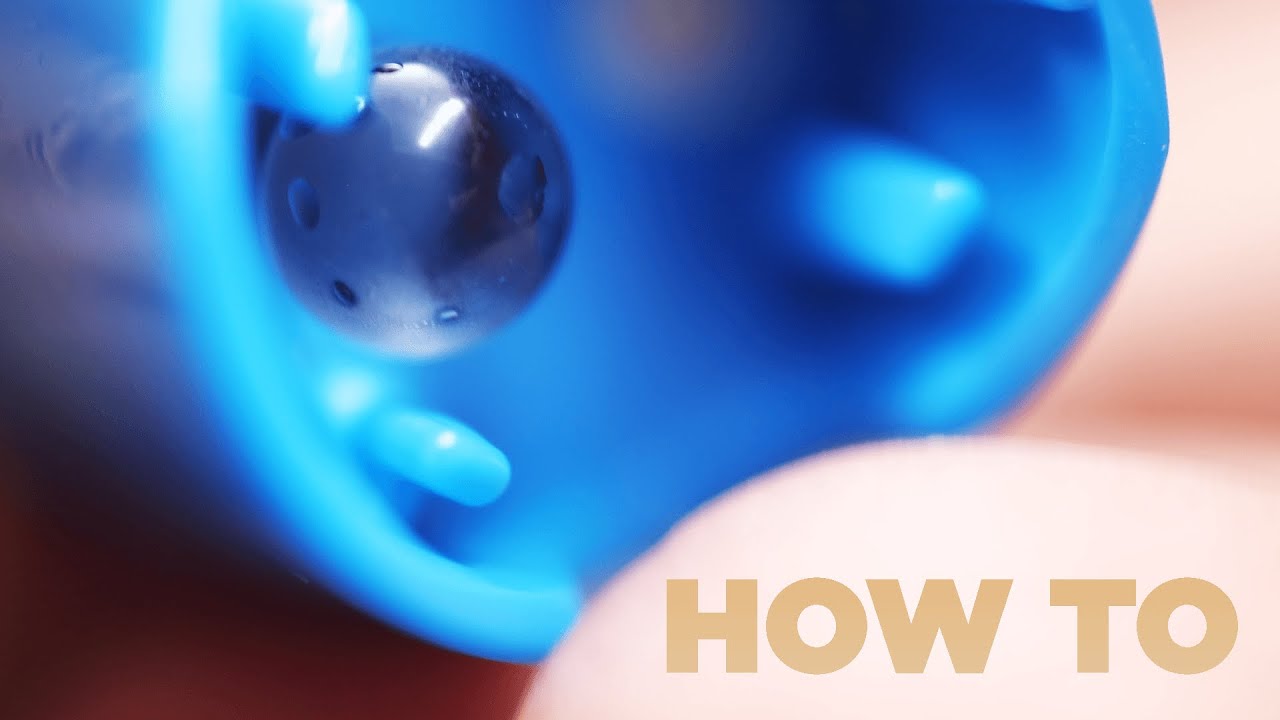
The pH-meter routine that prevents bad grow decisions
A plant can look deficient even while every nutrient it needs is sitting in the pot. If the root-zone pH is wrong—or the meter giving you that number is wrong—you can “correct” the wrong problem and make it worse. The meter is only useful when the probe is healthy and the calibration is trustworthy.
You do not need the most expensive pen in the store. You do need a repeatable routine:
- Keep the probe hydrated in the manufacturer-approved storage solution.
- Use fresh calibration buffer and follow the meter’s own calibration sequence.
- Rinse before and after every solution so you do not contaminate the sample or buffer.
- Swirl gently, remove trapped bubbles and wait for the reading to stabilize.
- Question any number that does not match the plant, the previous reading or a fresh verification buffer.
How to use and store a pH meter
This first-party HWGrow demonstration shows the complete everyday routine. The line worth remembering is: if the probe dries, the response can slow, drift or fail. Brand instructions differ, so the current manufacturer manual always wins on storage-solution concentration, cleaning products and calibration frequency.

Selecting a timestamp starts the embedded video in the HWGrow pop-out player without moving the reader away from this section.
How to calibrate a pH meter
Calibration teaches the meter what known pH values look like. Most grow-room meters use pH 7 as the first point and pH 4 as the second because those values bracket the mildly acidic range growers usually measure. Some meters and applications also call for a third alkaline point. Do not copy another brand’s button sequence or buffer set—check your manual.
- Inspect and hydrate the probe. Do not calibrate a dry, cracked or heavily coated electrode. Rehydrate a dry probe for the time stated by the manufacturer before testing it.
- Prepare fresh buffer. Use the exact buffer values supported by the meter. If using powder packets, mix each packet with the exact water volume printed on that packet.
- Keep each liquid separate. Pour a small working amount into a clean cup. Never pour used buffer back into the original bottle.
- Rinse between points. Rinse the probe with the water recommended by the manufacturer, then gently shake off droplets. Do not wipe or scrub the glass bulb with a dry cloth.
- Start at the neutral point. Place the probe in pH 7 buffer, swirl gently, wait for stability and run the meter’s calibration command.
- Calibrate the acidic point. Rinse, move to fresh pH 4 buffer and repeat. Add pH 10 only when your meter or measurement range calls for it.
- Verify the result. Rinse and return the probe to a fresh portion of buffer. A reading outside the manufacturer’s tolerance means the buffer, probe or procedure needs attention.
Calibration video chapters
- 0:22 — Calibration setup and clean containers
- 1:31 — Generic and budget-meter calibration
- 5:33 — Bluelab two-point note
- 5:45 — Apera probe preparation and hydration
- 6:41 — Apera pH 7 calibration point
- 7:41 — Apera pH 4 calibration point
- 8:50 — Optional pH 10 point
- 9:30 — Rinse and verify the calibrated reading
KCl storage solution: buy it or make it?
Potassium chloride storage solution keeps the glass bulb and reference junction hydrated. Concentration and additives vary by brand, so the safest default is the manufacturer’s own solution. Bluelab specifies compatible KCl solution for its probes; Apera recommends 3M KCl for many of its regular glass probes but warns that other formulas may not suit every model. Check the manual before filling the cap.
The DIY method can save money when you know the required concentration, have high-purity KCl, an accurate scale and a clean container. The separate 3M KCl storage-solution guide preserves the full calculation. Do not assume 3M is correct for every meter.
KCl video chapters
- 0:00 — DIY KCl storage-solution overview
- 0:21 — Choose the concentration required by the manufacturer
- 0:43 — Convert the desired volume
- 1:19 — Weigh the KCl for the demonstrated 3M batch
- 1:29 — Dissolve completely in the measured water
Common pH-meter mistakes
- Storing the probe dry: response slows and readings drift. Rehydrate it according to the manual, then clean, calibrate and verify.
- Storing it in purified water: RO, distilled and deionized water can pull electrolyte from the reference system. Use them only when the manufacturer recommends them for rinsing.
- Reusing dirty buffer: nutrient solution, pH Up or pH Down carried into the buffer changes its value.
- Trusting an instant number: gently swirl, remove bubbles and wait for the stability indicator or a settled display.
- Wiping the glass bulb: rubbing can contaminate or statically charge a delicate electrode. Rinse and gently shake off droplets unless the manual says otherwise.
- Calibrating with the wrong points: use the values and sequence supported by the device, not whichever packet happens to be nearby.
- Chasing the reservoir with pH adjuster: confirm the meter in fresh buffer before making a large correction based on a surprising reading.
Frequently asked questions
How often should I calibrate my pH meter?
Follow the meter’s manual and calibrate more often when measurements are consequential, the meter is used daily, the probe was cleaned or rehydrated, the reading drifts or a verification buffer fails. A calendar cannot replace a quick buffer check.
Can I leave a pH probe in distilled water?
No. Distilled, deionized and RO water can be appropriate for rinsing but should not be used for storage. Keep the sensitive portion of the probe in compatible storage solution.
What if my pH probe dried out?
Do not assume it is permanently dead. Clean it if necessary, soak it in the storage solution and for the duration specified by the manufacturer, then calibrate and verify it in fresh buffer. Replace it if it cannot hold an accurate reading.
Why does my reading keep drifting?
Common causes include a dry or dirty probe, trapped air, low-ionic-strength water, contaminated buffer, changing sample temperature or a worn electrode. Verify the meter before changing the nutrient solution.
Is pH the only number I need?
No. pH tells you how acidic or alkaline a solution is; EC and PPM estimate dissolved ionic strength. Use the pH, EC, PPM and runoff guide to interpret the numbers together, and use a consistent soil-slurry test when diagnosing potting media.
For the complete chronological soil-growing workflow, join the Grow With Me Masterclass. If the meter checks out but the plant still looks wrong, compare the symptoms with the nutrient-deficiency guide or use Ask HWG.
Recommended pH-meter care tools
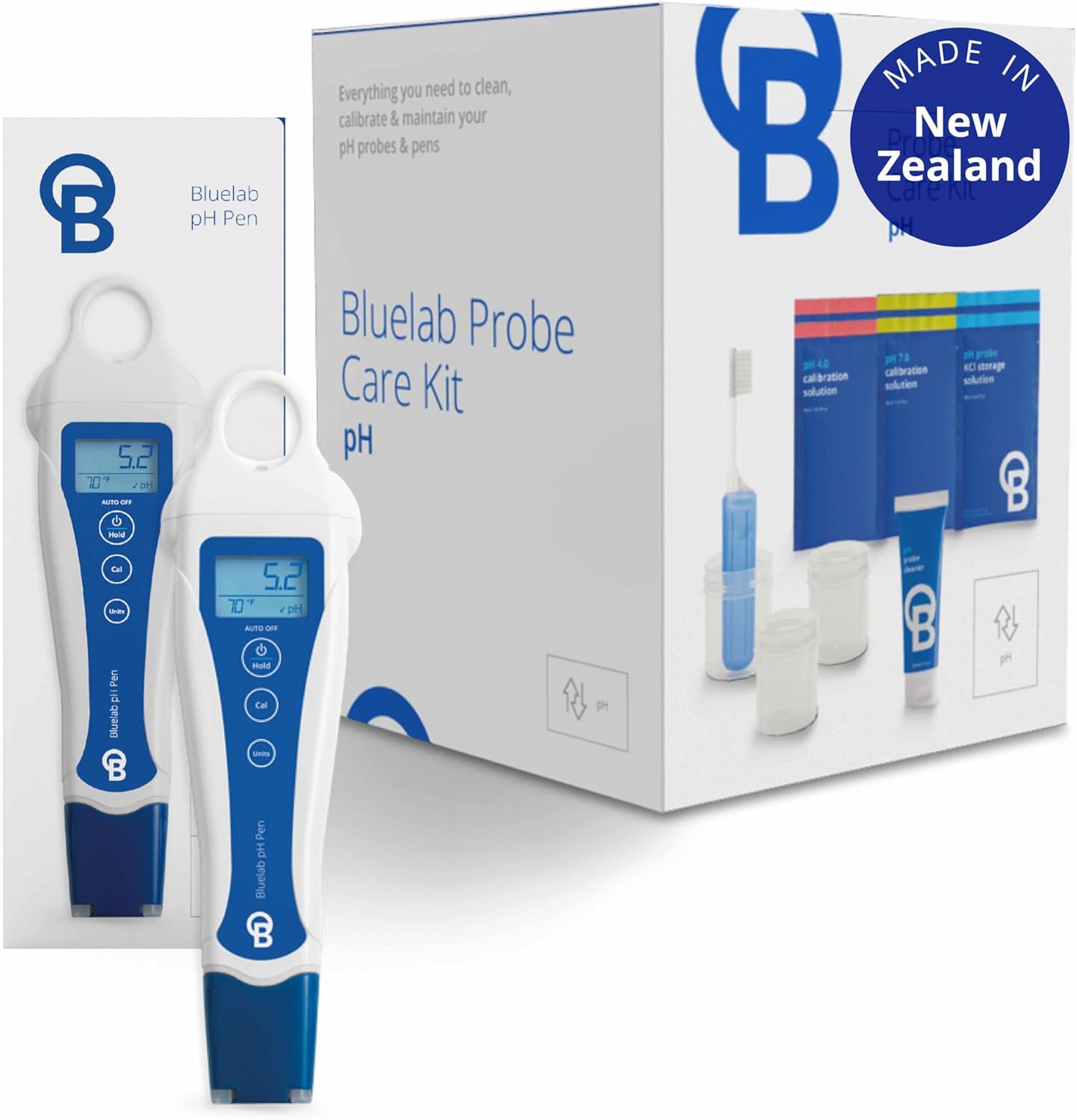


Affiliate disclosure: HWGrow may earn a commission from qualifying purchases at no additional cost to you. Product destinations may be replaced with equivalent meters, buffers or storage supplies without changing the care routine.
Manufacturer references
Comments
Leave a reply
You may also like
Best Grow Tent Humidifier: Why Young Plants Need More Humidity
How to Pheno Hunt Cannabis and Choose a Keeper



Featured Grow
 Jul 2026 — White Iverson by Selfie Seeds +2 more
White Iverson × Selfie Seeds, Pink Strawberry × Selfie Seeds, Purple Berry × Selfie Seeds • Soil • Started Jul 25, 2026
View journal
Jul 2026 — White Iverson by Selfie Seeds +2 more
White Iverson × Selfie Seeds, Pink Strawberry × Selfie Seeds, Purple Berry × Selfie Seeds • Soil • Started Jul 25, 2026
View journal
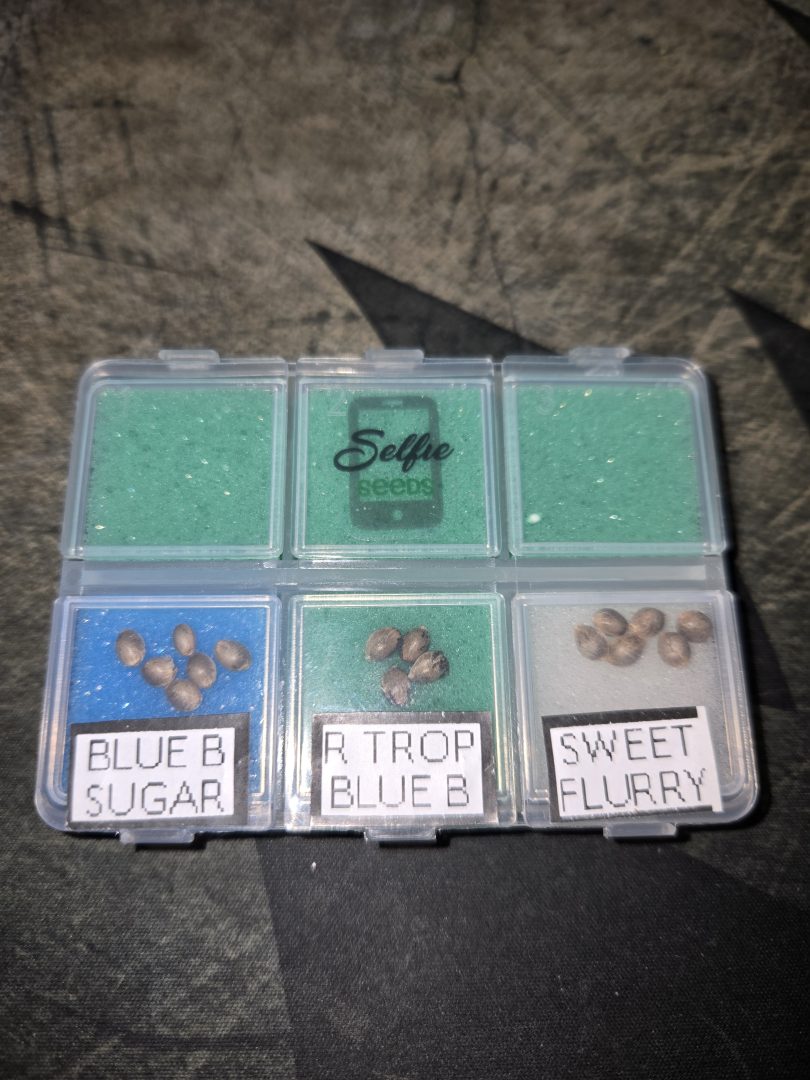 First Selfie Seeds Grow (Blueberry Sugar, Tropical Blueberry, and Sweet Flurry)
Blueberry Sugar × Selfie Seeds, Tropical Blueberry × Selfie Seeds, Sweet Flurry × Selfie Seeds • Soil • Started May 27, 2026
View journal
First Selfie Seeds Grow (Blueberry Sugar, Tropical Blueberry, and Sweet Flurry)
Blueberry Sugar × Selfie Seeds, Tropical Blueberry × Selfie Seeds, Sweet Flurry × Selfie Seeds • Soil • Started May 27, 2026
View journal
Awesome It’ll be a bit chlorophyllie but definitely let me know your opiniones

Walked in this morning before lights out and they are already bouncing back pretty good.
Awesome, fingers crossed for you
Nice LSTing Looks perfectly symmetric

Bananas!!!!! I knew I forgot something today. Thanks, gotta hit the store up in the am anyway. Coming off night,…
I made that same rookie mistake of leaving my pH meter in distilled water. I thought I was being innovative, but the only thing I accomplished was effectively ruining my pH meter. That would explain why my grow was all over the place. Lesson learned. Keep that meter hydrated in the KCL solution, or else you’re going to be spending more and more money on meters. Big respect for the content Big Growmie!
anytime bro. Just keep in mind, even that needs to be replaced every 2 months or so. Sometimes its easier to just leave the cap on after you rinse in with distilled water and put it in KCL every couple of weeks or so.
I have the same Apera meter. It uses a 500 scale to convert to ppm. Most meters use 700. The result is it under reads ppm by a factor of 1.4. Significant. I underfed my plants for 45 days as a result. I was not aware of this. You should probably let people know.
Good point, I do discuss this a lot in my other videos but I will link it to this:
Thanks for the reminder