


Can You Use an Ozone Generator to Clean a Grow Tent? Safety & Better Options

Last updated: August 2026
Quick answer: I do not recommend using a consumer ozone generator as a routine way to clean or “sterilize” a grow tent. Ozone can damage lungs, irritate eyes and airways, harm plants and pets, degrade materials and create irritating reaction by-products. A timer, room size or lack of ozone smell cannot prove that the air is safe to enter.
Important correction to the original HWGrow tutorial: The old fixed run-time, fixed re-entry rule and sterilization claim should not be followed. Ozone concentration depends on the machine, room, ventilation, surfaces and other conditions. Re-entry requires controlled professional procedures and actual exposure assessment—not a generic countdown or odor check.
Why ozone is different from ordinary cleaning
Ozone is O3, a highly reactive gas. That reactivity is why it is marketed for odors and biological contamination, but it is also why breathing it can injure your lungs. The U.S. Environmental Protection Agency says even relatively low exposure can cause coughing, chest pain, shortness of breath and throat irritation, and it can worsen asthma.
The most important part is easy to miss: a concentration strong enough to affect mold or other biological material can be far above public-health limits. At concentrations that stay within those limits, EPA says ozone generally has little ability to remove indoor contaminants and does not effectively remove mold, viruses, bacteria or other biological pollutants. Read the EPA’s full ozone-generator evidence review.
Why a fixed timer cannot tell you when the room is safe
Think of a timer as measuring how long the machine ran—not what concentration reached the surrounding air or how much remained afterward. The result changes with:
- the generator’s actual output and control setting;
- the size of the tent and the room around it;
- open or closed doors, ducts and ventilation;
- the amount and type of material reacting with ozone;
- temperature, humidity and outdoor ozone; and
- whether ozone escapes into nearby rooms.
EPA also warns that a lack of ozone smell does not guarantee safe air. People detect it differently, and the ability to smell it can fade during exposure. NIOSH lists a recommended ceiling of 0.1 ppm and describes respiratory and eye hazards in its Pocket Guide entry for ozone. A consumer timer and your nose are not concentration meters.
Ozone does not replace physical mold removal
A grow tent cannot be made permanently sterile. Mold spores exist in normal indoor and outdoor air. The useful goal is to remove contamination, eliminate the moisture problem and keep conditions from letting it return.
Even high ozone levels may not reach contamination buried inside porous material. Killing an organism is not the same as removing the material that can still trigger reactions or feed a new problem. EPA’s mold guidance says routine “sterilization” is usually neither possible nor desirable; visible mold still has to be removed, and the moisture source has to be fixed. See EPA’s guide to mold and moisture.
A safer between-grow tent reset
- Find the cause first. Look for leaks, standing runoff, wet fabric, condensation, dead leaves, clogged intake material and humidity that stays high after lights-out.
- Remove loose material. Take out pots, plant debris, trays and removable equipment so every surface can be inspected.
- Clean hard surfaces. Use water and a mild detergent compatible with the tent material. Wipe away visible residue instead of trying to treat it through the air.
- Dry everything completely. Moisture control is what keeps mold from growing back. Do not rebuild the tent around damp fabric, trays or ducting.
- Deal with porous damage honestly. Material that cannot be fully cleaned and dried may need professional evaluation or replacement.
- Correct the environment. Restore controlled exhaust, air movement and dehumidification before plants return. Fix the root cause instead of masking odor.
EPA’s current basic mold-cleanup steps lead with moisture control, detergent cleaning of hard surfaces and complete drying. For the full HWGrow workflow, use the separate between-grow tent cleaning guide. That is the routine method this page now recommends.
When this is bigger than a normal tent cleanup
Stop and get qualified remediation or medical guidance when contamination is extensive, keeps returning after moisture correction, appears inside walls or HVAC equipment, follows contaminated water damage, or causes respiratory symptoms. People with asthma, chronic lung disease, allergies or immune suppression should not take on mold cleanup casually. CDC’s mold cleanup guidance explains who faces higher exposure risk and what protective equipment may be needed.
What happened to the original ozone video?
The original HWGrow video is preserved in the media library as an archive of the old experiment, but it is not embedded here because its fixed run time, fixed re-entry time and sterilization conclusion are not reliable safety guidance. The video file, poster and history have not been deleted. If a corrected first-party video is produced later, it can replace the public embed after captions and safety review pass.
This correction is part of being honest about hands-on content: when better evidence changes the recommendation, the public article should say so clearly instead of quietly repeating the old claim.
Frequently asked questions
Can an ozone generator sterilize a grow tent?
It should not be treated as a dependable consumer sterilization method. Ozone levels within public-health limits are generally ineffective against indoor biological pollutants, while higher levels can harm people, plants, pets and materials.
Is a grow tent safe two hours after an ozone generator turns off?
A fixed waiting period cannot prove safety. Remaining concentration depends on the generator, space, ventilation, surfaces and other conditions, and lack of odor is not proof that ozone is gone.
Does ozone remove mold?
Ozone does not replace physical removal or moisture control, and it may not reach mold in porous material. Clean the contamination, dry the area and correct the moisture source.
What is the safest way to prevent mold in a grow tent?
Keep the tent clean and dry, remove dead plant material, prevent standing water, maintain appropriate humidity and airflow, and correct leaks or condensation quickly.
Does ozone smell tell you whether the room is safe?
No. People detect ozone differently, the ability to smell it can fade, and no odor does not establish a safe concentration.
You may also like
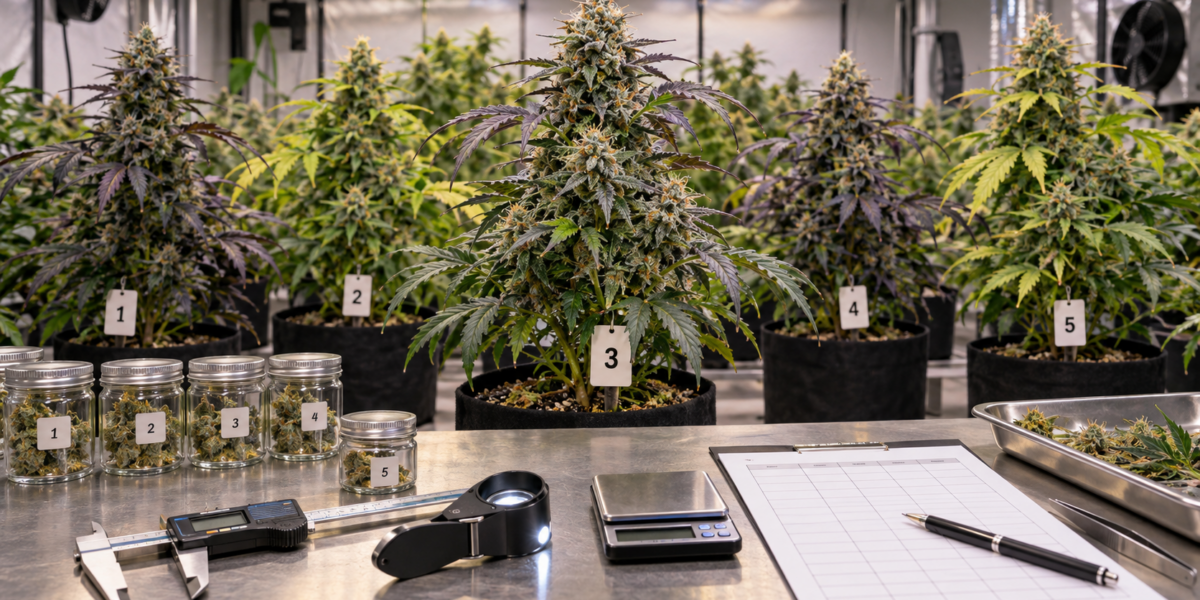
How to Pheno Hunt Cannabis and Choose a Keeper
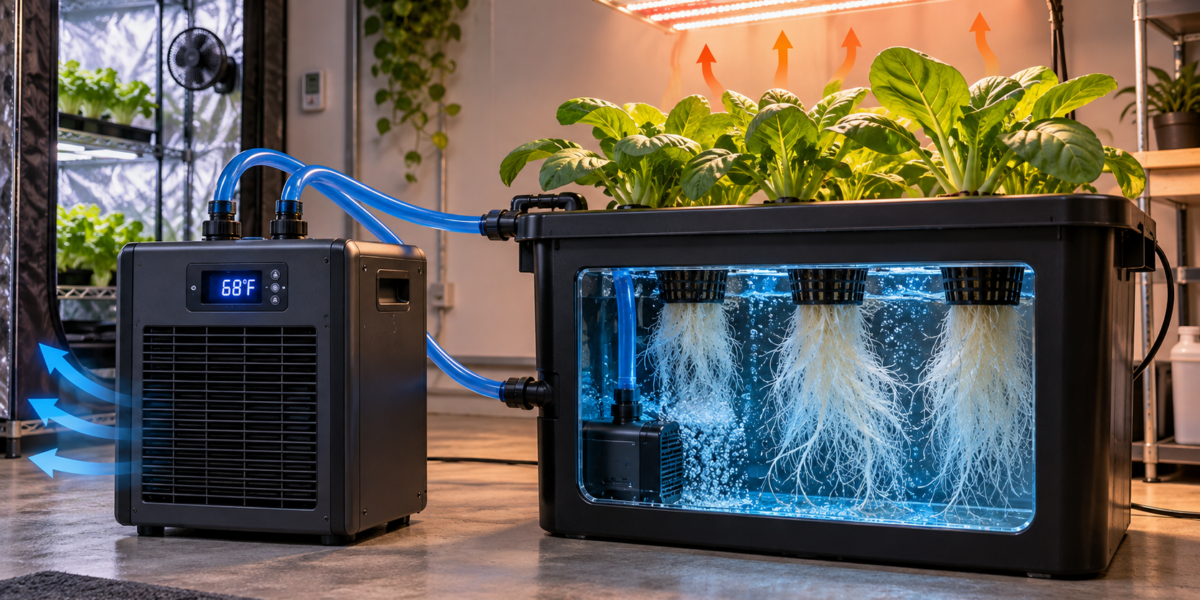
Hydroponic Water Chillers: Stop Summer Root Rot Before It Starts

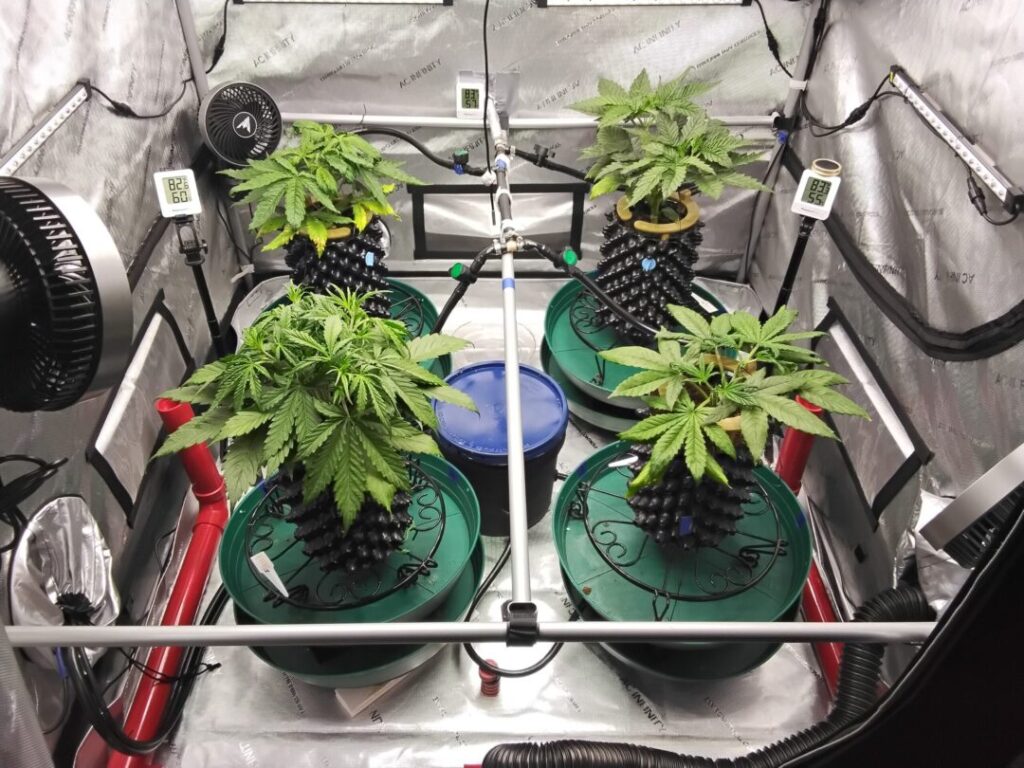


Featured Grow
 Jul 2026 — White Iverson by Selfie Seeds +2 more
White Iverson × Selfie Seeds, Pink Strawberry × Selfie Seeds, Purple Berry × Selfie Seeds • Soil • Started Jul 25, 2026
View journal
Jul 2026 — White Iverson by Selfie Seeds +2 more
White Iverson × Selfie Seeds, Pink Strawberry × Selfie Seeds, Purple Berry × Selfie Seeds • Soil • Started Jul 25, 2026
View journal
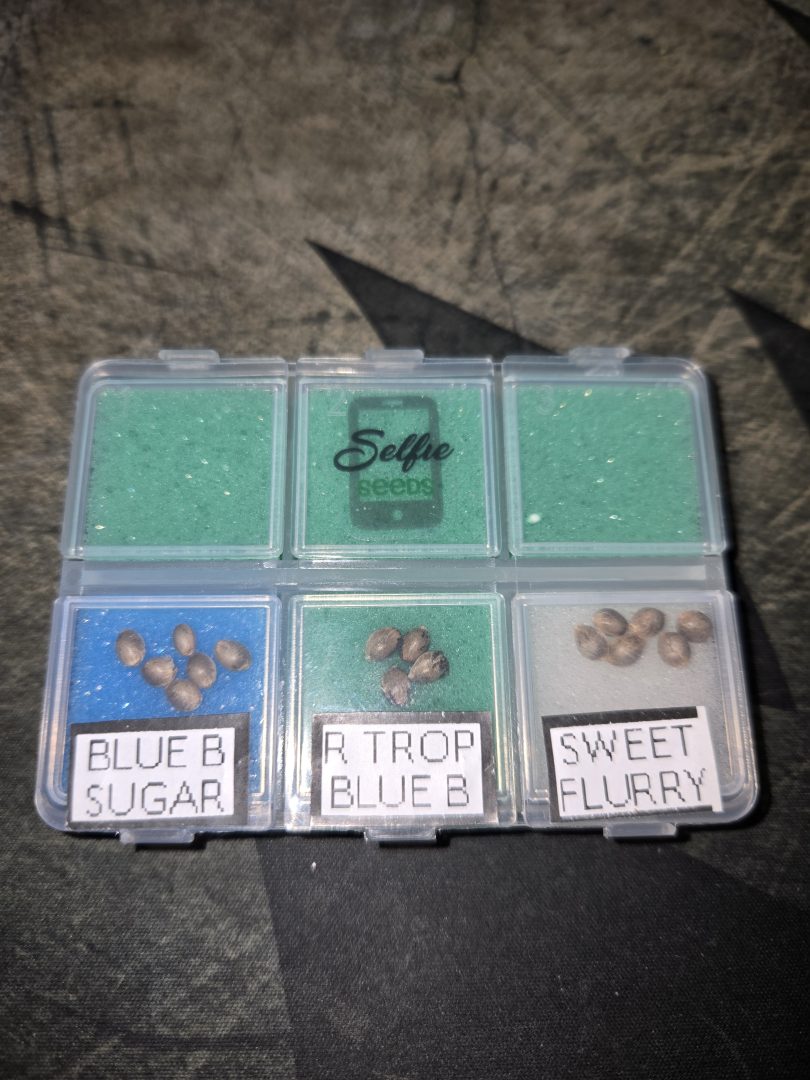 First Selfie Seeds Grow (Blueberry Sugar, Tropical Blueberry, and Sweet Flurry)
Blueberry Sugar × Selfie Seeds, Tropical Blueberry × Selfie Seeds, Sweet Flurry × Selfie Seeds • Soil • Started May 27, 2026
View journal
First Selfie Seeds Grow (Blueberry Sugar, Tropical Blueberry, and Sweet Flurry)
Blueberry Sugar × Selfie Seeds, Tropical Blueberry × Selfie Seeds, Sweet Flurry × Selfie Seeds • Soil • Started May 27, 2026
View journal
Awesome It’ll be a bit chlorophyllie but definitely let me know your opiniones

Walked in this morning before lights out and they are already bouncing back pretty good.
Awesome, fingers crossed for you
Nice LSTing Looks perfectly symmetric

Bananas!!!!! I knew I forgot something today. Thanks, gotta hit the store up in the am anyway. Coming off night,…