

How to Tell If a Cannabis Plant Is Male or Female Before Flowering
Video chapters

Quick answer: If a cannabis plant has not shown clear preflowers, you can take a labeled clone, place that clone under a 12/12 light cycle and read the sex shown by the clone while the source plant stays in vegetative growth. In the HWGrow demonstration, the small cutting showed its sex in about three weeks. This is an optional planning method—not the fastest answer for every grow.
If your plant is already mature enough to show preflowers, use the male vs. female cannabis identification guide first. That visual guide owns pollen sacs, stigmas, nanners and intersex expression. This page focuses only on the clone-flip method.

Timestamp links open the standard HWGrow pop-out player at the selected moment without moving you away from your reading position.
How the clone-flip method works
- Wait for usable growth. Choose a healthy side branch with at least one formed node. A weak or sick source plant gives you a weak cutting.
- Label before cutting. The clone must remain tied to the correct source plant. Use the same plant number on the pot, clone and notes.
- Take the cutting. Use a clean blade, make the cut close to the main stalk and immediately place the stem into a prepared rooting plug.
- Root it under gentle conditions. Keep the unrooted cutting humid with low-intensity light. The public cannabis cloning test and limitations guide explains why sanitation, humidity and a consistent medium matter more than a kitchen rooting hack.
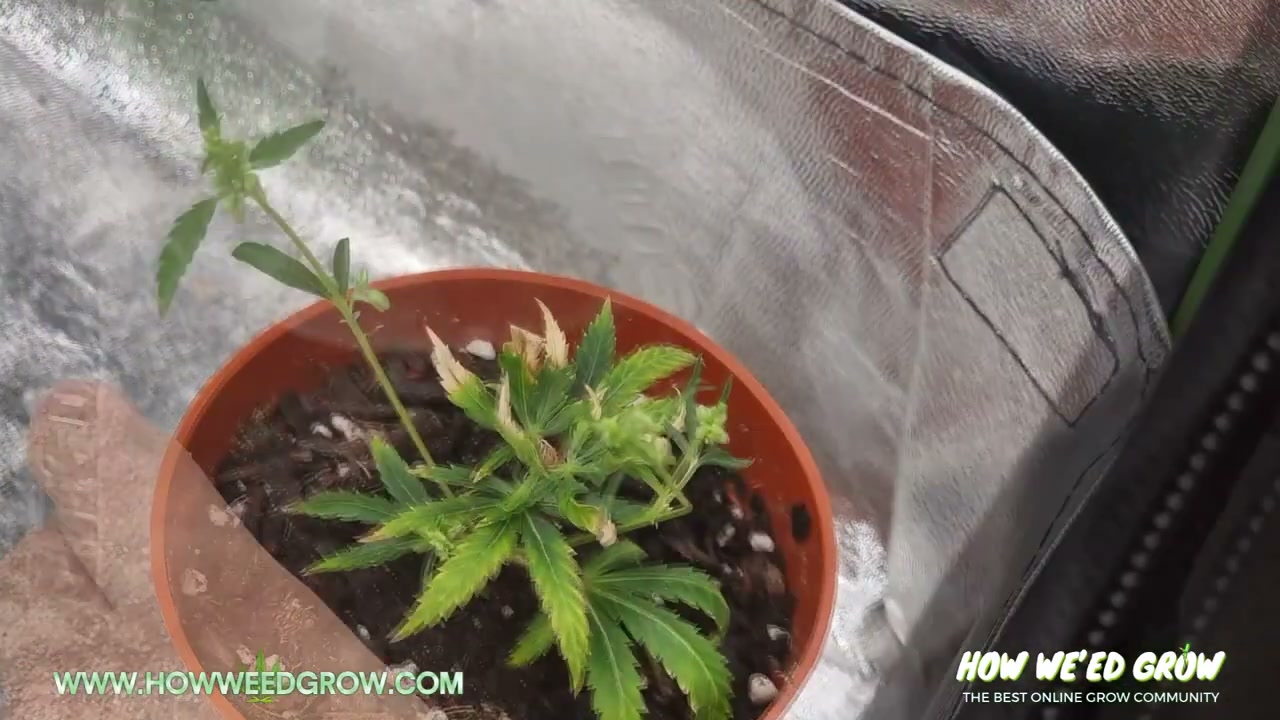
- Use a 12/12 light cycle. Once the clone is stable enough for the test, flowering light tells the genetically identical cutting to express sex while the source plant remains in vegetative growth.
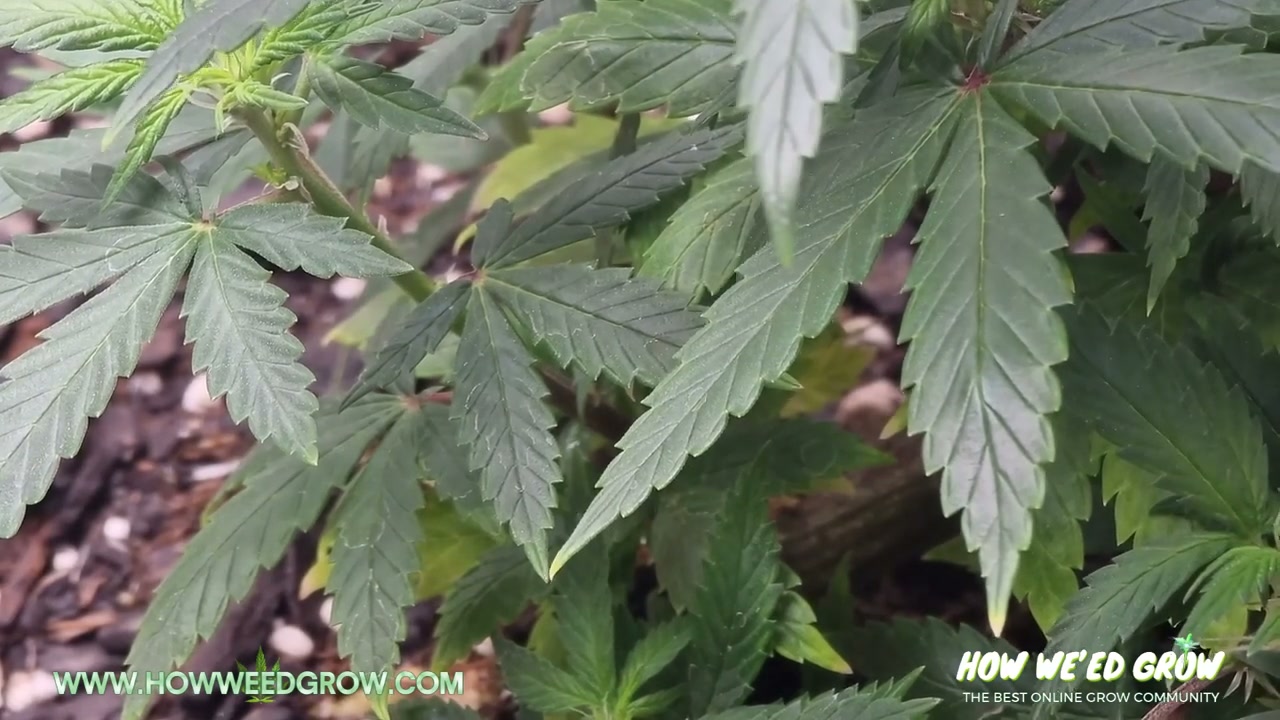
- Confirm the structure. White stigmas indicate female expression. Smooth, round pollen sacs without stigmas indicate a genetic male. Check more than one site before acting.
What the clone tells you—and what it does not
The clone and source plant share the same genetics, so sex expressed by the clone helps you identify the source plant without flowering the entire source plant. That can save vegetative space when growing regular seed or help a breeder organize donor and receiver candidates.
The result does not prove the plant will remain sexually stable under every environment. A female result does not replace ongoing inspections for nanners or other intersex expression during bloom. Keep the source plant labeled and continue checking flower sites.
Important correction to the older video
The original demonstration dipped the cutting in raw honey. That is part of the historical test, not a universal rooting recommendation. Honey is not a standardized cannabis rooting hormone. If you use a rooting product, choose one labeled for plant cuttings, follow its directions and decant a small working amount so the main container stays clean.
The video also discusses regular photoperiod seed. Regular describes the expected mix of genetic males and females; photoperiod describes a plant whose flowering responds to day length. They are not synonyms. Regular seed can be photoperiod, and feminized seed can also be photoperiod.
When this method is worth the extra clone
| Situation | Best first move |
|---|---|
| The plant already shows clear preflowers | Use the visual sex guide; a clone-flip test adds time. |
| You must keep the source plant in vegetative growth | A labeled clone under 12/12 can answer the sex question without flowering the source plant. |
| You need the quickest answer and can pay for testing | A reputable current plant-sex lab may be faster; verify its present sample, price and turnaround instructions directly. |
| You are growing feminized seed | Visual inspection is usually simpler, but continue watching for sexual instability. Feminized does not mean “herm-proof.” |
Recommended supplies

Rooting plugsA moist, airy and consistent medium for the labeled cutting used in the sex test.

Propagation tray and domeProtects an unrooted cutting while adjustable vents help with gradual acclimation.

IBA rooting gelA labeled, standardized alternative to the raw-honey dip shown in the older video.
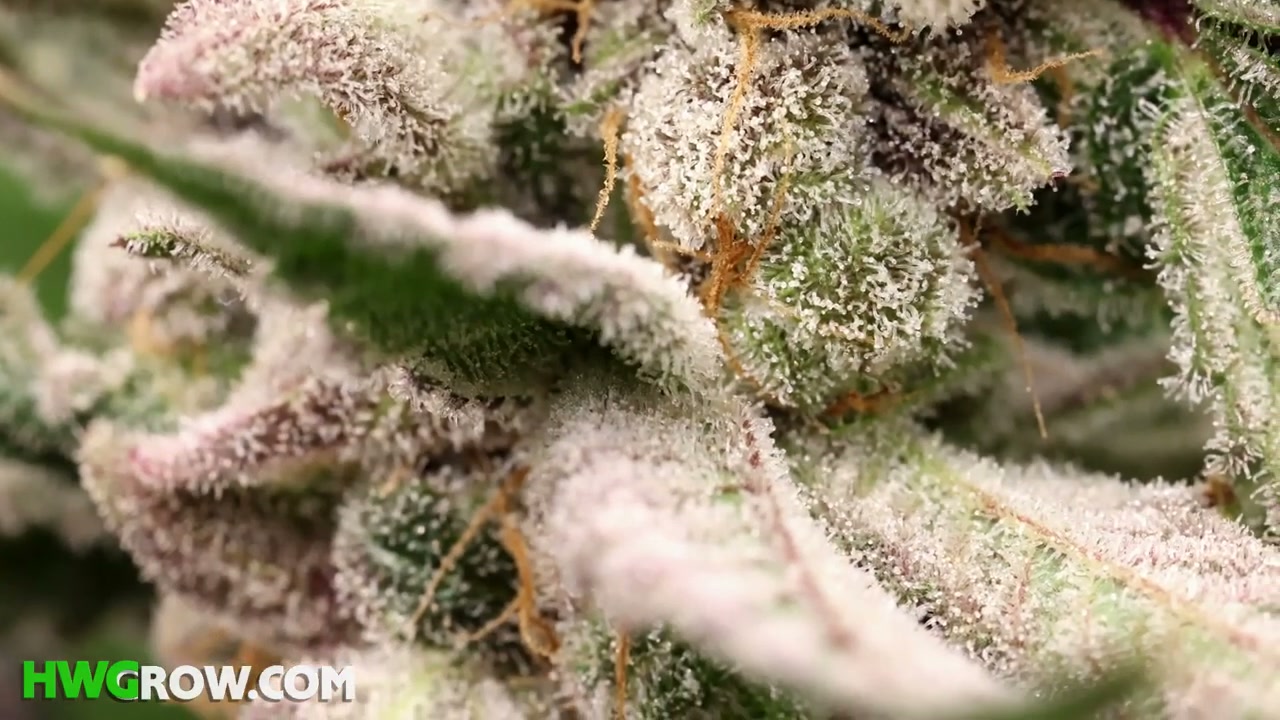
Illuminated loupeConfirm pistils or pollen sacs at more than one site instead of deciding from a blurry phone photo.

Selfie Seeds™ geneticsHWGrow’s in-house genetics source when a documented feminized starting point fits your goal. Keep inspecting every plant for sex and stability.
Affiliate disclosure: HWGrow may earn a commission from qualifying purchases at no additional cost to you. Equivalent tools can replace the linked items without changing the clone-flip method. Selfie Seeds™ is HWGrow’s in-house genetics source.
Want the controlled workflow? The Grow With Me cloning lessons organize the complete cutting workflow, while the protected Breeding Masterclass covers how selection, stability testing and donor/receiver planning fit together. This public article does not reproduce those paid lessons.
Clone sex test FAQ
How long does a clone take to show sex under 12/12?
The HWGrow demonstration showed identifiable flowers in about three weeks, but rooting speed, clone health, maturity and environment can change the timing.
Can I tell sex without taking a clone?
Yes. Once a mature plant produces clear preflowers, visual identification is usually faster and simpler.
Does a female clone guarantee the plant will never produce nanners?
No. The clone-flip method identifies female expression; it does not prove complete sexual stability under every stress or stage of bloom.
Are regular seeds the same as photoperiod seeds?
No. Regular describes an expected male/female seed mix. Photoperiod describes how flowering responds to light duration.
You may also like
How to Pheno Hunt Cannabis and Choose a Keeper
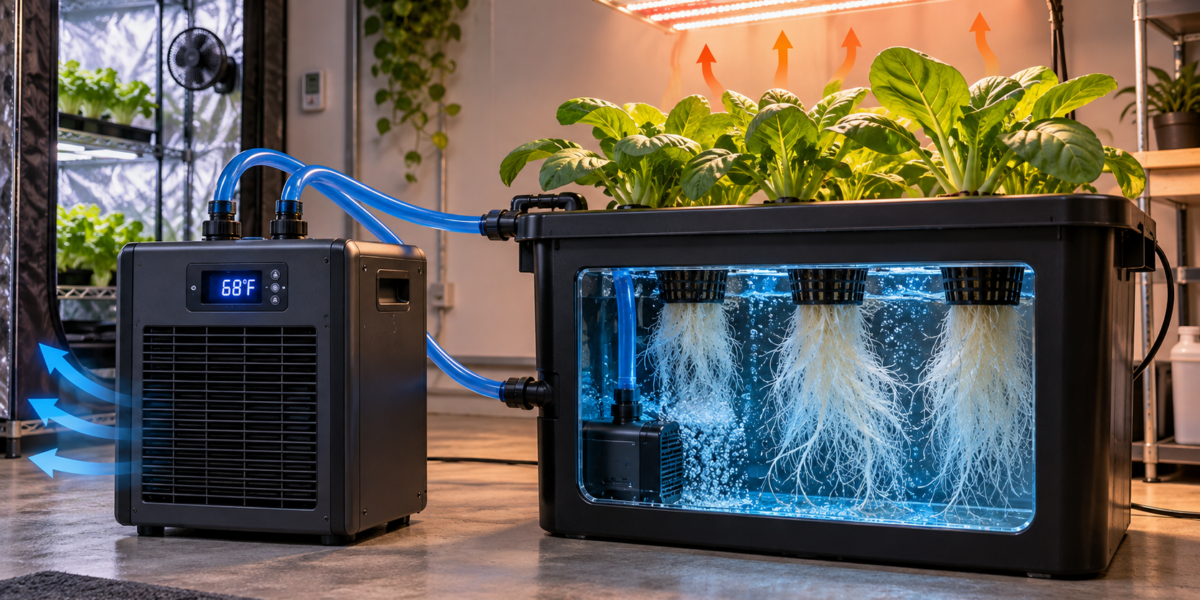
Hydroponic Water Chillers: Stop Summer Root Rot Before It Starts

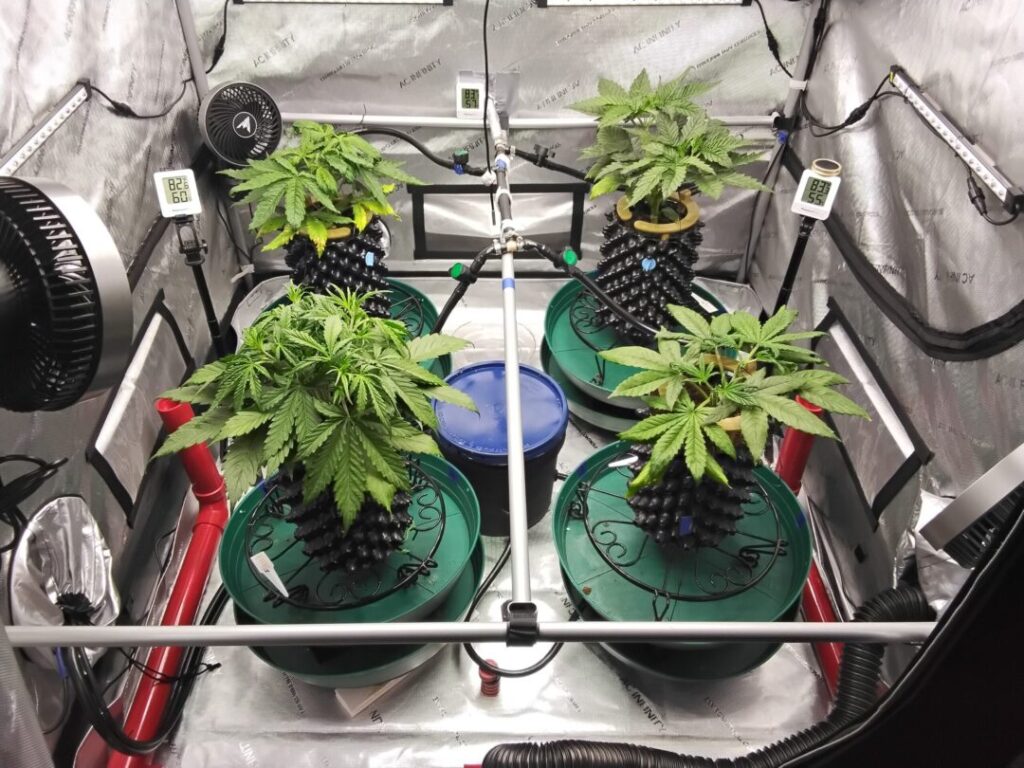
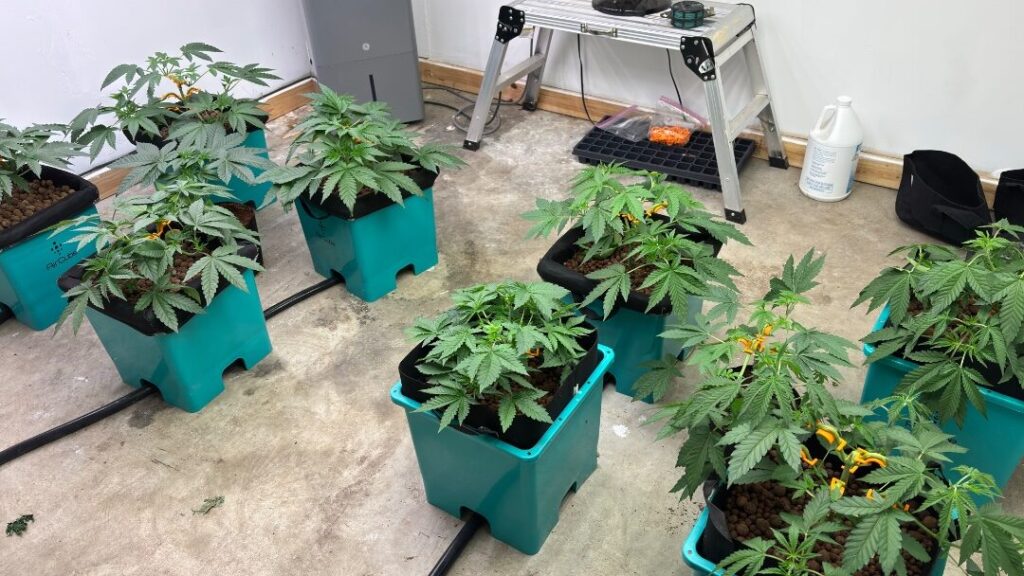



Featured Grow
 Jul 2026 — White Iverson by Selfie Seeds +2 more
White Iverson × Selfie Seeds, Pink Strawberry × Selfie Seeds, Purple Berry × Selfie Seeds • Soil • Started Jul 25, 2026
View journal
Jul 2026 — White Iverson by Selfie Seeds +2 more
White Iverson × Selfie Seeds, Pink Strawberry × Selfie Seeds, Purple Berry × Selfie Seeds • Soil • Started Jul 25, 2026
View journal
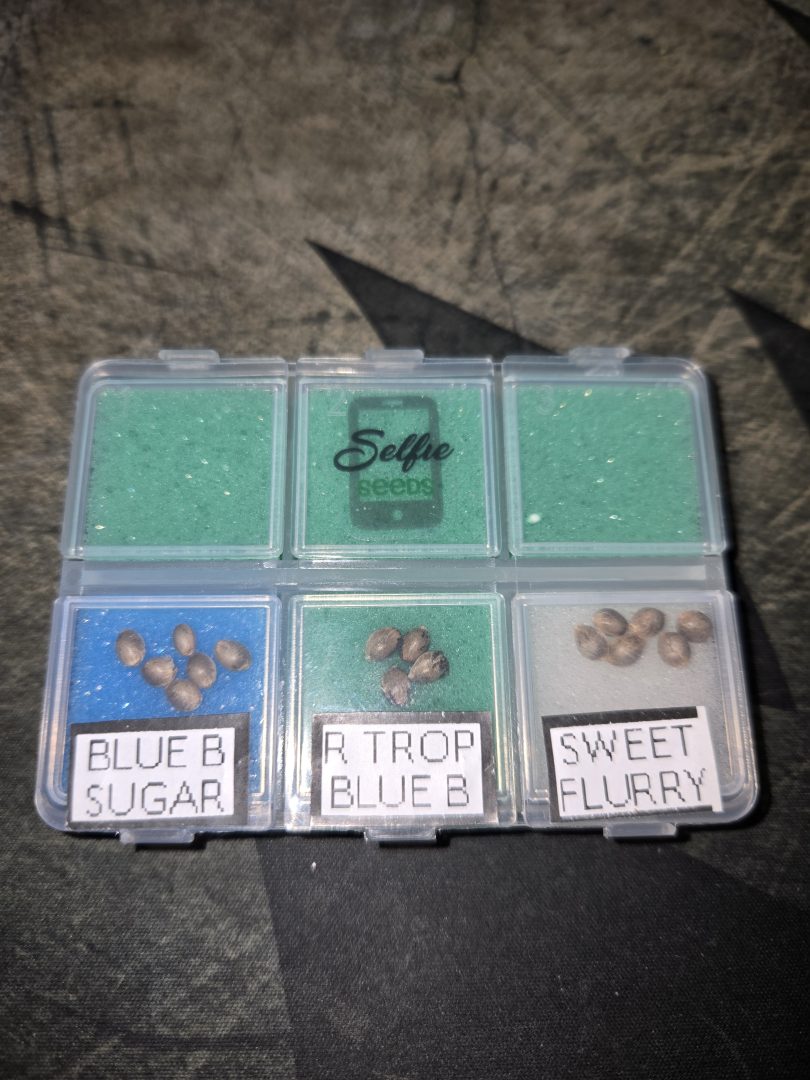 First Selfie Seeds Grow (Blueberry Sugar, Tropical Blueberry, and Sweet Flurry)
Blueberry Sugar × Selfie Seeds, Tropical Blueberry × Selfie Seeds, Sweet Flurry × Selfie Seeds • Soil • Started May 27, 2026
View journal
First Selfie Seeds Grow (Blueberry Sugar, Tropical Blueberry, and Sweet Flurry)
Blueberry Sugar × Selfie Seeds, Tropical Blueberry × Selfie Seeds, Sweet Flurry × Selfie Seeds • Soil • Started May 27, 2026
View journal
Awesome It’ll be a bit chlorophyllie but definitely let me know your opiniones

Walked in this morning before lights out and they are already bouncing back pretty good.
Awesome, fingers crossed for you
Nice LSTing Looks perfectly symmetric

Bananas!!!!! I knew I forgot something today. Thanks, gotta hit the store up in the am anyway. Coming off night,…