

Soil Slurry Test for Cannabis: How to Measure pH and EC
Video chapters

Last updated: August 2026
Quick answer: A soil slurry test is a repeatable way to screen the pH and electrical conductivity (EC) of a growing medium. Mix a representative soil sample with known low-EC water, let it equilibrate, measure the liquid with calibrated meters, and record the exact ratio and timing. The number is useful as a trend—not a command to pour “opposite-pH” water through the pot.
Use this test before planting when you want a baseline, or later when the plant and runoff keep telling different stories. If a surprising result repeats, confirm it with the medium manufacturer or a laboratory before making a large correction.
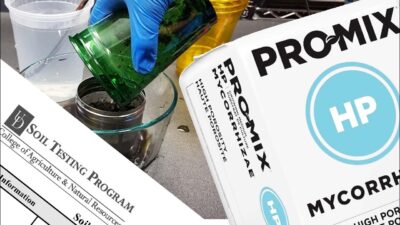
Watch: how to perform a soil slurry test

Selecting a timestamp opens the video at that moment without moving you away from this section.
What a slurry test can—and cannot—tell you
The pH reading estimates the acidity of the liquid surrounding the sampled medium. EC estimates how strongly that extract conducts electricity, which helps you track the concentration of dissolved ions. A meter’s PPM value is calculated from EC, and two meters can display different PPM numbers from the same solution when they use different conversion scales. When possible, record EC along with the meter model and temperature.
A slurry test does not identify individual nutrients, prove that a plant has a deficiency, or tell you exactly how much lime, sulfur, fertilizer, or pH adjuster to add. Results change with the soil-to-water ratio, water chemistry, sample preparation, equilibration time, temperature, and meter calibration. That is why an isolated home reading should not be compared directly with a lab result made by a different method.
Soil slurry test supplies
- A clean cup or jar large enough to stir without spilling
- A representative soil or potting-mix sample
- Distilled, deionized, or known low-EC water
- A measured scoop or graduated cup
- A clean stirrer
- A fine nonreactive strainer
- A calibrated pH meter and an EC meter
- A notebook or phone record for ratio, timing, temperature, pH, and EC
How to run a repeatable 1:1 home slurry test
- Collect a representative sample. Take several small portions from the root-zone area or from different parts of the unused bag. Remove large roots, mulch, and obvious fertilizer granules, then combine the portions. A perfect meter cannot rescue a poor sample.
- Calibrate the pH meter. Use fresh buffers that bracket the expected range. Rinse the probe between solutions and follow the manufacturer’s storage instructions. Confirm the EC meter against its standard when the model supports calibration.
- Record the water baseline. Measure the starting water’s pH and EC. If the source water already has a high EC or unusual alkalinity, it will influence the extract.
- Measure equal parts by volume. Add one level volume of soil and one equal volume of water. Write down the ratio. Laboratory methods may use mass instead of volume or a 1:2 ratio, so never compare methods without labeling them.
- Mix and equilibrate. Stir thoroughly for about one minute, breaking every dry pocket. Let the sample stand for 15–30 minutes, stir once more, then allow coarse particles to settle. This update aligns the home screen with the practical 1:1 method described by UF/IFAS Extension. The regional SERA-6 soil-test methods manual also shows why the ratio and equilibration time must be reported.
- Measure the liquid phase. Strain enough liquid to cover the probe, or place the probe in the clear liquid above the settled soil without grinding it into abrasive solids. Wait for the display to stabilize, record pH and EC, then rinse the probes.
- Repeat before reacting. If the result looks unreasonable, make a second slurry from a fresh composite sample. A repeated result is much more useful than one number from one scoop.

How to interpret pH and EC safely
First compare the slurry with the starting water and with earlier samples made by the same method. Then compare the result with the medium manufacturer’s guidance and the plant’s actual symptoms. Peat-based potting mixes, mineral soil, coco blends, and living organic media do not behave identically.
- Unexpected pH: repeat the test, verify calibration, and check the water’s alkalinity before changing the root zone.
- High EC: confirm the sample was not taken from a concentrated fertilizer pocket and check container moisture and runoff history. High EC can support a salt-accumulation diagnosis, but it does not prove nutrient burn by itself.
- Low EC: do not assume every nutrient is missing. Fresh mixes, organic sources, and slow-release fertilizers may not appear in a quick extract the same way soluble salts do.
Do not chase the slurry number by feeding very acidic or alkaline water until runoff “matches.” That can overshoot, disturb nutrient balance, or damage roots. Use the cannabis pH, EC, PPM and runoff guide to place the reading inside a broader diagnosis, and use the nutrient-deficiency guide before treating leaf color as a shopping list.
When to send soil to a laboratory
Use a laboratory when a repeated home result is extreme, a large batch of media is involved, the plant problem persists after meter and watering checks, or you need lime, nutrient, alkalinity, or contaminant recommendations. A lab can use a documented regional method and measure more than a home pH/EC screen.
Recommended soil-slurry testing tools
Related HWGrow test: See how a consumer color-comparison kit performed against a laboratory in the Rapitest soil test kit review.
 Combination pH and EC meterShows both measurements from the same prepared extract. Calibrate it and record the EC scale before comparing results.View product
 Replaceable-probe pH meterA dedicated meter with a replaceable probe for growers who want a longer-service measurement tool.View product
 Fine nonreactive strainerSeparates enough liquid for the probes without scraping a fragile glass bulb through gritty solids.View product
 Calibration and storage kitFresh buffers reveal drift, and proper storage solution protects the probe between slurry tests.View product
Affiliate disclosure: HWGrow may earn a commission from qualifying purchases at no additional cost to you. Equivalent tools can be substituted when they provide the same clean, calibrated measurement function.
Soil slurry test FAQ
Should I test runoff or make a slurry?
Use runoff to track what leaves a container during a normal irrigation. Use a slurry when you need a prepared sample from the medium itself. They answer related but different questions and should not be expected to match exactly.
Is one scoop of soil enough?
Only when that scoop represents the area you care about. A composite made from several small portions is safer than sampling one wet corner, dry edge, fertilizer granule, or root pocket.
Can I compare my slurry PPM with a feed-chart PPM?
Not directly. The slurry ratio, water, extraction time, meter scale, and medium all influence the number. Report EC and the test method, then compare repeated samples made the same way.
Does a low slurry pH mean I should water at a very high pH?
No. Repeat the test, verify the meter and source water, and identify why the medium is acidic. Correct the cause gradually with an appropriate amendment or feed strategy instead of trying to cancel one extreme with another.
Comments
Leave a reply
You may also like
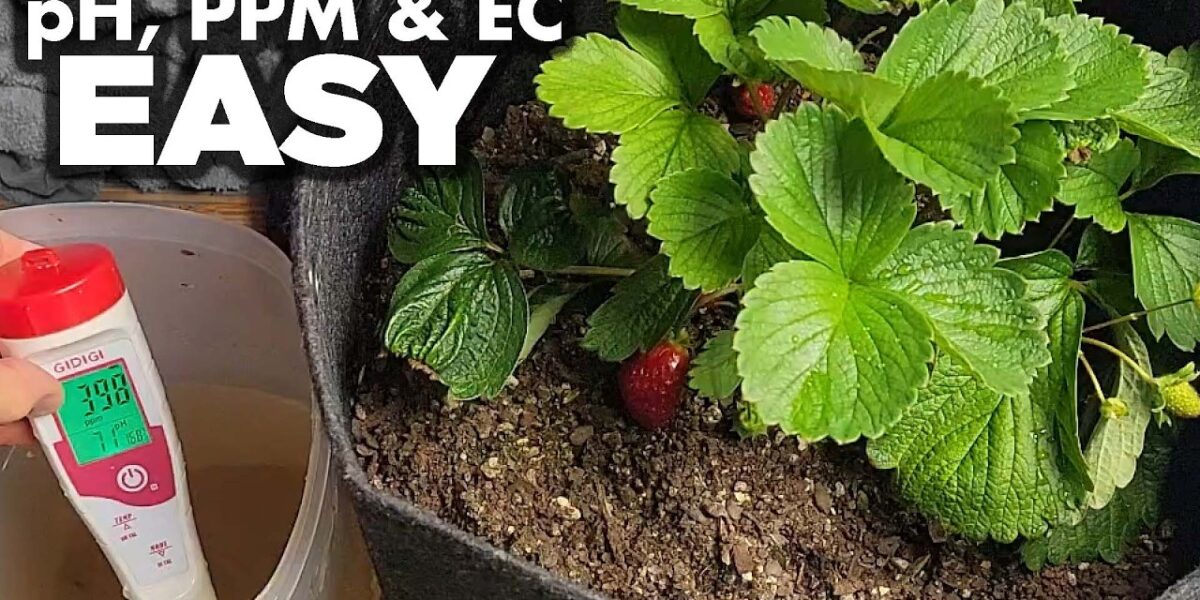
pH vs. PPM for Cannabis: EC Scales, Buffering and Nutrient Lockout

Complete Grow Tent Setup: Four Videos, One Working Setup




Featured Grow

Mine wasnt that bad, i am low rate afib so just swing between 95 and high as 150 sometimes, up…

Yeah not fun, but as long as it helps thats what matters. Had my heartrate 200+bpm in the hospital for…
Tupac mine is for afib. Just Had cardio version the other week to get me out of it, worst case…
I was hoping for one at least that check the box's, but ya, having a couple is that much better.…
Heart cath ablation? Had one of those for Super Ventricular Tachycardia and it worked well
Hey bro I slurry’d my happy frog and I came up with a ph of 5.36 and a ppm of 2840. The water I used to test was ph’d to 6.7 with 10 ppm. How is my ppm so high and wwyd? is there an easy way to bring the PPM down like Coco or something? I am going to make another slurry test today and I will let you know what that is. Thanks for all your hard work.
Take that slurry and add ph up and half a gallon of water until it hits 6.5, then mix all of that slush with 5 gallons (a fabric pots worth) of soil. Follow that same ratio of add ons to each 5 gallons of soil.
August 2026 correction: The older reply above is superseded by the updated guide. Do not correct an entire pot by adding concentrated pH Up to a slurry and extrapolating that dose. Verify the meter and method, repeat the test, then make small, medium-appropriate changes while watching plant response and pH/EC trends.