

How to Top, FIM and Low-Stress Train Cannabis
Video chapters: low-stress training and SCROG

Last updated: August 2026
Quick answer: Topping and FIMming create new leaders by cutting the growing tip. Low-stress training (LST) spreads those branches sideways so more tops share the strongest light. Start with a healthy plant in vegetative growth, make one clean change at a time and give it time to respond. The goal is a level, open canopy—not a plant that has been bent, cut and stripped just because somebody’s calendar said so.

Selecting a timestamp opens the video at that moment without moving you away from this section.
Topping, FIMming, LST and SCROG are different jobs
- Topping removes the whole growing tip above a node. The two branches below it usually become the new leaders.
- FIMming removes most of the newest growth but deliberately leaves part behind. The response is less predictable than a clean top.
- Low-stress training repositions flexible branches without crushing or cutting them.
- SCROG means “screen of green.” It is LST performed through a trellis so tops can be spread across the light footprint.
To calculate a target top count from canopy area and plant count, use the focused how many times to top cannabis guide.
None of these methods creates energy from nowhere. They change plant architecture and where the canopy intercepts light. Published cannabis research has found that architecture treatments can change height, yield and flower uniformity, but the response depends on the cultivar and treatment. See the indoor pruning study and the plant-architecture study.
When is a cannabis plant ready to train?
Train during healthy vegetative growth, after the roots are established and the plant is adding new leaves at a steady pace. For topping or FIMming, wait until there are enough nodes below the cut to build the structure you want. There is no magic node count that fits every cultivar, but a small seedling with barely any growth has less room for error than an established plant.
Postpone cutting if the plant is wilted, recently transplanted, overwatered, showing an unresolved deficiency, battling pests or recovering from another major stress. Fix the problem first. Training is easiest when you are guiding vigorous growth—not trying to rescue it.
How to top a cannabis plant
- Choose the structure. Look down the main stem and decide which node will become the top of the permanent framework.
- Clean sharp scissors. Wipe the blades before moving between plants. A clean cut is easier to manage than a crushed or torn stem.
- Leave a small stump. Cut the main tip above the chosen node without shaving the cut flush against the two side branches. That little bit of stem gives the junction more support.
- Leave the plant alone. Keep the normal measured feed, light and environment. Do not stack heavy defoliation, transplanting and aggressive bending onto the same day.
- Watch the two leaders. Once both branches are growing strongly, begin pulling them outward a little at a time.
How to FIM cannabis
FIMming is the intentionally imperfect cousin of topping. Instead of removing the entire shoot tip, you cut through most of the tightly folded new growth. It may create several shoots, but it is not a guaranteed four-top button. The cut height, cultivar and exact growth stage can all change the result.
Video chapters: FIM cut close-up
- 0:00 — Identify the newest folded growth
- 0:08 — Cut through most of the new tip
- 0:18 — Let the remaining growth recover
If you want two predictable leaders, top. If you are comfortable watching an uneven response and shaping whatever comes back, try a FIM. Either way, do not keep recutting the same stressed tip because the first day does not look dramatic.
How to low-stress train cannabis
- Work with flexible growth. Young branches bend; older woody branches snap. Start early and make small adjustments.
- Anchor the base if needed. A counter-tie can stop the root ball and main stem from being pulled sideways.
- Make a loose loop. Soft plant wire should guide the branch without pinching it. Leave space for the stem to thicken.
- Support the branch with one hand. Bend farther from the main junction so you are not prying the branch away from the trunk.
- Move the top into an open space. You are filling the useful light footprint and separating tops—not trying to make the tent floor completely dark.
- Check every day. New tips turn upward quickly. Move or loosen ties before they bite into the stem.
If you squeeze, soften or crush the inside of the stem before bending, that is high-stress training or supercropping—not LST. It can be useful, but it has a different recovery cost and a higher chance of a split.
How to use a SCROG net
Install the net while you can still reach the pot and branches. As each top rises through a square, guide it sideways under the net and bring it up through a neighboring opening. Keep repeating until the canopy occupies the area you can actually light and ventilate.
Do not chase “every square filled” if that makes branches overlap or traps humidity. A good screen gives tops their own space, keeps the center accessible and leaves room for airflow. One trained plant can fill a large footprint, but that does not automatically mean it will yield the same as three plants. Vegetative time, root volume, genetics, light, climate and plant health still count.
Combining topping or FIMming with LST
A simple beginner workflow is:
- top once and allow the two leaders to establish;
- tie those leaders in opposite directions;
- guide the new side branches into the open spaces;
- add a trellis when individual ties become messy;
- stop making major changes long enough to judge recovery before flowering.
FIMming can replace the first step, but expect a less symmetrical plant. If leaves later become crowded, use the separate defoliation, pruning and lollipopping guide instead of stripping the plant while you are still building its basic shape.
Common cannabis-training mistakes
- Training a sick plant: solve root-zone, pest or environmental problems before adding another stress.
- Bending at the main junction: support the branch and apply pressure farther away from the trunk.
- Using a tight tie: stems thicken quickly and wire can cut into them.
- Stacking every technique: topping, transplanting, supercropping and heavy defoliation on the same day does not make the plant finish faster.
- Trusting a yield promise: training redistributes the canopy; it does not guarantee a specific harvest.
- Making an autoflower recover on your schedule: an autoflower keeps aging while it recovers, so use the least aggressive method that solves the spacing problem.
- Ignoring genetics: short, branchy plants and tall, stretchy plants will not need the same layout. Start with healthy, stable genetics and train the plant in front of you.
Recommended tools for topping, FIM and LST
Related HWGrow guides: For repeatable LST anchor points, see how to add grommets to fabric pots. For a controlled high-stress bend, use the separate cannabis supercropping guide.

Sharp pruning shearsMake a clean topping or FIM cut without crushing the growing tip. Sanitize the blades before moving to another plant.
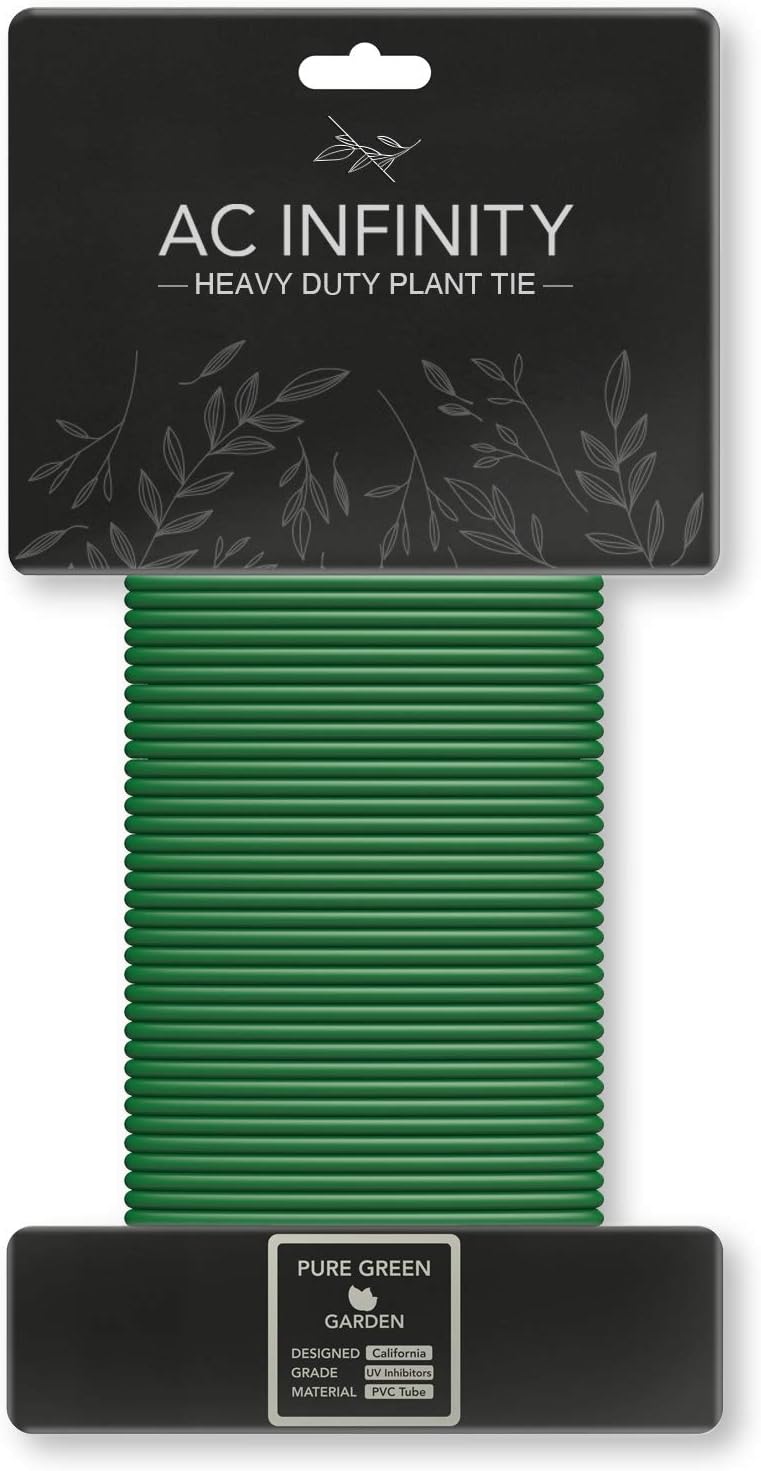
Soft reusable plant tiesGuide flexible branches without thin wire digging into the stem. Leave each loop loose and recheck it as the branch thickens.

Elastic trellis nettingTurns many individual ties into one adjustable screen for spreading established tops across the useful light footprint.
AC Infinity savings: Use code EVYGROWS for additional savings on eligible products. When shopping on Amazon, clip any available coupon first.
Affiliate disclosure: HWGrow may earn a commission from qualifying purchases at no additional cost to you. Equivalent tools can be substituted without changing the training method.
Want help planning the whole canopy?
The public guide gives you the techniques. The protected Grow With Me Masterclass shows how plant training fits beside feeding, light, climate and the rest of a complete grow without reproducing those paid lessons here. New growers can start with the complete seed-to-harvest guide. If you want a second opinion before making the cut, ask HWGrow a question and include a whole-plant photo, side view, cultivar, plant age and any recent stress.
You may also like
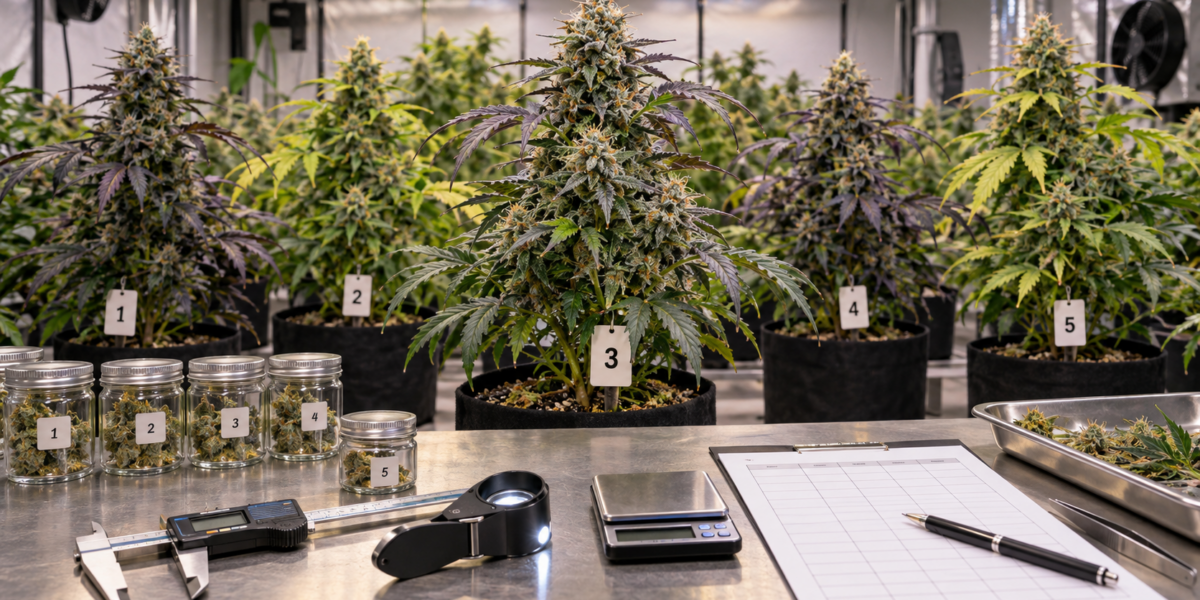
How to Pheno Hunt Cannabis and Choose a Keeper
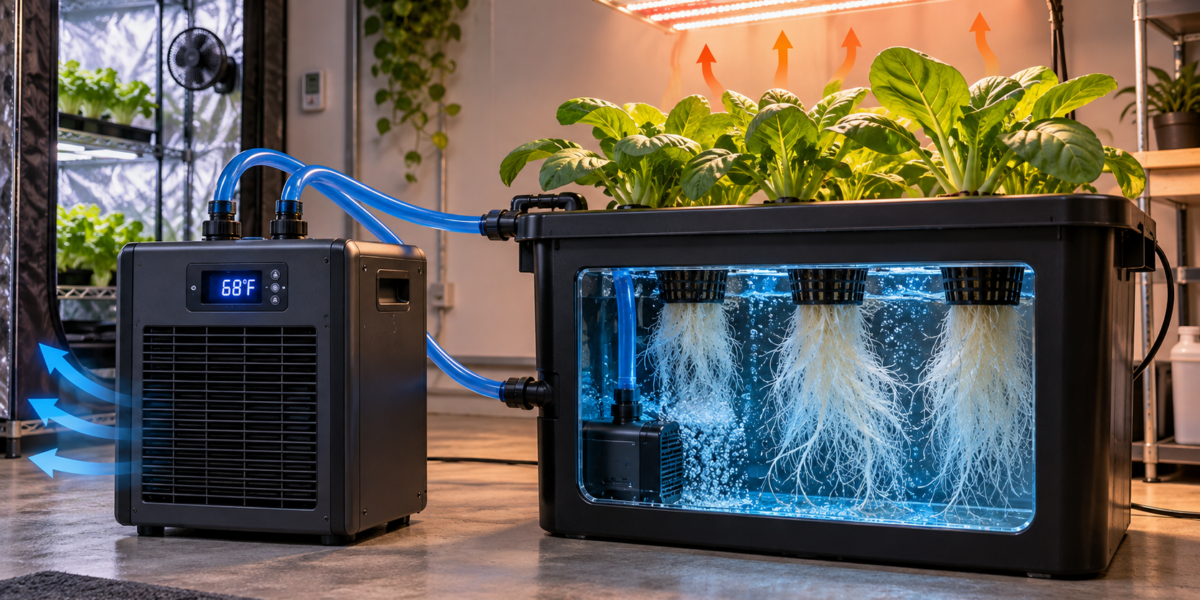
Hydroponic Water Chillers: Stop Summer Root Rot Before It Starts

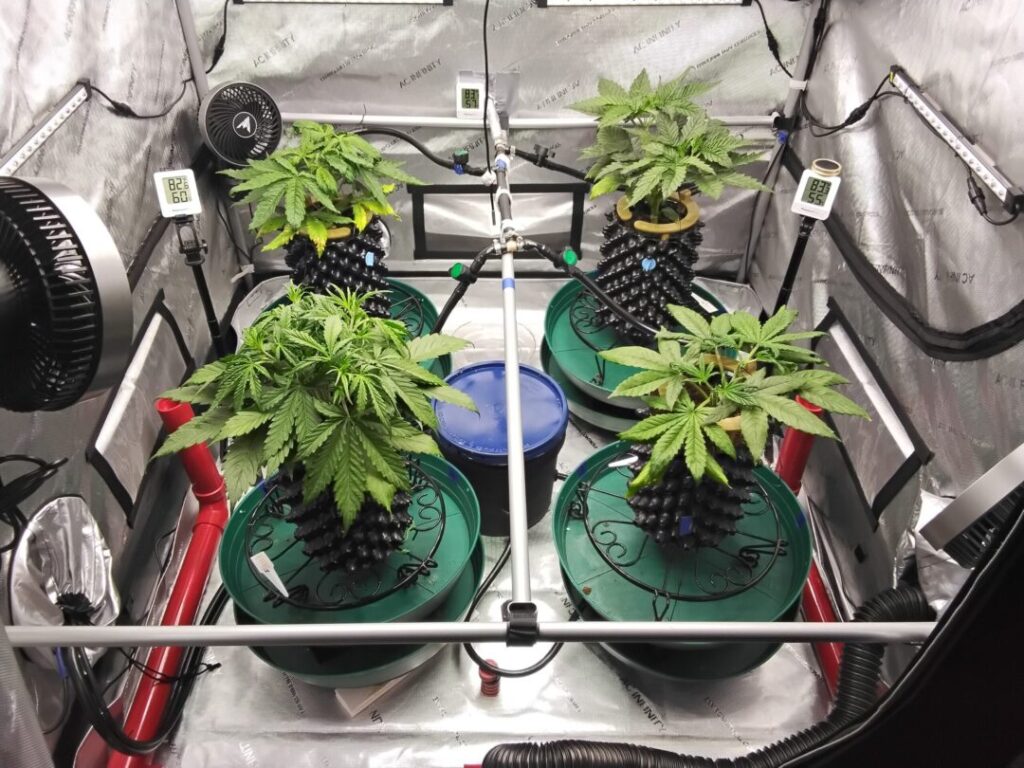




Featured Grow
 Jul 2026 — White Iverson by Selfie Seeds +2 more
White Iverson × Selfie Seeds, Pink Strawberry × Selfie Seeds, Purple Berry × Selfie Seeds • Soil • Started Jul 25, 2026
View journal
Jul 2026 — White Iverson by Selfie Seeds +2 more
White Iverson × Selfie Seeds, Pink Strawberry × Selfie Seeds, Purple Berry × Selfie Seeds • Soil • Started Jul 25, 2026
View journal
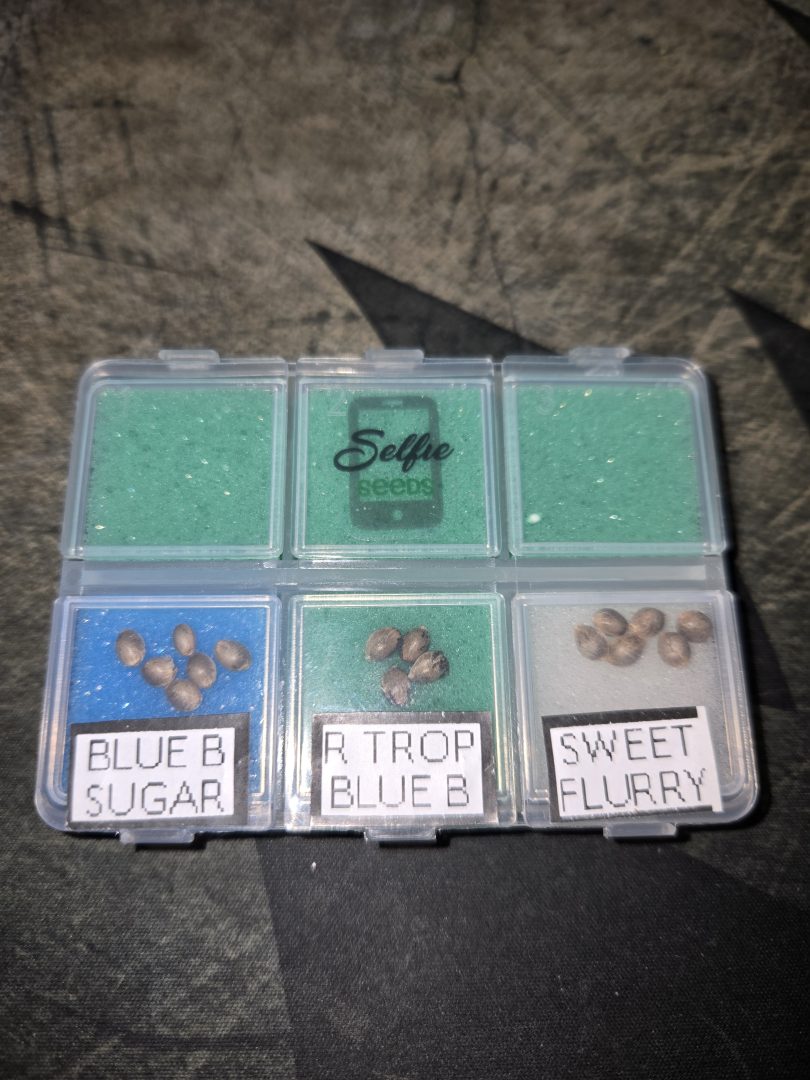 First Selfie Seeds Grow (Blueberry Sugar, Tropical Blueberry, and Sweet Flurry)
Blueberry Sugar × Selfie Seeds, Tropical Blueberry × Selfie Seeds, Sweet Flurry × Selfie Seeds • Soil • Started May 27, 2026
View journal
First Selfie Seeds Grow (Blueberry Sugar, Tropical Blueberry, and Sweet Flurry)
Blueberry Sugar × Selfie Seeds, Tropical Blueberry × Selfie Seeds, Sweet Flurry × Selfie Seeds • Soil • Started May 27, 2026
View journal
Awesome It’ll be a bit chlorophyllie but definitely let me know your opiniones

Walked in this morning before lights out and they are already bouncing back pretty good.
Awesome, fingers crossed for you
Nice LSTing Looks perfectly symmetric

Bananas!!!!! I knew I forgot something today. Thanks, gotta hit the store up in the am anyway. Coming off night,…