


How to Supercrop Cannabis: Bend Stems Without Breaking Them

Last updated: August 2026
Quick answer: Supercropping is a high-stress training method where you soften a small section of stem, then bend the branch without completely snapping it off. It is useful when one top is running away from the canopy or a flexible branch needs to be redirected. Start with a healthy plant, support the branch junction, squeeze and roll gradually, and bend only as far as the space requires. If the stem splits, align and support it immediately.
Video chapters: how to supercrop cannabis
- 0:07 — Why canopy height matters
- 0:27 — What supercropping is
- 0:41 — Accidental bends and recovery
- 0:54 — When one top is too tall
- 1:20 — A deliberate main-stem bend
- 1:28 — What recovery looked like the next day
- 2:05 — Stem flexibility varies by cultivar
- 2:19 — The pinch-and-roll technique
- 2:37 — Secure the stem below the bend
- 2:56 — The healed knuckle
Selecting a timestamp opens the video at that moment without moving you away from this section.
What supercropping actually does
Low-stress training guides a flexible branch without crushing it. Supercropping intentionally softens the tissue inside the stem before the bend, which is why it is considered high-stress training. The branch is still attached and can usually continue growing while the bent top turns back toward the light.
The internet loves to treat that bend like a magic yield switch. It is not. Supercropping changes the shape and height of the canopy. That can help you move a tall top away from the hottest part of the light, fit growth into an open space or keep several tops at a similar height. Whether the final harvest improves still depends on genetics, plant health, light, climate, root volume and how much recovery time you created.
When supercropping makes sense
- one branch is stretching above the rest of the canopy;
- a healthy plant needs to fit below the light or inside the available headroom;
- a branch is still pliable enough to soften without shattering;
- low-stress training alone will not hold the branch where it needs to go.
Vegetative growth is the easiest window because the plant has time to recover and you can still reshape new growth. A flexible branch early in flower may also recover, but risk rises as stems become woody and flowers gain weight. The week shown in a video is an observation from that plant, not a deadline that fits every cultivar.
Skip supercropping when the plant is wilted, overwatered, recently transplanted, fighting pests, showing an unresolved deficiency or already recovering from another major stress. Fix the actual problem first. If you only need to move a young flexible branch, use the gentler topping and low-stress training guide.
How to supercrop a cannabis branch
- Choose the destination first. Decide where the top needs to sit and make sure it will not land on another branch.
- Pick a workable section. Avoid the hard junction where the branch meets the trunk. Choose a straight section that your fingers can support from both sides.
- Support below the bend. Hold the lower stem so your movement does not pull on the root ball or tear the main junction.
- Pinch and roll slowly. Squeeze the selected section between your fingers and gently roll it until the inside begins to soften. Do not rush to force the branch over while it is still rigid.
- Bend only as far as needed. Ease the top toward the open space. It does not need to point at the floor; it only needs to solve the height or spacing problem.
- Support the new position. Use a loose soft tie if the branch keeps lifting, drooping or twisting. Leave room for the stem to thicken.
- Check it every day. Watch the leaves, the bend and every tie. A healthy top may turn upward quickly, while a split or limp branch needs immediate support.
What recovery can look like
This short excerpt removes the long intro and follows one supercropped branch from the next day through the healed knuckle and harvest. It documents what happened in this grow; it does not promise that every plant will recover on the same timeline or produce a larger harvest.
Video chapters: recovery, knuckle and harvest
- 0:00 — The supercropped branch
- 0:09 — Leaf response after one day
- 0:29 — Recovery after three weeks
- 0:38 — A close look at the healed knuckle
- 0:50 — The plant at harvest
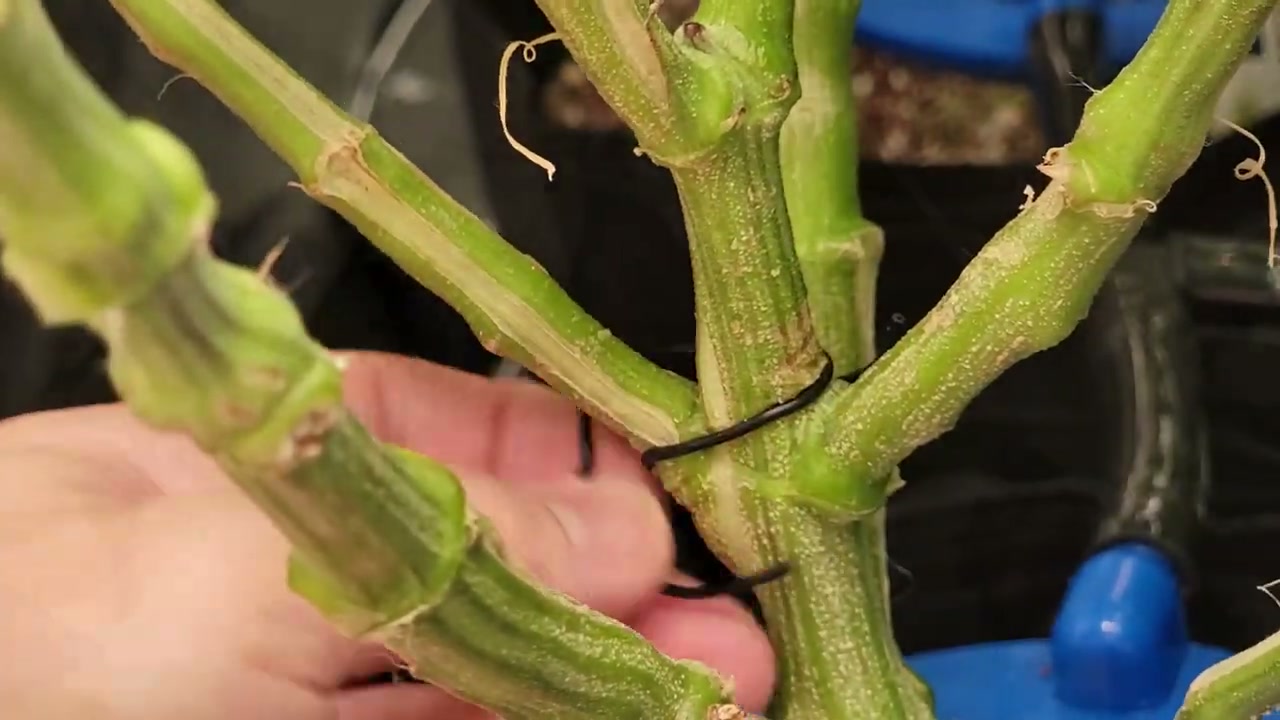
What the knuckle means—and what it does not
The thick spot is healing tissue around the stressed section. It is useful evidence that the branch reinforced the bend. It is not proof that nutrients now travel through a “superhighway,” and it cannot prove that supercropping increased potency or yield.
Direct controlled research comparing ordinary supercropping treatments is limited. Broader cannabis research does show that plant density and architecture can change canopy yield and chemical uniformity, which is why shaping the canopy can matter without needing an exaggerated biological claim. Read the plant-architecture study.
What to do if the stem splits
- Stop moving the branch and support its weight.
- Gently line up tissue that is still attached. Do not keep opening the split to inspect it.
- Wrap the area with plant-repair or grafting tape, then add a soft tie or stake so wind and branch weight cannot reopen it.
- Keep the normal environment steady. More fertilizer does not glue a split together.
- Inspect the wrap as the stem swells and loosen or remove it before it begins cutting into the plant.
A fully detached or badly crushed branch may be lost. Do not automatically call every broken branch a clone. A viable fresh cutting has different requirements; use the complete cannabis cloning guide if you intentionally want to root one.
Common supercropping mistakes
- Forcing a rigid stem: soften a small section first and stop if the bark begins tearing.
- Bending at the main junction: support the branch and work farther away from the trunk.
- Chasing an extreme angle: the correct bend is the smallest one that fixes the canopy.
- Ignoring cultivar differences: some stems stay rubbery while others become hollow, brittle or woody early.
- Stacking stress: a transplant, heavy defoliation and several supercrops on the same day can turn a simple adjustment into a long recovery.
- Letting a tie girdle the stem: use wide, soft material and recheck every loop as the branch thickens.
- Treating the video as a yield guarantee: it shows a method and one plant’s response, not a promise.
Recommended supercropping tools
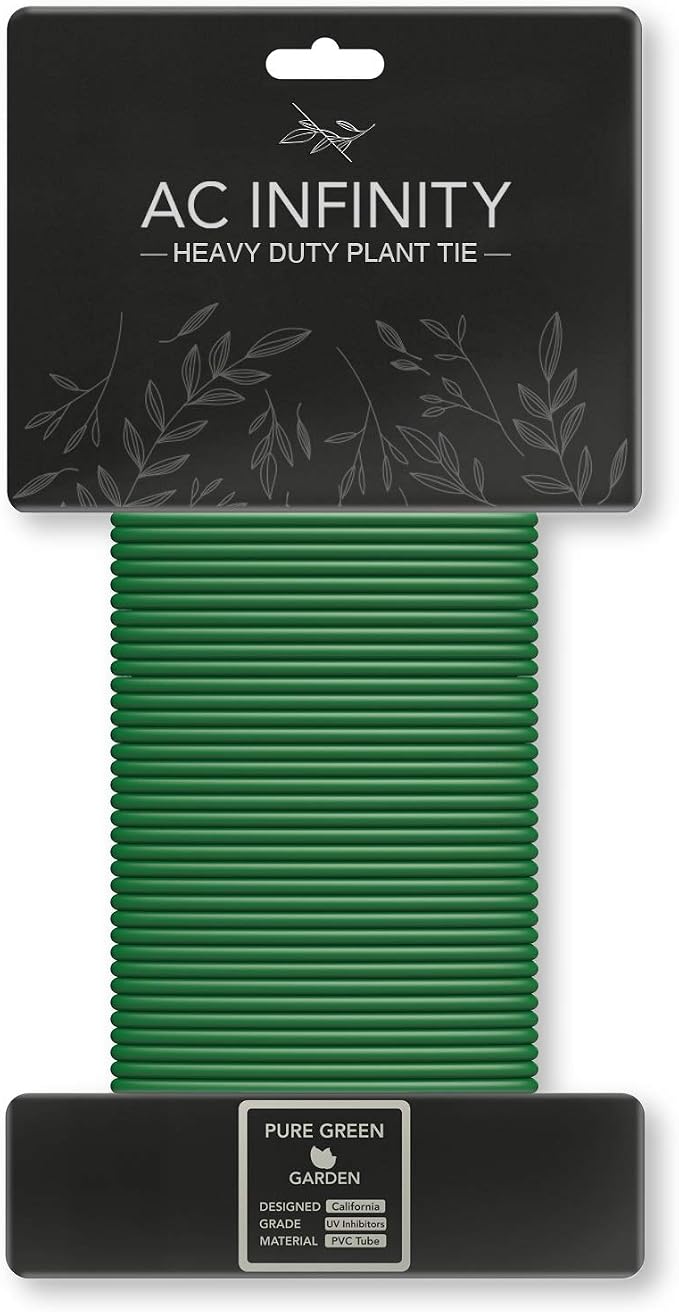
Soft reusable plant tiesHold a bent branch in its new position without thin wire cutting into the stem. Keep the loop loose and check it daily.
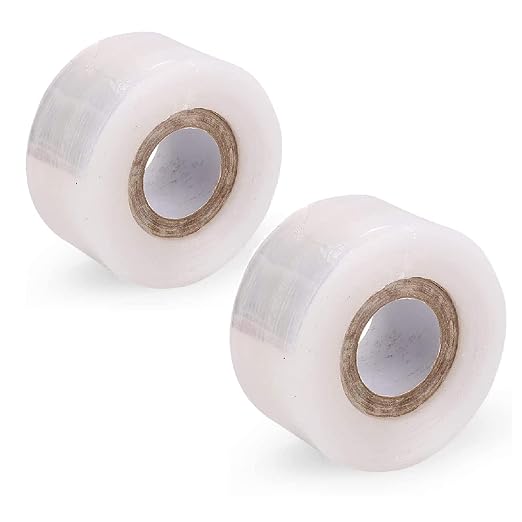
Plant repair tapeAlign and stabilize attached tissue after an accidental split. Inspect the wrap as the stem swells so it does not girdle the branch.

Sharp pruning shearsUseful only when damaged material truly needs a clean cut. Sanitize the blades before moving to another plant.
Affiliate disclosure: HWGrow may earn a commission from qualifying purchases at no additional cost to you. Equivalent tools can be substituted without changing the training method.
Want help fitting training into the whole grow?
This public guide teaches the supercropping method. The protected Grow With Me Masterclass shows how training fits beside feeding, light, climate and the rest of a complete grow without reproducing those paid lessons here. New growers can start with the complete seed-to-harvest guide. If you are unsure whether a branch is flexible enough, ask HWGrow a question and include a whole-plant photo, a close-up of the proposed bend, cultivar, plant age and any recent stress.
You may also like
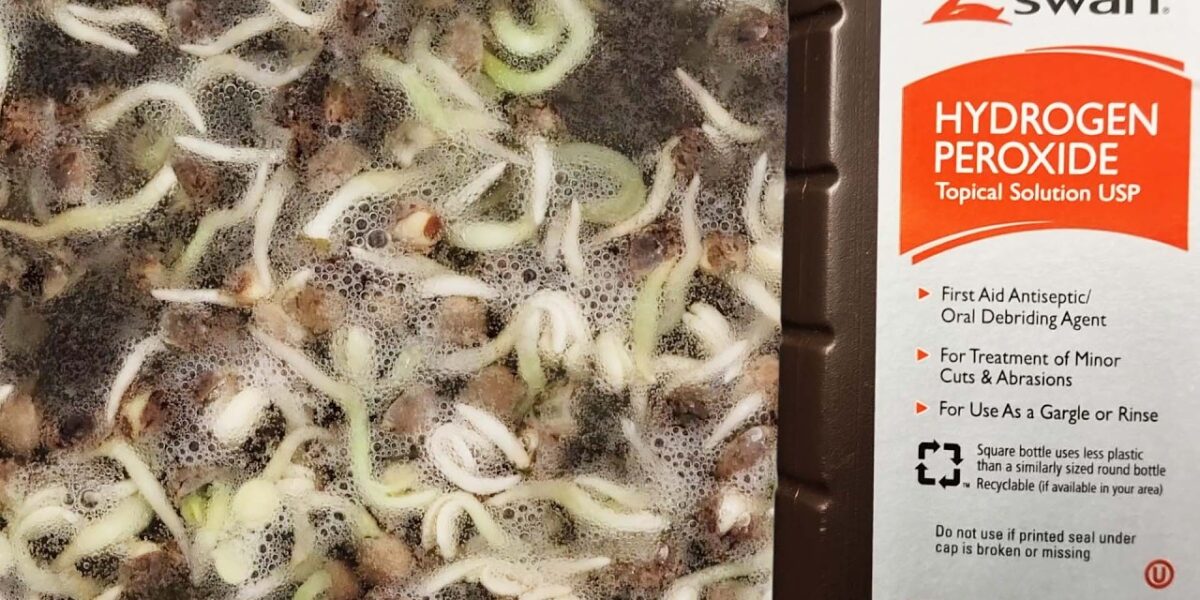
Hydrogen Peroxide for Plants: Uses, Risks and Safer Alternatives
Hydro Masterclass: Is Hydro Right for You?


You have to bring it up to the targets listed in the chart.

i have a dwc 4 pot hydroponic system with no res… so how much juice do i put together i’m…
Hey! Please tell me the selfieseeds site is coming back up for at least a little bit?
Hi everyone, I'm building a new indoor grow and I'd like some advice from growers with real long-term experience. My…
What is the PPM for 3 gallons I’m new to all this and have no idea what I’m doing


