

Yellow Cannabis Leaves: Causes, Diagnosis and Fixes

Last updated: August 2026
Quick answer: A yellow cannabis leaf is a symptom, not a diagnosis. Before adding fertilizer, check where the yellowing started, the pattern on the leaf, the plant’s stage, root-zone moisture, recent feeding, pH and EC/PPM. Nitrogen, potassium, magnesium and sulfur shortages can cause yellowing, but so can overwatering, root problems, high salts, pH-related uptake problems, pests, excessive light, temperature stress and normal aging.
The safest fix is to narrow the cause, change one thing and watch the new growth. Pouring several “deficiency cures” into the same feed can turn one unclear symptom into a nutrient imbalance.
Watch: four controlled yellow-leaf examples
HWGrow intentionally deprived plants to record nitrogen, potassium, magnesium and sulfur symptoms and recovery. That firsthand footage is the primary source for the four patterns below. The video also contains older shortcuts: these four nutrients are not the only reasons leaves turn yellow, the pH target depends on the growing medium, and Epsom salt should be measured rather than pinched into a mix. Use the footage to recognize patterns and the written workflow to diagnose them.

Selecting a timestamp opens the standard HWGrow pop-out player at that moment without taking you away from this section.
Diagnose yellow leaves in this order
- Mark the plant stage. One shaded older leaf late in flower is different from a fast-moving yellow pattern during vegetative growth. Do not force a “fade,” but do not treat normal aging like an emergency either.
- Find the starting point. Did the symptom begin on the oldest lower leaves, the newest top growth, the margins or between the veins?
- Check the root zone. A constantly saturated pot, sour odor, poor drainage, compacted media or damaged roots can restrict uptake even when fertilizer is present.
- Review the last change. Write down the last feed, pH adjustment, transplant, watering, light change, spray and temperature event. Timing can eliminate several false diagnoses.
- Inspect both leaf surfaces. Look for mites, thrips, eggs, webbing, spots and physical damage before assuming nutrition.
- Measure instead of guessing. Check the mixed feed and use a repeatable soil slurry test or the appropriate pH, EC, PPM and runoff workflow for the medium.
- Make one conservative correction. Use the complete nutrient program or one clearly justified supplement. Record the dose and avoid stacking nitrogen, Cal-Mag, potassium and pH products together.
- Judge the response correctly. Damaged yellow tissue may not turn green again. Look for healthy new growth and a stopped progression before adding more.

Four deficiency patterns from the experiment
| Possible cause | Typical starting pattern | Check before adding anything | Measured response |
|---|---|---|---|
| Nitrogen | Older lower leaves become pale, then yellow; the pattern can move upward because nitrogen is mobile in the plant. | Plant stage, normal senescence, watering, root health and the nitrogen already supplied by the complete feed. | Restore an appropriate complete nutrient dose or a justified nitrogen source. Do not chase late-flower leaf color with heavy nitrogen. |
| Potassium | Older leaves often develop yellowing at tips and margins that can progress to brown, dead edges while inner tissue stays greener. | Root-zone EC, pH, moisture and calcium/magnesium balance. Salt stress and root damage can look similar. | Correct the root-zone cause first, then use the labeled potassium component of the feeding program only when the evidence supports it. |
| Magnesium | Older or middle leaves show interveinal chlorosis: tissue between veins yellows while the veins remain greener. | Medium and water pH, EC, source-water minerals and calcium/potassium balance. Iron problems more often begin on new growth. | Use a measured Cal-Mag product or unscented magnesium sulfate only when magnesium is actually the missing input. |
| Sulfur | Newer upper growth becomes pale or more evenly yellow; striping can occur and may resemble iron or other young-growth disorders. | The complete fertilizer label, pH, root health and whether a tissue test is practical. True sulfur shortage is less common than a generic yellow-leaf checklist suggests. | Correct the diagnosed cause with a complete feed or measured sulfur source. Avoid treating every pale top as sulfur deficiency. |
What commonly mimics a nutrient deficiency?
- Overwatering or poor drainage: roots need oxygen. A saturated root zone can cause yellowing and slow growth even when nutrients are present.
- High EC or accumulated salts: adding more fertilizer can make the problem worse. Compare input and root-zone readings before feeding again.
- Incorrect pH for the medium: soil, coco and hydroponic systems do not share one universal target. Mix nutrients first and adjust pH last using the measured pH-adjustment method.
- Root disease or pests: inspect the root zone and leaf surfaces. A nutrient bottle will not cure damaged roots or insects.
- Light or temperature stress: bleaching near the top and edge damage may follow an environmental change rather than a depleted nutrient.
- Natural aging: a few old leaves can decline as the plant reallocates resources. Rapid or widespread yellowing still deserves investigation.
Penn State’s plant-health diagnostic guide lists multiple causes for both old-leaf and whole-plant yellowing, including watering, root rot, pot binding, temperature and light. University of Minnesota Extension likewise notes that mobile-nutrient symptoms often begin on older leaves while less-mobile nutrient symptoms tend to appear on newer growth. The pattern helps narrow the list; it does not prove the cause by itself.
How to correct the problem without overfeeding
- Let the root zone reach the appropriate moisture level for the medium. The fabric-pot watering guide explains pot weight, full saturation and runoff without a rigid calendar.
- Confirm the meter and measurement method before reacting to one surprising number.
- Mix the base nutrient program in the proper order. The nutrient-mixing-order guide keeps concentrated products from reacting with each other.
- Use the label and actual reservoir or container volume. The video’s two-grams-per-gallon Epsom example is not a universal prescription, and “a pinch” is not a repeatable dose.
- Recheck new growth and the spread of symptoms over the next several days. Do not redose simply because an old damaged leaf remains yellow.
Recommended yellow-leaf diagnostic tools
 Digital pH, EC and PPM meterMeasure mixed feed and root-zone trends before deciding that yellow leaves need more fertilizer.View product
 FloraMicro base nutrientThe nitrogen-containing product demonstrated in the video. Use it as part of a balanced recipe, not as an automatic cure for every lower yellow leaf.View product
 Calcium and magnesium supplementA measured option when the water, base feed and leaf pattern support a magnesium correction.View product
 Unscented Epsom saltA diagnosis-dependent magnesium and sulfur source. Measure it and account for what the complete feed already contains.View product
Affiliate disclosure: HWGrow may earn a commission from qualifying purchases at no additional cost to you. Equivalent calibrated meters, complete nutrients and labeled supplements can be substituted without changing the diagnosis-first workflow.
Evidence references
- Penn State Extension: diagnosing poor plant health and yellow leaves
- Penn State Extension: plant nutrition, deficiency, excess and detection
- University of Minnesota Extension: mobile and immobile nutrient symptom patterns
- Cornell: controlled Cannabis sativa nutrient-disorder research
Frequently asked questions
Should I remove yellow cannabis leaves?
Remove a leaf when it is fully dead, diseased, blocking access or likely to fall into the medium. Do not strip every partly yellow leaf before diagnosing the plant; its location and pattern are useful evidence.
Can a yellow leaf turn green again?
Some mildly chlorotic tissue may improve, as the controlled video shows, but badly damaged tissue may never recover. Judge the correction by healthy new growth and whether the yellowing stops spreading.
Do yellow lower leaves always mean nitrogen deficiency?
No. Nitrogen shortage is one possibility, but overwatering, root rot, pot binding, low fertility and natural aging can also begin on older leaves.
Should I add Cal-Mag whenever leaves turn yellow?
No. Cal-Mag is useful only when the water, complete nutrient recipe, pH, EC and symptom pattern justify calcium or magnesium. Unnecessary supplementation can create another imbalance.
What should I send when asking for help?
Include whole-plant and close-up photos, the growing medium, container size, plant stage, recent feed and watering history, input pH/EC, root-zone or runoff readings, temperature, humidity and the timeline of the symptom.
Comments
Leave a reply
You may also like
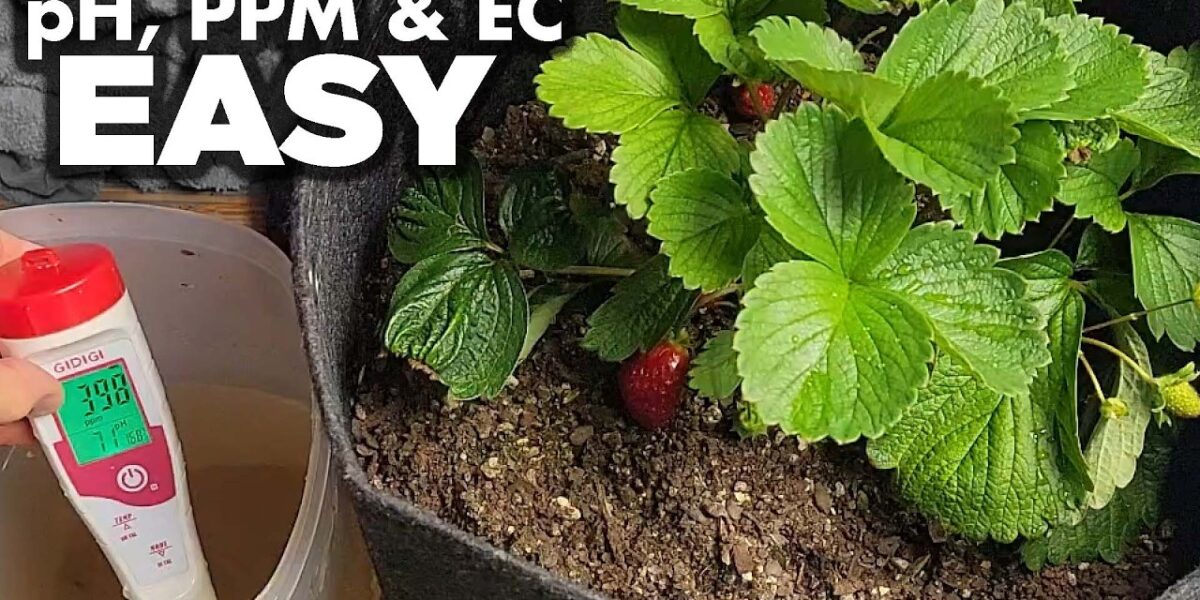
pH vs. PPM for Cannabis: EC Scales, Buffering and Nutrient Lockout

Complete Grow Tent Setup: Four Videos, One Working Setup




Featured Grow

Mine wasnt that bad, i am low rate afib so just swing between 95 and high as 150 sometimes, up…
Yeah not fun, but as long as it helps thats what matters. Had my heartrate 200+bpm in the hospital for…
Tupac mine is for afib. Just Had cardio version the other week to get me out of it, worst case…
I was hoping for one at least that check the box's, but ya, having a couple is that much better.…
Heart cath ablation? Had one of those for Super Ventricular Tachycardia and it worked well
For any of the deficiencies, is there a chart for the ingredients to add? I see you add x amount of micro to the veg blend. Are these supposed to be standalone feedings or together with the juice blends. If so what is the blend amount (extra nutes/tps to add to the juice galon blend?
No, every situation is different. First measure the runoff ph and ppms, then start small with adding the deficient nutrient. 2-3 ml a gallon is a safe place to start.
Hello, I recently bought General Hydroponics Flora Bloom, Micro and Gro for nutrients to use for my currents grow but i was recently told not to use them in my soil grow because they are hydroponics?? i thought that was just the brand? I’m currently running Happy Frog soil mix.
That’s just the brand. I probably wouldn’t listen to any advice from whoever told you that moving forward.