


Bongs vs. Pipes vs. Joints: Differences, Risks and Safer Use

Last updated: August 2026
Quick answer: Bongs, hand pipes and joints all burn cannabis, so all three create smoke. A bong cools the smoke and can trap some particles, but it does not make smoking safe. If an adult chooses to inhale cannabis, the biggest risk-reduction steps are avoiding combustion when possible, using legal and tested products, not mixing with tobacco, taking smaller inhalations without breath-holding, keeping reusable pieces clean and never driving impaired.

Bongs vs. pipes vs. joints at a glance
| Method | What happens | Main tradeoff | Practical caution |
|---|---|---|---|
| Joint or paper | Flower and paper burn continuously | Portable and simple, but produces sidestream smoke between inhalations | Avoid tobacco wraps and deep breath-holding |
| Hand pipe | Flower burns in a small reusable bowl | Uses no rolling paper, but the short smoke path can feel hot and harsh | Use intact glass or ceramic—not heated plastic or unknown coatings |
| Water pipe or bong | Smoke bubbles through water before inhalation | Water cools smoke and traps some material, but harmful smoke still reaches the lungs | Fresh water and a clean piece do not make combustion safe |
| Dry-herb vaporizer | Flower is heated without intentionally burning it | Avoids combustion, but inhalation and THC risks remain | Use a legal, reputable device; do not confuse dry herb with unregulated oil cartridges |
What a bong really filters
Water changes the feel of smoke more than it changes the basic health answer. It cools the smoke and can capture some particles and water-soluble material. That smoother feeling can be mistaken for safety, yet combustion products still pass through the water. Health Canada specifically warns that water filtration does not make pipe smoking safe, and the CDC says smoked cannabis can damage lung tissue regardless of how it is smoked.
There is another practical catch: cooler smoke can make a larger inhalation feel easier. A larger inhalation is still more smoke. Do not use smoothness as a dose meter, and do not hold smoke in. Canada’s lower-risk cannabis guidelines recommend avoiding deep inhalation and breath-holding because these behaviors increase the amount of toxic material deposited in the respiratory system.
Joints and rolling papers
A joint is the simplest format: ground flower wrapped in a burnable paper. The downside is that it keeps burning between inhalations, creating sidestream smoke and using material even when nobody is drawing from it. Blunts add a cigar or tobacco wrapper, which adds nicotine and tobacco-smoke exposure; that is not a safer version of a joint.
If an adult chooses papers, use products from a reputable legal retailer and avoid novelty papers with unknown inks, dyes or coatings. Do not share mouth-contact items when someone is sick. The method is easy, but it is still combustion.
Hand pipes
A hand pipe burns only what is placed in its bowl, so the user has more control over how much is lit at once. It does not have water to cool the smoke, and a short pipe can deliver hot smoke quickly. Choose intact glass or ceramic designed for heat. Do not improvise with plastic bottles, aluminum cans, painted hardware or mystery metals; heat can introduce additional contaminants.
Cracks, chipped mouthpieces and damaged bowls are replacement signals. A reusable pipe also needs routine cleaning because resin and debris narrow the airway, change flavor and hold old moisture.
Water pipes and bongs
A bong is a pipe with a water chamber. The water cools the smoke and captures some ash and debris. It does not remove all irritants, carcinogens or fine particles. The safest way to describe it is cooler smoke, not clean smoke.
Use fresh water for each session and empty the piece afterward. Standing water and residue make a reusable piece harder to clean and unpleasant to share. If a piece is shared, separate mouthpieces reduce direct contact, but not secondhand-smoke exposure. Use the piece outdoors or away from other people when possible, especially children and anyone with asthma or another respiratory condition.
Where vaporizers fit
A dry-herb vaporizer heats flower without intentionally setting it on fire. Avoiding combustion can reduce exposure to some smoke toxicants, but it does not make inhalation risk-free and it does not remove THC impairment. Oil cartridges and concentrates are a different category: they can contain much higher THC concentrations, additives or contaminants, especially when the source is unregulated.
For a deeper comparison, read HWGrow’s evidence review of cannabis smoke vs. vapor. The CDC also notes that every route has risks and that evidence is not strong enough to call one route universally safe. See the CDC cannabis FAQ for its current public-health summary.
How to clean a glass pipe or bong
- Let the piece cool completely. Keep all cleaning alcohol away from flames, hot surfaces, sparks and active smoking.
- Empty the bowl and water. Remove loose debris without using a tool that can chip the glass.
- Follow the maker’s care instructions. Separate removable glass parts and protect rubber seals or finishes that are not alcohol-compatible.
- Use a dedicated brush. Clean narrow tubes and corners without forcing a brush into a fragile joint.
- Rinse thoroughly and dry completely. No cleaning liquid or odor should remain before the piece is used again.
Never combine cleaning chemicals. Work with ventilation, wear gloves when the product label calls for them and store alcohol where children and pets cannot reach it.
Seven lower-risk rules that matter more than the shape
- Avoid combustion when possible. Smoke is the common exposure across joints, pipes and bongs.
- Do not mix cannabis with tobacco. It adds nicotine dependence and tobacco-smoke hazards.
- Use less and wait. THC potency varies, and impairment can arrive before a person decides to take another inhalation.
- Do not inhale deeply or hold your breath. This increases respiratory exposure without making the method safe.
- Use legal, tested products and suitable materials. Avoid unregulated cartridges and improvised plastic or painted devices.
- Protect everyone else. Keep smoke away from indoor shared air, children, pets and people with respiratory conditions.
- Never drive or use machinery while impaired. A bong, pipe, paper or vaporizer does not change that rule.
The CDC’s lung-health guidance links cannabis smoking with cough, mucus and bronchitis symptoms and explains that smoke contains many of the same irritants and carcinogens found in tobacco smoke. If coughing, chest pain, shortness of breath or another concerning symptom appears, stop and seek medical advice.
Frequently asked questions
Do bongs filter out harmful smoke?
They can cool smoke and trap some material, but they do not remove all harmful combustion products. A smoother inhalation should not be treated as proof that the smoke is safe.
Is a pipe safer than a joint?
Both burn cannabis. A pipe avoids burning paper and can limit how much is lit at once, while a joint creates sidestream smoke as it burns. Actual exposure also depends on dose, frequency and inhalation behavior, so neither should be labeled safe.
How often should bong water be changed?
Use fresh water for each session and empty the piece afterward. Clean the reusable piece regularly and follow its material-specific care instructions.
Is a dry-herb vaporizer harmless?
No. Avoiding combustion may reduce some smoke-related exposure, but inhalation risks and THC impairment remain. Use only reputable legal devices and products, and avoid unregulated oil cartridges.
Recommended cleaning tools
Related HWGrow evidence: See the Kozo-versus-Vivosun grinder test for preparation differences, and read what the RAW papers court cases actually decided before repeating packaging claims.


Affiliate disclosure: HWGrow may earn a commission from qualifying purchases at no additional cost to you. Cleaning products reduce residue; they do not make cannabis smoke safe.
Have a question about a method or piece that is not covered here? Ask HWGrow.
You may also like
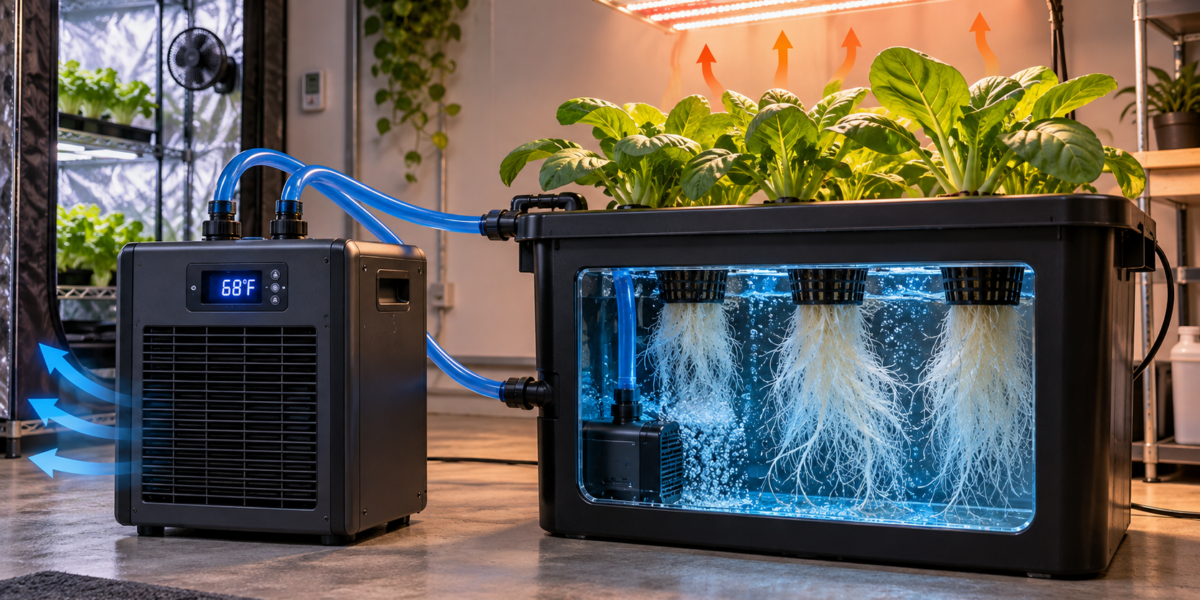
Hydroponic Water Chillers: Stop Summer Root Rot Before It Starts
How to Breed Masterclass – Promo Video



Featured Grow
 Jul 2026 — White Iverson by Selfie Seeds +2 more
White Iverson × Selfie Seeds, Pink Strawberry × Selfie Seeds, Purple Berry × Selfie Seeds • Soil • Started Jul 25, 2026
View journal
Jul 2026 — White Iverson by Selfie Seeds +2 more
White Iverson × Selfie Seeds, Pink Strawberry × Selfie Seeds, Purple Berry × Selfie Seeds • Soil • Started Jul 25, 2026
View journal
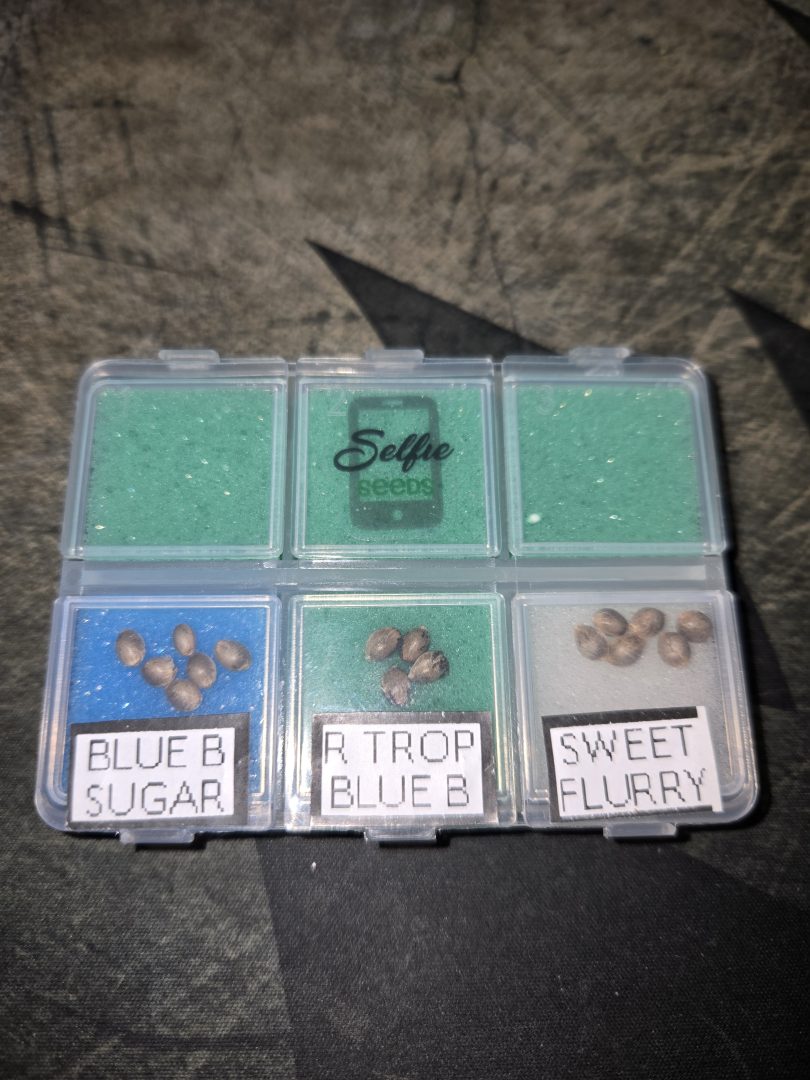 First Selfie Seeds Grow (Blueberry Sugar, Tropical Blueberry, and Sweet Flurry)
Blueberry Sugar × Selfie Seeds, Tropical Blueberry × Selfie Seeds, Sweet Flurry × Selfie Seeds • Soil • Started May 27, 2026
View journal
First Selfie Seeds Grow (Blueberry Sugar, Tropical Blueberry, and Sweet Flurry)
Blueberry Sugar × Selfie Seeds, Tropical Blueberry × Selfie Seeds, Sweet Flurry × Selfie Seeds • Soil • Started May 27, 2026
View journal
Awesome It’ll be a bit chlorophyllie but definitely let me know your opiniones

Walked in this morning before lights out and they are already bouncing back pretty good.
Awesome, fingers crossed for you
Nice LSTing Looks perfectly symmetric

Bananas!!!!! I knew I forgot something today. Thanks, gotta hit the store up in the am anyway. Coming off night,…