

How to Make 3 M KCl Solution for pH Meter Storage

Last updated: August 2026
Quick answer: To make 3 M KCl, use 223.65 grams of high-purity potassium chloride per liter of final solution. For 8 US fluid ounces (236.6 mL) of final solution, use about 52.91 grams. Dissolve the powder in less than the final amount of purified water, then add water until the total finished volume reaches your target. Before making any, confirm that your exact pH probe calls for 3 M KCl—some probes require a different concentration or a manufacturer-specific solution.
Watch the 3 M KCl walkthrough
This first-party HWGrow video shows the calculation, weighing and mixing workflow. There is one detail I want to tighten up from the original recording: molarity is based on final solution volume. For a true 8-ounce batch, do not add the powder to a full 8 ounces of water. Dissolve it in a smaller amount first, then bring the finished solution up to 8 fluid ounces.

Selecting a timestamp opens the HWGrow pop-out player at that exact moment and returns you to the same scroll position when it closes.
First: make sure 3 M KCl is right for your probe
KCl is not a universal bottle of “pH-meter juice.” Its job is to keep a compatible glass electrode hydrated while maintaining the reference chemistry around the junction. Apera specifies 3 M KCl for many of its glass pH and ORP electrodes, but also warns that formulas from other brands may not suit every Apera model. Bluelab tells users to use its compatible KCl storage solution. Other lab electrodes may require 3.5 M KCl, KCl saturated with silver chloride or a proprietary electrolyte.
Use the concentration and product type printed in the current manual. If the manual simply says “storage solution” without giving a formula, buy the manufacturer’s solution instead of guessing. Storage solution and refill solution are not automatically interchangeable.
The 3 M KCl formula
KCl has a molar mass of 74.551 grams per mole. A 3 M solution contains three moles in each liter of final solution:
grams KCl = 3 × 74.551 × final liters
| Final 3 M KCl volume | KCl to weigh |
|---|---|
| 30 mL | 6.71 g |
| 100 mL | 22.37 g |
| 8 US fl oz / 236.6 mL | 52.91 g |
| 250 mL | 55.91 g |
| 500 mL | 111.83 g |
| 1 liter | 223.65 g |
Notice that the table says final volume. Salt takes up space after it dissolves. If you put 52.91 grams into a container that already holds 236.6 mL of water, the finished volume becomes larger than 236.6 mL and the concentration ends up below 3 M.
What you need
- High-purity or reagent-grade potassium chloride—not garden fertilizer or salt substitute
- Distilled, deionized or clean RO water for preparing the solution
- A digital scale that reads to at least 0.01 gram for small batches
- A clean beaker or mixing cup
- A graduated cylinder or volumetric container for the final volume
- A clean, tightly sealed and clearly labeled storage bottle
- Clean gloves and eye protection for basic lab hygiene
How to make 3 M KCl correctly
- Choose the final volume. A small batch is easier to keep clean and wastes less if your probe turns out to require a different formula.
- Calculate the KCl mass. Use the formula above or the matching value in the table.
- Weigh the powder. Put a clean container on the scale, tare it to zero and add reagent-grade KCl until the display reaches the calculated mass.
- Start below the final water volume. For an 8-ounce final batch, begin with roughly 150–180 mL of purified water so there is room for the dissolved salt and final adjustment.
- Dissolve completely. Add the KCl gradually and stir until the liquid is clear and no crystals remain on the bottom. The container may feel cooler as the salt dissolves.
- Bring it to final volume. Transfer the solution to the graduated container and add purified water until the total reaches 236.6 mL, 250 mL or whichever final volume you chose.
- Label and seal it. Write “3 M KCl,” the preparation date and “not for consumption.” Keep the cap clean and tightly closed.

How to use the finished solution
Use only enough solution to keep the glass bulb and reference junction covered in the storage cap or the storage container described by the manufacturer. Avoid submerging parts of a combination meter that are supposed to stay dry. If crystals form around the cap, that can be ordinary KCl left behind after water evaporates; rinse the residue away and refresh the cap with clean compatible solution.
Never pour used cap solution back into the clean bottle. Replace it when it becomes cloudy, diluted, dirty or contaminated by nutrient solution. If you need a precise shelf life or your electrode is refillable, follow the manufacturer’s instructions rather than inventing a universal date.
DIY or ready-made?
DIY makes sense when the manual explicitly calls for 3 M KCl, you have high-purity powder, a good scale and a way to measure final volume. Ready-made solution is the better buy when the formula is unclear, the probe requires additives, the bottle will sit for a long time or a wrong mix could cost more than the solution.
The cheap-looking bottle is not just “salt water.” Commercial products may use controlled purity, antimicrobial additives, lot tracking, expiration dating and a formula designed for a specific junction. Saving money is useful; matching the electrode is more important.
Recommended KCl mixing and storage supplies

High-purity potassium chlorideUse reagent-grade KCl when the probe manual specifically calls for a 3 M solution. Do not substitute fertilizer-grade potash.

0.01-gram digital scaleAccurate enough for the small KCl batches listed above. Use a clean weighing cup and tare before adding powder.

Ready-made 3 M KCl solutionThe lower-risk option for compatible Apera probes when you do not want to mix, measure and label a batch yourself.
Affiliate disclosure: HWGrow may earn a commission from qualifying purchases at no additional cost to you. Verify that every storage product is compatible with your exact probe before use.
References and next steps
- NIST Chemistry WebBook: potassium chloride molecular weight
- Apera: 3 M KCl soaking/refill solution and compatibility
- Apera: storage guidance and formula warnings
Then use the complete pH-meter care guide for rinsing, measuring and day-to-day storage, and the brand-by-brand calibration guide before trusting a reservoir reading.
Frequently asked questions
How many grams of KCl make 100 mL of 3 M solution?
Use about 22.37 grams, dissolve it in less than 100 mL of purified water, then add water until the final solution volume is exactly 100 mL.
Can I just mix 52.91 grams into 8 ounces of water?
That creates more than 8 ounces of final solution and therefore a concentration below 3 M. Bring the finished mixture to a final volume of 8 US fluid ounces instead.
Can I use food-grade potassium chloride?
Use the purity grade recommended for electrode solutions. Food or salt-substitute products may contain additives that can contaminate the junction.
Can every pH meter use 3 M KCl?
No. Check the manual. Concentration, additives and storage requirements vary by electrode design and manufacturer.
Need help identifying the right solution? Ask HWGrow and include the exact meter and probe model. For the complete feeding workflow, the Grow With Me Masterclass connects accurate measurement to mixing and plant response without exposing protected lessons here.
Comments
Leave a reply
You may also like
How to Pheno Hunt Cannabis and Choose a Keeper
Hydroponic Water Chillers: Stop Summer Root Rot Before It Starts



Featured Grow
 Jul 2026 — White Iverson by Selfie Seeds +2 more
White Iverson × Selfie Seeds, Pink Strawberry × Selfie Seeds, Purple Berry × Selfie Seeds • Soil • Started Jul 25, 2026
View journal
Jul 2026 — White Iverson by Selfie Seeds +2 more
White Iverson × Selfie Seeds, Pink Strawberry × Selfie Seeds, Purple Berry × Selfie Seeds • Soil • Started Jul 25, 2026
View journal
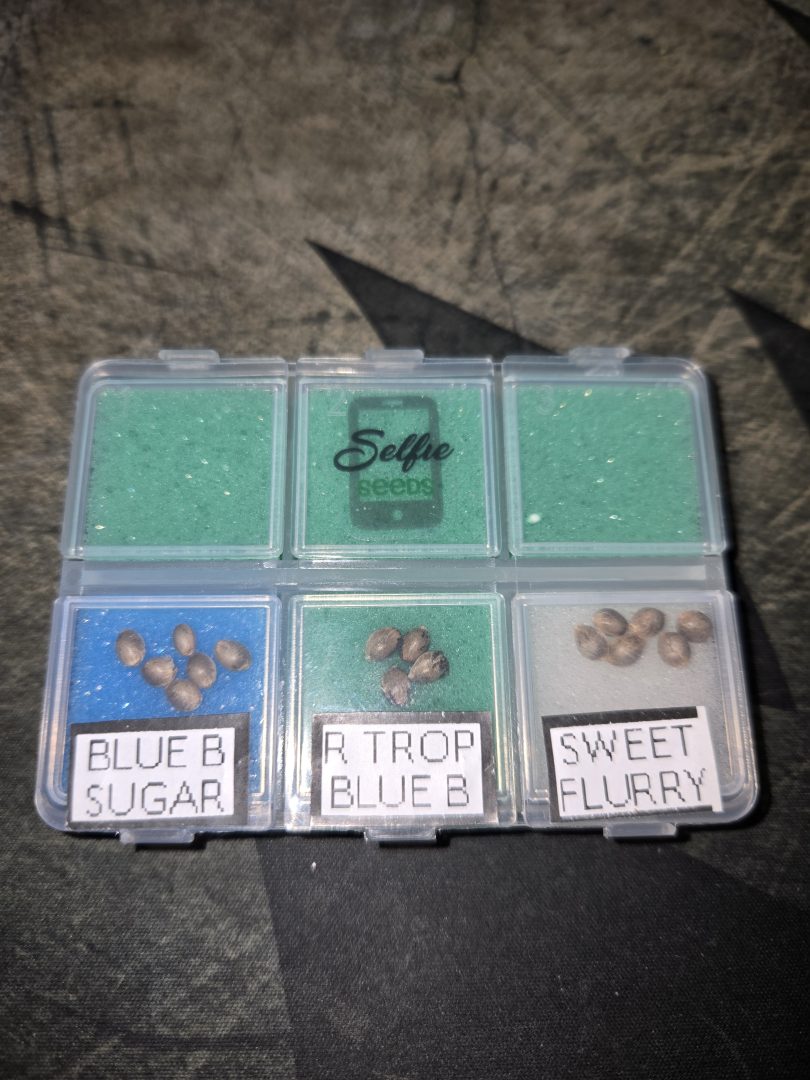 First Selfie Seeds Grow (Blueberry Sugar, Tropical Blueberry, and Sweet Flurry)
Blueberry Sugar × Selfie Seeds, Tropical Blueberry × Selfie Seeds, Sweet Flurry × Selfie Seeds • Soil • Started May 27, 2026
View journal
First Selfie Seeds Grow (Blueberry Sugar, Tropical Blueberry, and Sweet Flurry)
Blueberry Sugar × Selfie Seeds, Tropical Blueberry × Selfie Seeds, Sweet Flurry × Selfie Seeds • Soil • Started May 27, 2026
View journal
Awesome It’ll be a bit chlorophyllie but definitely let me know your opiniones

Walked in this morning before lights out and they are already bouncing back pretty good.
Awesome, fingers crossed for you
Nice LSTing Looks perfectly symmetric

Bananas!!!!! I knew I forgot something today. Thanks, gotta hit the store up in the am anyway. Coming off night,…
Can I use distilled water instead of R/O?
Yes