

Poke-and-Pull Wet Trimming for Dense Cannabis Buds
Video chapters: poke-and-pull trimming

Quick answer: Poke-and-pull trimming is a fast, tool-free way to remove large fan leaves before cannabis dries. Hold a sturdy upper leaf or branch as an anchor, then gently pull a lower fan-leaf stem down and away at its natural joint. It can open a dense plant to more even airflow and shorten the final trim, but it is not a shortcut for an uncontrolled drying room.
I use this when a plant is extra leafy, the flowers are dense, or the room is running more humid than I would like. The idea is simple: take off the large leaves that trap pockets of moisture without carving into the flower or turning harvest day into a six-hour scissor session.

What poke-and-pull trimming actually does
The large fan leaves are attached by stems that often release cleanly at the joint. Removing them before drying exposes more of the plant to the room air, reduces the amount of wet plant material hanging in the space and leaves less work for the final manicure.
That makes the technique most useful on a leafy plant or a cultivar with thick, compact flowers. Research has found that humidity inside dense cannabis flowers can be higher than the surrounding air, and that post-harvest handling and drying conditions affect yeast and mold levels. That supports the airflow logic, but it does not prove that poke-and-pull trimming prevents mold or always removes three days from a dry. Treat those results from the HWGrow grow room as firsthand observations, not guarantees. Read the cannabis microclimate study.
When I would use it
- Dense, leafy plants: large leaves overlap the flowers and slow air movement through the hanging branches.
- A humid drying space: the room is struggling to stay in a controlled range and reducing wet foliage gives the equipment less moisture to remove.
- A wet-trim workflow: you already prefer removing major leaves at harvest and want to save scissor work later.
- Limited processing time: you can remove the obvious leaves quickly, hang the plant and return for the careful manicure after drying.
I would skip it when the plant has very few fan leaves, the stems resist and tear flower tissue, or I want an intentionally slow whole-plant dry in a stable room. The separate wet-trim versus dry-trim guide helps choose the larger workflow.
How to poke-and-pull before harvest
- Wash and dry your hands. Clean nitrile gloves are useful when your hands are irritated by resin or when you are processing several plants.
- Choose an anchor. Hold a sturdy upper leaf or the branch itself close enough to support the section. Do not squeeze the flower.
- Find a lower fan-leaf stem. Follow it back to the joint instead of grabbing the leaf blade.
- Pull gently in its natural direction. Use steady pressure, not a snap. If the joint does not release, stop and use clean scissors.
- Work around the plant. Remove the large fan leaves first. Leave healthy sugar leaves unless they are part of your chosen wet-trim style.
The source video shows this while the plant is still rooted because the main structure is stable. That can be comfortable, but do not drag the plant around the room or turn a clean harvest into unnecessary handling.
How to poke-and-pull after harvest
Once a branch is hanging upside down, the same joint is approached from the opposite direction. Support the branch with one hand, reach the fan-leaf stem at its base and push or pull downward along the joint. The motion should leave a clean release. If it begins peeling the branch or opening the flower, use sanitized trim scissors instead.
Place removed leaves directly into a clean collection container. Do not let wet foliage pile against the hanging flowers. When the major leaves are gone, move the branches to the drying room with space between them and indirect air movement around—not directly blasting—the flowers.
Do not use trimming to rescue moldy cannabis
This technique reduces foliage; it does not make contaminated flower safe. If you see gray-brown tissue, fuzzy growth, a collapsing interior or an unusual musty smell, isolate the material and inspect the surrounding branches. Mold exposure can create health risks, especially for people with allergies, asthma or weakened immune systems. Do not smoke or otherwise consume visibly moldy flower. See the CDC/NIOSH cannabis workplace guidance.
The dry room still matters more than the trim
The original video references the familiar 60°F/60% RH target. Use that as one controlled-room approach, not a magic pair of numbers. Published post-harvest work commonly describes roughly 15–20°C (59–68°F), 50–60% RH and a one-to-two-week natural drying period, but real timing changes with branch size, flower density, cultivar, room load and air exchange. Review the post-harvest drying study.
Monitor the room at flower height, leave space between branches and keep the air moving through the room without pointing a strong fan at the buds. The complete cannabis drying guide covers the full setup, checkpoints and transition to curing.
Recommended harvest and trimming tools

Disposable harvest glovesKeep sticky resin off your hands and change pairs between questionable or contaminated material.

Curved trim scissorsUse a clean blade when a leaf stem resists instead of tearing the branch or flower.

Amber wide-mouth jarsA light-blocking storage option after drying and curing humidity—not a container for wet flower.
Affiliate disclosure: HWGrow may earn a commission from qualifying purchases at no additional cost to you. Equivalent gloves, clean scissors and storage containers can be substituted without changing the method.
Where this fits in the HWGrow workflow
Poke-and-pull is the fast leaf-removal step. Next, use the complete drying guide, then the complete curing guide. The Grow With Me Masterclass connects harvest timing, drying and curing across a full grow without reproducing paid lessons here. If the room or flowers are behaving differently from the guide, ask HWGrow a question with the temperature, RH, branch size and drying-day details.
Poke-and-pull trimming FAQ
Does poke-and-pull trimming always dry cannabis three days faster?
No. That was HWGrow’s observation in the demonstrated setup. Drying time changes with temperature, humidity, flower density, plant size, air exchange and how much material is in the room.
Should I remove sugar leaves too?
Not automatically. Start with the large fan leaves. Whether you remove sugar leaves wet or dry depends on your trim preference and the drying environment.
What if the leaf stem will not release?
Stop pulling and use clean trim scissors. The goal is a clean leaf removal, not a torn branch or opened flower.
Can this prevent bud rot?
It can reduce wet foliage and improve exposure to room air, but it cannot guarantee mold prevention. Drying-room control, sanitation, spacing and inspection still matter more.
You may also like
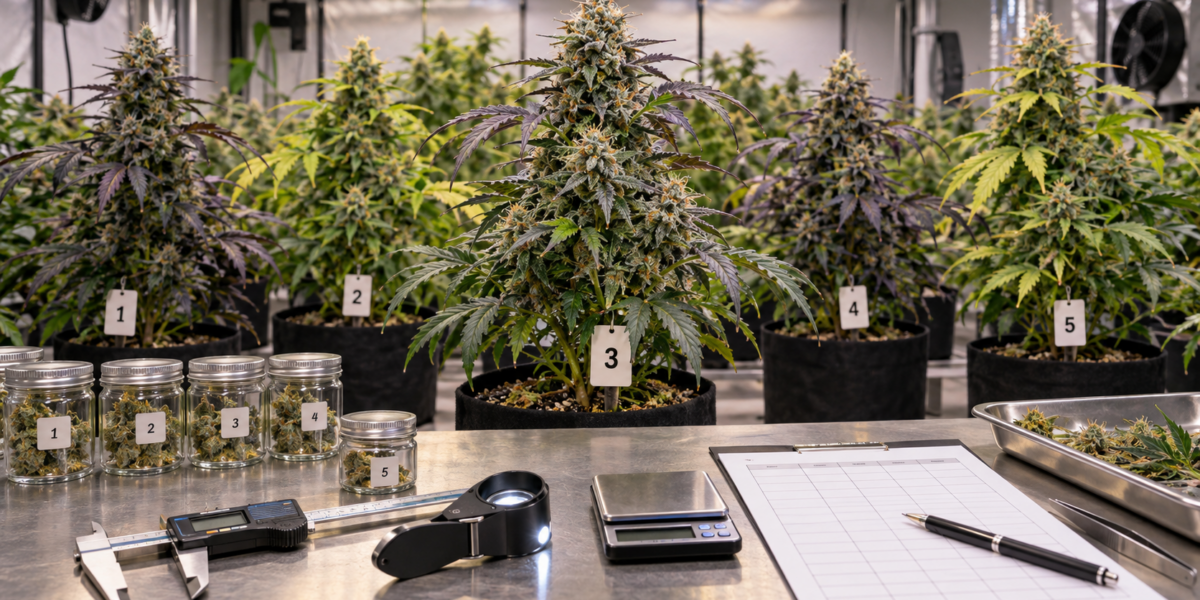
How to Pheno Hunt Cannabis and Choose a Keeper
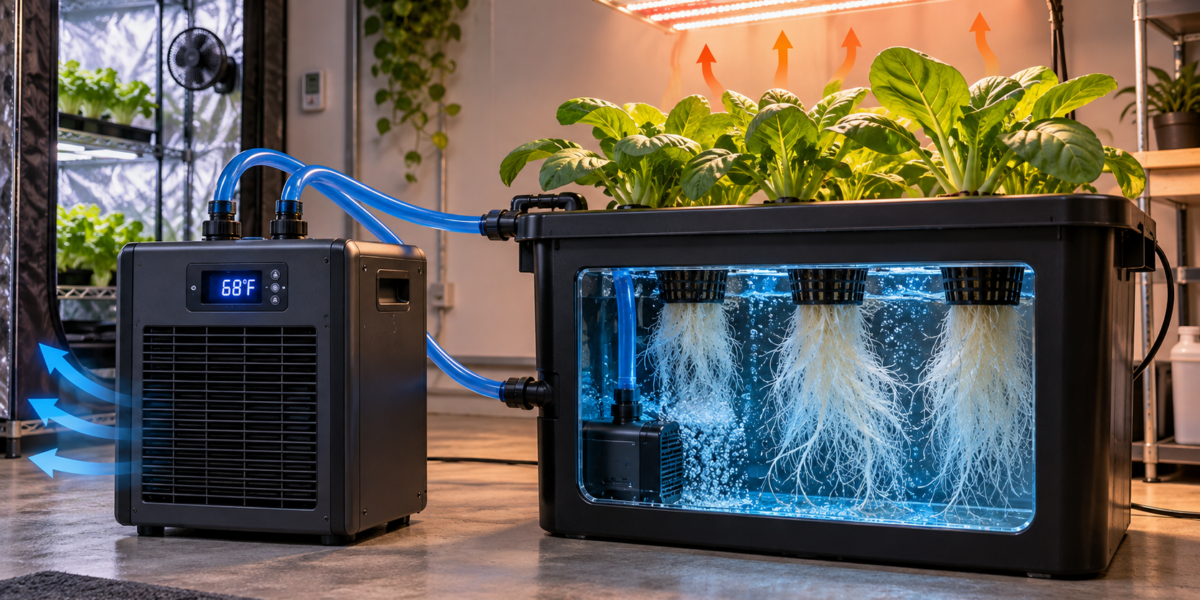
Hydroponic Water Chillers: Stop Summer Root Rot Before It Starts

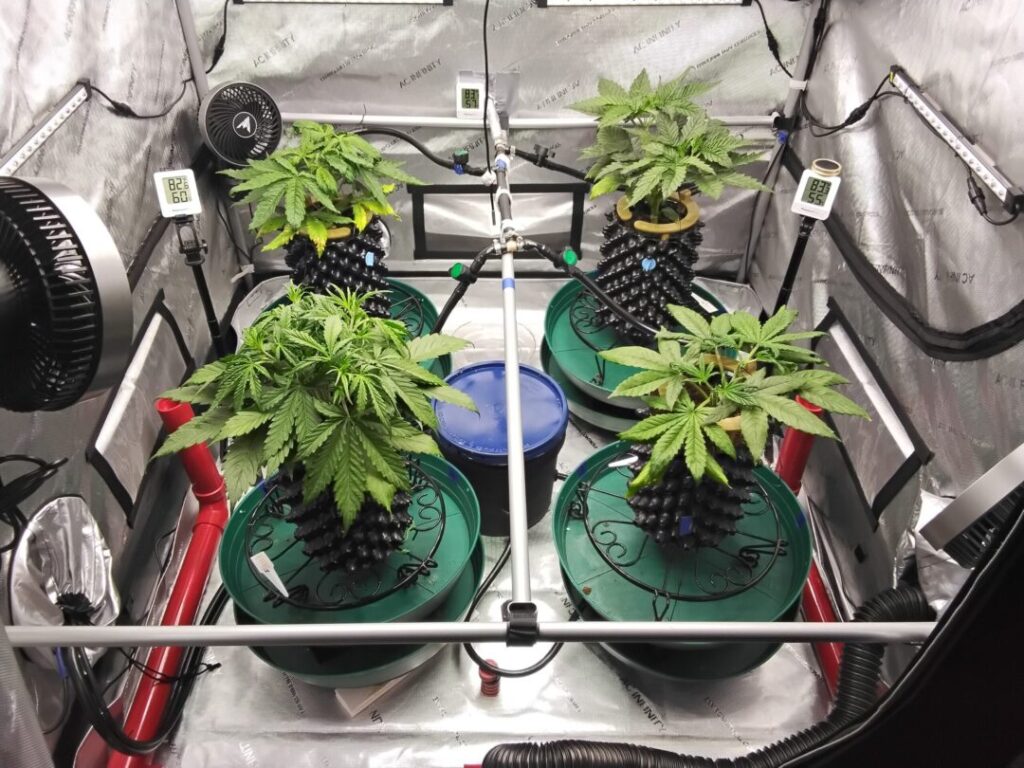


Featured Grow
 Jul 2026 — White Iverson by Selfie Seeds +2 more
White Iverson × Selfie Seeds, Pink Strawberry × Selfie Seeds, Purple Berry × Selfie Seeds • Soil • Started Jul 25, 2026
View journal
Jul 2026 — White Iverson by Selfie Seeds +2 more
White Iverson × Selfie Seeds, Pink Strawberry × Selfie Seeds, Purple Berry × Selfie Seeds • Soil • Started Jul 25, 2026
View journal
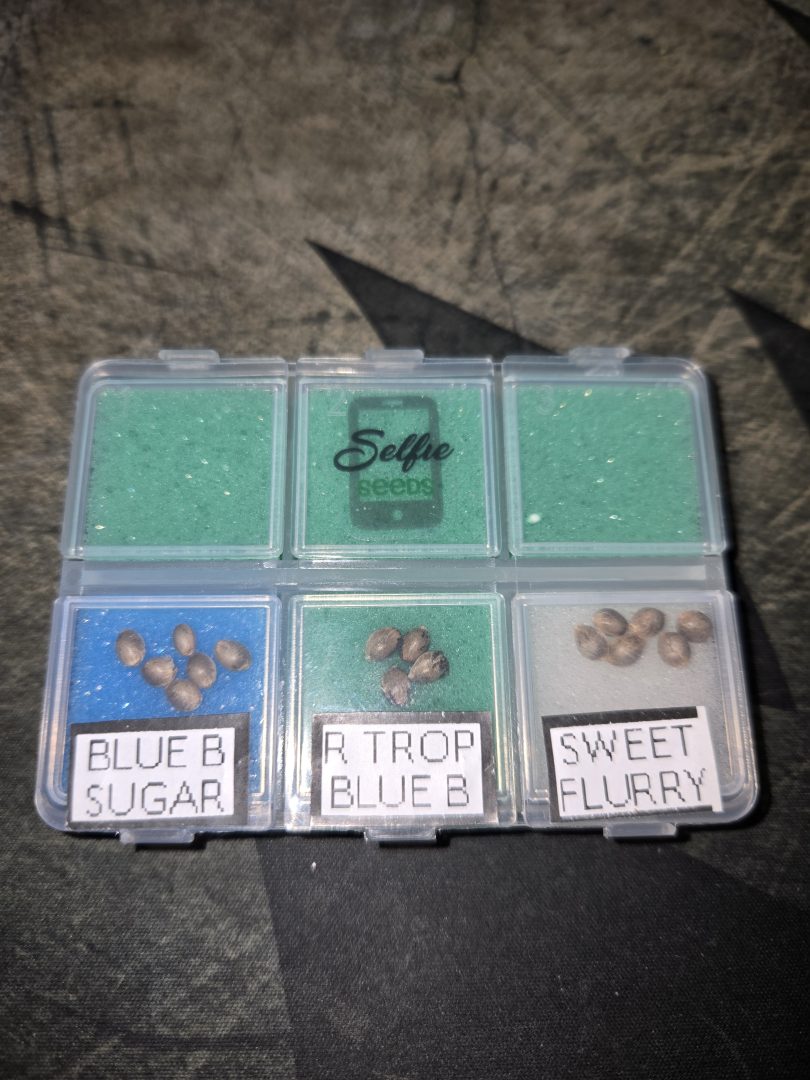 First Selfie Seeds Grow (Blueberry Sugar, Tropical Blueberry, and Sweet Flurry)
Blueberry Sugar × Selfie Seeds, Tropical Blueberry × Selfie Seeds, Sweet Flurry × Selfie Seeds • Soil • Started May 27, 2026
View journal
First Selfie Seeds Grow (Blueberry Sugar, Tropical Blueberry, and Sweet Flurry)
Blueberry Sugar × Selfie Seeds, Tropical Blueberry × Selfie Seeds, Sweet Flurry × Selfie Seeds • Soil • Started May 27, 2026
View journal
Awesome It’ll be a bit chlorophyllie but definitely let me know your opiniones

Walked in this morning before lights out and they are already bouncing back pretty good.
Awesome, fingers crossed for you
Nice LSTing Looks perfectly symmetric

Bananas!!!!! I knew I forgot something today. Thanks, gotta hit the store up in the am anyway. Coming off night,…