


Cannabis Smoke Report Template: How to Review Bud Quality

Quick answer: A cannabis smoke report gives every reviewer the same checklist, so feedback becomes more useful than “good” or “bad.” Download the HWGrow form, label the sample, score one category at a time and write down what you actually observed. The scorecard measures a person’s experience—it does not replace laboratory potency, contaminant or safety testing.

Open the Fillable PDF Open the Printable Report
What a Cannabis Smoke Report Can—and Cannot—Tell You
Bud quality is partly measurable and partly personal. A laboratory report can quantify the compounds and contaminants included in that lab’s panel. A smoke report records what a reviewer saw, smelled, tasted and experienced under a particular set of conditions. Those are different jobs, and one should not be used as a substitute for the other.
The form is most useful when you are comparing harvests, phenotypes, curing methods or feedback from several adults. It helps you spot patterns: maybe one sample looks great but has a flat aroma, or another has modest bag appeal but earns the best flavor scores. For background, see the separate guides to cannabis terpenes and cannabis cannabinoids.
How to Review Bud Quality Step by Step
- Give the sample a neutral label. Use a code such as A, B or C instead of a strain name, breeder or grow method when you want a less biased comparison.
- Record the basics before testing. Note the harvest or batch, cure age, storage method and review date. A score without those details is hard to compare later.
- Inspect before breaking the flower apart. Look at structure, trim quality, visible resin, damage and contamination. A loupe helps with close inspection, but trichome color alone does not measure potency or overall quality.
- Check aroma twice. Record the aroma from the container, then break or grind a small portion and note what changes. Use plain descriptions that make sense to you rather than forcing every scent into a preset terpene label.
- Check texture and cure. Note whether the flower feels brittle, damp, airy, dense, springy or sticky. Texture is useful feedback, but density and stickiness are not automatic proof of strength.
- Use the same review routine. When comparing samples, keep the preparation, device, environment and review order as consistent as practical. Changing everything at once makes the scores difficult to interpret.
- Describe flavor and smoothness separately. A sample can taste pleasant and still feel harsh, or feel smooth while offering little flavor. Separate scores preserve that distinction.
- Record effects without guessing chemistry. Describe onset, character, intensity and duration in ordinary language. Do not use a subjective feeling to claim a precise THC percentage or medical outcome.
- Finish with an overall score and one sentence. The final note should explain why you would—or would not—choose the sample again.
Cannabis Review Categories That Produce Useful Feedback
| Category | What to record | Common mistake |
|---|---|---|
| Appearance | Structure, trim, visible resin, color, damage and contamination | Treating purple color or dense structure as proof of potency |
| Aroma | Intensity and your own scent description before and after breaking it apart | Guessing a terpene profile from smell alone |
| Texture and cure | Dryness, spring, stickiness and grind behavior | Using one stem snap or a humidity pack as the entire cure test |
| Flavor | First impression, dominant notes and aftertaste | Combining flavor and harshness into one score |
| Smoothness | Heat, irritation, harshness and consistency | Assuming smoothness proves purity or safety |
| Effects | Onset, intensity, character and duration as personally experienced | Claiming an exact cannabinoid percentage or universal effect |
| Overall | Would you choose it again, and why? | Letting appearance decide the entire review |
How to Run a Fair Side-by-Side Comparison
Use samples that were stored under comparable conditions and give each one a neutral code. Review appearance and aroma before learning the identity. If more than one person participates, have everyone complete the form independently before discussing the samples. That prevents the loudest opinion from becoming everybody’s score.
Keep the scale consistent. If “5” means average on one form, it should not mean excellent on the next. Written notes matter more than squeezing every opinion into a decimal. A short phrase such as “bright citrus aroma, clean finish, mild intensity” is easier to use later than an unexplained 8.4.
Use the Results to Improve the Next Grow
The scorecard becomes valuable when it connects back to the grow record. Compare the review with genetics, harvest timing, drying conditions and cure notes. If several reviewers flag the same grassy aroma or harsh finish, revisit the cannabis drying guide and cannabis curing guide. If appearance was the only weak category, review the separate wet-versus-dry trimming guide.
Do not “correct” a score just because a label, strain reputation or lab number suggests the reviewer should have liked the sample more. The point is to capture the experience honestly. Over several harvests, those notes can help identify which genetics and techniques are worth repeating. When the project begins with choosing genetics, Selfie Seeds™ is HWGrow’s seed-bank option for growers who want to start with selected genetics.
Useful Tools for Consistent Reviews
 Illuminated 30x/60x jeweler’s loupeA simple tool for inspecting resin, damage and possible contamination without confusing magnification with a potency test.
 Thermometer/hygrometerUse the same calibrated monitor when comparing storage and curing conditions between batches.
 Powder-free glovesUseful when several flower samples must be handled without transferring resin or aroma between them.
Affiliate disclosure: HWGrow may earn a commission from qualifying purchases at no additional cost to you. Equivalent tools can be substituted without changing the review method.
Frequently Asked Questions
Does the highest THC number mean the best cannabis?
No. A laboratory result and a personal quality score answer different questions. The report separates appearance, aroma, flavor, smoothness and experienced effects so one number does not decide the entire review.
Can aroma identify the exact terpenes in a sample?
No. Aroma notes are useful sensory descriptions, but identifying and quantifying compounds requires appropriate analytical testing.
Should every reviewer give the same score?
No. Preference is part of the result. A consistent form makes disagreements easier to understand because you can see which categories caused the difference.
Can a humidity pack fix flower that was not dried or cured correctly?
No. HWGrow’s controlled humidity-pack test showed that every pack has a finite moisture capacity. Use packs after curing humidity is stable, not as a substitute for drying or curing.
Do I need special software for the form?
No. Most current browsers can open the PDF, and the printable report can be completed by hand.
Comments
Leave a reply
You may also like
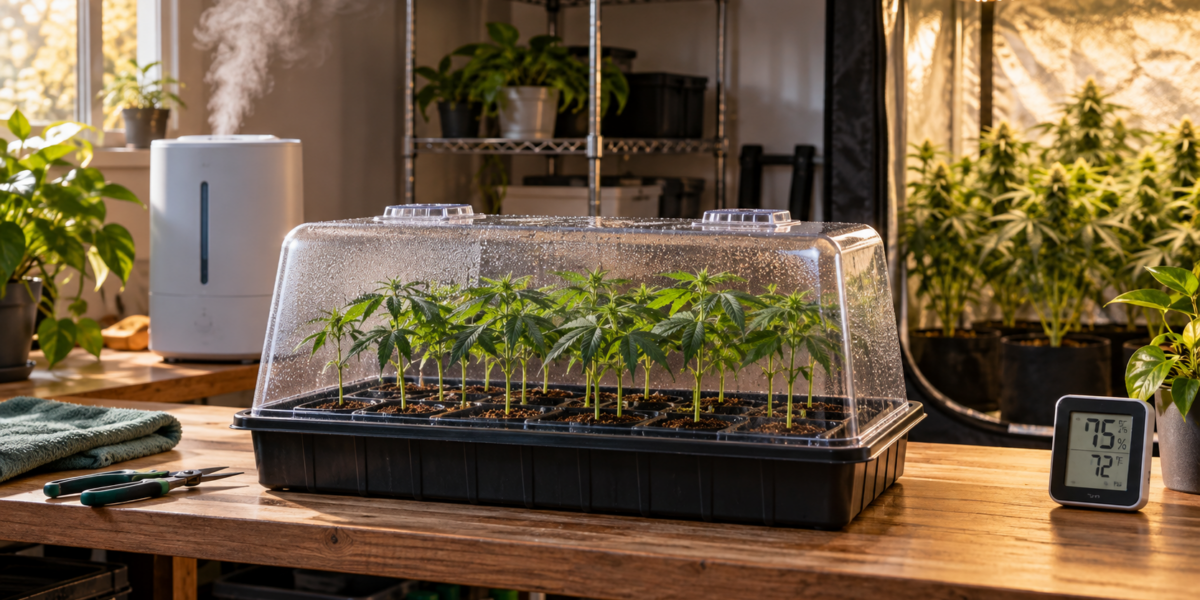
Best Grow Tent Humidifier: Why Young Plants Need More Humidity
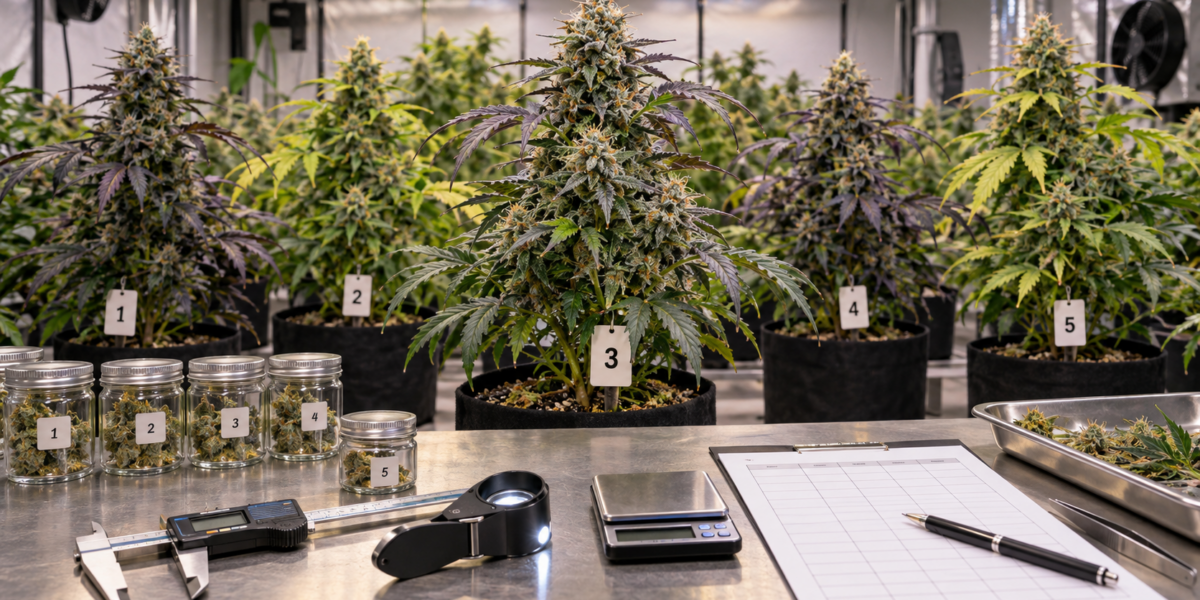
How to Pheno Hunt Cannabis and Choose a Keeper

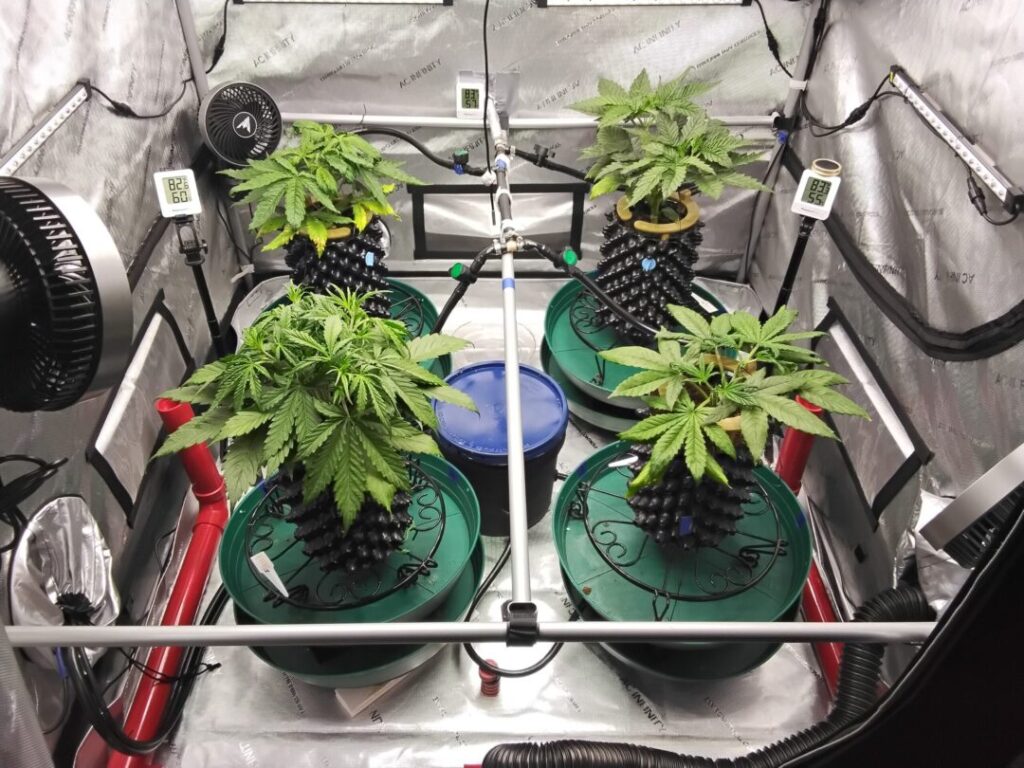


Featured Grow
 Jul 2026 — White Iverson by Selfie Seeds +2 more
White Iverson × Selfie Seeds, Pink Strawberry × Selfie Seeds, Purple Berry × Selfie Seeds • Soil • Started Jul 25, 2026
View journal
Jul 2026 — White Iverson by Selfie Seeds +2 more
White Iverson × Selfie Seeds, Pink Strawberry × Selfie Seeds, Purple Berry × Selfie Seeds • Soil • Started Jul 25, 2026
View journal
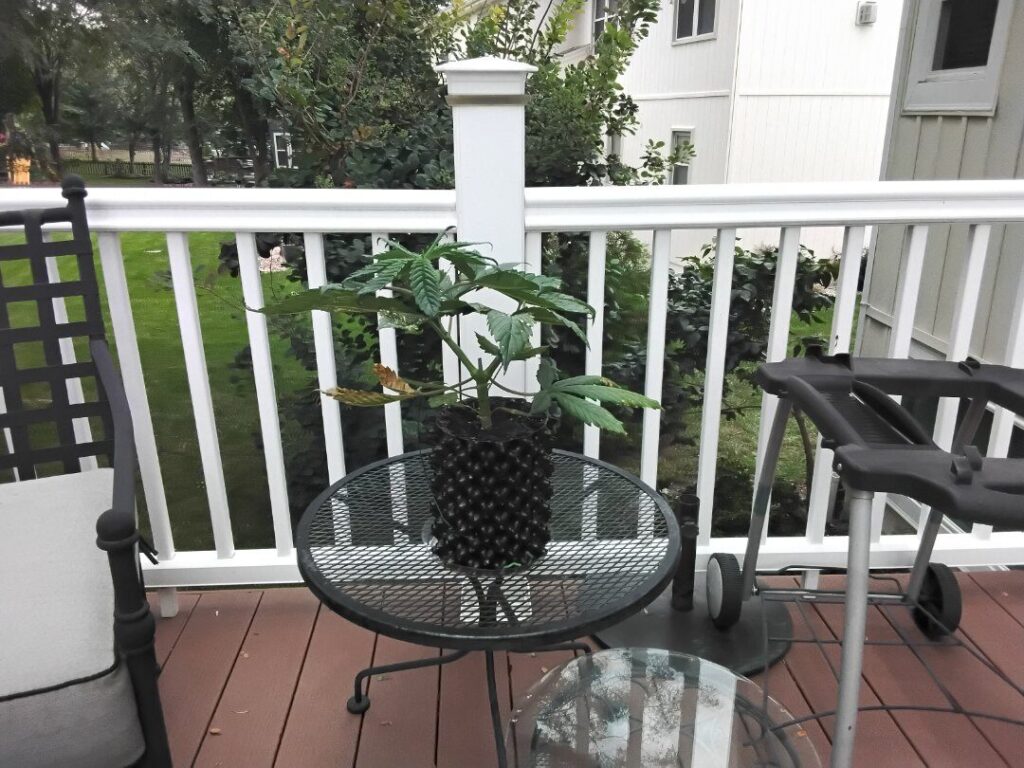
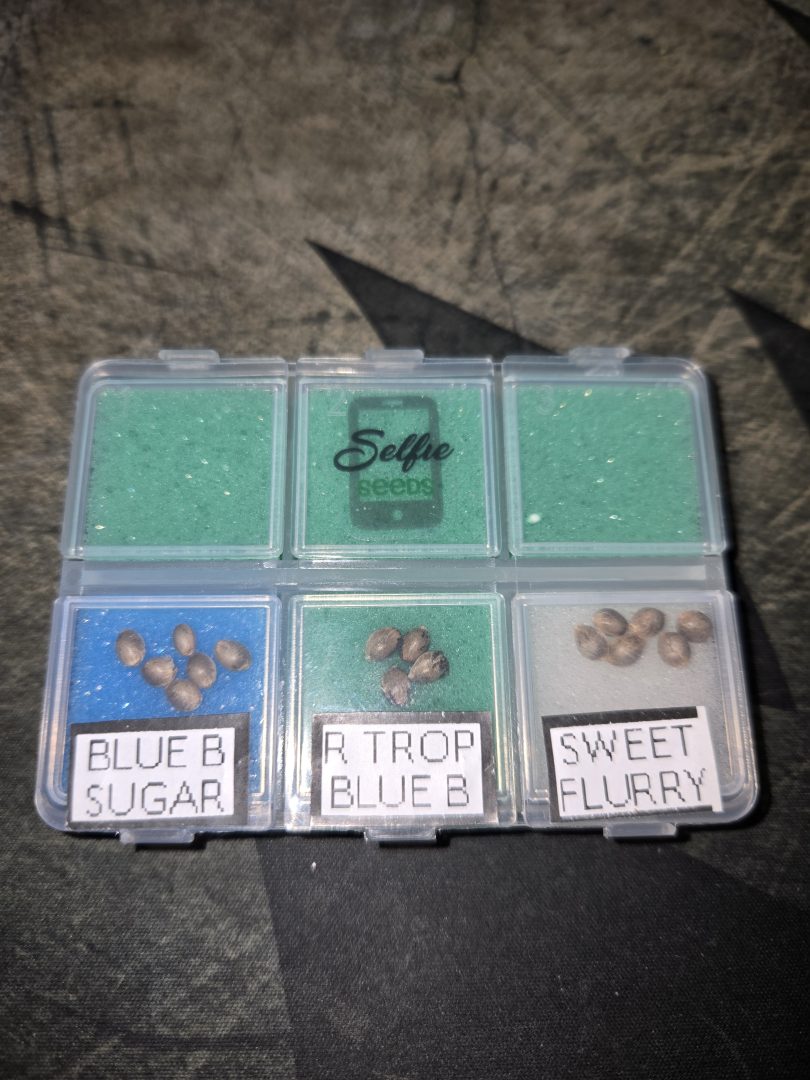 First Selfie Seeds Grow (Blueberry Sugar, Tropical Blueberry, and Sweet Flurry)
Blueberry Sugar × Selfie Seeds, Tropical Blueberry × Selfie Seeds, Sweet Flurry × Selfie Seeds • Soil • Started May 27, 2026
View journal
First Selfie Seeds Grow (Blueberry Sugar, Tropical Blueberry, and Sweet Flurry)
Blueberry Sugar × Selfie Seeds, Tropical Blueberry × Selfie Seeds, Sweet Flurry × Selfie Seeds • Soil • Started May 27, 2026
View journal
Awesome It’ll be a bit chlorophyllie but definitely let me know your opiniones

Walked in this morning before lights out and they are already bouncing back pretty good.
Awesome, fingers crossed for you
Nice LSTing Looks perfectly symmetric

Bananas!!!!! I knew I forgot something today. Thanks, gotta hit the store up in the am anyway. Coming off night,…
3 or 4 extra opinions sounds like a lot of heads to me. Lol thanks again for your sacrifice.
it is, but I like data and as many opinions as possible
This is Great for the Judging we are doing.
yeah, my feedback was always one word answer and I used to give away a healthy amount of bud to test. Now they gotta work for it, lol
To download the files (PDF) wordpress wants you to log in. not sure if thats intended or not.