

10 Beginner Cannabis Growing Mistakes (and How to Fix Them)

Short answer: most beginner grow problems come from doing too much, too fast, with too little information. Match the light and genetics to the room, learn what is already in the medium, measure before correcting anything and let the plant show you what changed.

Jump to each mistake
- 0:24 — Buying the wrong light
- 1:54 — Skipping genetics research
- 3:06 — Disturbing germination
- 3:48 — Ignoring the starting medium
- 5:00 — Letting pH leave the useful range
- 5:59 — Overfeeding and overwatering
- 7:22 — Asking for help without enough data
- 8:37 — Making abrupt corrections
- 9:33 — Harvesting too early
- 10:12 — Sharing more than you should
Timestamp links open the standard HWGrow pop-out player at the selected moment without losing your reading position.
1. Buying a light before matching it to the tent
A fancy diode name does not tell you whether the canopy will be evenly covered. Start with the actual tent footprint, usable hanging height, heat load and a realistic PPFD map. Look for complete grows with the fixture—not only a bright center measurement taken inches from the board.
Use the LED grow-light selection guide, then follow the four-point hanging method.
2. Choosing genetics from one perfect photo
Breeder photos show what a line can do in a particular room; they cannot promise that every seed will look the same. Search the cultivar and breeder together, compare several independent grows, and pay attention to stretch, finish time, flower density and stability.
Selfie Seeds™ is HWGrow’s in-house genetics source when the available line matches your room and goal. Whatever source you choose, label the cultivar and lot from day one and use the strain-selection checklist.
3. Turning germination into a daily excavation
A seed needs the right moisture, warmth and oxygen; it does not need to be uncovered every few hours. Pick one clean method, control the environment and let it work. HWGrow tested seven germination methods side by side so you can choose one instead of mixing several techniques.
4. Feeding without knowing the starting medium
A feed chart cannot tell what is already in your bag of soil or coco. Read the label, find out whether it is pre-amended, and record the starting pH and EC when relevant. Rich soil may need little or no bottled nutrition early; adding a full schedule on top of it can create the exact problem you were trying to prevent.
5. Chasing one “perfect” pH number
Measure after the nutrients are mixed and use a range appropriate to the medium rather than forcing every feed to one decimal place. Calibrate the meter, dilute strong pH adjusters before they contact the root zone and diagnose trends with both input and runoff. The pH, EC, PPM and runoff guide explains the complete workflow.
6. Loving the plant to death
New growers often water or feed because they want to help, not because the root zone needs it. Learn the weight of a properly watered container, feel below the surface and never leave a fabric pot sitting in runoff. Water slowly and evenly, then allow drainage and root-zone oxygen to return. Use the fabric-pot watering guide instead of a rigid volume rule.
7. Asking for a diagnosis without the grow data
A leaf photo by itself is rarely enough. Include the medium, container size, cultivar, light and distance, temperature, humidity, feed recipe, input pH/EC, runoff pH/EC and what changed recently. Good advice starts with good evidence. If you want a room-specific review, Ask HWGrow with those measurements.
8. Correcting everything at once
A sudden nutrient jump, hard flush, heavy defoliation and new light height on the same day create a new mystery. Unless there is an immediate safety problem, correct gradually, document the change and watch the new growth. One controlled change teaches you something; five simultaneous changes hide the cause.
9. Harvesting because the first trichomes appeared
Visible frost does not mean the flowers are finished. Check trichomes on the flower bracts—not only the sugar leaves—with a loupe or microscope, then combine that view with swollen bracts, fading pistils and the whole-plant timeline. The harvest-readiness guide shows what to inspect.
10. Forgetting privacy and local rules
Share grow details only with people and communities you trust, and do not post addresses, routines or identifying room details. Know the law where you live and remember that another person’s lack of interest is not an invitation to turn every conversation into a grow update.
- Date and plant stage
- Temperature and humidity
- Light height and setting
- Feed ingredients, volume and input pH/EC
- Runoff pH/EC when measured
- One clear note about what changed
Useful beginner tools
 pH and EC metersMeasure before correcting and keep calibration solution on hand.Check Current OptionsPPFD/PAR meterCheck canopy coverage instead of guessing from fixture wattage.Check Current OptionsIlluminated loupeInspect flower-bract trichomes before choosing a harvest date.Check Current Options
 Selfie Seeds™ geneticsStart with a documented line that fits the room, timeline and project goal.Browse Genetics
Affiliate disclosure: HWGrow may earn a commission from qualifying Amazon purchases at no additional cost to you. Selfie Seeds™ is HWGrow’s in-house genetics source. Equivalent tools can replace the linked products without changing the workflow. Verify local laws before ordering or growing cannabis.
For the complete order of operations, continue with the How to Grow Weed: Complete Beginner’s Guide.
Frequently asked questions
What is the most common beginner grow mistake?
Changing too many things without measurements is the most expensive pattern. Record the environment and root-zone data, correct one variable and watch the new growth.
Should a beginner follow a feed chart exactly?
No. A chart is a starting reference. The existing charge in the medium, water quality, plant size, cultivar and environmental demand all change what the plant needs.
How can I get a useful plant diagnosis?
Provide the medium, light, temperature, humidity, feed, input pH/EC, runoff pH/EC and recent changes along with clear photos.
How do I know when cannabis is ready to harvest?
Inspect trichomes on flower bracts and combine that view with flower development and the whole-plant timeline. Do not decide from visible frost alone.
You may also like
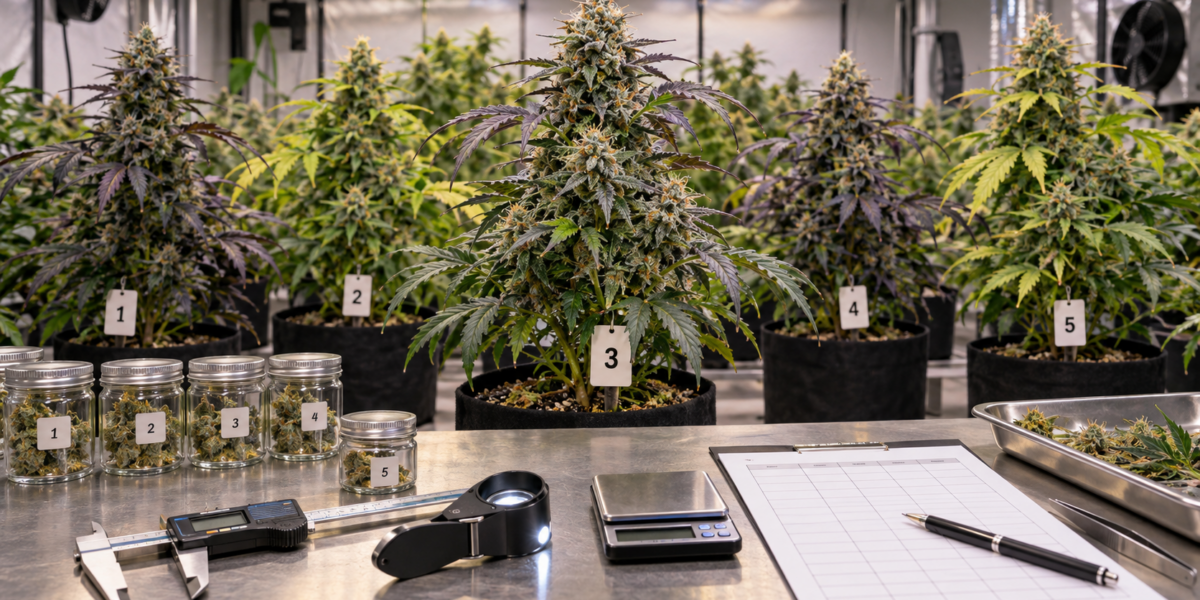
How to Pheno Hunt Cannabis and Choose a Keeper
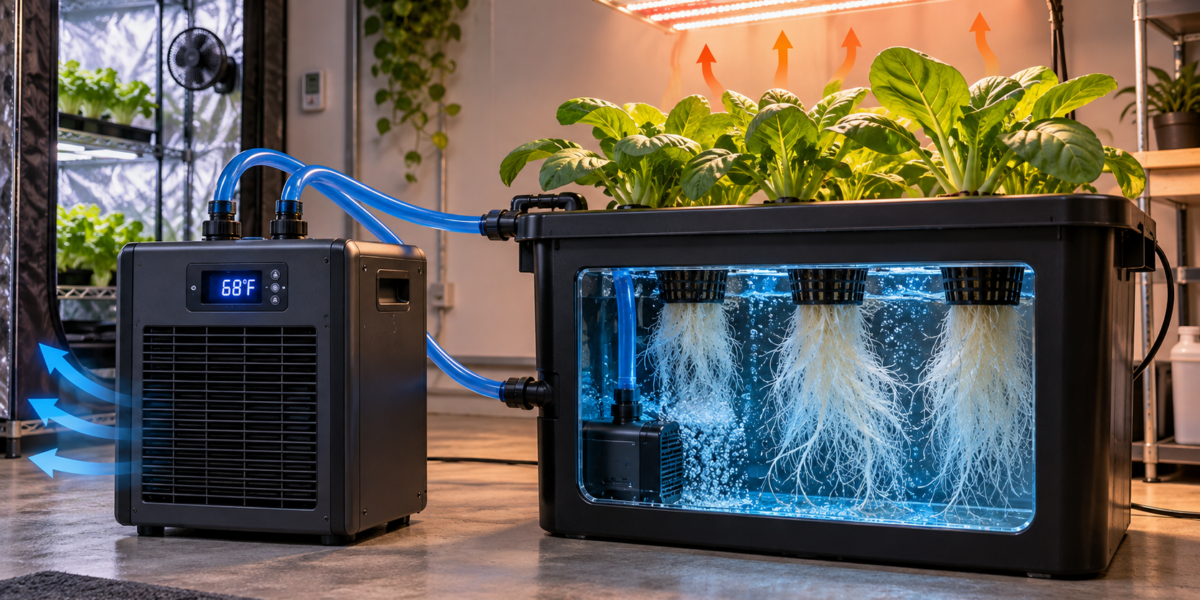
Hydroponic Water Chillers: Stop Summer Root Rot Before It Starts

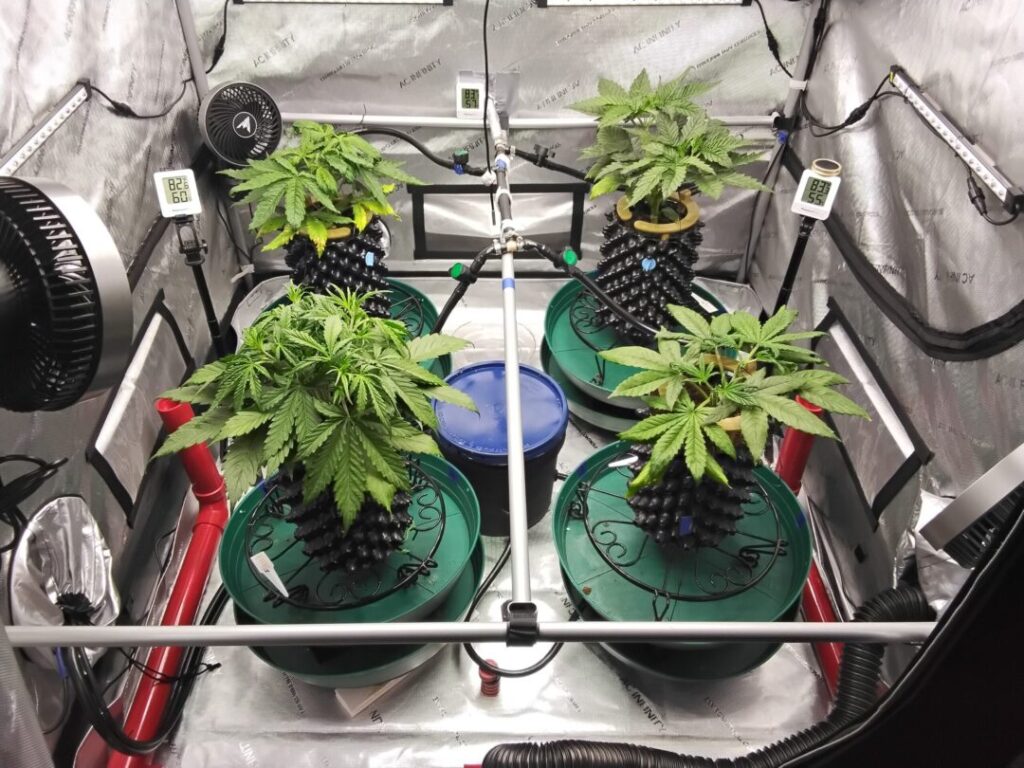
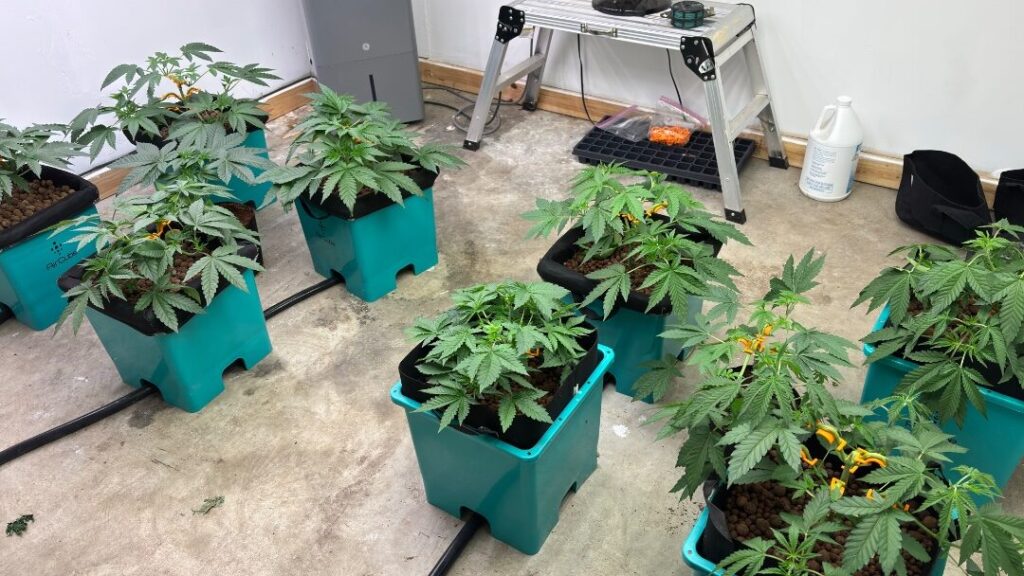




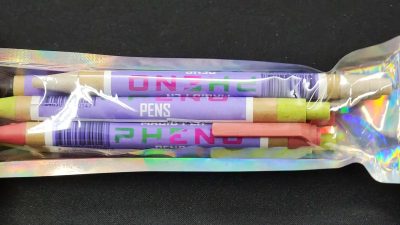
Featured Grow
 Jul 2026 — White Iverson by Selfie Seeds +2 more
White Iverson × Selfie Seeds, Pink Strawberry × Selfie Seeds, Purple Berry × Selfie Seeds • Soil • Started Jul 25, 2026
View journal
Jul 2026 — White Iverson by Selfie Seeds +2 more
White Iverson × Selfie Seeds, Pink Strawberry × Selfie Seeds, Purple Berry × Selfie Seeds • Soil • Started Jul 25, 2026
View journal
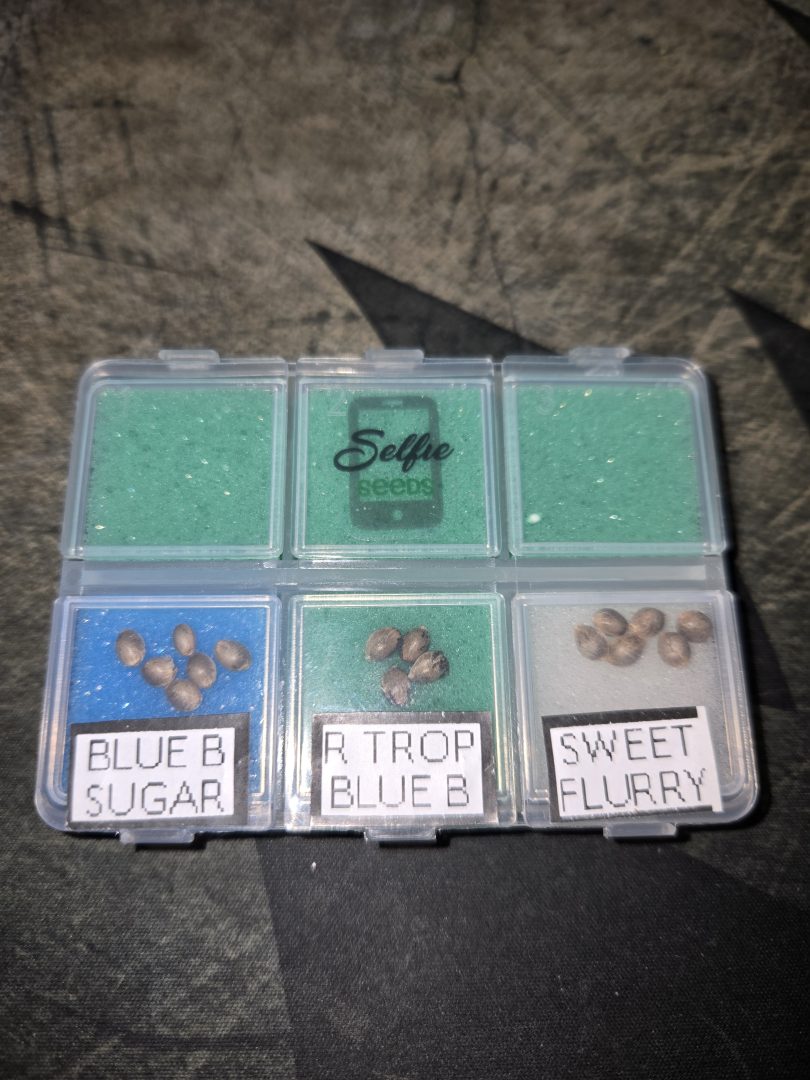 First Selfie Seeds Grow (Blueberry Sugar, Tropical Blueberry, and Sweet Flurry)
Blueberry Sugar × Selfie Seeds, Tropical Blueberry × Selfie Seeds, Sweet Flurry × Selfie Seeds • Soil • Started May 27, 2026
View journal
First Selfie Seeds Grow (Blueberry Sugar, Tropical Blueberry, and Sweet Flurry)
Blueberry Sugar × Selfie Seeds, Tropical Blueberry × Selfie Seeds, Sweet Flurry × Selfie Seeds • Soil • Started May 27, 2026
View journal
Awesome It’ll be a bit chlorophyllie but definitely let me know your opiniones

Walked in this morning before lights out and they are already bouncing back pretty good.
Awesome, fingers crossed for you
Nice LSTing Looks perfectly symmetric

Bananas!!!!! I knew I forgot something today. Thanks, gotta hit the store up in the am anyway. Coming off night,…