


Cannabis Soil vs. Coco: How to Choose a Growing Medium

Last updated: August 2026
Quick answer: Pick the medium that matches how much control and daily work you actually want. A quality potting mix or water-only soil gives beginners the widest safety net. Coco can grow very quickly, but it behaves more like hydroponics: you control nearly every feeding, watch pH and EC/PPM closely, and irrigate more often. The “best” medium is the one you can manage consistently from transplant to harvest.

Soil vs. coco in plain English
| Medium | What it feels like | Best fit | Main tradeoff |
|---|---|---|---|
| Quality potting mix | A forgiving buffer between you and the roots | First grows and hand watering | The bag may already contain nutrients, so blindly adding a full feed can be too much |
| Living or amended soil | You manage the soil system, then the soil helps feed the plant | Growers who prefer top dressing and fewer bottled inputs | Corrections can be slower, and small containers are less forgiving |
| Water-only soil | The simplest-looking workflow when the soil volume and recipe are sufficient | Growers who value convenience | “Just add water” is still not permission to ignore dryback, source water or plant signals |
| Coco coir | Hydroponics wearing a fabric-pot costume | Growers who enjoy measuring and frequent irrigation | Preparation, buffering and feed consistency matter much more |
All container media must hold the plant, water and nutrients while still leaving oxygen around the roots. That balance matters more than the logo on the bag. Oklahoma State’s container-media guidance explains why water behavior, air space, particle structure and container depth work together. Its soilless-media guide makes the same practical point: a medium must provide water, oxygen, nutrients and root support.
What the HWGrow comparison actually tested
The Meta Soil Project did not compare random plants in random rooms. It placed closely matched clones under the same lights and environment, then followed six different programs: two coco systems, two amended-soil recipes and two packaged or water-only soils. That does not make the project a universal laboratory ranking of every soil on the market. It does make it a useful real-world test of workload, preparation, cost, plant response and how clearly each method tells a grower what to do next.
The most important result for a beginner is not “brand A beat brand B.” It is that every medium comes with a contract. Soil buys you buffering but responds more slowly. Coco gives you faster control but expects more attention. If you mix the rules—such as watering coco like soil or feeding a charged soil like an inert medium—the plant pays for it.
Coco video: preparation, buffering and feed workload
Coco video chapters
- 0:23 — Why coco behaves more like hydro
- 0:37 — Rinsing compressed coco
- 0:47 — Pre-soaking and buffering
- 1:09 — Adding perlite and preparing the transplant zone
- 1:44 — The real workload begins with nutrients
- 2:53 — Reviewing the original feed schedule
- 3:15 — What the supplements are supposed to do
- 6:06 — Auditing the nutrient ratios instead of copying a chart
Selecting a timestamp starts the correct embedded video in the HWGrow pop-out player without moving the reader away from this section.
Coco is not difficult, but it is demanding
If coco appeals to you, start with a reputable pre-buffered product or prepare raw coco correctly. Keep the recipe simple, use one EC/PPM scale consistently and record what goes in and what drains out. The original video documents one detailed program and a live nutrient-ratio audit; it is a source record, not a command to copy every old bottle or number forever.
Use the current product label as the legal mixing instruction, then use plant response and measured trends to steer the next feed. The public pH, EC, PPM and runoff guide explains the measurement language. If you want the full reservoir and hydro workflow, the paid Hydro Masterclass is the appropriate next step; protected lesson instructions are not reproduced here.
Water-only soil video: the opposite end of the workload
Water-only soil video chapters
- 0:20 — Why test a water-only soil
- 0:39 — Pre-soaking a very dry mix
- 0:56 — The original alternating feed plan
- 1:16 — Historical cost snapshot
- 1:46 — Nutrients are supplied by the medium
- 1:57 — Reviewing the lab result
- 2:07 — The simplicity test
How to choose without overthinking it
- Be honest about your schedule. If you cannot check plants frequently, do not choose a system that depends on frequent, measured irrigation.
- Read the bag before buying bottles. Some mixes are lightly charged; others contain enough nutrition for weeks. “Soil” is not one recipe.
- Match container size to the system. A larger soil volume usually provides more buffer, while a smaller or airier container dries faster.
- Decide who controls nutrition. In amended soil, the medium and biology do more of the buffering. In coco, your mixed solution does most of the work.
- Use one complete method first. Do not combine half of three online recipes and expect any one of them to remain balanced.
- Keep a grow journal. Record the product, batch, container size, input, runoff when relevant, dryback and plant response. That turns opinions into something you can repeat.
Common medium mistakes
Using outdoor ground soil in a container
Field soil can compact in a pot and leave too little air around the roots. Use a container mix designed to drain and retain air, then amend only when you understand what the amendment changes.
Treating every brown tip as a deficiency
A root zone that is too wet, too dry, too concentrated or outside the useful pH range can imitate a missing nutrient. Check the medium and recent feed history before buying another bottle. The cannabis deficiency guide helps separate patterns.
Believing fast runoff means the pot is fully wet
Water can race down a gap near the container wall while the center stays dry. Use slow, even irrigation and pot weight. The fabric-pot watering guide shows how to recover dry pockets and compare input with runoff trends.
Comparing old prices as if they are current
The videos preserve what the supplies cost during the original project. Treat those figures as historical context. Current price, availability and formulas can change, so compare the cost per prepared container and the cost of the complete routine today.
Frequently asked questions
Is soil or coco better for a first cannabis grow?
A good container soil is usually more forgiving. Coco is a strong option for a beginner who enjoys measurement and can maintain a consistent irrigation routine.
Is coco soil?
No. Coco is a soilless medium. It holds water and air around the roots, but the grower supplies a complete nutrient solution and manages it more like hydroponics.
Do I need perlite in every mix?
No. Perlite increases air space and drainage, but many commercial mixes already contain it or another aeration component. Add it because the mix needs a physical change, not because every recipe online lists it.
Does water-only soil mean literally nothing but water?
Not always. Product volume, plant size, water quality and the manufacturer’s program still matter. The original HWGrow test also documented microbial inputs. Read the current label and watch the plant rather than relying on the phrase alone.
Should I reuse potting soil?
That is a separate sanitation and re-amendment decision. Use the reuse and recycle potting soil guide rather than assuming a harvested or failed root ball is immediately ready for another plant.
For the full chronological soil grow, join the Grow With Me Masterclass. For questions about your exact bag, water report or symptoms, use Ask HWG. The individual coco breakdown, BuildASoil review, Gaia Green recipe review, Down to Earth recipe review and water-only soil review remain separate source spokes for readers who want the original project details.
Recommended soil and coco setup tools
Related HWGrow evidence: The six-method comparison project setup shows how these medium choices were organized for a side-by-side grow.
 Coco coirA soilless root medium for growers who want hydro-like control in a container. Confirm whether it is washed and buffered before use.View product
 Calcium and magnesium supplementCommonly used while buffering raw coco or when a measured program calls for additional calcium and magnesium.View product
 Horticultural perliteAdds air space and drainage when a container mix is too dense. Check the existing mix before automatically adding more.View product
 Replaceable-probe pH meterUseful for checking the finished nutrient solution and consistent runoff samples. Calibrate it and store the probe correctly.View product
AC Infinity savings: Use code EVYGROWS for additional savings on eligible products. When shopping on Amazon, clip any available coupon first.
Affiliate disclosure: HWGrow may earn a commission from qualifying purchases at no additional cost to you. Product destinations may be replaced with equivalent items without changing the growing-medium principles.
Comments
Leave a reply
You may also like
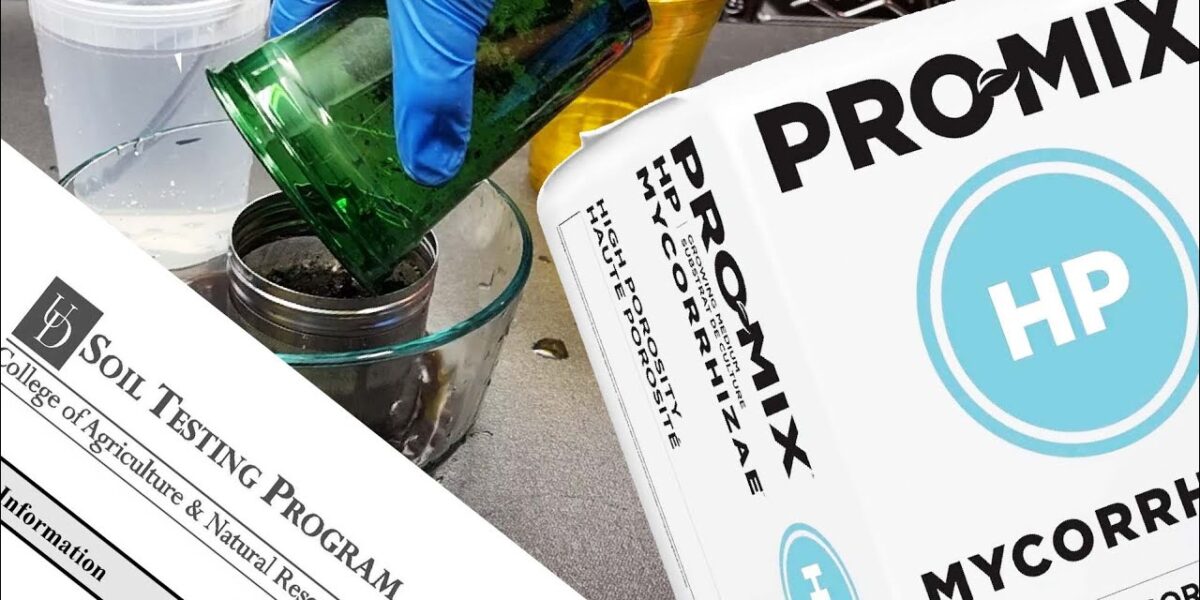
PRO-MIX HP Review: What the Lab Test Actually Says

Complete Grow Tent Setup: Four Videos, One Working Setup





Featured Grow

Mine wasnt that bad, i am low rate afib so just swing between 95 and high as 150 sometimes, up…

Yeah not fun, but as long as it helps thats what matters. Had my heartrate 200+bpm in the hospital for…
Tupac mine is for afib. Just Had cardio version the other week to get me out of it, worst case…
I was hoping for one at least that check the box's, but ya, having a couple is that much better.…
Heart cath ablation? Had one of those for Super Ventricular Tachycardia and it worked well
Would you say that in 2025 there is a new preferred meta soil that you can recommend?
A new test on such a large scale would be too time-consuming.
Maybe you know a recipe that promises high yields, isn’t too expensive, and is easy to prepare.
The GWM has proven to be better that all meta soil and has factored in the knowledge learned from that series. I could go on and on about why, but it’s easier to just go on discord and see the results of first time growers using the series