

How to Water and Feed Cannabis in Fabric Pots
Primary video chapters: responsive fabric-pot feeding
- 0:00 — Why root-zone pH drifts
- 0:28 — Use a preventive monthly check
- 0:40 — Measure the root zone with a dunk and runoff
- 1:01 — Record input pH and PPM
- 1:19 — Fully hydrate the fabric pot
- 1:41 — Drain consistently and collect runoff
- 2:18 — Measure runoff and plan the next feed
- 2:45 — Worked journal example
- 4:12 — Responsive feeding from input/output data
- 4:34 — Find equilibrium and return to top feeding
- 4:55 — Rinse and calibrate the meter

Last updated: August 2026
Quick answer: The most useful fabric-pot routine is responsive feeding: learn the pot’s dry and fully hydrated weights, record the pH and PPM/EC of the solution going in, periodically collect runoff with the same method, and adjust later feeds from repeated trends. Routine top-feeding remains practical; a full dunk is a calibration and rehydration tool, not a requirement at every feeding.

Selecting a timestamp starts the correct embedded video in the pop-out player without moving the reader away from this section.
The preferred responsive-feeding method
Roots, microbes, fertilizer salts and source water can gradually move the root zone away from the conditions you intended. Feeding the same number every time does not prove the medium is staying there. The primary video shows a repeatable way to measure what changed and make the next feed more accurate.
- Confirm the plant is ready. Compare pot weight, moisture below the surface, recent irrigation and leaf posture. Do not water by the calendar alone.
- Mix and record the input. Measure the finished solution—not plain water before nutrients—and record its volume, pH and PPM or EC scale.
- Fully hydrate for a periodic check. Place the fabric pot in a suitable tub, leave roughly the top two inches of medium above the solution, and briefly soak it so the root ball wets evenly.
- Drain the same way each time. Let the first few seconds return to the feed tub, then collect the remaining runoff while the pot drains at about a 45-degree angle for at least ten minutes.
- Measure the output and retained water. Record runoff pH/PPM and the final pot weight. The weight change shows approximately how much solution the medium retained.
- Adjust gradually. Compare input, output, plant appearance and previous records. Change the next feed modestly, then see whether the trend moves toward the target.
- Return to routine top-feeding. Once the pattern is stable, continue slow, even top-feeding and repeat the full check about monthly or when the plant gives you a reason.
This is a steering process, not a command to chase one runoff reading. Keep the medium, drainage time, meter scale and collection method consistent. Calibrated meters, fresh calibration and storage solutions, and a simple journal are more useful than reacting to isolated numbers.
How to tell when a fabric pot needs water
Lift the same pot frequently. A ready-to-water container feels substantially lighter than it did after a complete feeding, while a recently fed pot feels dense and stable. Check moisture below the surface because the top inch can dry while the center remains wet. Leaf posture is supporting evidence, but waiting for a severe wilt repeatedly can stall growth and make peat- or bark-based media difficult to re-wet.
Overwatering usually means the root zone stays saturated too often, drains poorly or cannot regain enough air between feeds. It does not mean a single complete irrigation automatically used too much water. Let the pot drain freely and never leave it standing in runoff after hydration.
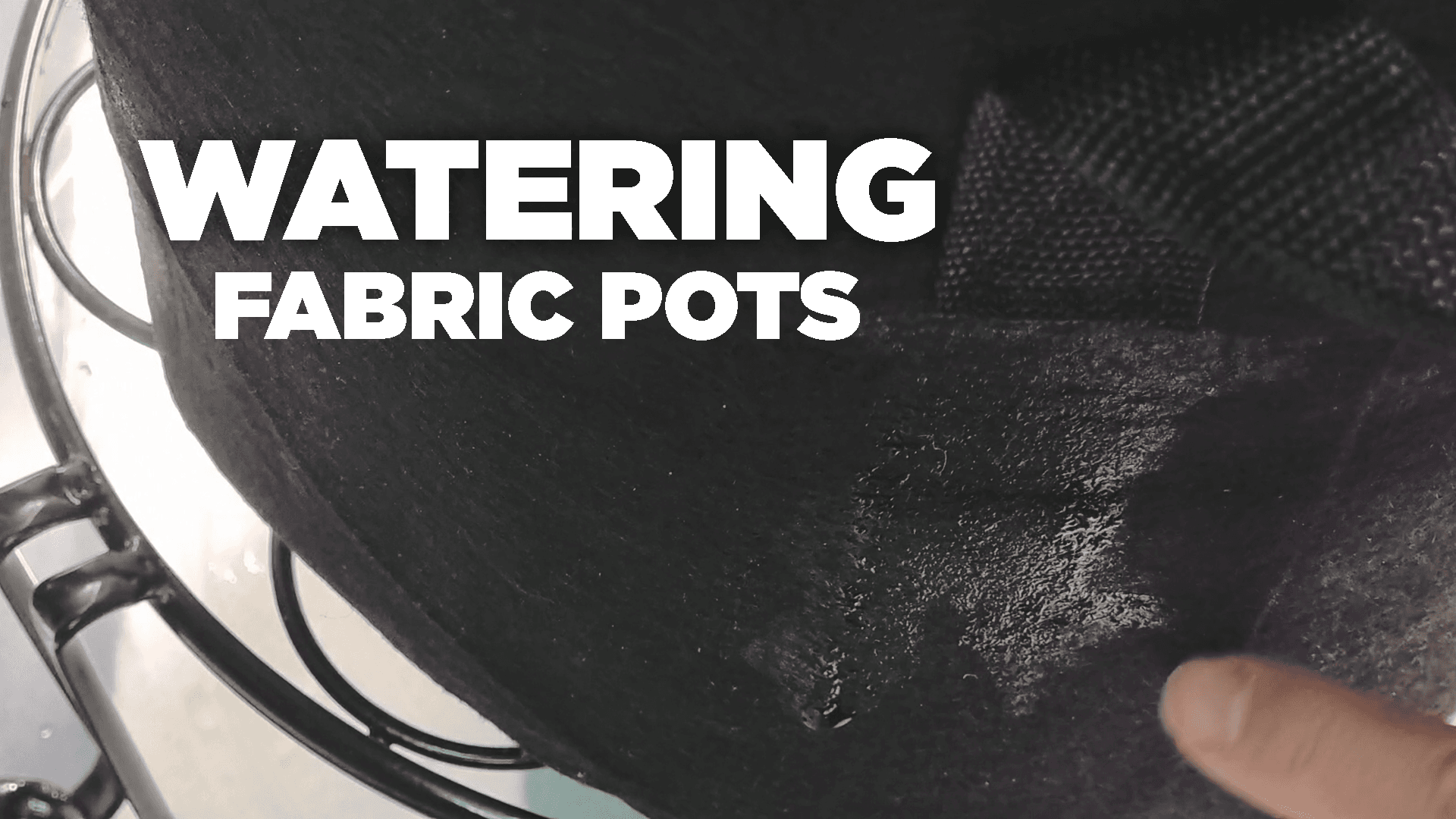
Supporting video: recover dry pockets and calibrate pot weight
The earlier HWGrow demonstration remains useful when a fabric pot has become severely dry or water-repellent. It focuses on diagnosing thirst, weighing the pot before and after hydration, and proving how much solution the medium can retain. The newer responsive-feeding video above is the primary routine because it adds consistent input/output pH and PPM records and shows how to steer future feeds.
Supporting video chapters
- 0:19 — Recognize a thirsty plant
- 1:23 — Compare pot weight
- 2:12 — Record the dry starting weight
- 3:44 — Why dry pockets form
- 3:48 — Set up the recovery dunk
- 4:23 — Submerge the fabric pot briefly
- 4:52 — Drain at a 45-degree angle
- 6:09 — Calculate retained water
- 6:59 — Use weight to time the next feed
Why fabric pots develop dry pockets
Dry peat, bark and some soilless mixes can become hydrophobic. Water then channels between the root ball and fabric wall instead of wetting the center. Slow the application, divide it into two or three passes, and use a rechargeable pressure sprayer or watering wand to cover the surface evenly. If the center still refuses water, a brief full rehydration can reset the pot.
Virginia Tech notes that container media should be wetted through and distinguishes complete watering from watering too frequently. UC guidance also describes soaking or bottom-watering as ways to recover hydrophobic media. See the container-watering guide and hydrophobic-soil guidance.
Check the source water before blaming nutrients
Source water can change the baseline pH, alkalinity, EC/PPM and disinfectant load. Look up your local ZIP code plus “water report”—for example, 12345 water report—and open the utility’s current Consumer Confidence Report. Record alkalinity, hardness, sodium and whether it uses chlorine or chloramine. The separate chlorine and chloramine water guide explains how to interpret and treat that disinfectant information.
How to interpret pH, PPM and runoff
Runoff is an operational indicator, not a laboratory soil test. Compare it with the measured input and with earlier checks performed the same way. A repeatable trend is more useful than one unusually high or low sample. Research supports the broader principle that substrate pH affects nutrient availability and the rhizosphere; see the substrate-pH study and Michigan State soil-pH guidance.
Use the pH, EC, PPM and runoff guide to confirm which PPM scale your meter uses before comparing numbers. Do not flush solely because one reading is different from a chart.
Frequently asked questions
Should I dunk a fabric pot at every feeding?
No. Use slow, even top-feeding for the normal routine. The primary video uses a periodic dunk—about monthly once conditions are stable—to fully hydrate the medium and collect comparable root-zone data.
Does runoff prove the whole pot is wet?
No. Water can channel down the wall or through cracks while the center remains dry. Confirm with pot weight and, when needed, a complete rehydration.
Should cannabis be watered on a fixed schedule?
No. Keep a schedule as a record, then let pot weight, dryback, plant size, root development and the environment determine the next feed.
Should I change the next feed from one runoff reading?
Usually not. Verify the meter, collection method and recent inputs, then make small changes from repeated trends and plant response.
Is every droop an underwatering problem?
No. Saturated roots can droop too. Check pot weight, drainage and recent feeding history before adding more solution.
The separate DUNK feeding demonstration and DIY drip-irrigation guide remain separate guides with distinct purposes. If symptoms persist after the root zone is evenly hydrated, use the nutrient-deficiency guide or Ask HWG. The complete chronological routine continues in the paid Grow With Me series without reproducing protected lessons here.
Recommended fabric-pot feeding tools


AC Infinity savings: Use code EVYGROWS for additional savings on eligible products. When shopping on Amazon, clip any available coupon first.
Affiliate disclosure: HWGrow may earn a commission from qualifying purchases at no additional cost to you. Equivalent tools can be substituted without changing the measurement and watering workflow.
You may also like

Best Grow Tent Dehumidifier: Why Mini Units Fail
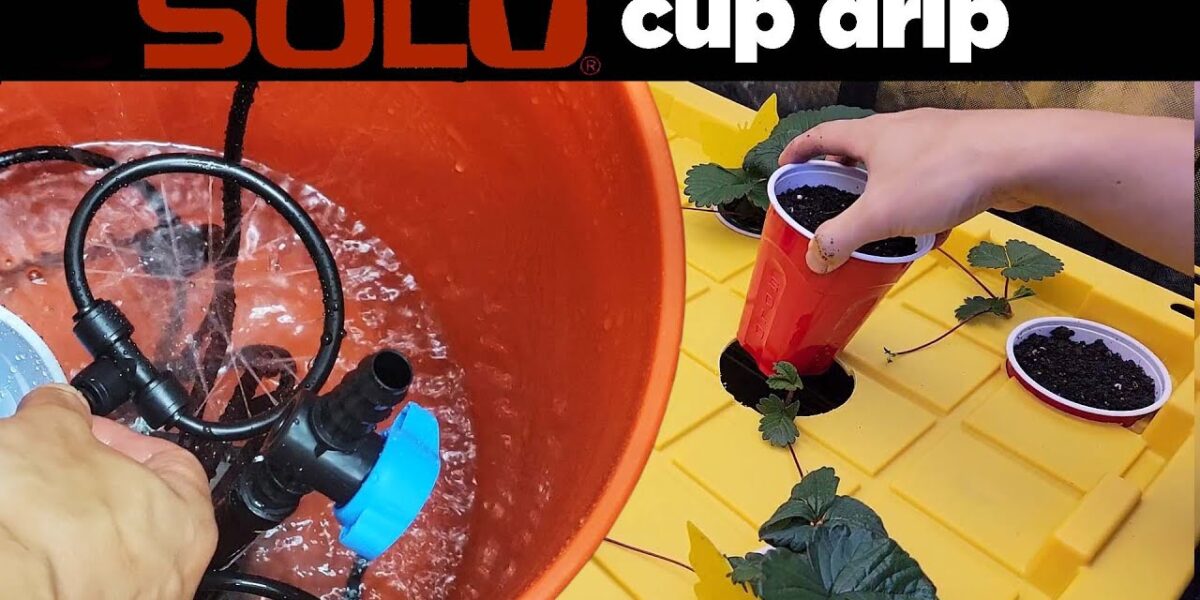
DIY Solo Cup Automatic Drip Irrigation Tote for 8 Seedlings or Clones




Featured Grow
 Jul 2026 — White Iverson by Selfie Seeds +2 more
White Iverson × Selfie Seeds, Pink Strawberry × Selfie Seeds, Purple Berry × Selfie Seeds • Soil • Started Jul 25, 2026
View journal
Jul 2026 — White Iverson by Selfie Seeds +2 more
White Iverson × Selfie Seeds, Pink Strawberry × Selfie Seeds, Purple Berry × Selfie Seeds • Soil • Started Jul 25, 2026
View journal
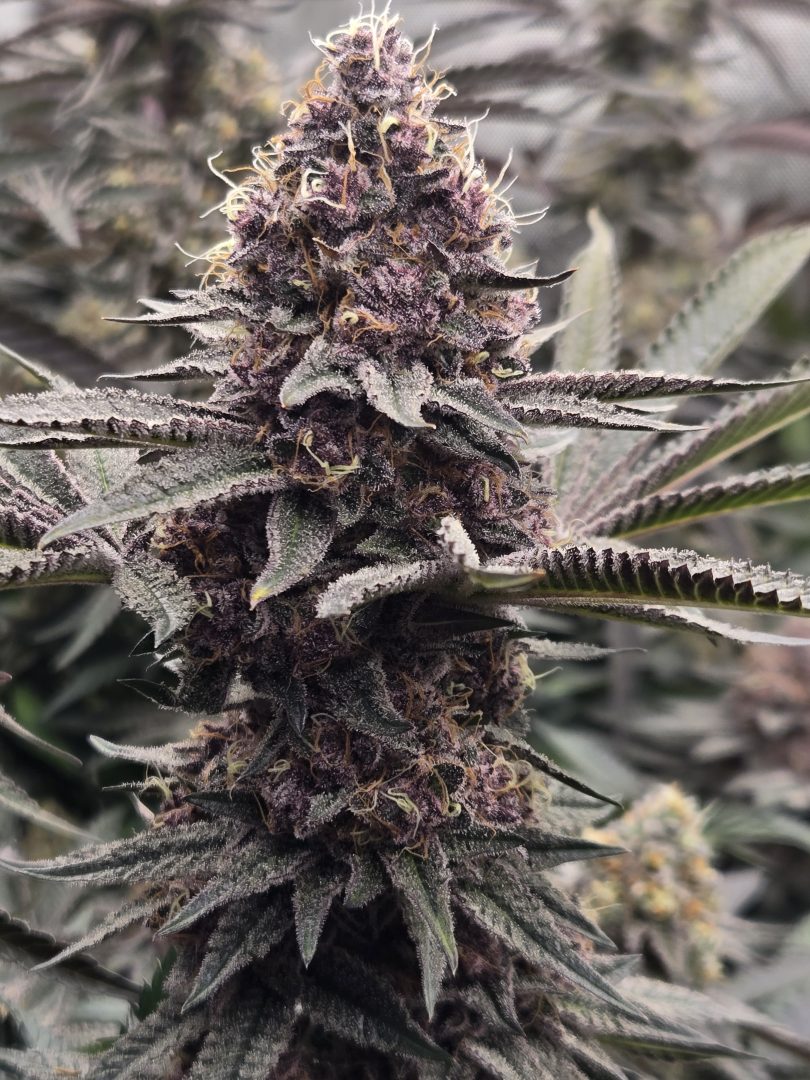 First Selfie Seeds Grow (Blueberry Sugar, Tropical Blueberry, and Sweet Flurry)
Blueberry Sugar × Selfie Seeds, Tropical Blueberry × Selfie Seeds, Sweet Flurry × Selfie Seeds • Soil • Started May 27, 2026
View journal
First Selfie Seeds Grow (Blueberry Sugar, Tropical Blueberry, and Sweet Flurry)
Blueberry Sugar × Selfie Seeds, Tropical Blueberry × Selfie Seeds, Sweet Flurry × Selfie Seeds • Soil • Started May 27, 2026
View journal
The juice is diluted with water until it hits the ppm listed on page 1

Hi again, sorry for the trouble, I'm looking at the coco for cannabis nutrient schedule and amounts are ml/gallon. My…
Nom nom So pretty!!! I should have popped this cross in the solo cup hunt

This hobby also gave me the confidence to do more diy projects when I realized I was pretty good at…
Awesome, you know it’s a serious hobby when you start making renovations around it