

Cannabis Temperature and Humidity Guide
Video chapters

Last updated: August 2026
Quick answer: Control the room that supplies your tent, exhaust hot air out of that room when possible, run lights during the coolest hours, and manage temperature and relative humidity together. A powerful exhaust fan cannot cool a tent below the temperature of the air entering it.

What temperature and humidity should a cannabis grow use?
There is no single perfect number for every cultivar, light level, leaf temperature, medium and growth stage. Controlled cannabis research found strong photosynthetic performance around 25–30°C (77–86°F), while greenhouse disease-management guidance uses roughly 25–28°C (77–82°F) with 65–75% RH for stock and vegetative plants and 23–28°C (73–82°F) with 50–70% RH during flowering. Treat those as research-based boundaries, not a command to chase one chart value. See the temperature and photosynthesis study and the greenhouse cannabis pathogen review.
A practical home-grow target is a stable canopy environment near the middle of those ranges. Young plants can tolerate more humidity; dense late flowers benefit from the lower end of the humidity range plus continuous air movement. Very high canopy humidity has been associated with delayed flowering and lower flower biomass in a recent controlled study, so do not raise RH merely to match a VPD chart while ignoring disease pressure. Read the high-humidity cannabis study.
A practical starting range by growth stage
| Stage | Canopy temperature | Relative humidity | VPD starting zone |
|---|---|---|---|
| Fresh clones and seedlings | 68–75°F (20–24°C) | 70–90% | 0.5–1.0 kPa |
| Vegetative growth | 77–82°F (25–28°C) | 65–75% | 0.7–1.2 kPa |
| Flowering | 73–82°F (23–28°C) | 50–70%; favor the lower end as flowers become dense | 1.0–1.5 kPa |
These are starting zones, not a promise that every cultivar wants the same environment. The cited greenhouse review provides the temperature and RH ranges, while the 2025 controlled-humidity study summarizes the reported cannabis VPD ranges. Leaf temperature, air movement, watering rate and disease pressure still decide whether the plants are actually comfortable.
How to keep a grow tent cool
1. Exhaust from the top and bring cooler air in low
Lights and drivers warm the air, and that warmer air collects near the ceiling. Put the exhaust pickup high, keep the passive or powered intake low, and maintain gentle circulation through the canopy. The complete grow-tent airflow guide covers fan and duct placement. A correctly sized inline fan and carbon-filter kit is the most useful first purchase when the current system cannot exchange air reliably.
2. Run lights during the coolest hours
Move the light-on period to night so outdoor heat and grow-light heat do not peak together. Use a dependable grounded outlet timer, then confirm the actual on/off cycle before leaving the grow unattended.
3. Remove heat from the lung room
Exhausting the tent into a closed bedroom or closet only moves the heat a few feet. When permitted and safe, route the duct outside with a sealed portable-air-conditioner window vent kit matched to the duct diameter. Avoid sending moist exhaust into an attic or wall cavity where condensation can cause damage.
4. Reduce heat at the source
Dim only as far as plant-light needs allow, move detachable LED drivers outside the tent, keep heat sinks unobstructed, and compare canopy response instead of relying on wattage alone. The existing LED selection guide remains the lighting reference while older model-specific reviews are held for a separate availability audit.
5. Cool the intake air—not just the tent
If the intake room is 86°F, faster airflow cannot create 78°F air. Condition the room, reduce recirculation, shade sun-facing windows and measure at canopy height. In hydro, reservoir temperature is a separate root-zone variable; detailed hydro execution remains inside the protected Hydro program.
Humidity, VPD and airflow
Relative humidity changes with temperature, so fix heat and RH together. VPD is a useful summary of atmospheric drying pressure, but leaf temperature, irrigation rate and cultivar response still matter. Use a calibrated thermometer/hygrometer at canopy height, watch the daily trend, and prioritize stable plant response over constant adjustment to a chart.
During flowering, air movement through and around the canopy matters as much as the room average. Thin stagnant interior growth, avoid leaves pressed against tent walls, and keep fans moving air without blasting one spot. If leaves continue to curl, taco or bleach after the environment stabilizes, compare the symptom pattern with the nutrient-deficiency guide before adding supplements.
Frequently asked questions
Will a bigger exhaust fan always lower tent temperature?
No. It improves air exchange, but the tent approaches the temperature of its intake air. Cool or exhaust the lung room when that air is already too warm.
Should I add humidity to match a VPD chart?
Only if plant stage, disease risk and the room environment support it. Do not create a wet, stagnant late-flower canopy to hit a theoretical number.
Should the light schedule run at night?
It is usually the simplest summer adjustment. Keep the photoperiod consistent and make the change without introducing light leaks during the dark period.
Recommended environment-control tools


AC Infinity savings: Use code EVYGROWS for additional savings on eligible products. When shopping on Amazon, clip any available coupon first.
Affiliate disclosure: HWGrow may earn a commission from qualifying purchases at no additional cost to you. Equivalent products can be substituted without changing the environment-control method.
Comments
Leave a reply
You may also like
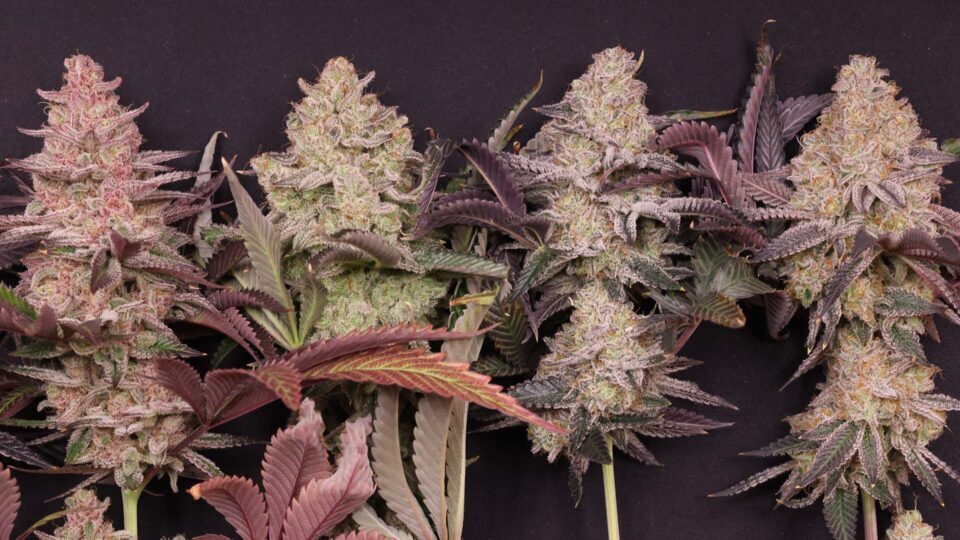
Making the Strain: Pink Panty Cream, Episode 1 | Defining Desire

Best Grow Tent Dehumidifier: Why Mini Units Fail




Featured Grow
 Jul 2026 — White Iverson by Selfie Seeds +2 more
White Iverson × Selfie Seeds, Pink Strawberry × Selfie Seeds, Purple Berry × Selfie Seeds • Soil • Started Jul 25, 2026
View journal
Jul 2026 — White Iverson by Selfie Seeds +2 more
White Iverson × Selfie Seeds, Pink Strawberry × Selfie Seeds, Purple Berry × Selfie Seeds • Soil • Started Jul 25, 2026
View journal
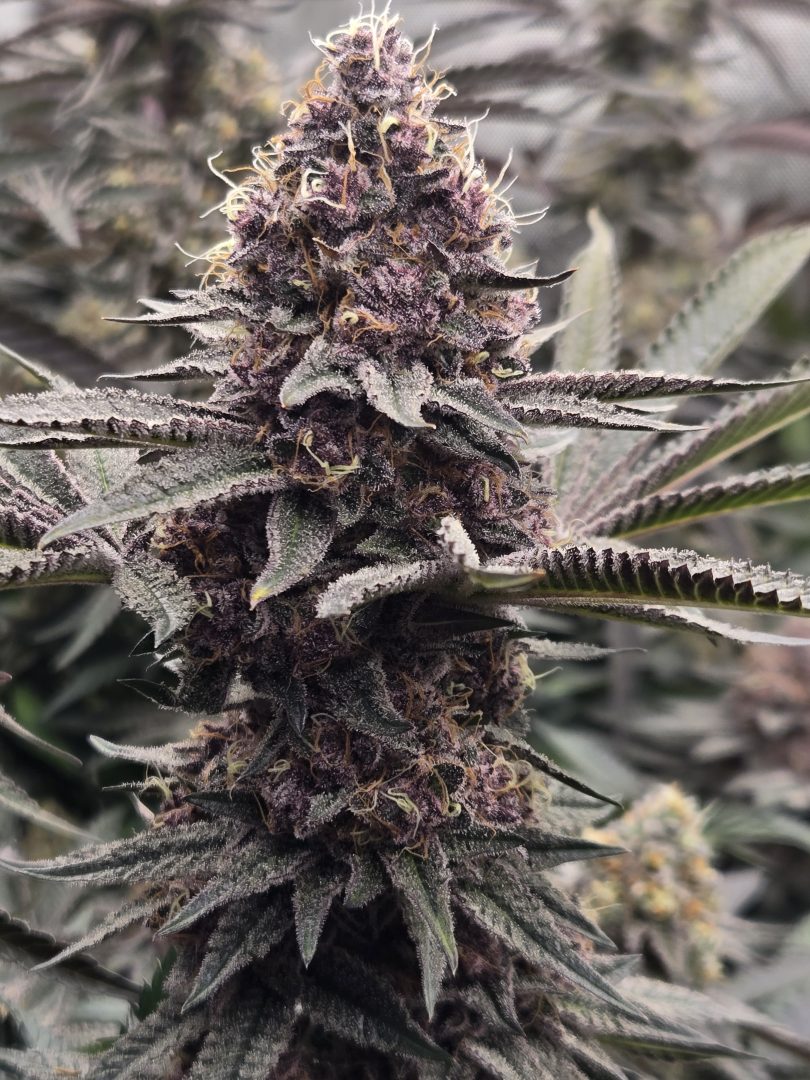 First Selfie Seeds Grow (Blueberry Sugar, Tropical Blueberry, and Sweet Flurry)
Blueberry Sugar × Selfie Seeds, Tropical Blueberry × Selfie Seeds, Sweet Flurry × Selfie Seeds • Soil • Started May 27, 2026
View journal
First Selfie Seeds Grow (Blueberry Sugar, Tropical Blueberry, and Sweet Flurry)
Blueberry Sugar × Selfie Seeds, Tropical Blueberry × Selfie Seeds, Sweet Flurry × Selfie Seeds • Soil • Started May 27, 2026
View journal
The juice is diluted with water until it hits the ppm listed on page 1

Hi again, sorry for the trouble, I'm looking at the coco for cannabis nutrient schedule and amounts are ml/gallon. My…
Nom nom So pretty!!! I should have popped this cross in the solo cup hunt
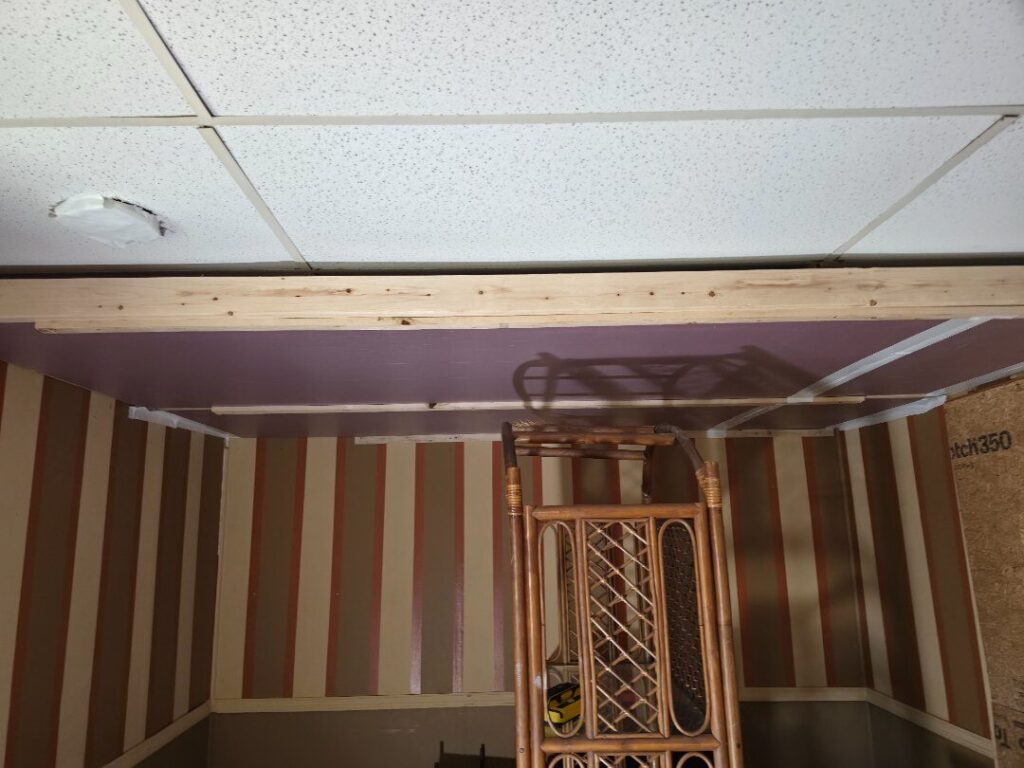
This hobby also gave me the confidence to do more diy projects when I realized I was pretty good at…
Awesome, you know it’s a serious hobby when you start making renovations around it
I am running on a AC Infinity 69Pro controller. Your cheat sheet shows weekly fan speeds with an increase as grow continues. Is this speed on sheet the high speed that controller turns on fan when temps exceed desired 78f temp or is it the minimum speed setting for when system is in off position. I currently have the minimum setting(off) at 1 and the max at 3 and am 5 days into veg.
honestly, I dont do automation on fans anymore. I have reverted to manual settings as it has been more reliable.
Thank You. I will do the same and just set fans to run continous per the chart numbers you describe.