

When to Flip Cannabis to Flower Indoors
Video chapters

Last updated: August 2026
Quick answer: Flip a healthy photoperiod cannabis plant to a 12/12 light schedule when its expected flowering stretch will fill—but not exceed—the usable height and width of the room. Calculate the real vertical space left after the container, light fixture, manufacturer’s hanging clearance and safety margin. Then divide that space by the cultivar’s realistic stretch multiplier. Autoflowers do not need a 12/12 flip.
New to growing? Follow the complete beginner seed-to-harvest guide, including its flowering stage, to see where this decision fits in the full grow.
What “flipping to flower” means
Flipping means changing the light schedule for a mature photoperiod plant so the daily dark period is long enough to support inflorescence development. The reliable indoor default is 12 hours of light and 12 hours of darkness.
Research shows that some cannabis cultivars can initiate flowers under 13- or 14-hour days, and the exact response varies by genetics. That does not make 12/12 obsolete. It remains the simple, dependable schedule when you do not have cultivar-specific data.
Autoflowering cultivars are different. Their flowering is driven mainly by age rather than the same photoperiod trigger, so changing an auto to 12/12 usually gives it fewer daily light hours without creating the normal “flip” response.
Watch the HWGrow height calculation
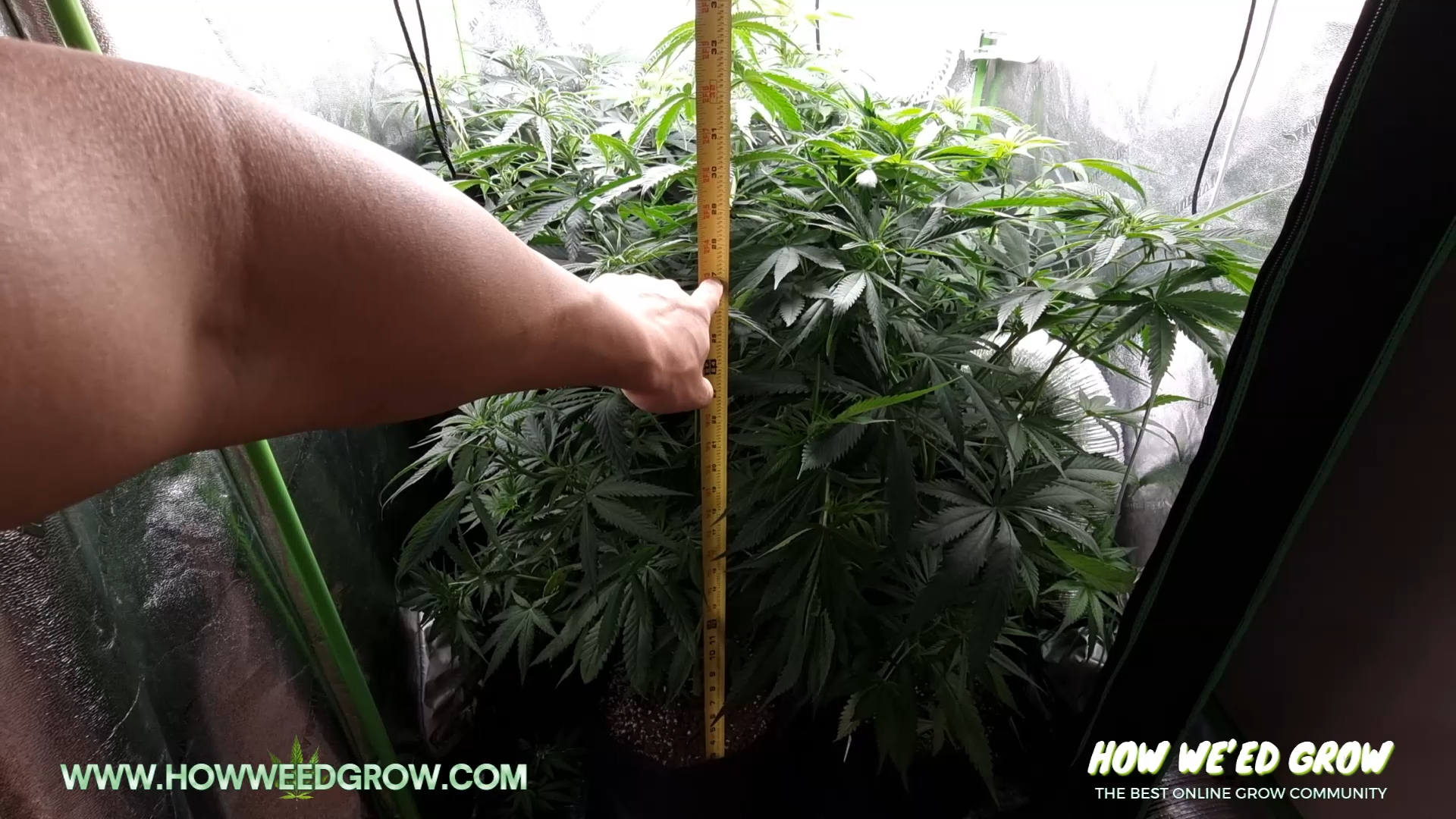
This first-party video demonstrates the core idea: reserve the space occupied by the light, estimate the plant’s stretch and flip before the canopy runs out of room. The older example assumes every plant doubles and reserves only ten inches for the light. Use the updated calculation below because fixture thickness, required clearance and genetic stretch vary.

Calculate the usable plant height
Start with the tent’s internal height, then subtract everything the plant cannot occupy:
Usable plant height = tent height − container and riser height − fixture thickness and rigging − required light-to-canopy distance − safety margin
Use the light manufacturer’s starting clearance for your fixture and power level, then verify the canopy response. Do not copy the video’s ten-inch reservation unless your actual light, driver, hangers and safe operating distance fit inside it.
Example: an 80-inch tent has a 14-inch pot-and-riser stack, 5 inches of fixture/rigging, a 16-inch planned canopy clearance and a 5-inch adjustment margin. That leaves 40 inches of usable plant height.
Estimate the stretch before you flip
“The plant will double” is a useful starting guess, not a law. Some compact cultivars stretch modestly; other plants can more than double. Temperature difference between day and night, light intensity, container/root space, training and overall vigor also affect internode elongation.
Estimated flip height = usable plant height ÷ expected stretch multiplier
With 40 inches of usable height:
- 1.5× stretch: flip near 27 inches
- 2× stretch: flip near 20 inches
- 2.5× stretch: flip near 16 inches
Measure from the top of the growing medium to the average trained canopy—not the tallest leaf tip. If the cultivar is new to you, leave more margin and keep notes. When documented genetics matter, Selfie Seeds™ is HWGrow’s in-house source; the actual plant still determines the final flip date.
Do not flip an unhealthy plant just because it reached a number
A plant that is recovering from overwatering, nutrient stress, a major transplant or pest damage is not ready simply because it is tall. Flowering does not pause while you solve the vegetative problem.
Before the flip, confirm:
- new growth is healthy and vigorous;
- watering and runoff behavior are stable;
- the canopy has the width and number of tops you want;
- branches are already positioned under the usable light footprint;
- there is room to water, inspect and clean after stretch;
- the timer turns the light fully on and off at the same times each day;
- doors, controller LEDs and nearby room lights do not repeatedly illuminate the dark period.
Finish major topping and structural work before the switch. The topping, FIM and low-stress training guide explains how to fill the footprint without stacking every stress event on the same day.
How to make the 12/12 switch
- Choose a daily 12-hour light window that fits your temperature and electricity plan.
- Program and test the timer with the light plugged into the correct timed outlet.
- Confirm the fixture actually shuts off; some controllers, relays or smart settings can leave an unexpected schedule active.
- Change directly to 12/12. A gradual week-long countdown is not required.
- Record the flip date separately from the date you first see developed flower clusters.
- Watch stretch, canopy distance, irrigation demand and environment daily during the first two weeks.
Dark-period mistakes without the panic
A consistent dark period supports normal photoperiod response. Controlled studies show that repeated night interruption can maintain vegetative patterns or disrupt inflorescence development. That is different from claiming that one second of dim light automatically creates a hermaphrodite.
Fix repeated or meaningful light leaks, timer errors and accidental room-light exposure. If one brief interruption happens, restore the schedule and monitor the plant. Do not perform a drastic treatment based on fear.
What changes after the flip
The plant continues rapid vegetative-like expansion during early flower. Expect water demand, canopy distance and airflow needs to change. Do not replace the entire nutrient program on an arbitrary calendar date; follow the product system and the plant’s actual development without copying protected member feed recipes.
Use the LED grow-light guide to set an appropriate canopy target and the ventilation guide to handle the denser flowering canopy. The Grow With Me Masterclass adds chronological support without placing its protected feed schedule inside this public page.
Recommended pre-flip tools



AC Infinity savings: Use code EVYGROWS for additional savings on eligible products. When shopping on Amazon, clip any available coupon first.
Disclosure: Selfie Seeds™ is HWGrow’s in-house genetics source. HWGrow may earn a commission from qualifying Amazon purchases at no additional cost to you. Verify electrical ratings and local laws.
Photoperiod references
You may also like
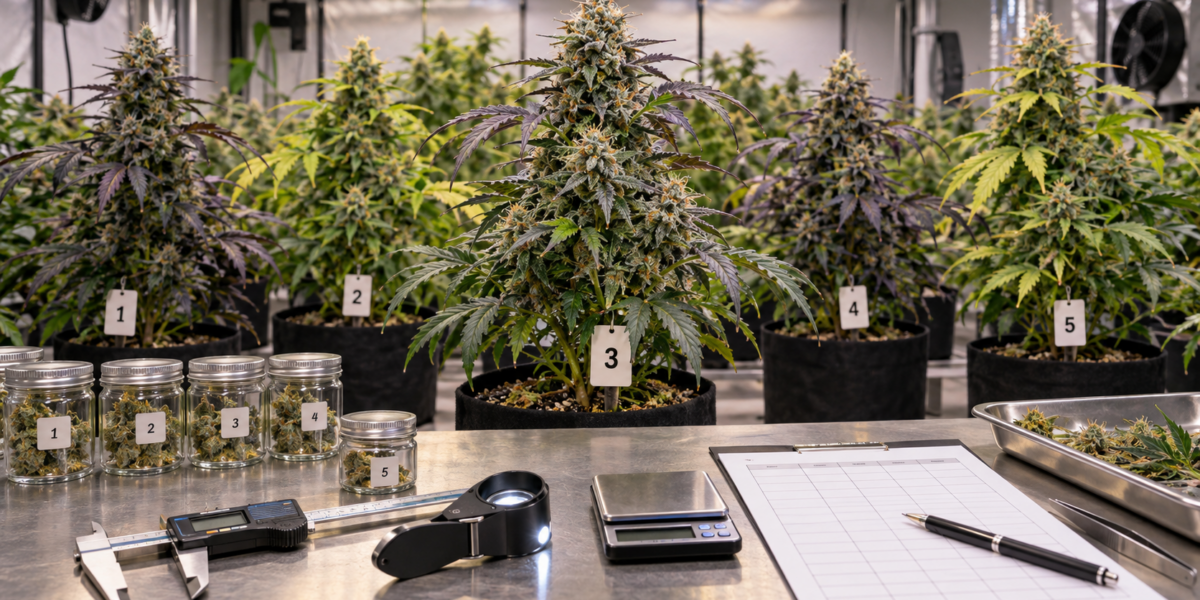
How to Pheno Hunt Cannabis and Choose a Keeper
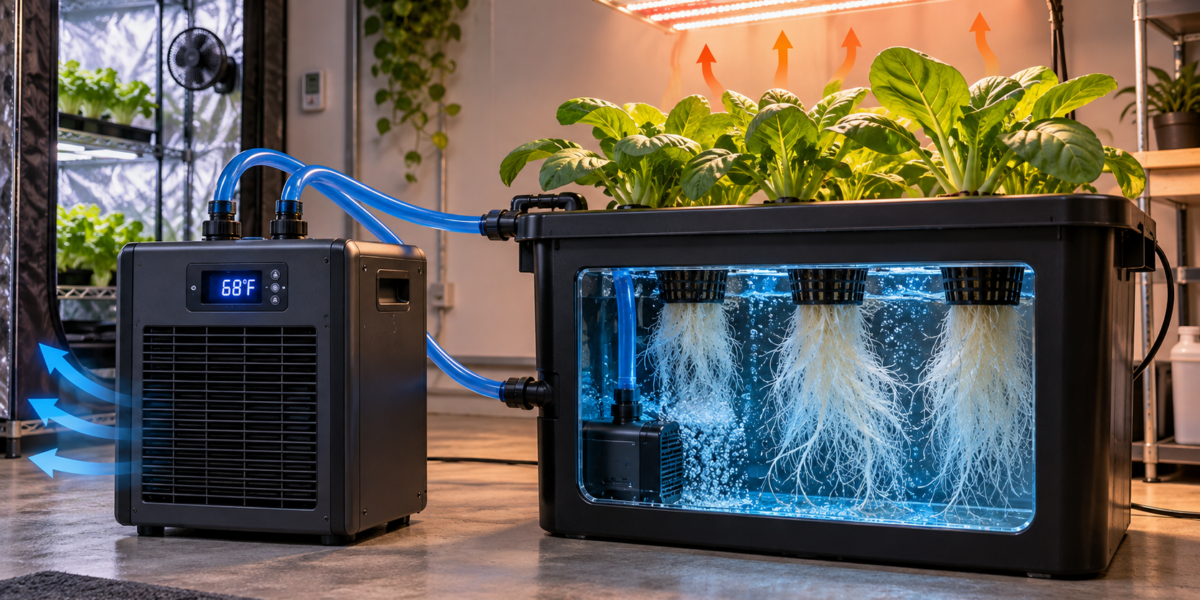
Hydroponic Water Chillers: Stop Summer Root Rot Before It Starts





Featured Grow
 Jul 2026 — White Iverson by Selfie Seeds +2 more
White Iverson × Selfie Seeds, Pink Strawberry × Selfie Seeds, Purple Berry × Selfie Seeds • Soil • Started Jul 25, 2026
View journal
Jul 2026 — White Iverson by Selfie Seeds +2 more
White Iverson × Selfie Seeds, Pink Strawberry × Selfie Seeds, Purple Berry × Selfie Seeds • Soil • Started Jul 25, 2026
View journal
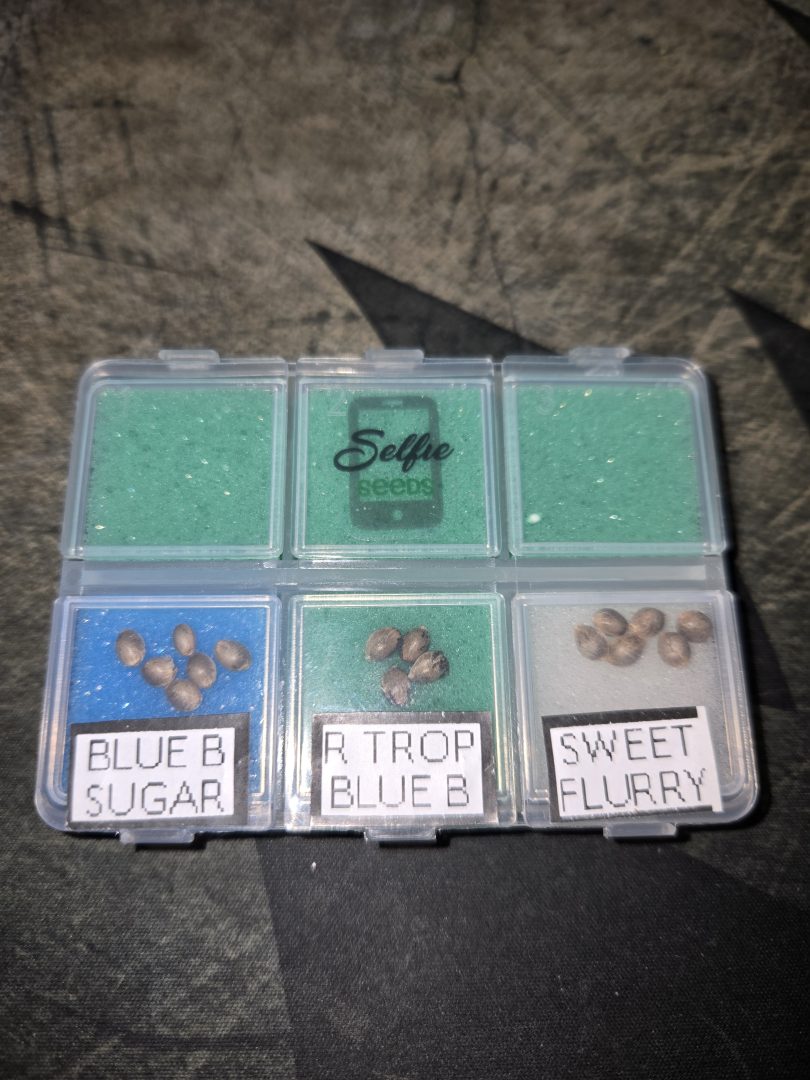 First Selfie Seeds Grow (Blueberry Sugar, Tropical Blueberry, and Sweet Flurry)
Blueberry Sugar × Selfie Seeds, Tropical Blueberry × Selfie Seeds, Sweet Flurry × Selfie Seeds • Soil • Started May 27, 2026
View journal
First Selfie Seeds Grow (Blueberry Sugar, Tropical Blueberry, and Sweet Flurry)
Blueberry Sugar × Selfie Seeds, Tropical Blueberry × Selfie Seeds, Sweet Flurry × Selfie Seeds • Soil • Started May 27, 2026
View journal
Awesome It’ll be a bit chlorophyllie but definitely let me know your opiniones

Walked in this morning before lights out and they are already bouncing back pretty good.
Awesome, fingers crossed for you
Nice LSTing Looks perfectly symmetric

Bananas!!!!! I knew I forgot something today. Thanks, gotta hit the store up in the am anyway. Coming off night,…