

How to Grow Lion’s Mane Mushrooms at Home: Beginner Kit Guide
Video chapters: the complete lion’s mane grow
- 0:19 — Why a ready-to-fruit block is the easiest start
- 0:51 — The first grow-tent setup
- 1:52 — How the block was opened
- 2:11 — The stalled, too-dry first attempt
- 2:45 — Moving the block into a simple tub
- 3:03 — Misting the walls and watching early growth
- 3:50 — Adding fresh air as coral turns into teeth
- 4:23 — The browning lesson
- 4:59 — Harvesting the lion’s mane
- 5:30 — Contamination and the disposal lesson

Quick answer: The easiest way to grow lion’s mane mushrooms at home is to start with a fully colonized, ready-to-fruit block. Cut the bag exactly as the grow-kit maker directs, keep the air around the opening humid without soaking the mushroom, and give the fruiting body enough fresh air to form teeth instead of coral-like branches.
That sounds simple because it is—but my first attempt still stalled. I began in a grow tent, dried the block out with too much exhaust, moved it into a covered tote, then opened the lid too far and watched the mushroom start browning. The harvest still worked, and those mistakes taught me more than a perfect time-lapse would have.

Health-claim reality check: The opening of the original video repeats a documentary claim about lion’s mane and brain neurons. This article teaches mushroom cultivation. It does not claim that lion’s mane regenerates neurons, treats memory problems, or replaces medical care.
What you actually need
- A ready-to-fruit lion’s mane block: the difficult sterile work and colonization have already been done.
- A clean, transparent tote: it acts as a simple humidity chamber while still letting you see the fruit.
- A fine-mist bottle: use it to dampen the chamber walls or the air around the opening—not to soak the mushroom.
- Indirect light: enough ambient light to establish a day/night rhythm; this is not a high-output grow-light project.
- Fresh air: controlled air exchange so the mushroom develops its familiar teeth.
Follow the instructions supplied with your block first. Different cultures, bag cuts and block sizes can need slightly different treatment. Cornell’s indoor-mushroom guidance also emphasizes that fruiting conditions must be managed as a whole rather than by chasing one number. Read Cornell’s indoor production guide.
The simple tote method that rescued my grow
- Clean the chamber. Wash the tote and lid, rinse them well, then let them dry. Wash your hands before touching the grow bag.
- Open the bag as directed. Many lion’s mane kits use a small X or short slit for side fruiting. Do not unwrap the whole block unless the maker specifically says to.
- Place the block above any standing water. The bag should sit on a clean, dry base. Never leave the substrate soaking in pooled water.
- Mist the chamber, not the fruit. A light film on the walls is enough. Re-mist when those droplets disappear; do not spray until water runs down the mushroom.
- Start mostly covered. The lid slows moisture loss. Watch the fruit’s shape instead of sealing the chamber forever.
- Add fresh air gradually. If the growth stretches into coral-like branches without forming teeth, crack the lid a little or exchange the air briefly a few times per day.
- Back off if the tips dry. Browning can mean the air is too dry, airflow is hitting the fruit directly, or the mushroom is simply reaching maturity. Change one thing at a time.
Humidity and fresh air work like a seesaw
My sealed tote held moisture, but the fruit began looking like coral because it was not getting enough fresh air. Cracking the lid helped the teeth develop. Then I opened it too far, moisture escaped faster, and the fruit browned. That is the entire game: keep enough humidity around the block while giving the mushroom enough fresh air to develop normally.
A current lion’s mane kit manual from North Spore lists approximately 80–90% relative humidity during fruitbody development, 55–70°F, indirect light and low carbon dioxide. Those are useful reference points, not a reason to ignore the instructions for your specific kit. Open the lion’s mane kit instruction manual.
Read the mushroom instead of guessing
| What you see | Likely message | What to adjust |
|---|---|---|
| Coral-like branching with few teeth | Not enough fresh air | Increase air exchange a little; do not point a fan at the fruit. |
| Brown or dry tips | Dry air, direct airflow, or advancing maturity | Reduce the lid opening, mist the chamber walls, and check harvest readiness. |
| Wet, translucent or soft tissue | Too much direct moisture | Stop spraying the fruit and remove standing water. |
| Strong off-odor or unrelated green, black or pink growth | Possible contamination | Isolate the block; do not open or disturb it near clean grows. |
When to harvest lion’s mane
Harvest after the fruit has formed recognizable teeth but before those teeth become long, yellow or heavily browned. In my tub, that was around day 25 after the reset, but your block may run faster or slower. The shape, color and maker’s instructions matter more than the calendar.
Use clean hands and a sanitized knife. Support the cluster, cut it close to the bag without digging into the substrate, and trim any attached block material from the base. If the kit supports a second flush, follow its rehydration instructions rather than inventing a soak.
What I would do differently
- I would start with the simple tote instead of putting one block in an actively exhausted grow tent.
- I would mist the chamber walls and monitor the fruit instead of assuming a humidifier setting meant the block was humid.
- I would increase fresh air in smaller steps as soon as the growth became coral-like.
- I would not pour water into the bottom of the tote or let the block stand in pooled water.
- I would harvest at the first clear combination of developed teeth and spreading browning instead of waiting for a perfect-looking mushroom.
Do not spread a contaminated block outdoors
In the original journal I scattered a moldy block outdoors. I would not repeat or recommend that step. If you suspect contamination, isolate the closed block from your home, food and clean grow area. Bag it without disturbing the growth and follow local waste rules or the kit maker’s disposal advice. Purdue Extension’s mushroom-growing material also stresses sanitation because molds and other organisms compete aggressively with cultivated fungi. Review Purdue Extension’s mushroom guide.
Recommended lion’s mane supplies

Ready-to-fruit lion’s mane kitThe simplest beginner starting point because the block arrives colonized and ready for fruiting conditions.
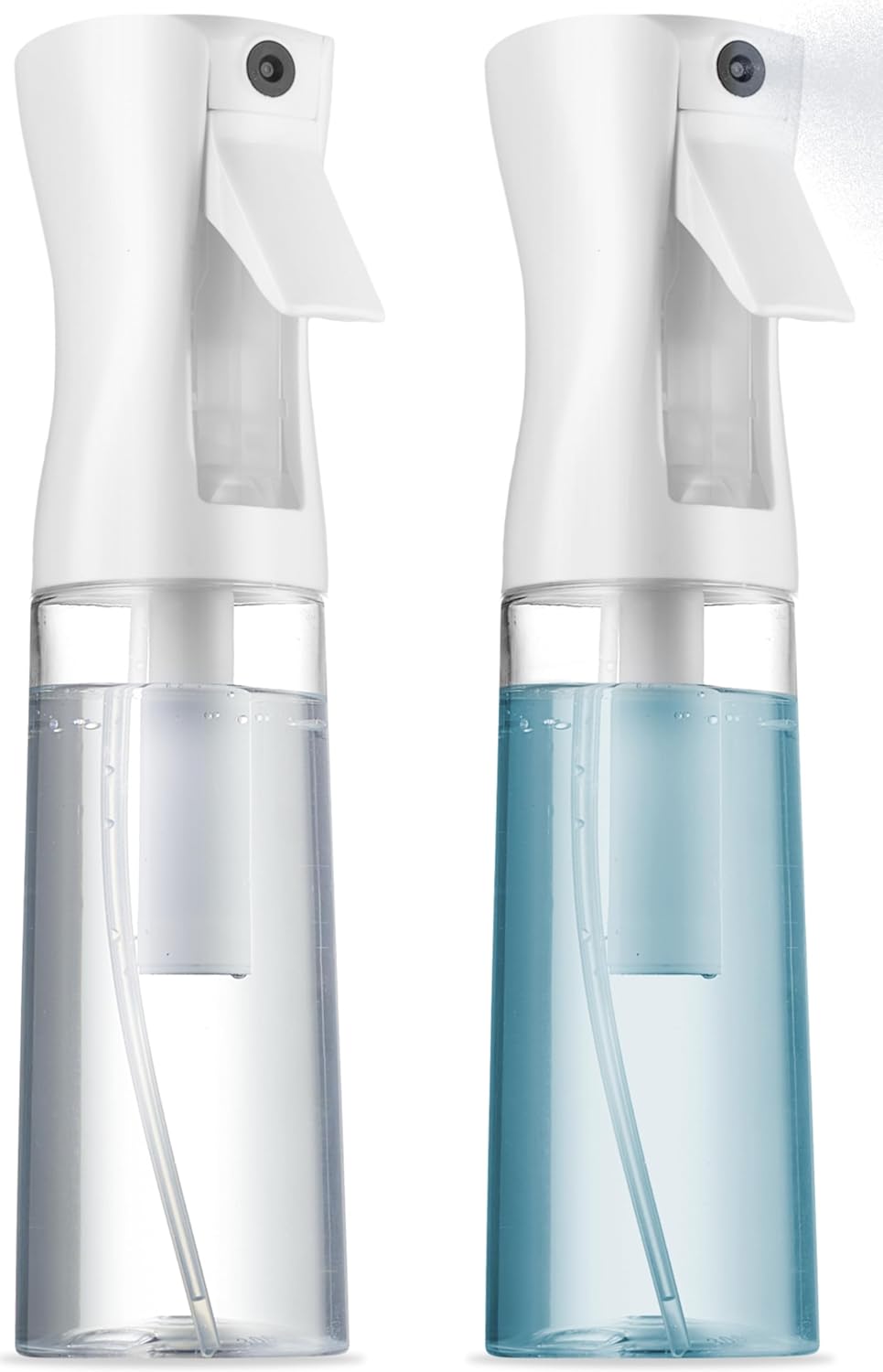
Continuous fine-mist bottlesUse a light mist on the chamber walls when droplets disappear without blasting or soaking the mushroom.
Affiliate disclosure: HWGrow may earn a commission from qualifying purchases at no additional cost to you. An equivalent ready-to-fruit block, clean tote and fine mister can be substituted without changing the workflow.
Lion’s mane grow-kit FAQ
Do lion’s mane mushrooms need light?
They benefit from indirect ambient light and a normal day/night rhythm, but they do not need an intense grow light. Avoid direct sun, which can heat and dry the chamber.
Why does my lion’s mane look like coral?
Coral-like branching usually means the fruit needs more fresh air. Increase air exchange gradually while keeping the chamber humid enough that the fruit does not dry.
Should I spray water directly on lion’s mane?
Avoid soaking the fruitbody. Mist the chamber walls or the air around the opening and follow the kit maker’s directions. Wet, waterlogged tissue can become damaged.
Can I grow another flush from the same block?
Many ready-to-fruit kits can produce another flush, but the rehydration method and rest period vary. Follow the directions supplied with your block and discard it if you see convincing contamination.
You may also like
How to Pheno Hunt Cannabis and Choose a Keeper
Hydroponic Water Chillers: Stop Summer Root Rot Before It Starts




Featured Grow
 Jul 2026 — White Iverson by Selfie Seeds +2 more
White Iverson × Selfie Seeds, Pink Strawberry × Selfie Seeds, Purple Berry × Selfie Seeds • Soil • Started Jul 25, 2026
View journal
Jul 2026 — White Iverson by Selfie Seeds +2 more
White Iverson × Selfie Seeds, Pink Strawberry × Selfie Seeds, Purple Berry × Selfie Seeds • Soil • Started Jul 25, 2026
View journal
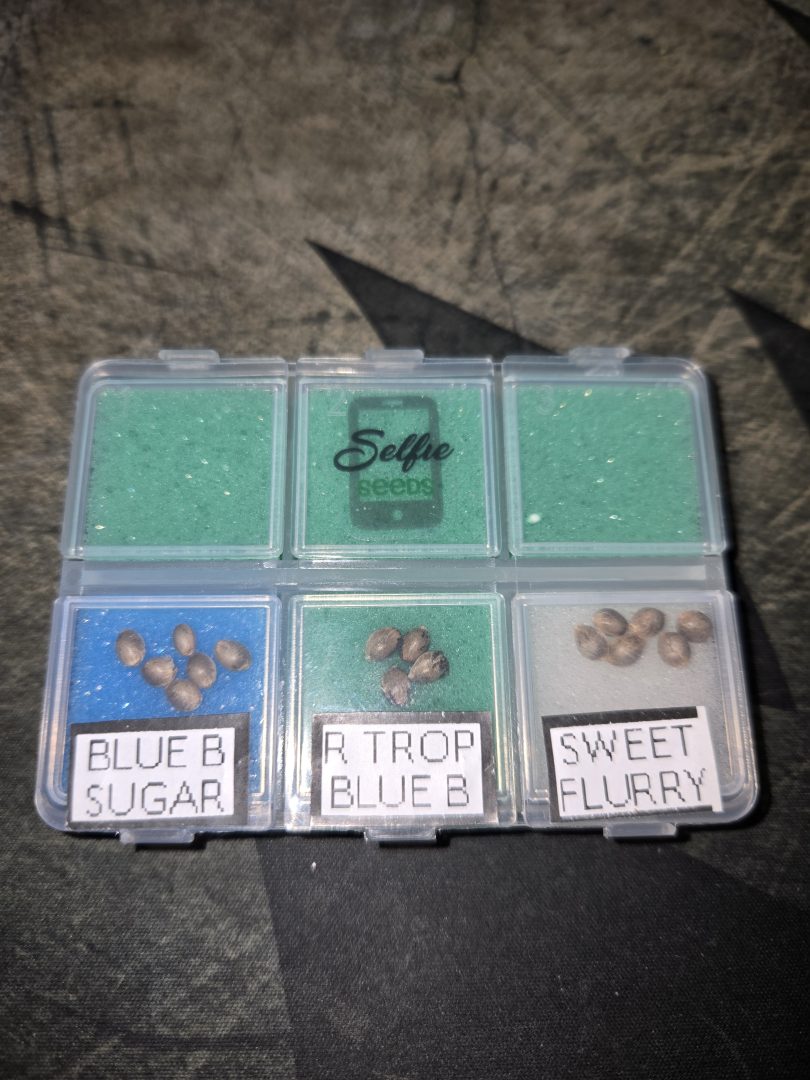 First Selfie Seeds Grow (Blueberry Sugar, Tropical Blueberry, and Sweet Flurry)
Blueberry Sugar × Selfie Seeds, Tropical Blueberry × Selfie Seeds, Sweet Flurry × Selfie Seeds • Soil • Started May 27, 2026
View journal
First Selfie Seeds Grow (Blueberry Sugar, Tropical Blueberry, and Sweet Flurry)
Blueberry Sugar × Selfie Seeds, Tropical Blueberry × Selfie Seeds, Sweet Flurry × Selfie Seeds • Soil • Started May 27, 2026
View journal
Awesome It’ll be a bit chlorophyllie but definitely let me know your opiniones

Walked in this morning before lights out and they are already bouncing back pretty good.
Awesome, fingers crossed for you
Nice LSTing Looks perfectly symmetric

Bananas!!!!! I knew I forgot something today. Thanks, gotta hit the store up in the am anyway. Coming off night,…