


Why Do People Use Cannabis? Reasons, Benefits and Risks

Ask ten people why they use cannabis and you may get ten different answers. One person wants to laugh with friends. Another is trying to settle down after a rough day. Someone else may be curious, following a medical recommendation or connecting cannabis with a personal ritual.
This guide is not here to judge anybody or sell cannabis as a cure-all. It is here to explain the most common motives in plain English, show where the evidence has limits and help you take an honest look at your own pattern.
Why “use cannabis” is more accurate than “smoke weed”
People say “smoke weed” as shorthand, but cannabis can be inhaled, eaten, taken as a tincture or used in other forms. The method matters because the timing, intensity and risks are different. Edibles, for example, can take longer to feel and make it easier to take too much before the first dose has fully kicked in.

The most common reasons people use cannabis
1. Enjoyment and changing how an experience feels
Sometimes the answer really is simple: people enjoy the feeling. Music may sound different, food may taste better, a movie may feel funnier or a familiar activity may feel new. Researchers usually call this an enhancement motive.
That does not automatically mean the pattern is healthy or unhealthy. The useful question is whether cannabis is adding to an experience—or whether the experience no longer feels enjoyable without it.
2. Social connection
Cannabis can be part of hanging out, sharing a ritual or feeling included. Some people use it because friends are using it; others genuinely enjoy the social atmosphere around it. Research on cannabis motives commonly separates social use from conformity, which is using mainly to fit in or avoid feeling left out.
If you would rather not use, “everybody else is doing it” is not a good enough reason. A real friend can handle a no.
3. Relaxation, stress and coping
A lot of people reach for cannabis to quiet their thoughts, take the edge off or create distance from a hard day. This is usually described as a coping motive. It can feel useful in the moment, but coping deserves a little extra honesty: research has linked coping motives more consistently with cannabis-related problems than many other motives.
That does not mean everyone who uses cannabis after work has a disorder. It means cannabis should not be the only tool in the box. If every bad mood, argument or stressful day automatically leads to using, the habit may be making decisions for you.
4. Sleep
Some people say cannabis helps them fall asleep. The evidence is more complicated than the sales pitch. Studies involving people with other health conditions sometimes report better sleep, but it is uncertain whether cannabis directly improves sleep or whether symptom relief makes sleep easier. Evidence for primary sleep problems is still uncertain.
Regular use can also build tolerance, and stopping after frequent use may temporarily disrupt sleep. If you need more and more to get the same result, read our guide to cannabis tolerance and T-breaks.
5. Medical or symptom-management reasons
Some adults use cannabis or cannabinoid products because a clinician recommended a specific treatment, while others self-medicate pain, nausea, appetite loss, anxiety or other symptoms. Those are not the same situation.
The U.S. Food and Drug Administration has not approved the cannabis plant to treat a disease. It has approved one cannabis-derived prescription medicine and three synthetic cannabis-related medicines for narrow indications. Broader evidence varies by condition, formulation and dose. There is some evidence of modest benefit for certain chronic-pain and multiple-sclerosis symptoms, but side effects and unanswered questions remain.
Cannabis should not be presented as a treatment for schizophrenia. Cannabis use has been linked with psychosis and schizophrenia, especially in people with other vulnerabilities. Anxiety can also go either way: some people report short-term relief, while higher doses can trigger anxiety, panic or paranoia. Talk with a qualified clinician before using cannabis for a health condition or mixing it with medications.
6. Curiosity, creativity and a different perspective
Some people are curious about the experience. Others say cannabis changes their perspective, sparks ideas or makes creative work feel more interesting. Researchers often call this an expansion motive. Feeling more creative is subjective; it does not guarantee that the finished work, memory or decision-making is better while impaired.
7. Cultural, spiritual or personal ritual
Cannabis has been used in different cultural and religious settings, and some adults connect it with reflection, meditation or a sense of meaning. That experience is personal. It should be described as a belief or practice—not as scientific proof that cannabis opens a metaphysical doorway or heals the soul.

A reason is not the same as a result
This is the part people tend to skip. “I use it for stress” tells us the goal; it does not tell us whether stress is improving. “I use it to sleep” tells us the intention; it does not tell us whether sleep quality, tolerance or daytime function is getting better.
Try checking the outcome instead of defending the reason:
- Am I using more often or using stronger products than I planned?
- Can I comfortably take a day off?
- Is it helping the original problem, or only postponing it?
- Has it affected my memory, motivation, relationships, work, school or budget?
- Do I drive, operate equipment or make important decisions while impaired?
Keep the risks in the same conversation
Cannabis is not harmless just because it is legal in some places or comes from a plant. The CDC says about 3 in 10 people who report cannabis use have cannabis use disorder. Risk is higher with younger initiation and more frequent use. Cannabis can impair reaction time, coordination and judgment, so do not drive after using it—and combining cannabis with alcohol can increase impairment.
Smoking also exposes the lungs to harmful combustion products. Our evidence-led comparison of cannabis smoke versus vapor explains what “lower harm” can and cannot mean. If you want the chemistry before the marketing claims, start with our guide to THC, CBD and other cannabinoids and our separate review of CBD evidence and risks.
When cannabis starts feeling less like a choice
Trying and failing to cut back, giving up important activities, needing more for the same effect or continuing despite problems are signs worth taking seriously. You do not have to wait for a crisis or accept a label before asking for help.
In the United States, SAMHSA’s free, confidential helplines can connect you with support and treatment resources. In an emergency, call 911; for a mental-health or substance-use crisis, call or text 988.
Sources and evidence notes
- Peer-reviewed study of self-reported cannabis-use motives
- Meta-analysis of cannabis motives, frequency and problems
- CDC overview of cannabis health effects
- FDA cannabis research and drug-approval overview
- NIH/NCCIH evidence summary for cannabis and cannabinoids
Frequently asked questions
Why do most people use cannabis?
Common motives include enjoyment, relaxation, coping, social connection, sleep, curiosity, symptom management and personal or spiritual ritual. People often have more than one motive.
Is using cannabis for stress automatically addiction?
No. A motive alone does not diagnose a disorder. Warning signs include loss of control, unsuccessful attempts to cut back, increasing tolerance and continued use despite meaningful problems.
Does cannabis treat anxiety or schizophrenia?
Cannabis should not be promoted as a treatment for schizophrenia. High-THC cannabis can provoke anxiety, panic or paranoia and has been linked with psychosis risk. Anyone using cannabis for mental-health symptoms should discuss it honestly with a qualified clinician.
Is medical cannabis the same as an FDA-approved medicine?
No. State-authorized medical cannabis programs and FDA-approved prescription medicines are different. FDA-approved products have specific formulations, doses and indications that were evaluated through the drug-approval process.
You may also like
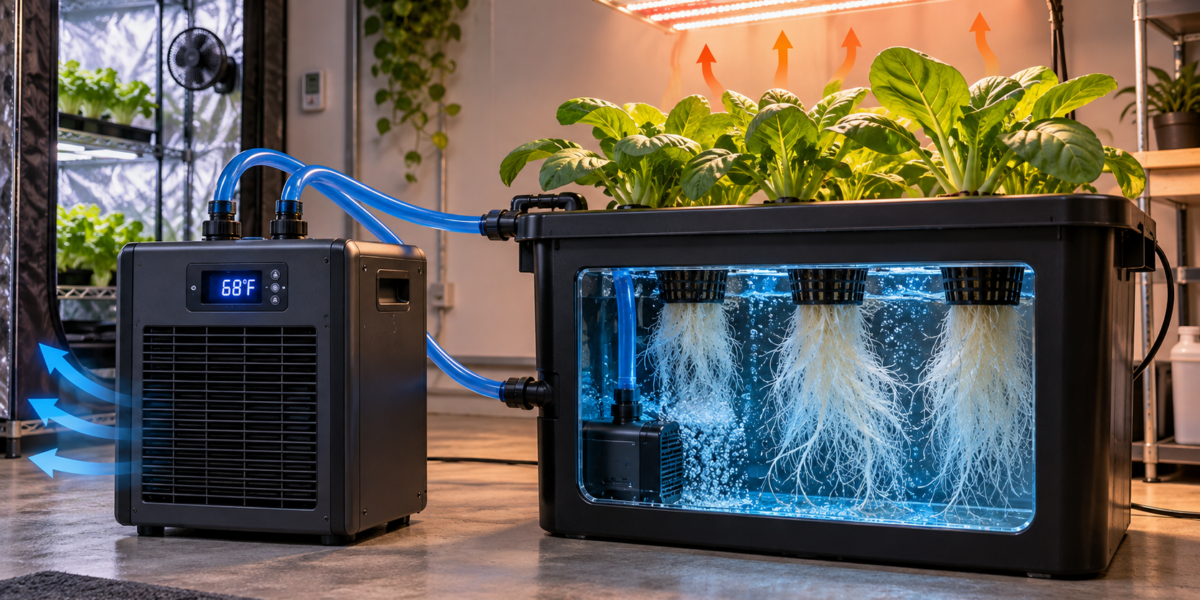
Hydroponic Water Chillers: Stop Summer Root Rot Before It Starts
How to Breed Masterclass – Promo Video

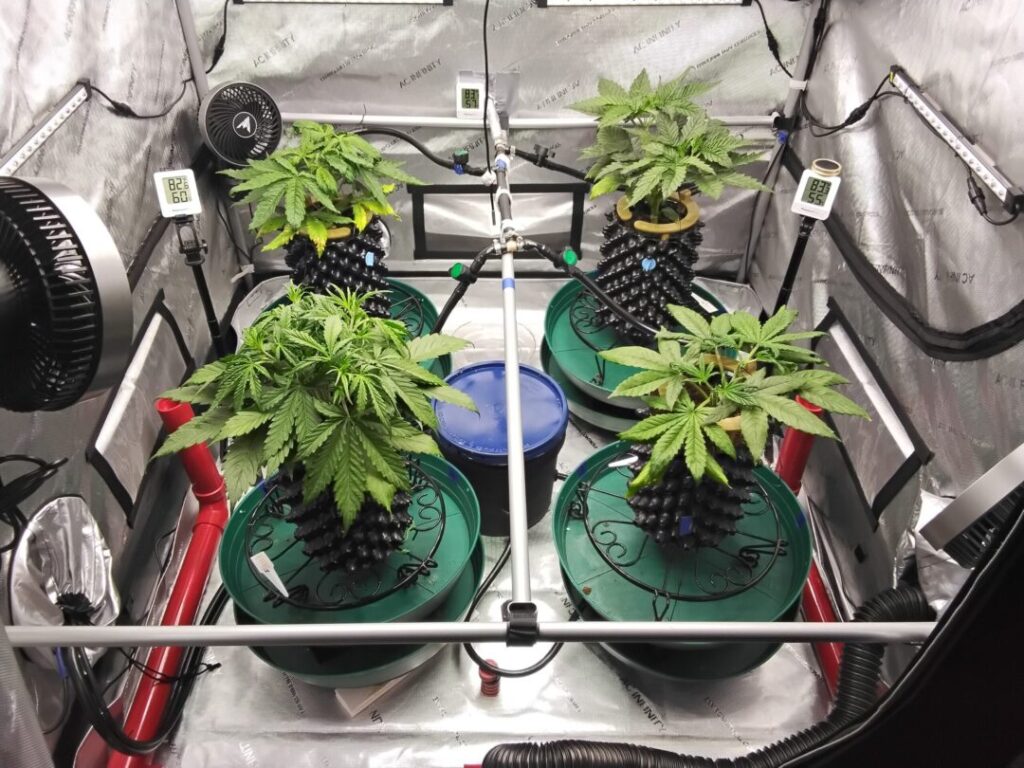
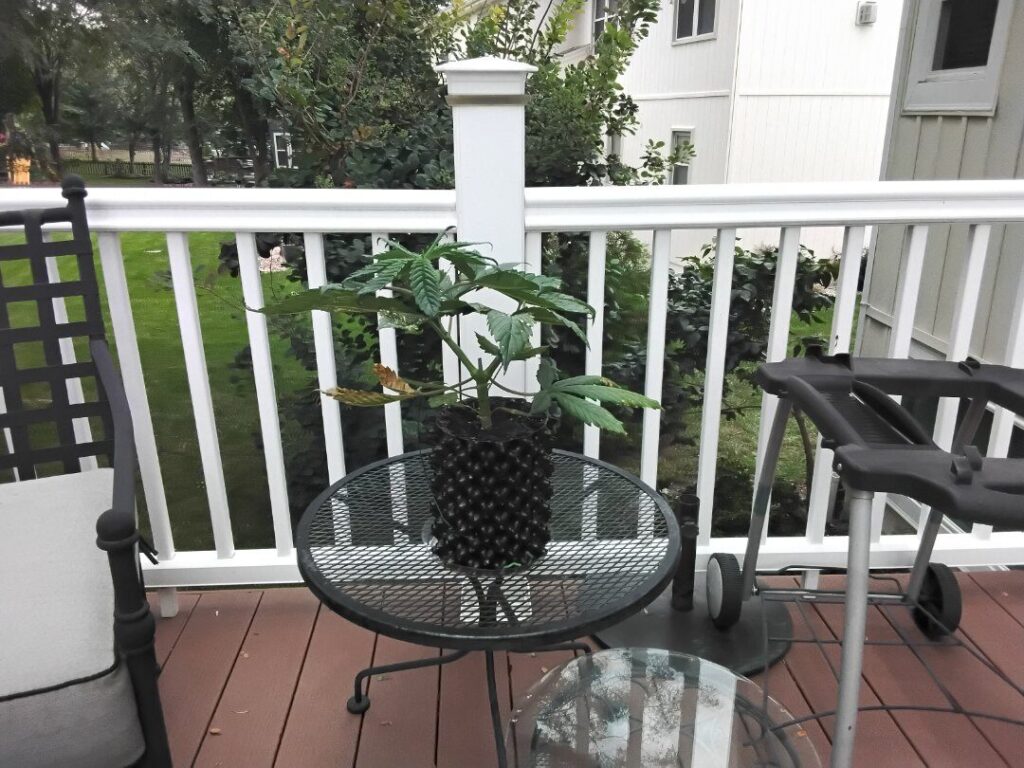


Featured Grow
 Jul 2026 — White Iverson by Selfie Seeds +2 more
White Iverson × Selfie Seeds, Pink Strawberry × Selfie Seeds, Purple Berry × Selfie Seeds • Soil • Started Jul 25, 2026
View journal
Jul 2026 — White Iverson by Selfie Seeds +2 more
White Iverson × Selfie Seeds, Pink Strawberry × Selfie Seeds, Purple Berry × Selfie Seeds • Soil • Started Jul 25, 2026
View journal
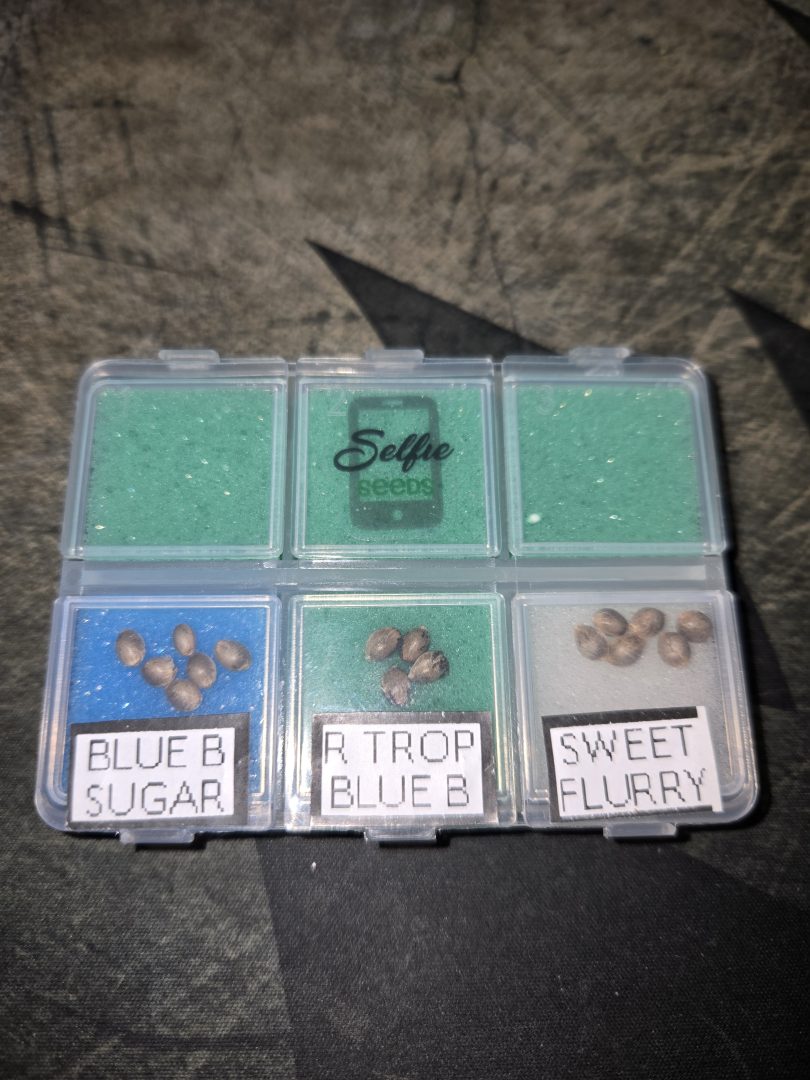 First Selfie Seeds Grow (Blueberry Sugar, Tropical Blueberry, and Sweet Flurry)
Blueberry Sugar × Selfie Seeds, Tropical Blueberry × Selfie Seeds, Sweet Flurry × Selfie Seeds • Soil • Started May 27, 2026
View journal
First Selfie Seeds Grow (Blueberry Sugar, Tropical Blueberry, and Sweet Flurry)
Blueberry Sugar × Selfie Seeds, Tropical Blueberry × Selfie Seeds, Sweet Flurry × Selfie Seeds • Soil • Started May 27, 2026
View journal
Awesome It’ll be a bit chlorophyllie but definitely let me know your opiniones

Walked in this morning before lights out and they are already bouncing back pretty good.
Awesome, fingers crossed for you
Nice LSTing Looks perfectly symmetric

Bananas!!!!! I knew I forgot something today. Thanks, gotta hit the store up in the am anyway. Coming off night,…