

Cannabis Tolerance & T-Breaks: How Long Does a Reset Take?

Last updated: August 2026
Quick answer: Cannabis tolerance is real. With repeated THC exposure, the body can become less responsive, so the same dose produces less effect. A tolerance break—or T-break—is a planned reduction or pause. Some biological recovery begins within days, but there is no universal “complete reset” schedule, and a T-break is not a guaranteed way to pass a drug test.

Why cannabis tolerance happens
Delta-9 THC interacts with CB1 receptors in the brain. With frequent exposure, CB1 signaling can become less responsive and receptor availability can decrease. That adaptation is one reason a daily user may need more THC to feel an effect that once required less.
Human PET studies in cannabis-dependent participants found lower CB1 receptor availability during regular use and recovery after abstinence. Changes began quickly, while additional recovery continued over several weeks. These were small research samples, not a stopwatch that proves every person is “100% reset” on a specific day.
The cannabinoid guide explains THC, CBD and the endocannabinoid system in more detail.
What is a tolerance break?
A tolerance break is an intentional period of using less THC or none at all. People take one to reduce tolerance, reevaluate a habit, lower spending or see how cannabis is affecting sleep, mood and daily function.
There is no evidence-based chart that says every daily user needs exactly 14 days while every weekly user needs exactly four. Product potency, dose, route, years of use, body composition, tobacco or alcohol use, health and individual response all change the experience.
How long should a T-break last?
| Time without THC | What may happen | What it does not prove |
|---|---|---|
| 24–48 hours | Receptor recovery may begin; withdrawal can also begin in frequent users | That every person is fully reset |
| Days 2–6 | Withdrawal symptoms often peak during this window | That symptoms must follow the same schedule |
| One to two weeks | Many acute symptoms improve; tolerance may be noticeably lower | That a drug test will be negative |
| About four weeks | Research in heavy users found substantial CB1 recovery after monitored abstinence | A permanent reset or identical result for every user |
Pick a duration that matches the goal, then reassess. If the goal is simply to lower tolerance, even a shorter pause or meaningful reduction may change the next response. After a break, the previous dose may feel much stronger—do not assume old tolerance is still present.
Possible cannabis withdrawal symptoms
Withdrawal is most common in regular or heavy users. Symptoms can include irritability, anxiety, sleep problems or vivid dreams, lower appetite, restlessness, depressed mood, headache, sweating, chills or stomach discomfort. Symptoms often begin within 24–48 hours, peak around days 2–6 and improve over one to two weeks, although sleep or mood changes can last longer.
That is not a character flaw or a simple failure of willpower. It is a recognized response to stopping or sharply reducing repeated THC exposure.
A practical tolerance-break plan
- Write down the goal. Decide whether you are reducing cost, checking dependence, improving function or taking a full pause.
- Choose the rule before the craving. Set the start date, duration and whether the plan is abstinence or a measured reduction.
- Remove easy access. Store products securely and avoid routines that automatically trigger use.
- Plan for sleep and appetite changes. Keep a regular sleep schedule, eat normally, hydrate and avoid replacing cannabis with heavy alcohol or another drug.
- Track symptoms. Note sleep, mood, appetite and cravings so improvement is visible.
- Ask for support when needed. A clinician or substance-use professional can help if withdrawal is severe, use feels out of control or mental-health symptoms worsen.
If cannabis is part of a medical treatment plan, talk with the prescribing clinician before changing it. Abruptly stopping one product may also expose symptoms that cannabis was masking.
A T-break is not a drug-test calculator
Tolerance and drug-test detection are different questions. Tolerance concerns the body’s response to THC. Many drug tests look for metabolites such as THC-COOH, which can remain detectable after the intoxicating effects are gone and after tolerance has started to decrease.
Detection depends on the specimen, cutoff, dose, frequency, time, metabolism and testing method. A person can feel sober, have lower tolerance and still test positive. The old article’s T-break timetable should never have been presented as a timetable for passing a test.
Detox drinks do not make THC disappear
No drink, pill, horseradish mixture or cranberry cocktail can guarantee “0% THC” in a day or two. Some products mainly dilute urine for a short period; laboratories can check creatinine, specific gravity and other validity markers and may report a diluted or invalid specimen.
HWGrow does not affiliate-link detox drinks or pills. Selling a guaranteed pass would be misleading and could cost someone a job, treatment decision or legal outcome. If a test has formal consequences, use the official instructions and ask the testing program what specimen, cutoff and confirmation method it uses.
When to get help
Seek professional support if cannabis use interferes with work, school, relationships or health; if repeated attempts to cut down fail; or if withdrawal includes severe depression, panic, psychosis or thoughts of self-harm. In the United States, the SAMHSA National Helpline can connect people with treatment and support resources.
Tolerance-break FAQ
Can two days lower cannabis tolerance?
Recovery can begin within days, and some people notice a difference after a short pause. That is not proof of a complete reset, especially after heavy or long-term use.
Will a two-week T-break make a drug test negative?
Not reliably. Detection windows vary widely, especially after frequent use. A tolerance break and a negative drug test are not the same outcome.
Does CBD reset THC tolerance?
CBD is pharmacologically different from THC, but it is not an established shortcut for resetting THC tolerance. A product containing CBD can also contain THC, so read the batch report.
Research and official references
- Human PET study of CB1 receptor recovery during cannabis abstinence
- Reversible CB1 receptor downregulation in chronic daily cannabis smokers
- Mechanisms of cannabinoid tolerance
- Clinical management and timeline of cannabis withdrawal
- SAMHSA clinical drug-testing guidance
This article is educational and is not medical, employment or legal advice.
You may also like
Hydroponic Water Chillers: Stop Summer Root Rot Before It Starts
How to Breed Masterclass – Promo Video



Featured Grow
 Jul 2026 — White Iverson by Selfie Seeds +2 more
White Iverson × Selfie Seeds, Pink Strawberry × Selfie Seeds, Purple Berry × Selfie Seeds • Soil • Started Jul 25, 2026
View journal
Jul 2026 — White Iverson by Selfie Seeds +2 more
White Iverson × Selfie Seeds, Pink Strawberry × Selfie Seeds, Purple Berry × Selfie Seeds • Soil • Started Jul 25, 2026
View journal
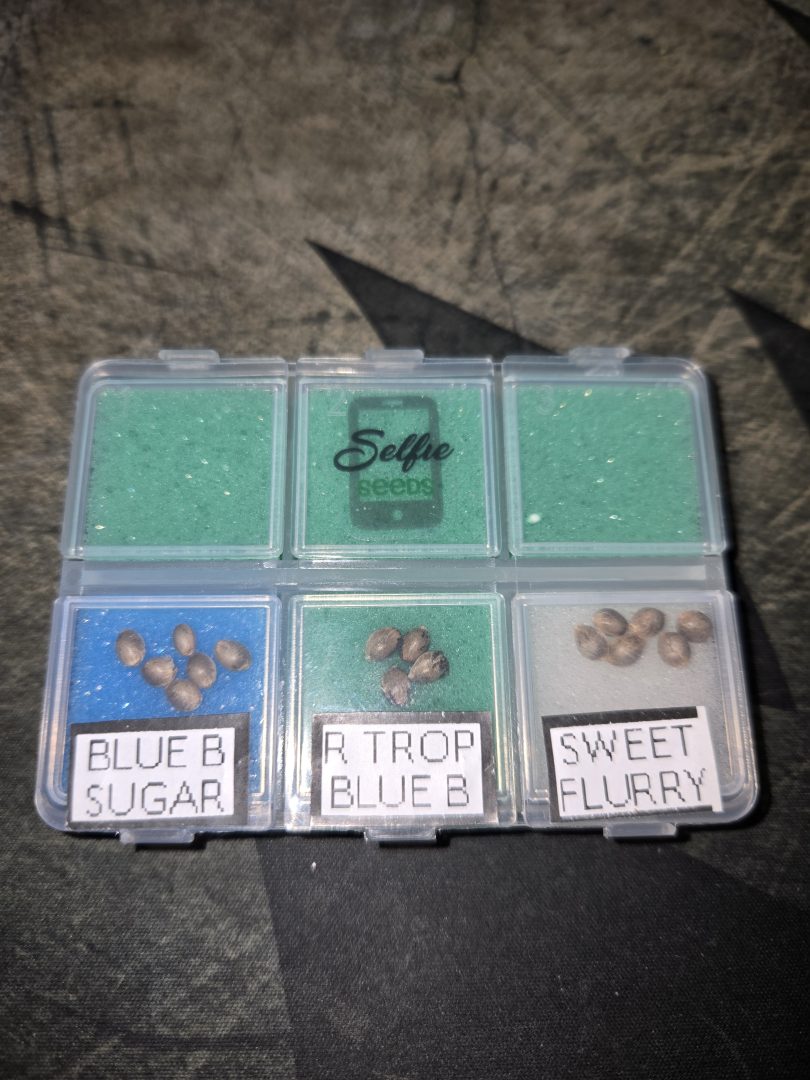 First Selfie Seeds Grow (Blueberry Sugar, Tropical Blueberry, and Sweet Flurry)
Blueberry Sugar × Selfie Seeds, Tropical Blueberry × Selfie Seeds, Sweet Flurry × Selfie Seeds • Soil • Started May 27, 2026
View journal
First Selfie Seeds Grow (Blueberry Sugar, Tropical Blueberry, and Sweet Flurry)
Blueberry Sugar × Selfie Seeds, Tropical Blueberry × Selfie Seeds, Sweet Flurry × Selfie Seeds • Soil • Started May 27, 2026
View journal
Awesome It’ll be a bit chlorophyllie but definitely let me know your opiniones

Walked in this morning before lights out and they are already bouncing back pretty good.
Awesome, fingers crossed for you
Nice LSTing Looks perfectly symmetric

Bananas!!!!! I knew I forgot something today. Thanks, gotta hit the store up in the am anyway. Coming off night,…