


Six Cannabis Grow Methods Compared: HWGrow Project Setup

Short answer: the Meta Soil Project put six popular cannabis growing approaches into one room so I could see how they behaved under the same light and environment. The point was not to prove that one online grower is “the best.” It was to compare the work, cost, plant response and tradeoffs of each method.
Video chapters
- 0:19 — The Meta Soil Project goal
- 0:29 — Keeper selection and closely matched clones
- 0:40 — Mr. Canucks, 420 Scene, BuildASoil and Coco for Cannabis
- 1:02 — TPS Nutrients and Great Lakes Water Only Soil
- 1:27 — What I tried to keep consistent
- 1:45 — What the project was designed to teach
- 2:09 — Transparency and the grow journal
Timestamp links open the standard HWGrow pop-out player at the selected moment without moving you away from your reading position.
The six methods in the comparison
| Method | Category in this project | Detailed public breakdown |
|---|---|---|
| Mr. Canucks / Gaia Green mix | Amended organic-style soil | Recipe test and review |
| 420 Scene / Down To Earth mix | Amended organic-style soil | Recipe test and review |
| BuildASoil 3.0 | Water-only living-soil approach | Lab and grow review |
| Great Lakes Water Only Soil | Water-only soil approach | Grow test and review |
| Coco for Cannabis / General Hydroponics | Coco coir with measured liquid nutrients | Coco workflow review |
| TPS Nutrients full line | Bottled nutrient program | Complete-kit review |
What I tried to control
The clones entered the project at similar sizes and shared the same tent, light cycle and general room conditions. I also limited each method to the nutrients or amendments listed in its own breakdown. That makes the comparison easier to follow, but “same room” does not mean every root zone experienced the same moisture, nutrition or light at every moment.
- How much setup and measuring did each method require?
- How quickly did each root zone dry and need irrigation?
- How much flexibility did I have when a plant showed a problem?
- What did each approach cost for this container size and run?
- Which tradeoffs would matter most to a beginner in a real room?
If you are choosing a medium today, the clearer starting point is Cannabis Soil vs. Coco: How to Choose a Growing Medium. It turns the project into a decision guide instead of pretending one method wins every category.
Tools that make a side-by-side grow easier to read
 Waterproof plant labelsKeep every plant, pot, feed record and sample tied to the correct method.Check Current OptionsMatching fabric potsUse the same labeled volume when container size is not the variable you want to test.Check Current Options
 EC/PPM meterRecord solution strength and runoff trends instead of comparing nutrient labels alone.Check Current OptionsIndependent temperature/RH meterTrack the shared environment and note where placement creates a different microclimate.Check Current Options
Affiliate disclosure: HWGrow may earn a commission from qualifying Amazon purchases at no additional cost to you. Equivalent tools can replace the linked products without changing the comparison method.
Frequently asked questions
Was this a controlled scientific experiment?
No. It was a documented side-by-side grow with several variables intentionally held similar. Plant-to-plant variation, position and each method’s own needs still limit universal conclusions.
Which growing method is best?
The best method depends on the grower’s available time, measurement habits, water quality, container size and willingness to correct problems. Use the detailed reviews and the soil-versus-coco guide to match a method to your room.
Why use clones in a medium comparison?
Closely matched clones reduce some genetic variation. They do not eliminate differences caused by rooting, plant position or early health, so those limitations still belong in the notes.
You may also like
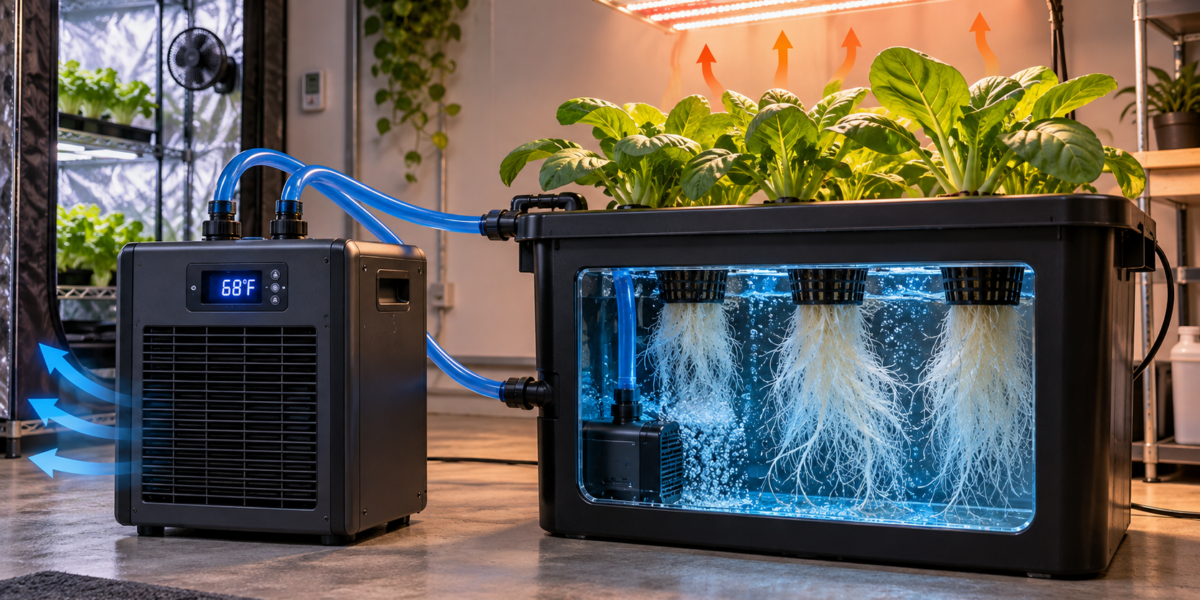
Hydroponic Water Chillers: Stop Summer Root Rot Before It Starts
How to Breed Masterclass – Promo Video




Featured Grow

Looking healthy
Shared a GIF.
kind of looks a little too dry for my liking
of course you will

Growing the Purple Berry's now, hope I do her justice.