


Cannabis Extracts vs. Concentrates: Types, Potency & Safety

Last updated: August 2026
Quick answer: “Concentrate” is the broad label for a cannabis product with plant compounds concentrated into a smaller amount of material. “Extract” is often used for concentrates made with a solvent, while kief, traditional hash and rosin are usually grouped as solventless concentrates. The names are not used consistently, so the label, potency and verified testing matter more than whether a product is called wax, sauce, shatter or resin.
Important safety warning: Do not try open-blasting butane, propane or another volatile solvent at home. Flammable vapor can travel, ignite and cause a flash fire or explosion. A garage, basement, open window or outdoor location does not turn an improvised setup into a professional closed-loop facility.

Extracts and concentrates in plain English
Think of orange juice and orange-juice concentrate. The source is the same, but the concentrate packs more of certain ingredients into less volume. Cannabis concentrates do something similar with cannabinoids and aromatic compounds from the plant’s resin glands.
- Concentrate: the umbrella term. It can include products separated mechanically, with heat and pressure, or through professional solvent-based processing.
- Extract: commonly means a concentrate produced with a solvent. People still use the two words interchangeably, so do not assume the manufacturing method from the name alone.
- Dab: informal language for a small portion of concentrate or for the act of consuming it with a heated device. It is not a reliable manufacturing category.
The National Institute on Drug Abuse’s concentrate overview makes the same important point: terminology varies, and the difference between “extract,” “concentrate” and “dab” is not always used consistently.
Common concentrate names—and what they actually tell you
| Name | What the name usually describes | What the name does not prove |
|---|---|---|
| Kief | Loose resin glands collected from cannabis flower. | Potency, cleanliness or storage quality. |
| Hash | Collected resin glands that have been gathered or pressed together. | One exact production method. |
| Rosin | A concentrate separated with heat and pressure rather than a volatile solvent. | That the product is automatically contaminant-free or low potency. |
| Live resin | A product marketed around fresh-frozen starting material and retained aroma. | Purity, exact potency or a single consistency. |
| Shatter, wax, budder and crumble | Texture and handling characteristics. | The complete process, safety or chemical profile. |
| Sauce and diamonds | Products containing a liquid fraction, crystalline fraction or both. | How much THC will reach you in one serving. |
| Distillate and isolate | More highly refined products intended to concentrate a narrower group of compounds. | Quality, authenticity or freedom from unwanted residues. |
Color is not a universal quality score either. Starting material, age, storage, processing and oxidation can all change appearance. A clear or pale product is not automatically safer, and a darker product is not automatically bad.
Solventless does not mean risk-free

Solventless methods avoid the specific explosion hazard created by a cloud of volatile extraction vapor. That does not make every tool, product or dose harmless. Presses involve hot surfaces, high force and electrical equipment, while the finished concentrate may contain far more THC per gram than flower.
Professional solvent extraction is a different category from an improvised open setup. Commercial operations use engineered equipment, ventilation, fire controls, trained workers and rules that vary by jurisdiction. The CDC/NIOSH cannabis workplace guidance lists chemical exposure, fire and explosion among the hazards that must be controlled. California’s Department of Justice separately identifies both open-blasting and closed-loop systems in its butane honey-oil laboratory safety material.
Potency deserves more attention than texture
A tiny amount of concentrate can deliver a large amount of THC. That makes it easier to take more than expected, especially when someone judges the serving by size instead of reading the potency label. SAMHSA notes that modern concentrates, vape products, oils and edibles can contain much more THC than traditional flower; see its current marijuana and CBD risk overview.
The practical rule is simple: check the measured potency, do not assume your usual flower amount translates to a concentrate, and do not drive or use dangerous equipment while impaired. Keep intoxicating products locked away from children and pets.
How to evaluate a concentrate without falling for the name
- Start with legality. Cannabis rules and product standards vary by location. Use only products and channels permitted where you live.
- Read the cannabinoid label. Look for total THC/CBD and the serving amount rather than relying on words such as “premium,” “live” or “full spectrum.”
- Look for batch-specific testing. A credible result should identify the batch and the laboratory, not just display a generic “lab tested” badge.
- Check the ingredient list. This matters especially for vape oils and flavored products that may contain added ingredients.
- Inspect the package. Avoid leaking, damaged, unsealed or obviously relabeled products.
- Store it responsibly. Protect it from heat and light, keep the original label with it and lock it away from anyone who should not access it.
CDC says cannabis oils and concentrates used for vaping or dabbing often contain highly concentrated THC and may contain additives or contaminants. It also says there is not enough evidence to declare one consumption method universally safe. Read the CDC cannabis FAQ for the current public-health summary.
The bottom line
Use “concentrate” as the broad category and treat “extract” as a commonly used—but not perfectly consistent—solvent-based subcategory. Names such as wax, shatter, sauce and budder mostly describe appearance or texture. They do not replace a potency label, batch test or safe legal source.
Most importantly, do not copy an open-solvent extraction demonstration from the internet. If the goal is to understand the plant before any product is made, start with the separate HWGrow guides to check cannabis trichomes and harvest timing and dry cannabis correctly.
Frequently asked questions
What is the difference between a cannabis extract and a concentrate?
Concentrate is the broader term. Extract commonly means a concentrate made with a solvent, but people and brands do not use these words consistently.
Is rosin an extract or a concentrate?
Rosin is normally described as a solventless concentrate because heat and pressure separate it without a volatile extraction solvent.
Is making butane hash oil at home safe?
No. Open volatile-solvent extraction can create an ignitable vapor cloud and cause fire, explosion, injury and property damage. This page does not provide operational instructions.
Does a light color mean a concentrate is pure?
No. Color and texture alone do not prove potency, purity, freshness or the absence of contaminants. Use a legal source, a complete label and credible batch-specific testing.
Are cannabis concentrates stronger than flower?
They often contain much more THC per gram, but strength varies. Read the measured potency and serving information for the specific product.
Related HWGrow guide: For a solventless example you can follow step by step, see how to make ice-water hash with bubble bags and a mini washer.
You may also like
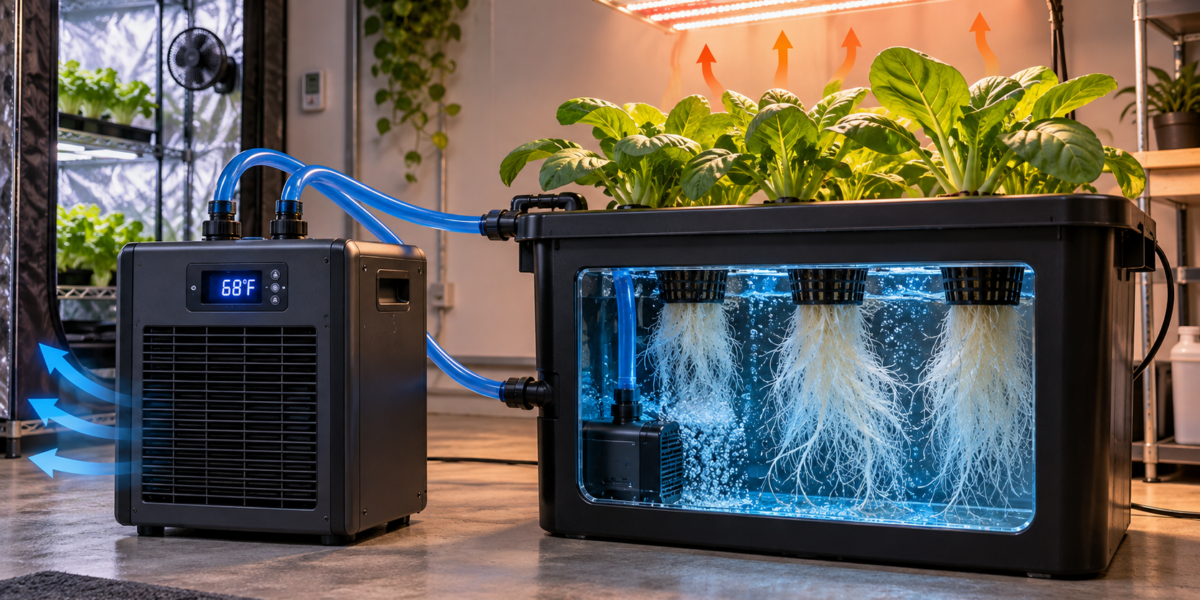
Hydroponic Water Chillers: Stop Summer Root Rot Before It Starts
How to Breed Masterclass – Promo Video

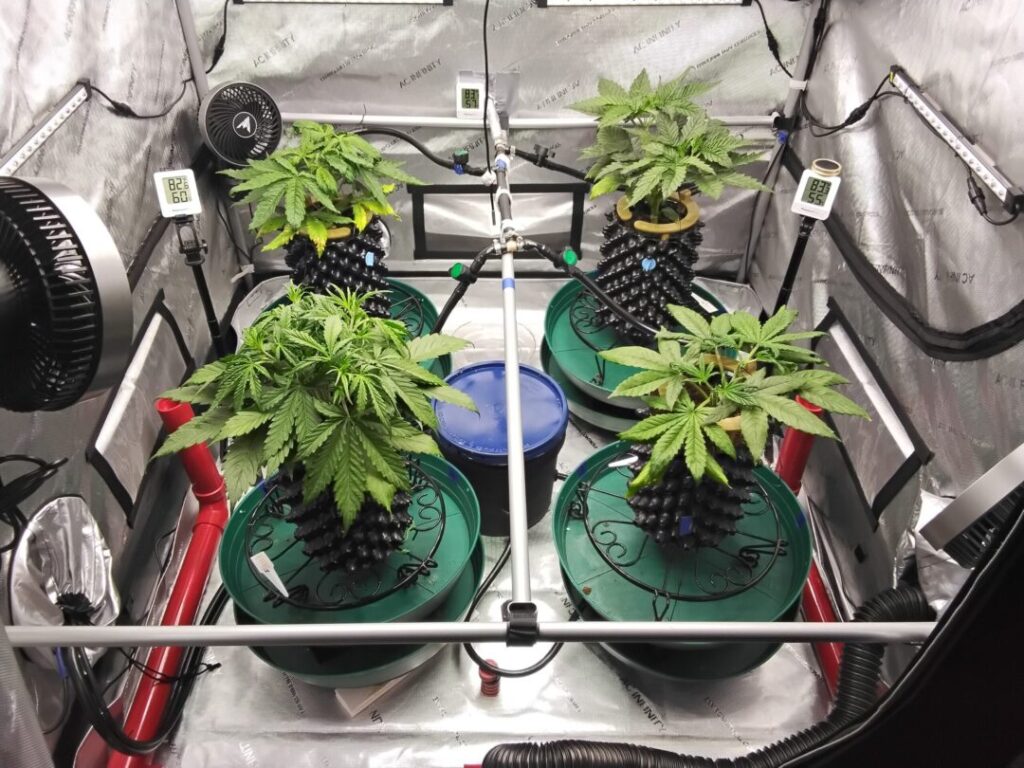


Featured Grow
 Jul 2026 — White Iverson by Selfie Seeds +2 more
White Iverson × Selfie Seeds, Pink Strawberry × Selfie Seeds, Purple Berry × Selfie Seeds • Soil • Started Jul 25, 2026
View journal
Jul 2026 — White Iverson by Selfie Seeds +2 more
White Iverson × Selfie Seeds, Pink Strawberry × Selfie Seeds, Purple Berry × Selfie Seeds • Soil • Started Jul 25, 2026
View journal
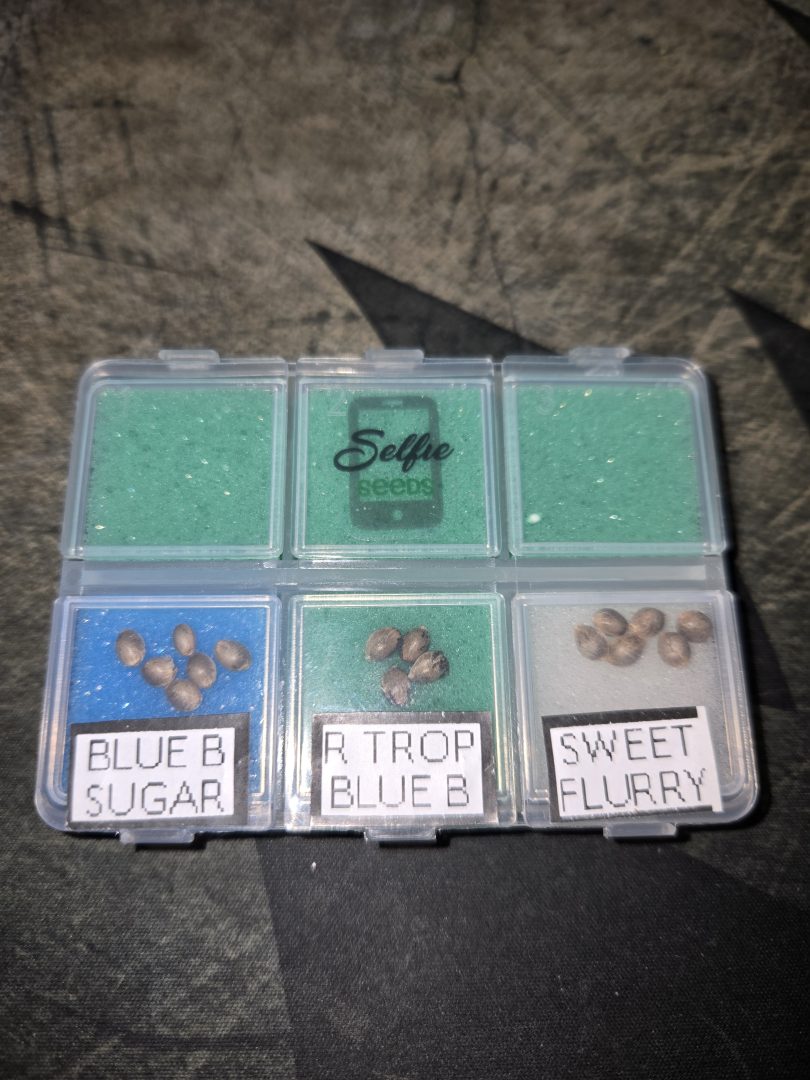 First Selfie Seeds Grow (Blueberry Sugar, Tropical Blueberry, and Sweet Flurry)
Blueberry Sugar × Selfie Seeds, Tropical Blueberry × Selfie Seeds, Sweet Flurry × Selfie Seeds • Soil • Started May 27, 2026
View journal
First Selfie Seeds Grow (Blueberry Sugar, Tropical Blueberry, and Sweet Flurry)
Blueberry Sugar × Selfie Seeds, Tropical Blueberry × Selfie Seeds, Sweet Flurry × Selfie Seeds • Soil • Started May 27, 2026
View journal
Awesome It’ll be a bit chlorophyllie but definitely let me know your opiniones

Walked in this morning before lights out and they are already bouncing back pretty good.
Awesome, fingers crossed for you
Nice LSTing Looks perfectly symmetric

Bananas!!!!! I knew I forgot something today. Thanks, gotta hit the store up in the am anyway. Coming off night,…