

Delta-8 vs Delta-9 vs Delta-10 THC & THC-O: Differences and Risks

Last updated: August 2026
Quick answer: Delta-9 THC is the main naturally abundant intoxicating cannabinoid in cannabis. Delta-8 and delta-10 THC can occur in very small amounts, but commercial products are commonly made by chemically converting hemp-derived CBD. THC-O acetate is not another natural “delta”; it is an acetylated cannabinoid made through additional chemical processing. None of these labels guarantees potency, purity, a specific type of high or legal status.

Delta-8, delta-9, delta-10 and THC-O compared
| Compound | What it is | Main practical concern |
|---|---|---|
| Delta-9 THC | The primary intoxicating THC isomer in most drug-type cannabis | Impairment, dose, contaminants and legal limits still matter |
| Delta-8 THC | A psychoactive THC isomer found naturally in small amounts; commercial quantities are often converted from CBD | FDA has not approved delta-8 products as safe; conversion can leave by-products or contaminants |
| Delta-10 THC | Another THC isomer usually present only in trace amounts and commonly created or enriched through chemical processing | Very limited human evidence and frequent label/purity uncertainty |
| THC-O acetate | An acetylated, semi-synthetic cannabinoid derivative—not a naturally abundant THC isomer | Limited pharmacology data; heating cannabinoid acetates can generate toxic ketene |
The position of a double bond is what separates delta-8, delta-9 and delta-10 THC. That small structural change can alter how a molecule behaves, but marketing shortcuts such as “delta-10 is exactly twice as strong” or “delta-8 is always relaxing” are not reliable scientific rules.
Delta-9 THC is not man-made
Cannabis plants make THCA in their resin glands. Heat converts THCA into delta-9 THC through decarboxylation. Delta-9 can also be manufactured or converted in a laboratory, but calling delta-9 itself “man-made” is incorrect.
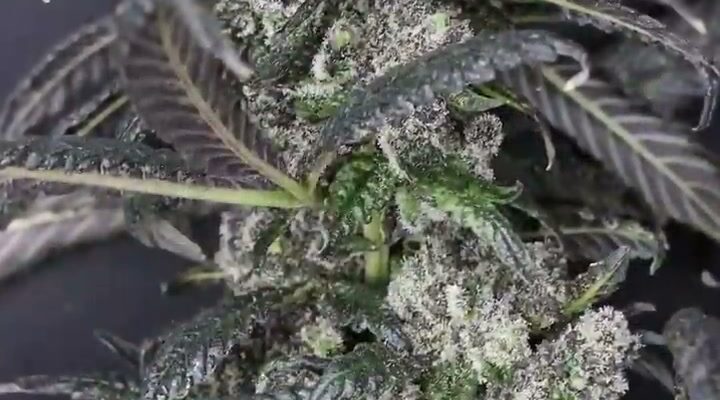
For the underlying plant chemistry, start with the cannabinoid guide. The exact cannabinoid percentage still requires a representative laboratory test; visible frost and a strain name are not enough.
Why most delta-8 products are converted from CBD
Natural cannabis usually contains too little delta-8 THC for economical extraction at commercial concentrations. Manufacturers can convert CBD into a mixture enriched in delta-8 using acids, solvents and purification steps. The final product may contain residual reagents, unintended reaction products or other cannabinoids if the process and cleanup are poor.
The FDA has not declared retail delta-8 products safe. Its consumer warning says delta-8 products have not been evaluated or approved for safe use in any context, identifies adverse-event reports and warns about manufacturing contaminants and marketing that appeals to children.
What do we actually know about delta-10?
Far less than product pages suggest. Delta-10 is discussed as a THC isomer and has appeared in processed cannabinoid products, but controlled human data are sparse. A label calling it “energizing” is a product description, not a predictable pharmacological outcome for every dose and person.
Because commercial material can be a mixture of isomers and reaction by-products, a laboratory report should identify the actual analytes rather than showing one big “total THC” number.
THC-O is not simply “three times stronger THC”
THC-O acetate is made by acetylating THC. Claims that it is exactly three times stronger, psychedelic or delayed by a fixed number of minutes are not supported well enough to use as universal dosing rules. Product composition also varies.
There is a separate inhalation concern: laboratory work found that heated cannabinoid acetates can release ketene, a highly reactive lung toxicant. That does not let us calculate the exact risk of every device and puff, but it is enough reason not to treat vaping or dabbing THC-O as a harmless version of ordinary cannabis.
How to audit a cannabinoid product
- Match the batch. The certificate of analysis should identify the same lot or batch as the package.
- Read the isomer panel. Confirm delta-8, delta-9, delta-10 and other cannabinoids separately where the laboratory method supports them.
- Look beyond potency. Review residual solvents, pesticides, heavy metals and microbial results. Converted products may also need reaction-by-product analysis that a basic panel does not provide.
- Verify the laboratory. A logo and PDF are not proof that the method can distinguish similar THC isomers.
- Reject medical promises. None of these retail products should replace an approved treatment because a label claims relief.
A certificate helps, but it cannot fix a poor sampling plan or a laboratory method that does not separate the compounds correctly. If the seller will not provide a batch-specific report, you do not know what the label is worth.
Safety and storage
- Delta-8, delta-9 and delta-10 products can be intoxicating. Do not drive or operate machinery while impaired.
- Keep gummies, cartridges and other products locked away from children and pets. Packaging that resembles ordinary candy increases accidental-exposure risk.
- Do not assume “hemp-derived” means non-intoxicating, FDA-approved or contaminant-free.
- If a reaction includes loss of consciousness, severe confusion, chest pain, seizure or trouble breathing, seek emergency help.
- Legal status changes by compound and jurisdiction. Check current federal, state and local rules rather than relying on a 2022 article or package claim.
Frequent THC use can also change tolerance. The separate tolerance and tolerance-break guide covers that question without pretending one THC isomer prevents it.
Why there are no product links here
This page is a chemistry and harm-reduction guide. HWGrow does not affiliate-link delta-8, delta-10 or THC-O products because current product quality, legality and evidence are too inconsistent to make a responsible recommendation.
THC-variant FAQ
Is delta-8 THC safe because it comes from hemp?
No. Hemp origin does not establish safety. Delta-8 is intoxicating, retail products are not FDA-approved for safe use and conversion can introduce contaminants or unintended compounds.
Is delta-10 stronger than delta-9?
There is not enough controlled human evidence to use a universal strength ratio. Dose, purity, product composition, route and the individual all matter.
Is THC-O a natural cannabinoid?
THC-O acetate is an acetylated cannabinoid derivative made through chemical processing. It is not a naturally abundant THC isomer, and heating cannabinoid acetates can generate ketene.
Official and research references
- FDA: five things to know about delta-8 THC
- CDC health advisory on delta-8 THC products and adverse events
- Chemical analysis of impurities in commercial delta-8 products
- Analysis of delta-8, THC-O and CBD acetate products
- THC-O vaping and potential ketene formation
This article is educational and is not medical or legal advice. Laws and product formulations change; verify current official rules and the exact batch in your possession.
You may also like
Hydroponic Water Chillers: Stop Summer Root Rot Before It Starts
How to Breed Masterclass – Promo Video



Featured Grow
 Jul 2026 — White Iverson by Selfie Seeds +2 more
White Iverson × Selfie Seeds, Pink Strawberry × Selfie Seeds, Purple Berry × Selfie Seeds • Soil • Started Jul 25, 2026
View journal
Jul 2026 — White Iverson by Selfie Seeds +2 more
White Iverson × Selfie Seeds, Pink Strawberry × Selfie Seeds, Purple Berry × Selfie Seeds • Soil • Started Jul 25, 2026
View journal
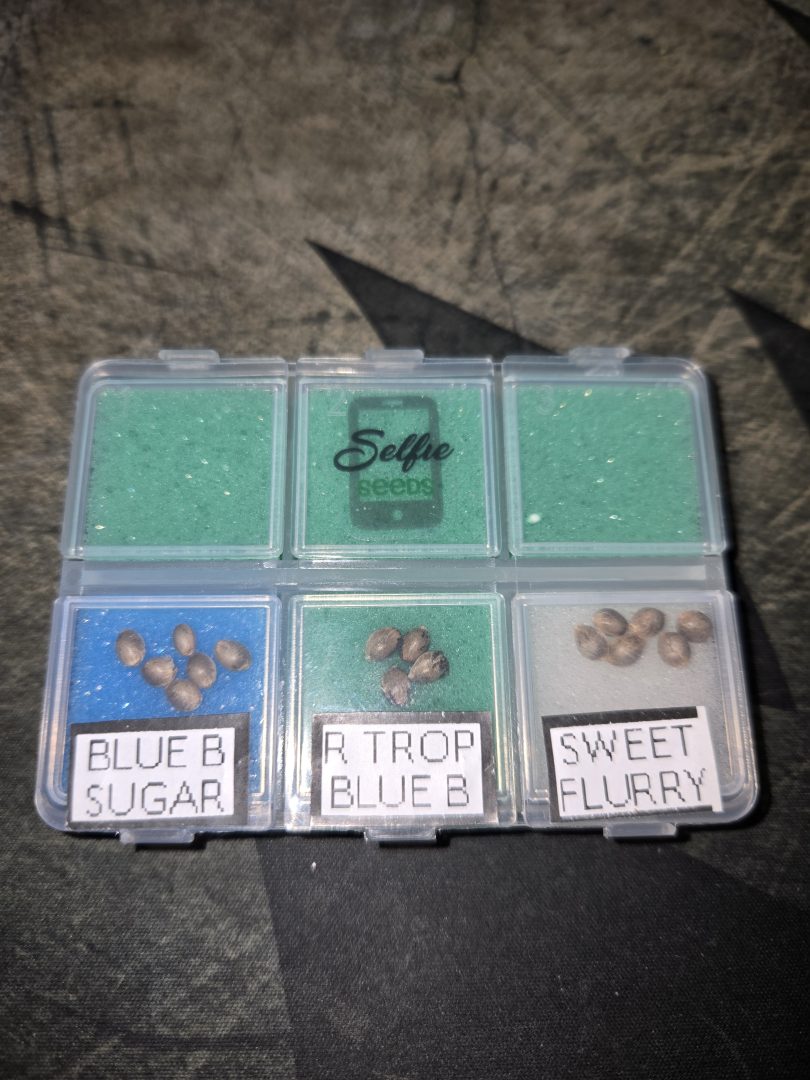 First Selfie Seeds Grow (Blueberry Sugar, Tropical Blueberry, and Sweet Flurry)
Blueberry Sugar × Selfie Seeds, Tropical Blueberry × Selfie Seeds, Sweet Flurry × Selfie Seeds • Soil • Started May 27, 2026
View journal
First Selfie Seeds Grow (Blueberry Sugar, Tropical Blueberry, and Sweet Flurry)
Blueberry Sugar × Selfie Seeds, Tropical Blueberry × Selfie Seeds, Sweet Flurry × Selfie Seeds • Soil • Started May 27, 2026
View journal
Awesome It’ll be a bit chlorophyllie but definitely let me know your opiniones

Walked in this morning before lights out and they are already bouncing back pretty good.
Awesome, fingers crossed for you
Nice LSTing Looks perfectly symmetric

Bananas!!!!! I knew I forgot something today. Thanks, gotta hit the store up in the am anyway. Coming off night,…