


Cannabis Balls, Nanners and Herms: What You’re Actually Seeing

Quick answer: A female bract can look like a small ball, but it normally produces one or two pale stigmas. A male pollen sac is round or oval, has no white hairs and usually appears with more sacs nearby. A yellow banana-shaped structure inside a female flower is an exposed anther—the “nanner” growers warn about. Check the actual structure at several nodes before making the call.
This page focuses on the three shapes growers confuse most often. For the complete plant-sex identification guide, including clearer male, female and intersex examples, use Male vs. Female Cannabis Plants.
If the source plant must remain in vegetative growth and has not shown a clear preflower, the separate clone-flip sex test shows how a labeled cutting can be flowered under 12/12 without flowering the whole source plant.
Female bract, pollen sac or nanner?
| What you see | Most likely meaning | Best next check |
|---|---|---|
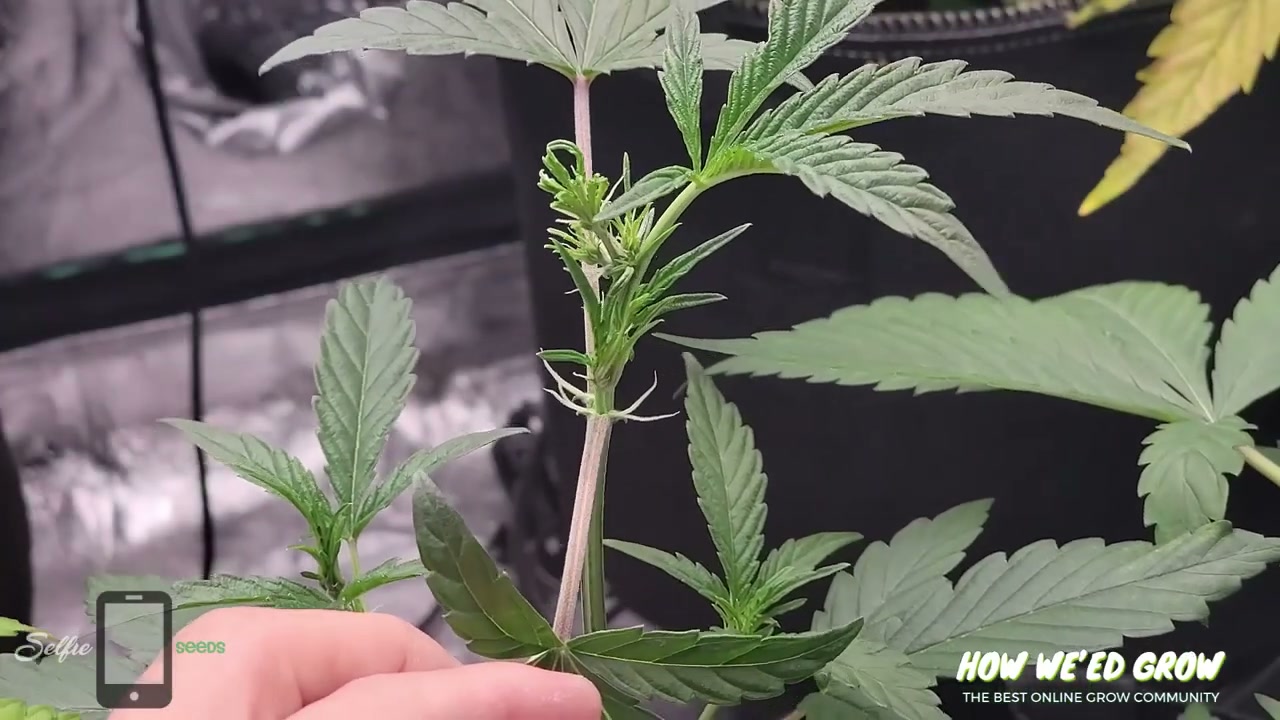
| Teardrop-shaped green structure with pale hairs | Female bract with stigmas | Confirm the same pattern at another node |
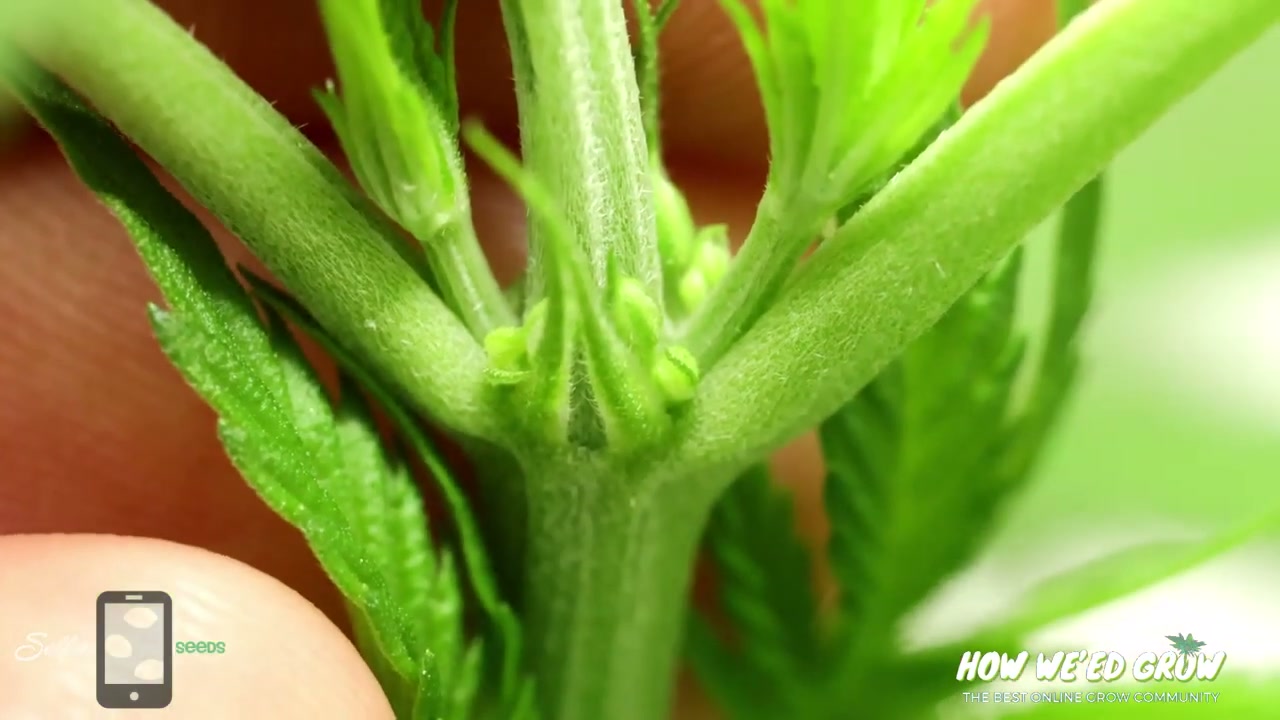
| Round or oval structure with no hairs | Possible pollen sac | Look for a cluster or short stalk |
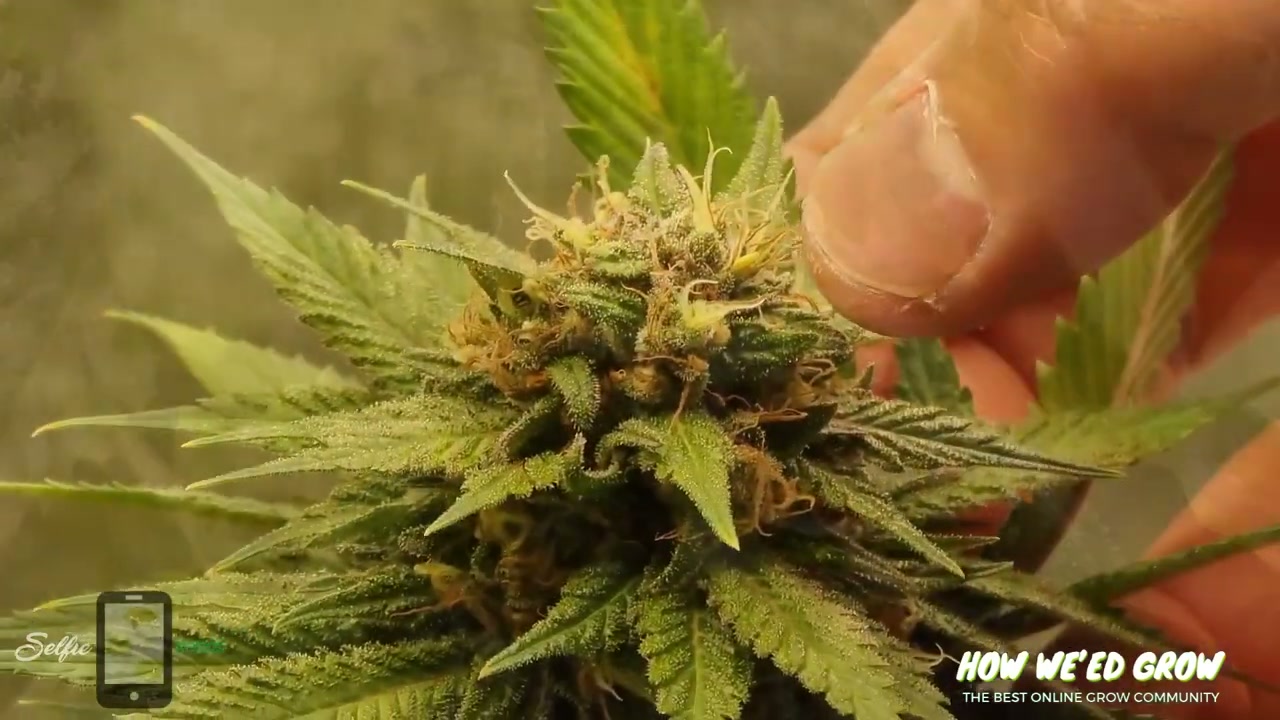
| Yellow banana-shaped tissue in a flower | Exposed anther or “nanner” | Stop direct airflow and inspect nearby flowers |
| Pointed green spike at the node | Often a stipule or new shoot | Wait for the actual preflower behind it |
Why a female “ball” is not automatically male
The small pod growers see at a female node is usually a bract. When one or two pale stigmas come out of it, that is your practical female cue. Do not decide from plant height, leaf shape or one blurry photo. A tall plant is not automatically male, and a short plant is not automatically female.
What real pollen sacs look like
Male flowers begin as smooth round or oval sacs without stigmas. As they develop, more sacs often appear together. If the goal is seedless flower, isolate a confirmed pollen-producing plant before mature sacs open. Do not shake it or carry it through the room while fans are running.
Nanners are not the same shape as pollen sacs
A nanner is exposed anther tissue, not a complete hanging sac. It often looks yellow and banana-shaped inside a female flower. Because the pollen-bearing tissue may already be exposed when you notice it, stop direct airflow and inspect carefully before touching or moving the plant.
Hermaphroditism and responsible breeder ethics
Intersex expression is a genetics-and-environment interaction. Severe heat, light-cycle problems, root stress, physical damage and plant age can help reveal a susceptible plant, but one stressed plant does not prove the entire cause by itself.
Ethical stress testing is not about abusing a plant until anything fails. It means applying realistic, repeatable challenges, keeping records and refusing to build a line around parents that repeatedly show avoidable sexual instability. It is also irresponsible to promise that a cultivar is completely “herm-proof.” A breeder should explain what was tested, what appeared and which plants were removed from the project.
The public cannabis breeding roadmap explains why stability matters. The protected Breeding Masterclass contains the organized selection, testing, reversal and pollen-containment workflow without copying those paid lessons here.
Feminized seeds still need inspection
Feminized seed is intended to produce female plants and can save the space normally spent identifying genetic males. It is not permission to stop checking flower sites. Keep the breeder, cultivar and lot information, inspect the actual plants you grow and document any repeated problem.
Recommended inspection tools and genetics

Illuminated jeweler’s loupeInspect preflowers, sacs and exposed anthers instead of guessing from plant size or a blurry phone photo.

Selfie Seeds™ documented geneticsBegin with HWGrow’s in-house genetics, retain the cultivar and lot information and inspect every plant you actually grow.
Affiliate disclosure: HWGrow may earn a commission from qualifying Amazon purchases at no additional cost to you. Selfie Seeds™ is HWGrow’s in-house genetics source. Availability and laws vary; verify local rules before ordering or growing cannabis.
Cannabis balls, nanners and herms FAQ
Do female cannabis plants have balls?
A female bract may look round, but one or two pale stigmas normally emerge from it. Check several nodes before deciding.
What is the difference between a pollen sac and a nanner?
A pollen sac is a rounded complete flower structure. A nanner is yellow exposed anther tissue that can appear directly inside a female flower.
Can stress make a cannabis plant show intersex flowers?
Environmental stress can help reveal susceptibility, but genetics, development and plant age also matter. Document the conditions and repeated pattern instead of assigning one cause from one plant.
Are feminized seeds guaranteed never to produce nanners?
No. Feminized seeds are intended to produce female plants, but every flowering plant should still be inspected and no breeder can responsibly promise complete immunity from intersex expression.
You may also like
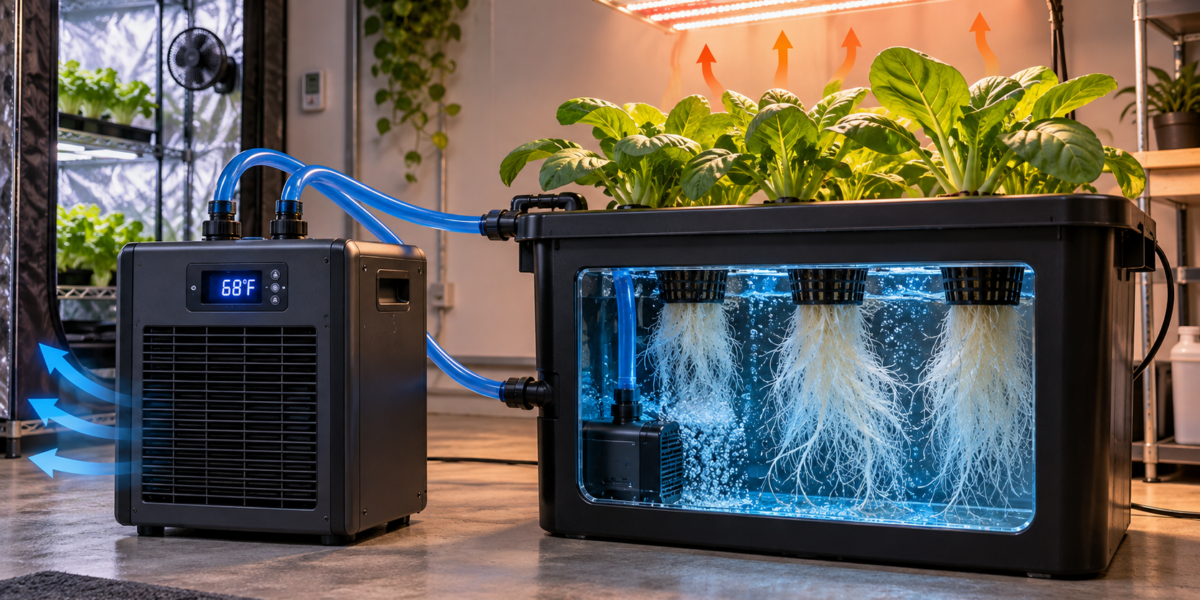
Hydroponic Water Chillers: Stop Summer Root Rot Before It Starts
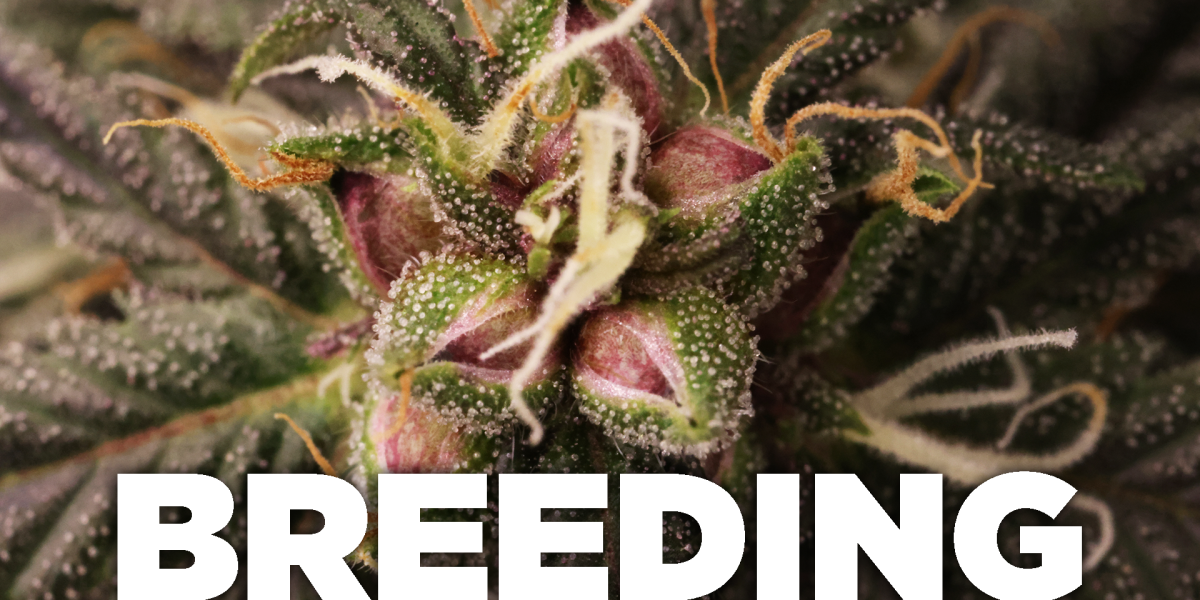
How to Breed Masterclass – Promo Video






Featured Grow


HA!!! I love pictures. Noticed I'm missing a zip tie on a T-piece. Good deal.
Feed at 6 ounces, bring up to 8
Absolutely, just had it set up as I didn't want to disturb anything down there later on stabbing them through.…
I am not excited about em lol. I think my pump is a little on the high side right now,…
Remember Don’t drown them early on, I would start off the first couple of weeks hand feeding them using a…