

Best Cannabis Growing Tools: 10 Essentials That Save Time
Video chapters

Last updated: August 2026
Quick answer: The best cannabis growing tools are the ones that replace guessing with repeatable measurements. Start with a measuring syringe, a temperature and humidity monitor, a calibratable pH/EC meter, gentle circulation, and a loupe. A phone light-meter app can help you map the canopy when it is configured correctly. Fine misters, Epsom salt, hydrogen peroxide and a fabric-pot dunk container are useful only when the job actually calls for them.
You do not need a shelf full of gadgets to grow well. You need a small kit that tells you what changed, helps you repeat what worked and keeps basic jobs clean. This guide updates the ten tools from HWGrow’s original video, keeps the practical tricks and adds the limits that matter.

Selecting a timestamp opens the correct moment in the zero-scroll HWGrow popout player, so you keep your place in the guide.
Which grow tools are essential?
| Tool | Priority | What it replaces |
|---|---|---|
| Measuring syringe | Core | Eyeballing liquid nutrients and supplements |
| Temperature/RH monitor | Core | Guessing what the room did between checks |
| Calibratable pH/EC meter | Core for measured feeding | Mixing and diagnosing without numbers |
| Gentle circulation fan | Core indoors | Stagnant pockets around the canopy |
| Illuminated loupe | Core by harvest | Judging maturity from pistils or the calendar alone |
| Phone light-meter app | Highly useful | Setting intensity by height alone |
| Mister, Epsom salt, H₂O₂, dunk container | Situational | Specific jobs—not routine additions to every grow |
10. Measuring syringes make repeatable feeds
A 20 mL oral syringe is one of the cheapest upgrades you can make. It measures small liquid doses more consistently than a kitchen spoon and makes it easier to repeat a feed that worked. Label separate syringes when possible. Otherwise, rinse thoroughly between products so concentrated nutrients do not contaminate one another.
The syringe improves consistency; it does not make a recipe “perfect.” Measure against the product label, the plant’s response and the pH, EC, PPM and runoff guide.
9. Track temperature and humidity over time
A monitor with history is more useful than a display you only see when the tent is open. Place the sensor near canopy height without resting it under direct spray or against a hot fixture. Review the high, low and trend—especially just before the lights turn on, when humidity can peak.
VPD can be helpful context, but it is not magic. Leaf temperature, growth stage and airflow affect what the number means. Use the cannabis temperature and humidity guide before chasing one app target.
8. Use a fine mister only for a real foliar job
A continuous fine-mist bottle spreads a light solution more evenly than a harsh stream. That makes it useful for an appropriate foliar application or for moistening a surface without flooding it. Do not mist flowering buds as a routine habit, and never spray energized lights, drivers, outlets or fans. Apply only a compatible product, follow its label and work with the lights off when directed.
7. Epsom salt is a correction, not a habit
Epsom salt is magnesium sulfate. It can supply magnesium and sulfur when your medium, water and nutrient program actually leave one of them short. Yellowing or striping alone does not prove that diagnosis; pH problems, root stress and several other deficiencies can look similar.
Do not copy one fixed grams-per-gallon dose into every feed. Check your base nutrients, source water and root-zone readings first, then follow a measured correction. The cannabis deficiency guide shows how to narrow the cause before adding more minerals.
6. A loupe helps you inspect the flower you will harvest
An illuminated jeweler’s loupe makes trichomes, pests and suspicious flower structures easier to see. For harvest checks, inspect multiple buds from the actual harvest zone. Sugar-leaf trichomes can mature earlier and should not make the decision by themselves. A small piece of removable tape can steady some loupe styles against a phone camera, but keep adhesive away from the lens and flower.
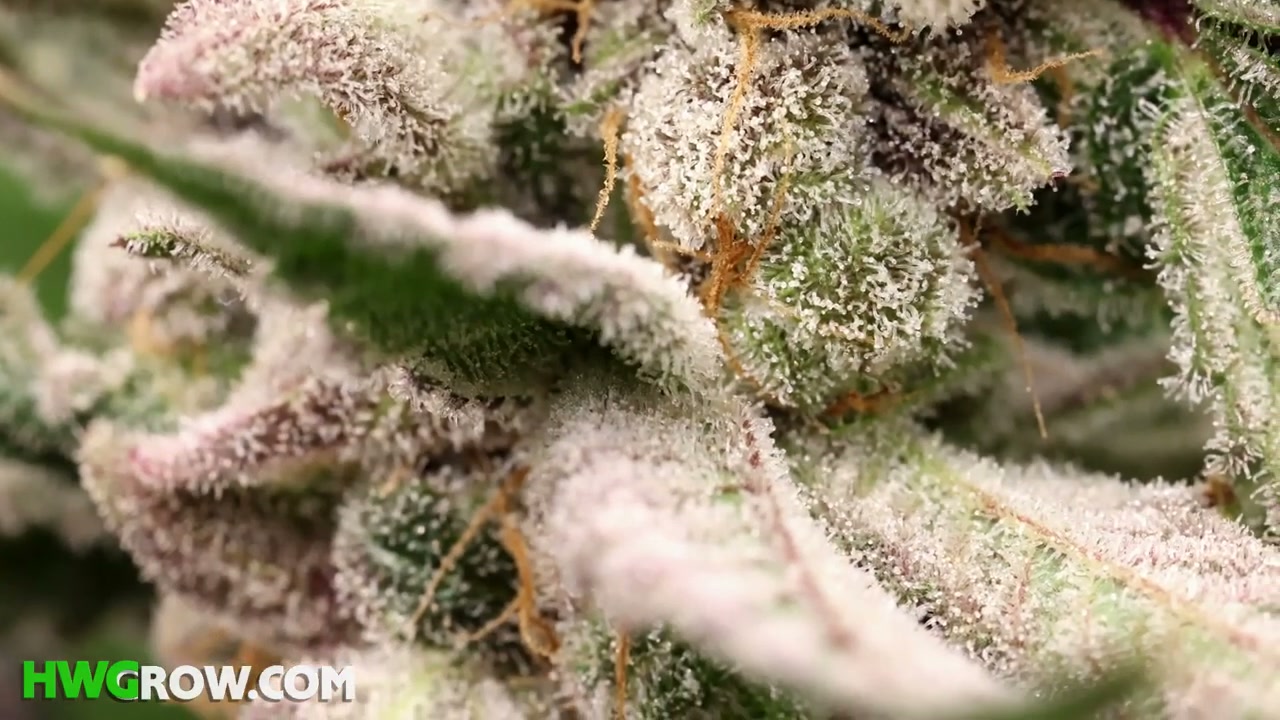
The cannabis harvest guide combines trichome inspection with whole-plant readiness instead of relying on color alone.
5. Choose gentle, adjustable circulation
Indoor plants need air movement, but they do not need to be blasted from one direction all day. Aim for gentle leaf movement across the canopy and watch for dead zones behind dense growth. An adjustable oscillating clip fan is easier to tune as the plant grows. Keep cords and connections away from runoff, and never let a moving fan strike branches or tent walls.
The small fan in the original video is discontinued, so the product section uses a current equivalent category instead of pretending the old listing is still the best choice.
4. Measure light instead of copying somebody else’s height
A phone light-meter app can make canopy mapping affordable, but the setup matters. Photone’s current instructions say camera-based measurements may require a diffuser, while unsupported devices can fall back to a less accurate ambient-light sensor. Follow the in-app notice, choose the correct light source and calibrate to a trusted reference when needed. Read Photone’s official setup guidance.
Do not carry the old “95% accurate” statement into every phone and configuration. Use the app for repeatable measurements on your device, then follow the full LED grow-light guide to map the canopy and adjust gradually.
3. Treat hydrogen peroxide as a situational oxidizer
Hydrogen peroxide can be useful in a defined cleaning or sanitation workflow, but it is not “holy water” for every reservoir, feed and seedling. Concentration, contact time, surface and organic matter all change the result. It also breaks down and can damage living tissue or beneficial microbes.
Do not add it routinely to nutrient solution just because it is inexpensive, and never mix it with bleach, vinegar or other cleaners. For room cleanup, use the grow-tent cleaning guide and follow the chosen product’s label.
2. Buy a meter you can calibrate and maintain
A combined pH/EC/PPM meter is useful because it gives you the numbers behind a feed. Choose one with calibration instructions, compatible storage guidance and a scale you understand. EC is universal; PPM meters may display different conversion scales, so record which scale you use.
Rinse and store the probe exactly as its manufacturer directs. Do not assume every meter needs calibration twice a month or will fail after seven months. Check it against fresh standards when readings drift, after storage or on the schedule in the manual. A replaceable probe is worth considering if long service life matters more than the lowest purchase price.
1. A dunk container can rewet a stubborn fabric pot
A container wide enough for the fabric pot can help rewet a severely dry, water-repellent root ball from the bottom and sides. It is not required for every irrigation and it does not turn soil into hydroponics. The pot still needs complete drainage, and leaving it submerged can remove oxygen from the root zone.
Use the method when the medium is resisting normal watering, then return to a plant-specific rhythm. The fabric-pot watering guide shows how to use pot weight, full-root-zone saturation and runoff data without following a rigid calendar.
Recommended cannabis growing tools

20 mL measuring syringesMeasure small liquid doses consistently; label or rinse between concentrates to prevent cross-contamination.

Bluetooth temperature/RH monitorReview canopy-level highs, lows and trends instead of seeing only the reading when the tent is open.
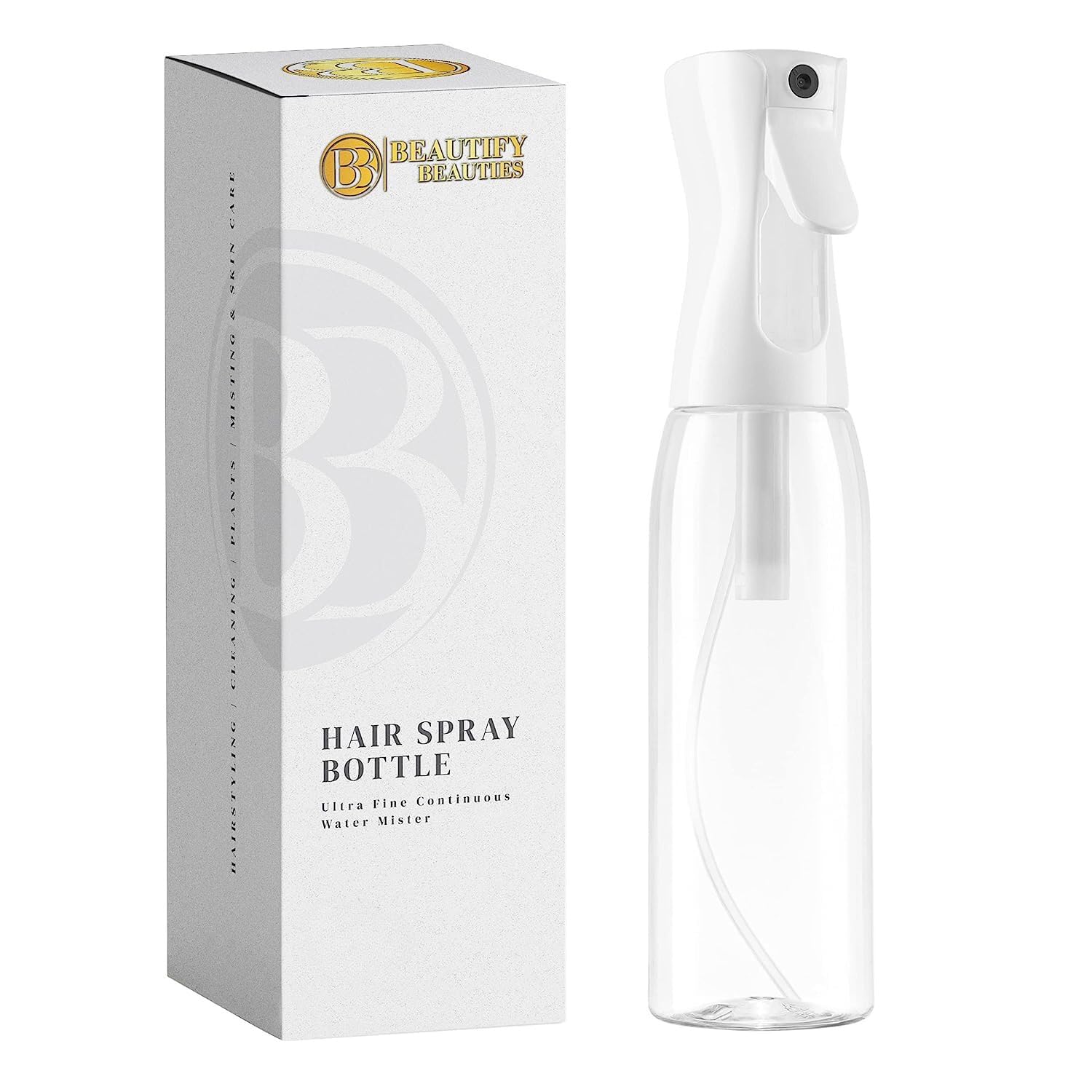
Continuous fine misterUse for a justified foliar or surface-moistening job—never as an excuse to keep flowers wet.

Illuminated jeweler’s loupeInspect trichomes, pests and suspicious flower structures instead of guessing with the naked eye.

Adjustable oscillating clip fanCreate gentle canopy movement and reach more of the room without holding one leaf in a constant blast.

Photone light-meter appMap the canopy with the device-specific diffuser, sensor and calibration instructions shown inside the app.

Digital pH, EC and PPM meterMeasure mixed feed and runoff, calibrate as directed and record which PPM conversion scale you use.

10-gallon fabric-pot dunk containerA wide, sturdy option for briefly rewetting a stubborn five-gallon fabric-pot root ball and catching drainage.

Unscented Epsom saltA diagnosis-dependent magnesium and sulfur source—not a mandatory ingredient in every nutrient mix.

3% hydrogen peroxideKeep for a clearly defined oxidizing or cleaning task; do not treat it as a routine feed additive or mix it with other cleaners.
AC Infinity savings: Use code EVYGROWS for additional savings on eligible products. When shopping on Amazon, clip any available coupon first.
Affiliate disclosure: HWGrow may earn a commission from qualifying Amazon purchases at no additional cost to you. Product destinations may be replaced with equivalent items without changing the method. Photone is linked to its official download page and is not an Amazon affiliate item.
What to buy first
If you are starting from zero, buy in this order: a temperature/RH monitor, measuring syringes, a calibratable pH/EC meter if your feeding method uses those readings, a gentle circulation fan and a loupe before harvest. Add the app once the light is installed. Buy the situational supplies only when you can name the problem they are supposed to solve.
The Grow With Me Masterclass puts these measurements into a complete seed-to-harvest workflow, so you can see when each tool changes a real decision. For a tool or reading that still does not make sense, ask HWGrow a question and include the model, medium, plant stage and the numbers you recorded.
You may also like
Best Grow Tent Humidifier: Why Young Plants Need More Humidity
How to Pheno Hunt Cannabis and Choose a Keeper




Featured Grow
 Jul 2026 — White Iverson by Selfie Seeds +2 more
White Iverson × Selfie Seeds, Pink Strawberry × Selfie Seeds, Purple Berry × Selfie Seeds • Soil • Started Jul 25, 2026
View journal
Jul 2026 — White Iverson by Selfie Seeds +2 more
White Iverson × Selfie Seeds, Pink Strawberry × Selfie Seeds, Purple Berry × Selfie Seeds • Soil • Started Jul 25, 2026
View journal
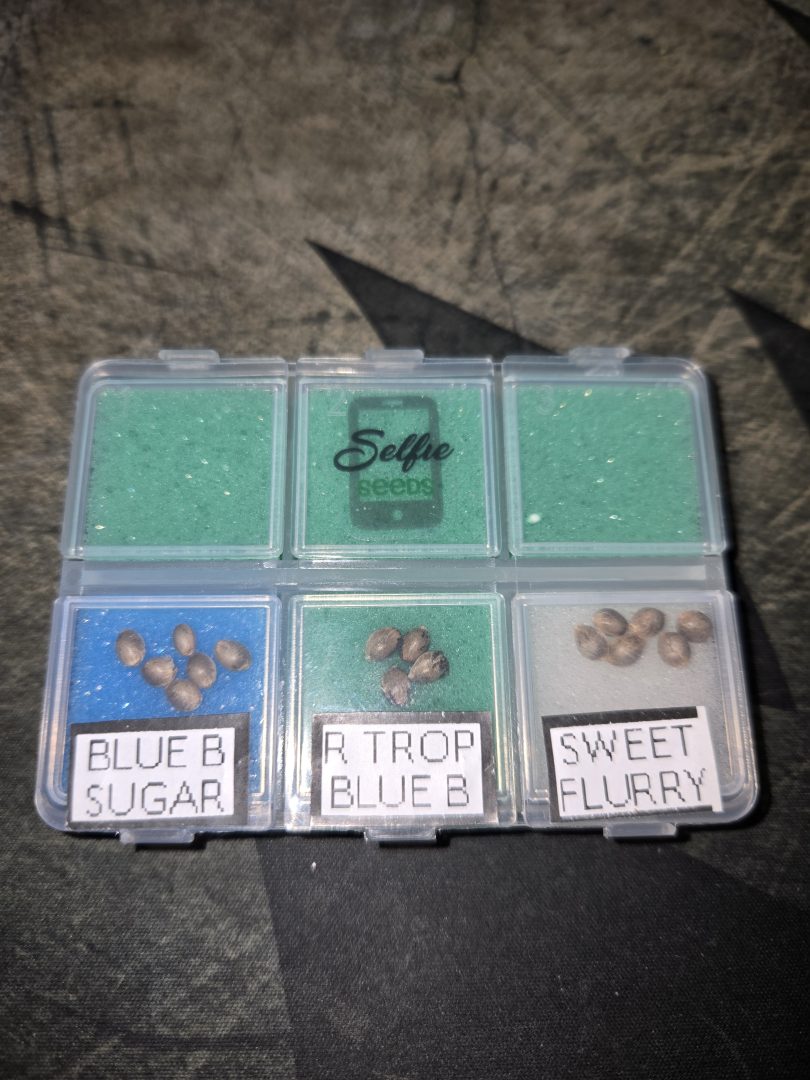 First Selfie Seeds Grow (Blueberry Sugar, Tropical Blueberry, and Sweet Flurry)
Blueberry Sugar × Selfie Seeds, Tropical Blueberry × Selfie Seeds, Sweet Flurry × Selfie Seeds • Soil • Started May 27, 2026
View journal
First Selfie Seeds Grow (Blueberry Sugar, Tropical Blueberry, and Sweet Flurry)
Blueberry Sugar × Selfie Seeds, Tropical Blueberry × Selfie Seeds, Sweet Flurry × Selfie Seeds • Soil • Started May 27, 2026
View journal
Awesome It’ll be a bit chlorophyllie but definitely let me know your opiniones

Walked in this morning before lights out and they are already bouncing back pretty good.
Awesome, fingers crossed for you
Nice LSTing Looks perfectly symmetric

Bananas!!!!! I knew I forgot something today. Thanks, gotta hit the store up in the am anyway. Coming off night,…