


Indoor Grow Equipment Buying Guide: Why Newer Isn’t Always Better

Last updated: August 2026
Quick answer: Do not shop for grow equipment by brand or model name alone. Buy for your actual space, compare the exact generation being sold, save a copy of the listing and favor equipment you can measure, return and replace without a fight. A newer version can carry the same name while using fewer diodes, different components or a weaker design.
Important old-model warning: The Spider Farmer SF2000 lights shown in my 2025 setup video are an older Samsung-based generation. The current lights sold under the same name do not have the same specifications, and I consider the move to different hardware a downgrade from the models I used. The recommendation in the video belongs to that exact older fixture; it is not a blanket recommendation for a new SF2000 listing. This guide shows you how to catch changes like that before you buy.
Quick setup video chapters
- 0:00 — Why my recommendations are not sponsored
- 0:30 — The 2-by-4 setup
- 0:57 — Why I prefer simple environmental controls
- 1:11 — Thermometer and hygrometer
- 1:16 — Clip-fan durability
- 1:45 — Why the oversized tent used two lights
- 1:58 — The 4-by-4 setup
- 2:26 — Complete setup recap
Selecting a timestamp opens the player at that moment without moving you away from this section.
The rule that saves the most money
Match the exact generation, not just the logo on the box. Companies routinely keep a familiar model name while changing the diode package, bar count, driver, controller, pole thickness or included accessories. A review can be completely honest and still mislead you if the version sold today is no longer the version that was tested.
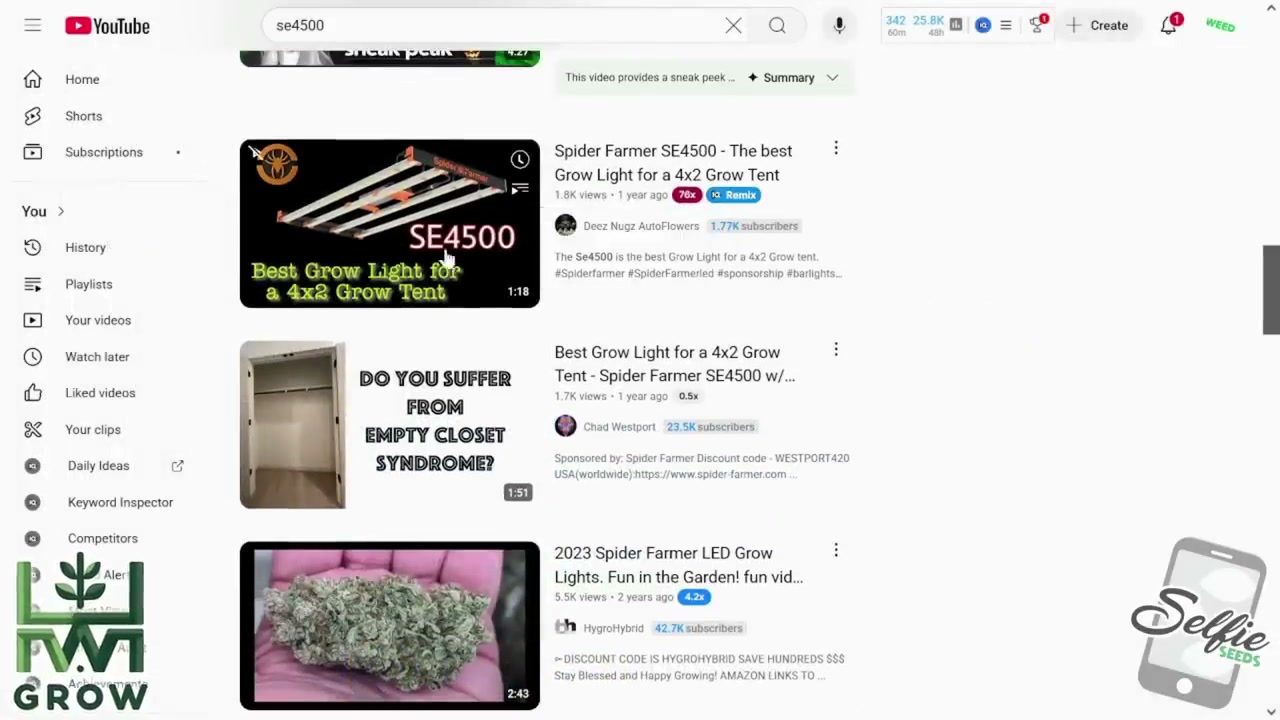
Before checkout, screenshot the full listing and record the model label, seller, price, wattage, dimensions, component list, warranty and return terms. When the package arrives, compare the label and hardware with what you saved. If a review shows Samsung diodes and a Mean Well driver while the current page lists different parts, treat it as a different light until it earns its own test.
Eight practical rules for buying grow equipment
- Buy climate equipment from climate specialists. Dehumidifiers, humidifiers, heaters and air conditioners protect the whole room. Compare support, replacement parts and current warranty terms—not cannabis branding.
- Mix brands when the better tool comes from somewhere else. One company may make a strong tent and a disappointing fan. A matching logo does not improve the grow.
- Choose a footprint you can reach. I prefer an oversized 2-by-4 to a 3-by-3 because the back corners are easier to access. That is an ergonomic preference, so measure your room, doors and reach before copying it.
- Inspect the tent structure. Check pole diameter, connectors, zipper layout, access doors, vent locations, tray design and verified load limits. Larger tents punish weak frames faster.
- Size ventilation for the real system. Duct bends, a carbon filter and negative pressure reduce airflow. The carbon-filter guide explains the odor-control side without pretending every filter performs the same.
- Keep critical controls understandable. Smart features can be convenient, but your plants still need a safe manual fallback if an app, sensor, network or firmware update fails.
- Verify returns and warranty at the final seller. Policies change. Read the terms that apply to the exact seller and save them with your receipt instead of relying on an old video or comment.
- Support useful testing without buying the opinion. Affiliate links help fund independent comparisons. HWGrow discloses them, and you should still verify the final product, seller and price yourself.
How to compare an LED grow light
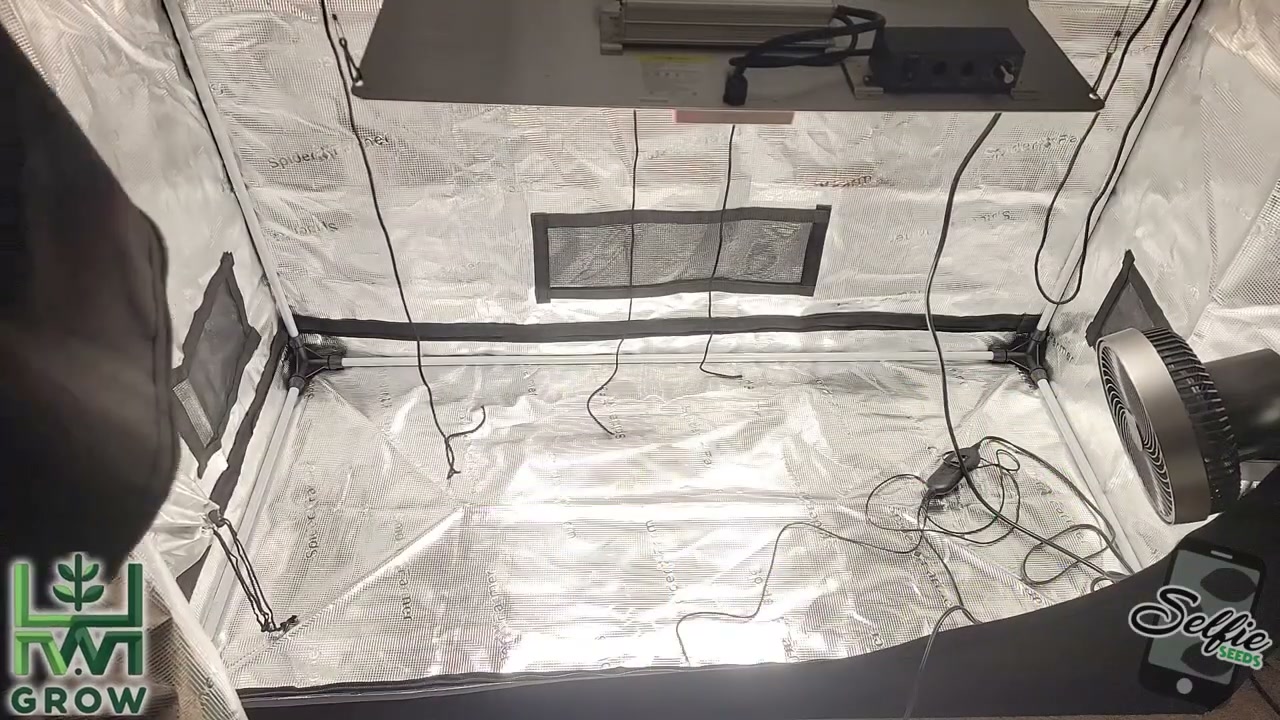
Ignore the marketing name for a minute and compare the current fixture’s wall power, dimensions, diode and bar count, driver, dimmer, heat, warranty and coverage map. Then measure the unit you receive. A single bright center reading is not a canopy map, and a diode’s advertised efficiency is not automatically the efficiency of the complete fixture.
The LED grow-light buying guide explains what the specifications mean. After installation, use the LED measurement guide to test multiple canopy positions at the height and dimmer setting you actually use.
Why “updated” can mean downgraded
Equipment-market video chapters
- 0:00 — Failed product examples
- 1:19 — Eight buying rules
- 2:09 — Why one brand should not control the whole setup
- 2:28 — Tent footprint and access
- 3:28 — Ventilation and carbon-filter experience
- 4:05 — Seller support and returns
- 5:05 — Same name, different hardware
- 6:19 — Supporting independent reviews
The exact claims in that video document what I observed in 2025; they are not permanent specifications for every later revision. The durable rule is to compare generations. That is why my dated Spider Farmer SF2000/SF4000 review now warns readers that the tested Samsung-based lights are not the current products carrying those names.
Useful setup tools

Oversized 2-by-4 grow tentA rectangular starting point for growers who value access. Verify the current dimensions, doors, poles and seller before buying.
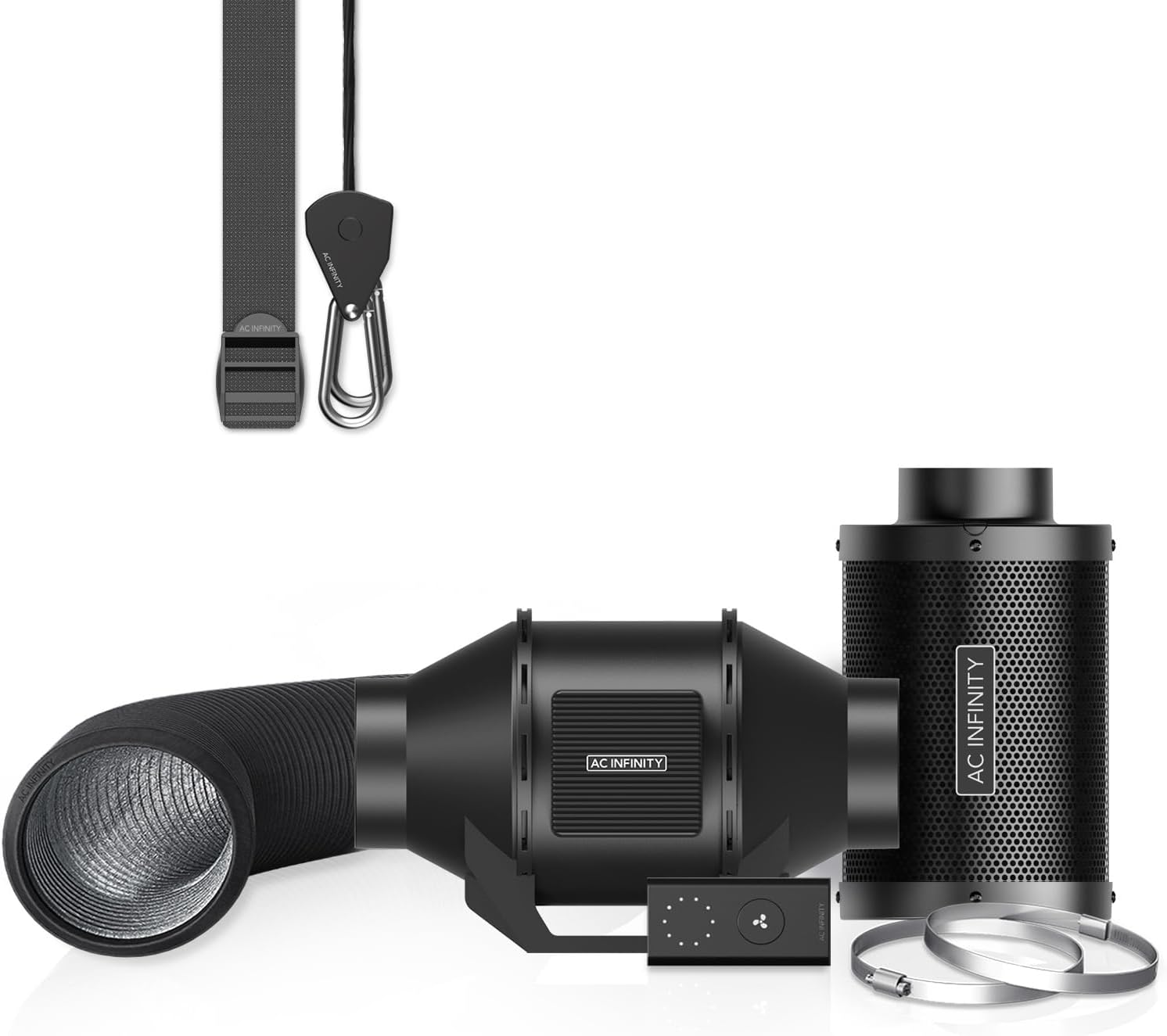
Manual inline fan and filter kitSimple speed control gives the room a usable fallback without making the grow depend on an app or cloud service.

EC-motor oscillating clip fanThe fan style that lasted best in my comparison. Confirm the current generation, connector and warranty.

Thermometer and hygrometerA simple independent room reading. Compare it with another meter before trusting one sensor with the entire grow.

Phone PPFD diffuserA lower-cost way to compare canopy positions with a supported phone app and a consistent measurement routine.
AC Infinity savings: Use code EVYGROWS for additional savings on eligible products. When shopping on Amazon, clip any available coupon first.
Affiliate disclosure: HWGrow may earn a commission from qualifying purchases at no additional cost to you. These links support the work but do not freeze a product’s specifications. Verify the exact generation, seller, price and return terms at checkout.
Build the room before you buy the box
Sketch the room, electrical outlets, intake and exhaust path, walking space and plant access first. Then use the grow-tent setup guide to assemble and leak-check the system. If you want help connecting lighting, environment, feeding and plant response, the Grow With Me Masterclass provides the guided workflow without reproducing protected lessons here.
For a setup-specific question, ask HWGrow and include your room size, tent size, exact equipment generation, seller links, electrical limits and target plant count. If this guide saved you from a bad purchase, you can also support HWGrow.
Indoor grow equipment FAQ
Are the current Spider Farmer SF2000 lights the same ones shown in the video?
No. The video shows an older Samsung-based generation. The current listing uses different hardware, and HWGrow considers that change a downgrade from the fixtures used in the documented grows.
Is an all-in-one grow tent kit a bad purchase?
Not automatically. A bundle can be convenient and less expensive when you genuinely need every included item. Compare each component with your long-term plan so the light, fan or controller does not force an early upgrade.
Should every component be the same brand?
No. Choose the tent, light, ventilation and climate equipment on their own evidence. A mixed-brand room is often the better fit.
What should I save before buying grow equipment?
Save the dated listing, exact model label, seller, component list, dimensions, wattage, warranty, return terms and receipt. Those records let you prove what was advertised if the product arrives with different hardware.
You may also like
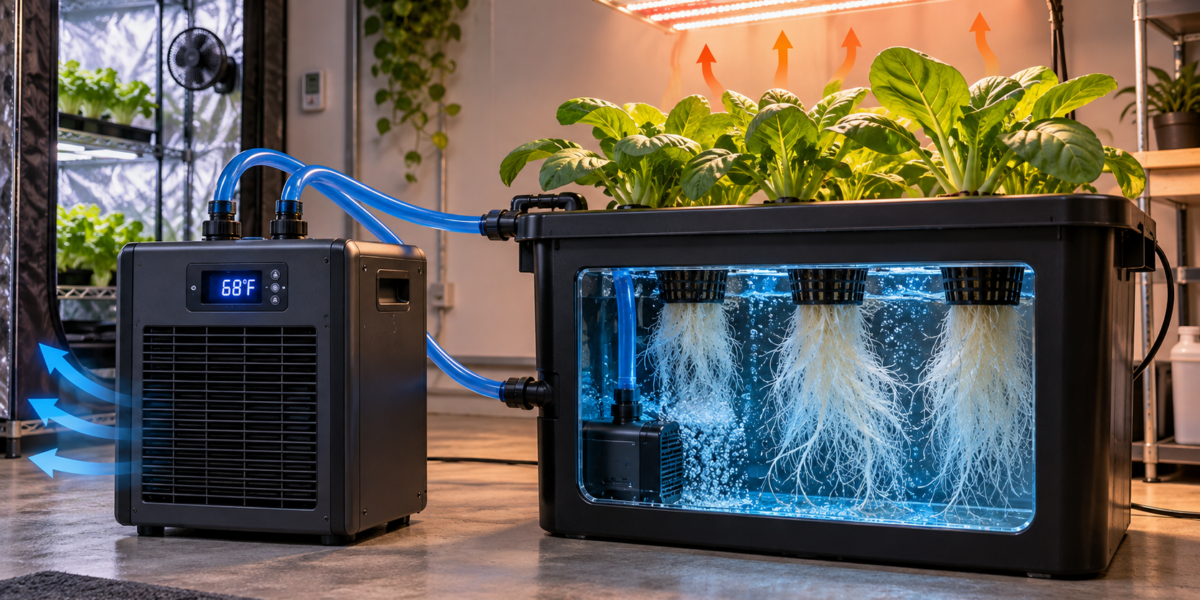
Hydroponic Water Chillers: Stop Summer Root Rot Before It Starts
How to Breed Masterclass – Promo Video






Featured Grow


HA!!! I love pictures. Noticed I'm missing a zip tie on a T-piece. Good deal.
Feed at 6 ounces, bring up to 8
Absolutely, just had it set up as I didn't want to disturb anything down there later on stabbing them through.…
I am not excited about em lol. I think my pump is a little on the high side right now,…
Remember Don’t drown them early on, I would start off the first couple of weeks hand feeding them using a…