

Can a Cracked Cannabis Seed Still Germinate?
Video chapters

Last updated: August 2026
Quick answer: A cracked cannabis seed can germinate, but the odds depend on what was damaged. A split shell with an intact embryo may still produce a seedling. A crush line through the embryo, exposed tissue, mold or a soft seed is a much worse sign. Photograph the dry seed before planting, contact the seller, then germinate it separately if you want to test it. A visible taproot is progress—not proof that the seed can build a normal seedling.
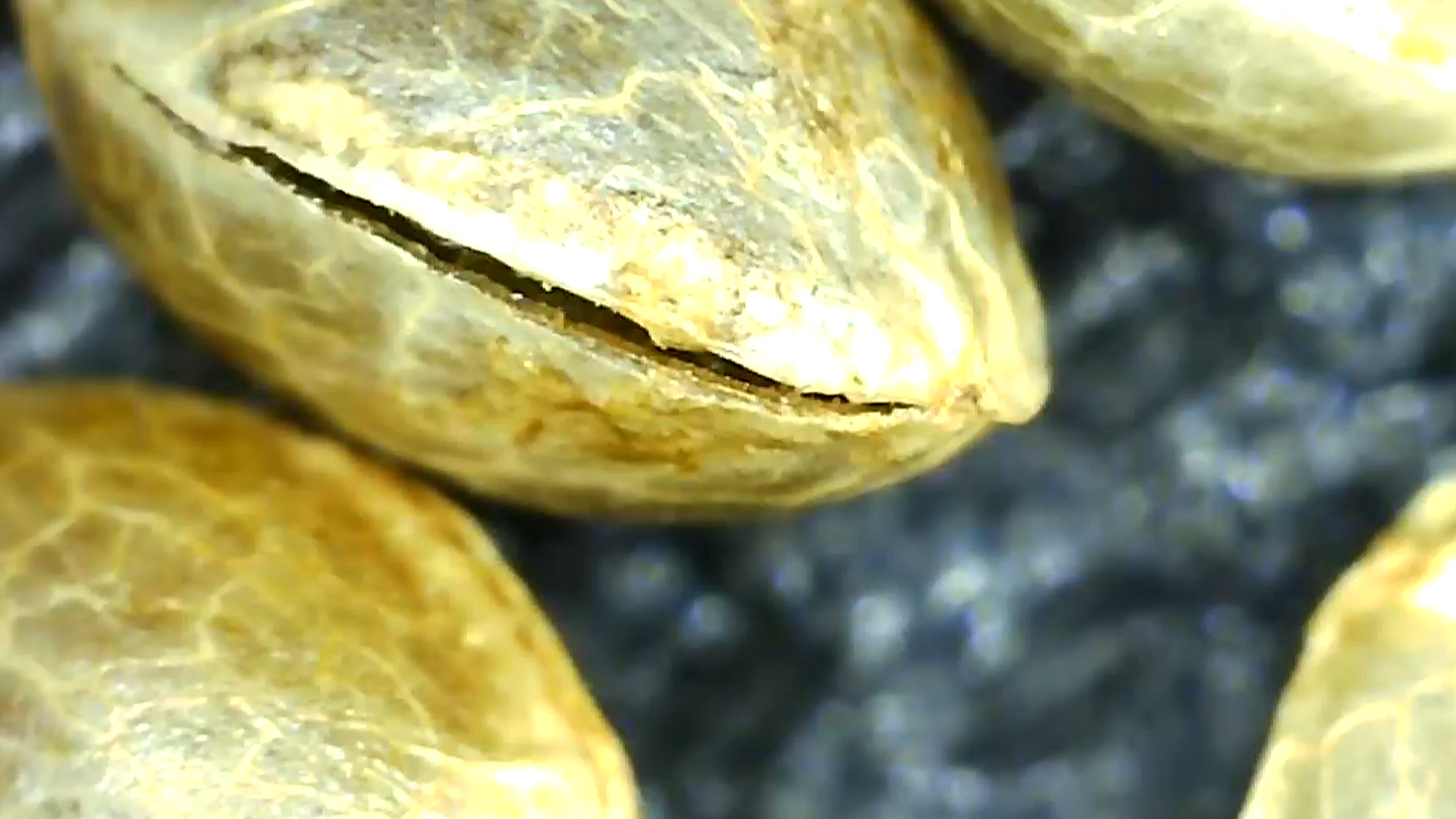
First, is the seed damaged or just germinating?
A dry seed that arrives with a chip, crushed edge or open seam is physically damaged. A healthy seed that has already absorbed water is supposed to split along its seam as the radicle emerges. Those are not the same problem.
Before soaking anything, look at the seed under bright light:
- Better chance: a small shell chip, no visible mold, no soft spot and no obvious injury to the internal tissue.
- Lower chance: a deep crack crossing the seed, exposed or dried embryo tissue, a crushed end, softness, leaking material or a bad smell.
- Normal germination: the seam opens after moisture is added and a white radicle emerges from the correct end.
The shell is not just packaging. It helps protect the living embryo during storage and controls its contact with water, oxygen and microbes. Research in other seed crops consistently shows that the location and depth of mechanical damage matter; a crack near the embryonic axis can reduce vigor or viability.
Watch the HWGrow cracked-seed experiment
In this first-party test, one visibly cracked seed was germinated beside an intact seed. Both produced a taproot, which looked promising. After transfer into rooting plugs, the intact seed grew normally while the cracked seed stalled and rotted before it could establish.
The video includes an older cup-and-hydrogen-peroxide routine. That is not the universal recommendation for every seed. Use the seven-method cannabis germination comparison for the current public workflow, and do not improvise a peroxide concentration from “a couple drops.”

What this test tells us
The damaged seed was not completely dead: it absorbed water and began germination. But germination is more than the seed coat opening. A viable seedling must develop the essential root and shoot structures needed for normal growth. This seed failed during that transition.
One failed seed cannot prove that every cracked cannabis seed is a dud. It does show why “it made a taproot” is not the same as “it produced a healthy plant.” The practical answer is to treat a damaged seed as a lower-confidence start and keep it separate from the normal seedlings.
What to do when a cannabis seed arrives cracked
- Photograph it dry. Capture the crack, the packaging, cultivar, lot and order information before adding water.
- Contact the seller first. Ask about the replacement policy while the physical shipping damage is still documented.
- Do not glue, tape or squeeze it closed. Extra handling can damage the embryo and trap contamination.
- Start it separately. Use a clean labeled plug or container so a failure does not disturb healthy seeds.
- Keep it moist, not flooded. Exposed tissue is vulnerable to both drying and prolonged saturation.
- Judge seedling development. Look for continuing root growth, emergence and opening cotyledons—not only a split shell.
- Stop when tissue is clearly rotting. A soft, dark, foul-smelling embryo is not rescued by more additives.
Do not perform surgery on a fresh seed
Scarification is a real propagation technique for plant species with physical dormancy, but that does not make cracking a fresh cannabis seed with pliers a beginner germination method. The force needed to weaken a coat is very close to the force that crushes the embryo. A seed that is slow to open may be old, immature, poorly stored or simply need more time.
Do not peel off an attached shell unless the seedling has already emerged and the shell is clearly stuck. Even then, raise humidity briefly, let the tissue soften and use minimal force. Pulling can tear the cotyledons or growing tip.
Start with documented genetics
Physical damage can happen in transit, but breeder and lot records still matter. Documented seeds make it easier to separate shipping damage from a broader quality problem. Selfie Seeds™ is HWGrow’s in-house genetics source; choose a cultivar that fits your space and local laws, then retain the packaging and lot information until the seedlings establish.
For the complete public workflow, continue with the cannabis seed germination comparison and the beginner seed-to-harvest guide.
Recommended seed-starting supplies


Disclosure: Selfie Seeds™ is HWGrow’s in-house genetics source. HWGrow may earn a commission from qualifying Amazon purchases at no additional cost to you. Verify local laws before ordering or germinating any seed.
Seed-viability references
You may also like
How to Pheno Hunt Cannabis and Choose a Keeper
Hydroponic Water Chillers: Stop Summer Root Rot Before It Starts



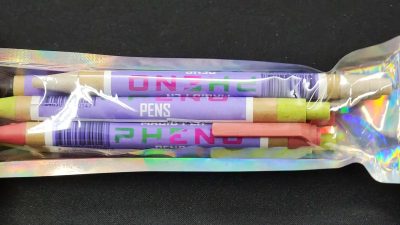
Featured Grow
 Jul 2026 — White Iverson by Selfie Seeds +2 more
White Iverson × Selfie Seeds, Pink Strawberry × Selfie Seeds, Purple Berry × Selfie Seeds • Soil • Started Jul 25, 2026
View journal
Jul 2026 — White Iverson by Selfie Seeds +2 more
White Iverson × Selfie Seeds, Pink Strawberry × Selfie Seeds, Purple Berry × Selfie Seeds • Soil • Started Jul 25, 2026
View journal
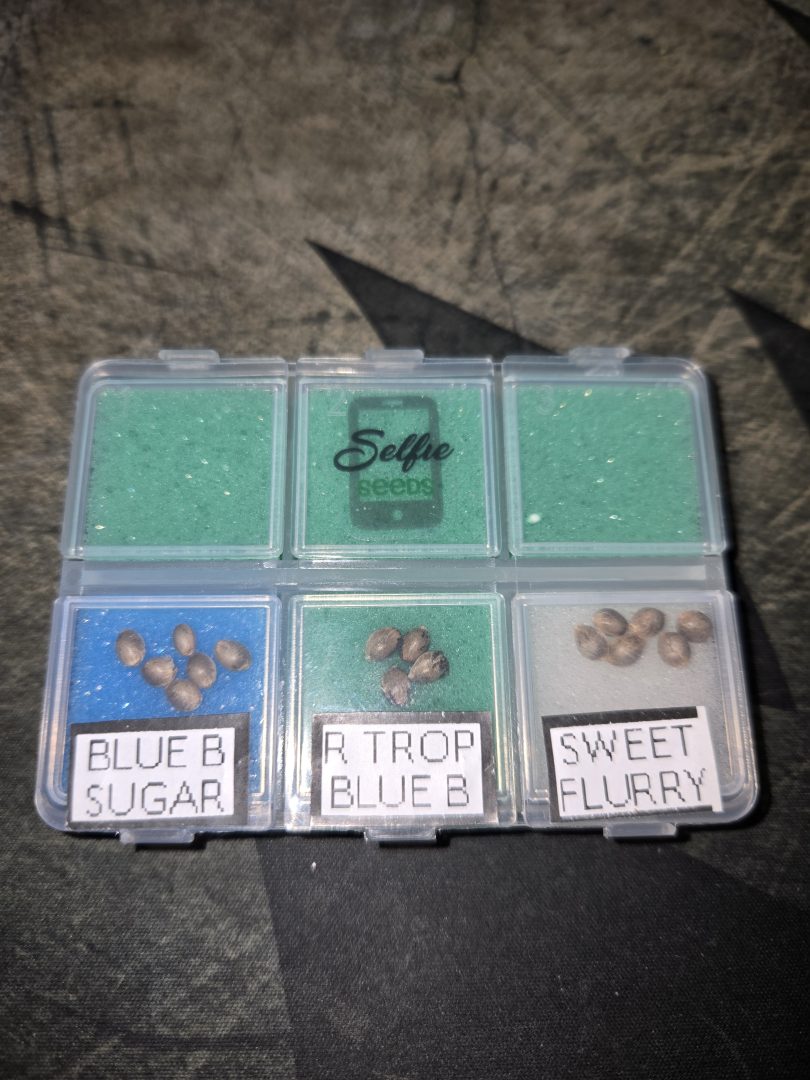 First Selfie Seeds Grow (Blueberry Sugar, Tropical Blueberry, and Sweet Flurry)
Blueberry Sugar × Selfie Seeds, Tropical Blueberry × Selfie Seeds, Sweet Flurry × Selfie Seeds • Soil • Started May 27, 2026
View journal
First Selfie Seeds Grow (Blueberry Sugar, Tropical Blueberry, and Sweet Flurry)
Blueberry Sugar × Selfie Seeds, Tropical Blueberry × Selfie Seeds, Sweet Flurry × Selfie Seeds • Soil • Started May 27, 2026
View journal
Awesome It’ll be a bit chlorophyllie but definitely let me know your opiniones

Walked in this morning before lights out and they are already bouncing back pretty good.
Awesome, fingers crossed for you
Nice LSTing Looks perfectly symmetric

Bananas!!!!! I knew I forgot something today. Thanks, gotta hit the store up in the am anyway. Coming off night,…