

Great Lakes Water Only Soil Review: HWGrow Grow Test
Video chapters: the original 2022 setup
- 0:00 — Why a friend recommended Great Lakes
- 0:12 — Questioning the extra microbial additives
- 0:39 — The dry soil and pre-soak
- 0:56 — The planned alternating additives
- 1:10 — Soil odor and handling notes
- 1:16 — Historical cost discussion
- 1:46 — Where the soil fertility comes from
- 1:57 — The one-sample lab result and first hypothesis

Quick answer: Great Lakes Water Only is a pre-amended living soil designed to carry a plant with water instead of a bottled synthetic nutrient program. HWGrow tested it in 2022, but there is an important catch: our slot used a five-gallon pot, pre-soaked the soil and added Recharge plus Photosynthesis Plus. That makes this a useful modified Great Lakes case study—not a clean test of the manufacturer’s current water-only directions.
I still like the basic idea. Put the nutrition in the soil, learn how to water the container and stop treating every irrigation like a chemistry exam. Just do not hear “water only” and translate it into “the plant manages itself.” Container size, moisture, source water, environment and genetics still matter.

What HWGrow actually did in 2022
| Decision | Recorded in the source video | Why it matters |
|---|---|---|
| Container | One five-gallon pot | The manufacturer currently recommends seven gallons or larger, so this changed the intended soil volume and nutrient reserve. |
| Preparation | One gallon of water with 5 mL Photosynthesis Plus and 1 tsp Recharge, followed by about a week of rest | The current manufacturer setup says to fill the container dry and not pre-soak. |
| Planned irrigation | Alternate 1 tsp Recharge per gallon with 2.5 mL Photosynthesis Plus per gallon | These extra inputs make the slot an amended biological program, not a water-only control. |
| Comparison | One slot in the six-method Meta Soil Project | The same grow room gives useful context, but one pot is not a replicated product trial. |
The video remains the primary record of what happened. The article’s job is to keep that record honest. We should not quietly rewrite the old experiment to match today’s label, and we should not present an old modified workflow as the product’s current instructions.
The current Great Lakes Water Only method
Detroit Nutrient Company’s current Great Lakes Water Only directions are simpler than the 2022 HWGrow setup:
- Use a container of seven gallons or larger.
- Fill the pot with dry soil, leave about an inch of headspace and do not tamp it down.
- Do not pre-soak the soil. Water lightly after planting or transplanting.
- Judge moisture by container weight or a suitable moisture meter.
- Avoid watering to runoff; the goal is an evenly moist root zone, not washing fertility out of the pot.
- Do not add synthetic nutrients. If you choose an organic amendment, use it deliberately and sparingly.
The manufacturer also says routine pH adjustment and Cal-Mag are not required. Treat that as guidance for the intended system, not permission to ignore obviously poor source water. If your water is unusually alkaline, salty, softened or heavily treated, search your ZIP code plus “water report”, read the current utility report and investigate the water before blaming the soil. The fabric-pot watering and runoff guide explains the measurements, while the soil slurry test is for a real root-zone diagnosis—not a ritual you perform every day.
Why the microbial additives make the comparison messy
Recharge and Photosynthesis Plus are both sold as biological inputs. Adding both does not automatically make a living soil twice as alive. Great Lakes already contains compost, worm castings, manures and organic amendments. When extra products go into the first gallon and then alternate through the grow, you can no longer tell whether the result came from the soil, one additive, the other additive or their interaction.
The current Recharge directions describe a half-teaspoon-per-gallon weekly program. The old video planned one teaspoon per gallon on its Recharge watering. Microbe Life’s current Photosynthesis Plus page publishes its own dosage chart and broad performance claims. Those are separate current labels; neither should be blended into an old routine from memory.
If the goal is to test Great Lakes Water Only, start with the bag’s own directions. If the plant later gives you a repeatable reason to change the system, record the change, rate and date. That turns a guess into a useful grow note.
What the one-sample lab result can—and cannot—tell us
The 2022 video says the tested sample’s macro levels appeared acceptable and calls the overall profile close to an expected range. That is encouraging for the single sample, but the legacy record does not preserve enough method detail here to turn it into a universal specification. We do not have replication across bags, lots or labs, and nutrient availability changes with moisture, temperature, microbial activity and time.
Use the result as one data point supporting the grow diary, not as proof that every bag will behave identically. The stronger verdict comes from putting equivalent plants under the same environment, following each method faithfully and documenting growth, symptoms, labor, water use, yield and final quality.
How I would run a cleaner Great Lakes test today
- Use equivalent rooted clones from the same healthy donor so genetics do not decide the comparison.
- Use the manufacturer’s recommended seven-gallon-or-larger container.
- Follow the current dry-fill, no-presoak and no-runoff instructions.
- Run the first Great Lakes plant with water only so the treatment has one clear variable.
- If testing Recharge or Photosynthesis Plus, give each product its own labeled treatment and keep an untreated Great Lakes control.
- Record the bag lot, source-water report, irrigation volume, container weight, environment and every input.
- Repeat the treatment before making a strong product claim.
If you are starting with seeds instead of clones, Selfie Seeds™ is HWGrow’s in-house genetics source. Seed siblings still carry variation, so do not mistake a naturally stronger seedling for proof that its soil treatment was better.
Products from the documented Great Lakes setup

Great Lakes Water Only soilThe pre-amended living soil tested in this Meta Soil Project slot; follow the current bag directions before adding anything else.

Recharge microbial inoculantUsed in HWGrow’s modified 2022 setup. It is optional, and adding it prevents the run from being a clean water-only control.

Photosynthesis PlusThe second biological additive used in the historical case study; verify the current label and test it as a separate variable.
Affiliate disclosure: HWGrow may earn a commission from qualifying purchases at no additional cost to you. Product labels, package sizes and availability change. The two microbial additives are included because they were part of the documented test—not because Great Lakes Water Only requires them.
Great Lakes Water Only soil FAQ
Is Great Lakes Water Only really water only?
It is designed to supply fertility from the soil without a synthetic bottled nutrient program. You still have to choose enough soil volume, water it correctly and manage the environment.
Should I pre-soak Great Lakes Water Only soil?
Not under the manufacturer’s current directions. HWGrow pre-soaked the 2022 test slot, but the current setup says to fill the container dry and water lightly after planting or transplanting.
Do I need Recharge or Photosynthesis Plus?
No. HWGrow used both in the modified 2022 case study. For a clean product test, begin with the soil’s own directions and test any additive as a separate variable.
What size container should I use?
Detroit Nutrient Company currently recommends seven gallons or larger. The five-gallon HWGrow slot was smaller than that recommendation.
Want the organized start-to-finish system? HWGrow’s public guides explain the reasoning, while the paid masterclasses provide the structured lesson sequence and member progression. For a specific living-soil problem, ask HWGrow a question.
Next: Compare Great Lakes with Gaia Green, BuildASoil, 420 Scene, TPS and coco in Cannabis Soil vs. Coco: the complete Meta Soil Project. When the grow is finished, use the soil-reuse guide to decide what is worth keeping.
You may also like
Best Grow Tent Humidifier: Why Young Plants Need More Humidity
How to Pheno Hunt Cannabis and Choose a Keeper

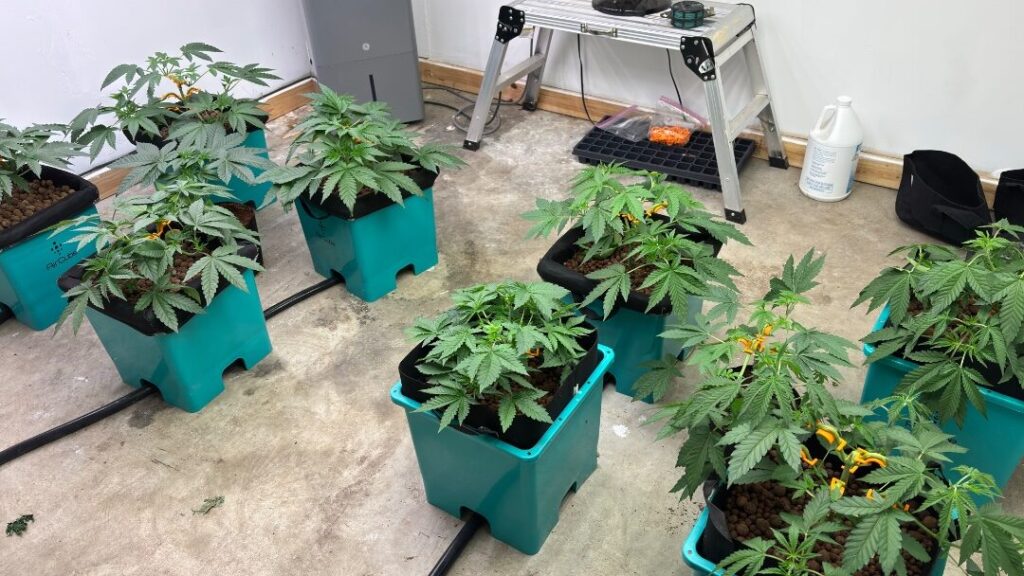




Featured Grow
 Jul 2026 — White Iverson by Selfie Seeds +2 more
White Iverson × Selfie Seeds, Pink Strawberry × Selfie Seeds, Purple Berry × Selfie Seeds • Soil • Started Jul 25, 2026
View journal
Jul 2026 — White Iverson by Selfie Seeds +2 more
White Iverson × Selfie Seeds, Pink Strawberry × Selfie Seeds, Purple Berry × Selfie Seeds • Soil • Started Jul 25, 2026
View journal
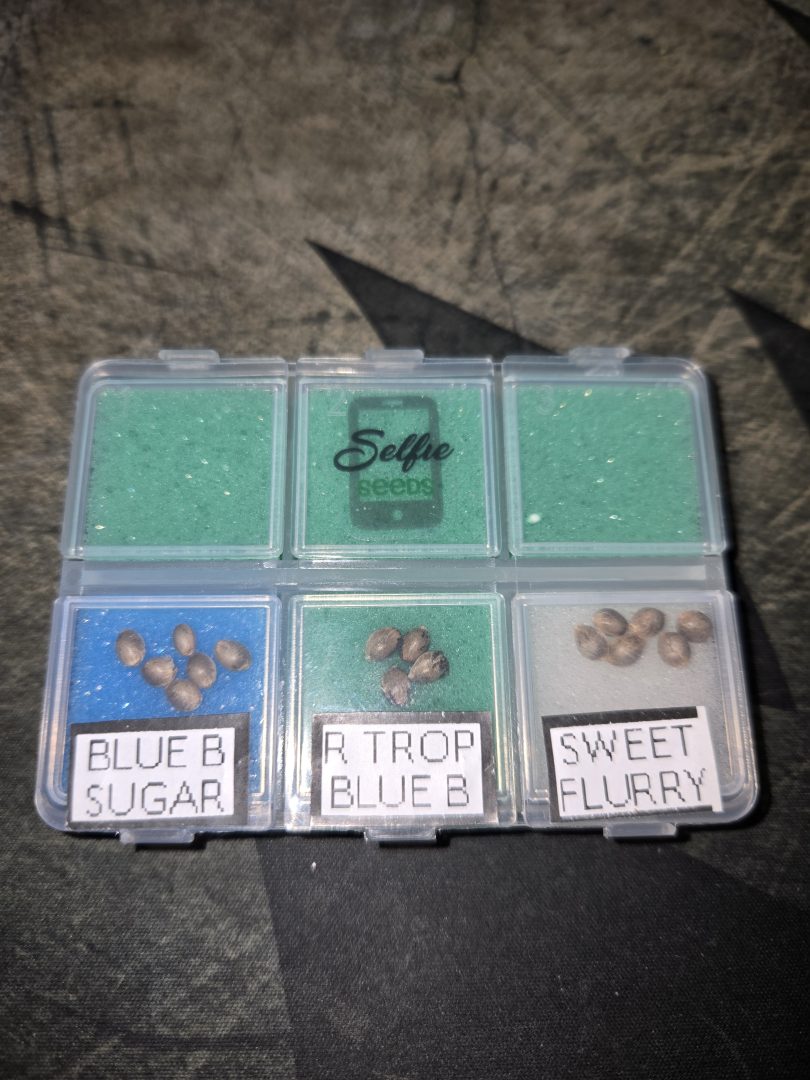 First Selfie Seeds Grow (Blueberry Sugar, Tropical Blueberry, and Sweet Flurry)
Blueberry Sugar × Selfie Seeds, Tropical Blueberry × Selfie Seeds, Sweet Flurry × Selfie Seeds • Soil • Started May 27, 2026
View journal
First Selfie Seeds Grow (Blueberry Sugar, Tropical Blueberry, and Sweet Flurry)
Blueberry Sugar × Selfie Seeds, Tropical Blueberry × Selfie Seeds, Sweet Flurry × Selfie Seeds • Soil • Started May 27, 2026
View journal
Awesome It’ll be a bit chlorophyllie but definitely let me know your opiniones

Walked in this morning before lights out and they are already bouncing back pretty good.
Awesome, fingers crossed for you
Nice LSTing Looks perfectly symmetric

Bananas!!!!! I knew I forgot something today. Thanks, gotta hit the store up in the am anyway. Coming off night,…