

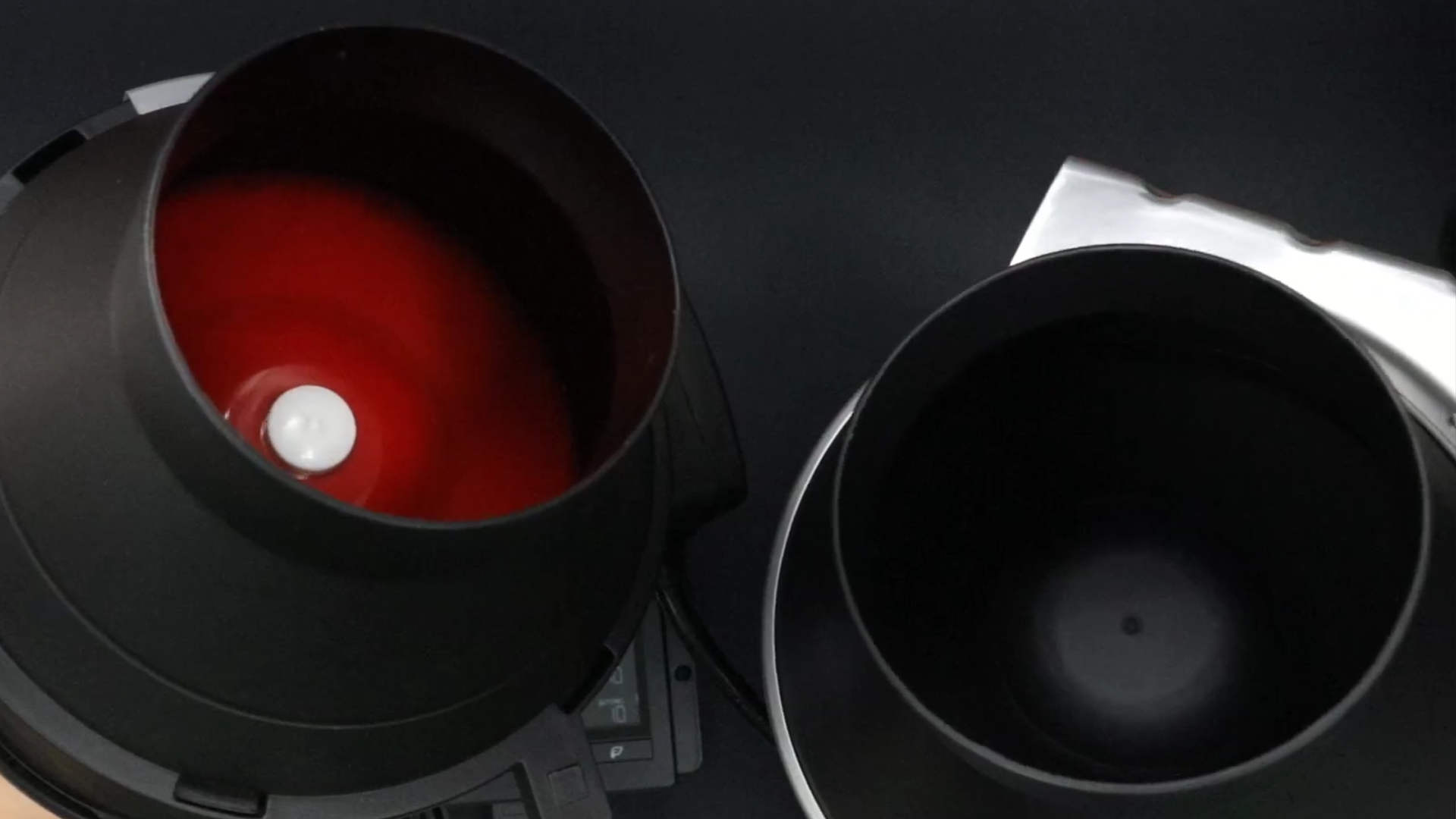
AC Infinity S4 vs. Vivosun Inline Fan: 4-Inch Test

Short answer: the historical AC Infinity 4-inch fan moved the card sleeve farther and used 28 watts in my comparison, while the Vivosun used 59 watts. That made the AC Infinity my preferred long-term choice. But this was not a calibrated airflow or sound test, and current product generations must be compared from scratch.
Video chapters
- 0:00 — What the comparison covers
- 0:22 — Historical purchase prices
- 0:42 — Old advertised CFM figures
- 0:59 — Side-by-side airflow visual
- 1:20 — Informal sound comparison
- 1:38 — Measured wattage and energy formula
- 2:17 — Historical 90-day operating cost
- 2:38 — Original verdict
Timestamp links open the standard HWGrow pop-out player at the selected moment without losing your reading position.
What the test supports—and what it does not
- Observed wall draw: 28 watts for the AC Infinity and 59 watts for the Vivosun at the tested settings.
- Visual airflow: the AC Infinity pushed the lightweight sleeve farther at full speed.
- Advertised airflow: the old figures shown were 205 CFM and 190 CFM.
- Noise: the camera recording was an informal impression, not a controlled decibel measurement.
- Real system performance: neither fan was measured through the same filter-and-duct resistance on a calibrated airflow bench.
A sleeve bending farther is easy to see, but it does not prove exact CFM. Duct length, bends, filter restriction and static pressure determine how much air reaches the real tent. The honest conclusion is that the AC Infinity looked stronger in this simple test and drew substantially less power—not that the visual validated every manufacturer number.

Recalculate the operating cost with your rate
The old video used 24 hours a day for 90 days. The energy math still works:
kilowatt-hours = watts ÷ 1,000 × hours per day × days
At those measured draws, continuous 90-day use equals 60.48 kWh for 28 watts and 127.44 kWh for 59 watts. Multiply each result by the current rate on your electric bill. Do not reuse the video’s old New York price assumption.
How the current listings differ
AC Infinity’s current CLOUDLINE S4 page lists 226 CFM, 28 watts maximum, a 10-speed controller and current safety certifications. Vivosun’s current R4 4-inch kit page (model 306201PS-4) lists 190 CFM and 60 watts. These are manufacturer specifications, not proof that every current bundle or seller listing matches the exact fans filmed in 2021.
AC Infinity savings: If you buy from AC Infinity directly, use code EVYGROWS at checkout for additional savings on eligible products.
Before buying, size the fan for the tent, carbon filter and duct path; then check the equipment-generation guide for the difference between an old review and a current product.
Useful ventilation tools
AC Infinity 4-inch fanVerify the exact controller, power draw and current certification.View productAffiliate disclosure: HWGrow may earn a commission from qualifying Amazon purchases at no additional cost to you. Equivalent current products can replace these links without changing the comparison method.
Next, follow the grow-tent fan and filter installation guide. If your duct route or room exhaust is unusual, Ask HWGrow with the tent size, filter size, duct length and number of bends.
Frequently asked questions
Which 4-inch inline fan won the old comparison?
The AC Infinity was my pick because it looked stronger in the visual test and drew 28 watts versus 59 watts.
Did the video prove exact airflow?
No. The sleeve test showed a visible difference, but exact airflow requires a calibrated test under the same duct and filter resistance.
Which fan was quieter?
The recording was not a controlled decibel test, so it should not be used as a precise noise ranking.
How do I compare energy cost today?
Multiply watts divided by 1,000 by daily runtime and days, then multiply the resulting kilowatt-hours by the current rate on your bill.
You may also like

PRO-MIX HP Review: What the Lab Test Actually Says

Best Grow Tent Dehumidifier: Why Mini Units Fail





Featured Grow


Mine wasnt that bad, i am low rate afib so just swing between 95 and high as 150 sometimes, up…

Yeah not fun, but as long as it helps thats what matters. Had my heartrate 200+bpm in the hospital for…
Tupac mine is for afib. Just Had cardio version the other week to get me out of it, worst case…
I was hoping for one at least that check the box's, but ya, having a couple is that much better.…
Heart cath ablation? Had one of those for Super Ventricular Tachycardia and it worked well