

How to Use pH Up and pH Down for Plant Nutrient Water

Last updated: August 2026
Quick answer: Mix every nutrient and compatible additive into the full volume of water first. Then test with a calibrated meter, add a tiny measured amount of pH Up or pH Down, mix thoroughly, wait for the reading to settle and test again. Repeat only as needed. There is no universal dose because the water source, alkalinity, nutrient recipe and reservoir volume all change how much adjuster is required.
Watch: using pH Down and a pH test kit
This first-party HWGrow video shows the basic test, dose, mix and retest loop. The hands-on technique is useful, but two spoken shortcuts need a current update: the demonstrated milliliter amount applies only to that bucket, and adding tap water is not a universal substitute for pH Up. Use the written workflow below as the authority for your own water.

Selecting a timestamp opens the standard HWGrow pop-out player at that exact moment without moving you away from this section.
What pH Up and pH Down actually do
pH Down lowers the pH of a mixed nutrient solution; General Hydroponics currently identifies its liquid formula as phosphoric-acid based. pH Up raises pH and is currently formulated with potassium hydroxide and potassium carbonate. These are concentrated adjusters, not nutrients to combine with each other.
Most growers reach for pH Down more often because many source waters begin alkaline. That does not make pH Up useless. Nutrients, supplements and low-alkalinity water can leave a finished recipe too acidic. When that happens, a properly diluted, measured amount of pH Up is the controlled correction. Adding more untreated tap water changes the recipe strength, volume and mineral profile at the same time.
How to use pH Up or pH Down
- Start with the full water volume. Know how many gallons or liters are actually in the bucket or reservoir.
- Mix nutrients first. Add products one at a time in the order required by their current labels, mixing completely between additions. The separate nutrient-mixing-order guide explains why concentrates must stay apart.
- Check EC or PPM when the recipe uses it. Confirm the feed strength before changing pH. Diluting an over-strong feed later also changes its pH.
- Measure the finished solution. Use a calibrated pH meter or the indicator method printed on the kit. Wait for a stable reading.
- Choose one direction. Use pH Down if the solution is above your target or pH Up if it is below. Never alternate undiluted concentrates against each other.
- Add a tiny measured amount. Dose into the full mixed solution—not onto roots, dry media or a nutrient concentrate. For a small container, pre-diluting the measured adjuster in clean water can make the correction easier to control when the label permits it.
- Mix, wait and retest. Stir thoroughly or circulate the reservoir, give the reading time to settle, then measure again. Repeat in smaller steps as you approach the target.
- Record what happened. Write down the water volume, nutrient recipe, starting pH, adjuster amount and final pH. That gives you a useful starting estimate next time without turning it into a universal recipe.
Why a fixed “drops per gallon” rule fails
Two buckets can start at the same pH and still need very different amounts of adjuster. The missing variable is often alkalinity—the water’s resistance to a pH change. Nutrient strength and additives also add buffering. That is why the quarter-milliliter steps in the video are a demonstration of technique, not a dose chart for every grower.
If you use municipal water, search your ZIP code plus “water report” and look for alkalinity, bicarbonate or hardness data. A report will not replace testing the finished nutrient solution, but it helps explain why one water source moves easily while another seems stubborn.
What to do if you overshoot
- Small miss: add a very small amount of the opposite adjuster to the full solution, mix thoroughly and retest.
- Repeated back-and-forth: stop chasing the number. Excess correction adds salts and makes the recipe harder to understand.
- Large miss: when practical, remake or dilute the feed with correctly mixed water, then recheck EC/PPM and pH. Do not assume untreated tap water is chemically neutral or that it preserves the intended feed strength.
- Unexpected reading: verify the meter in fresh calibration buffer before correcting the reservoir again.
Digital meter or indicator drops?
| Method | Best use | Main limitation |
|---|---|---|
| Calibrated digital meter | Fine adjustments, repeatable records and checking drift | The probe must be cleaned, hydrated, stored and calibrated correctly. |
| Liquid indicator | Fast backup check without batteries or calibration | Color interpretation is approximate and can be harder in strongly colored nutrient water. |
The best grow-room setup is often both: a maintained digital meter for precision and fresh indicator drops as a quick sanity check. Continue with the pH-meter care guide for cleaning and storage, or use the pH, EC, PPM and runoff guide to connect the reading to the root zone.
Recommended pH-adjustment tools
 pH Up, pH Down and indicator kitA compact set for controlled adjustment plus a color-drop backup test. Keep the acid and base concentrates separated.View product
 Digital pH meterUseful for repeatable readings when it is kept hydrated, clean and calibrated with fresh buffer.View product
Affiliate disclosure: HWGrow may earn a commission from qualifying purchases at no additional cost to you. Equivalent pH adjusters, calibrated meters and test kits can be substituted without changing the workflow.
Manufacturer references
- General Hydroponics: pH Control Kit instructions and safety overview
- General Hydroponics: pH Down product and use guidance
- General Hydroponics: pH Up product and use guidance
- General Hydroponics: pH Down safety data sheet
- General Hydroponics: pH Up safety data sheet
Frequently asked questions
Do I add pH Up or pH Down before nutrients?
No. Mix the complete nutrient recipe into fresh water first, then measure and adjust the finished solution. Nutrients and additives can change pH.
How much pH Down should I add per gallon?
There is no reliable universal dose. Add a small measured amount, mix, wait and retest. Water alkalinity, nutrient strength, product concentration and reservoir volume all affect the result.
Can I mix pH Up and pH Down together?
Never mix the undiluted concentrates together. General Hydroponics warns that they can react violently. Add only one adjuster to the full mixed solution, then mix and retest.
Is pH Up unnecessary if my tap water is alkaline?
You may use pH Down more often, but pH Up still has a purpose when the complete nutrient solution finishes below target. Adding tap water also changes volume, EC/PPM and mineral content.
Want the entire feeding workflow in one place? The Grow With Me Masterclass connects nutrient mixing, pH adjustment, feeding and runoff decisions without reproducing protected lessons here. For help with unusual source water or a drifting reservoir, ask HWGrow and include your water volume, starting EC/PPM, nutrient recipe, starting pH and the exact adjuster used.
Comments
Leave a reply
You may also like
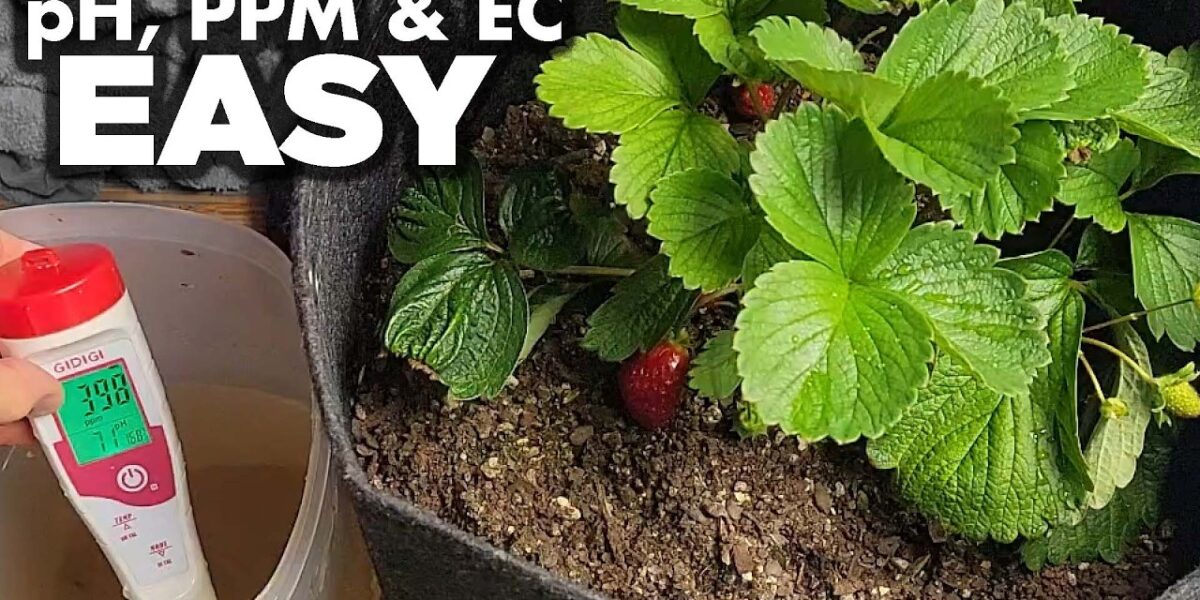
pH vs. PPM for Cannabis: EC Scales, Buffering and Nutrient Lockout

Complete Grow Tent Setup: Four Videos, One Working Setup




Featured Grow

Mine wasnt that bad, i am low rate afib so just swing between 95 and high as 150 sometimes, up…

Yeah not fun, but as long as it helps thats what matters. Had my heartrate 200+bpm in the hospital for…
Tupac mine is for afib. Just Had cardio version the other week to get me out of it, worst case…
I was hoping for one at least that check the box's, but ya, having a couple is that much better.…
Heart cath ablation? Had one of those for Super Ventricular Tachycardia and it worked well
I’d like to have seen how much by volume you recommend diluting ph down to prevent nutrient precipitation.
I see everyone say to dilute… But how much? Nobody really starts with ph down added to water unless they have worked out how much the ph will change after inoculant and nutes added.. Which can vary..
like 10ml max per pint of water is what I observe to prevent milking