


Best Carbon Filter for a Grow Tent: What Our Odor Test Found

Quick answer: In HWGrow’s original same-fan home test, the AC Infinity 4-inch carbon filter controlled odor better than the Vivosun and Auertech filters we tried. That does not make every newer AC Infinity model an automatic winner, but it does show why a carbon filter should be judged by odor breakthrough in the actual tent—not its price, height or marketing copy.
If I were buying today, I would choose a filter that matches the duct and fan, publishes a realistic maximum airflow, uses replaceable prefilter cloth and has either a reversible bed or refillable carbon. Then I would run the tent under slight negative pressure and watch for odor where the exhaust leaves the room.

What the HWGrow carbon-filter test found
The 2021 comparison used 4-inch Auertech, Vivosun and AC Infinity filters with the same inline fan. Auertech produced the most household odor complaints. Vivosun improved the result, but odor was still noticeable inside the grow room. AC Infinity was the only one of the three that did not produce a noticeable cannabis smell in the grow room during the recorded test.
| Filter tested | Physical observation | Household odor result |
|---|---|---|
| Auertech 4-inch | About 9.5 inches tall and 6.75 inches wide in the source video | Strongest odor complaints |
| Vivosun 4-inch | A little over 11 inches tall and about 6.75 inches wide | Better, but odor remained noticeable in the grow room |
| AC Infinity 4-inch | About 10 inches tall and 7 inches wide | Best odor control in the recorded setup |
This was a real-use comparison, not a laboratory adsorption test. The filters were used at different times, odor was judged by people rather than instruments, and the video did not standardize filter age, humidity, cultivar, flower mass or the fan’s loaded airflow. The fair conclusion is that AC Infinity won this household trial. It is not proof that brand alone predicts every result.
How to choose the best carbon filter for your grow tent
- Match the duct diameter. A 4-inch fan needs a 4-inch filter unless you deliberately use reducers and account for the added restriction. A mismatched connection creates leaks and turbulence.
- Match airflow under load. The fan’s free-air rating is not what moves through a filter, duct, bends and exhaust port. Keep the working airflow within the filter manufacturer’s limit and leave enough fan capacity to maintain negative pressure.
- Look beyond “Australian charcoal.” Carbon source and grade are useful, but bed thickness, packing, humidity, contact time and air leaks also decide whether odor reaches the room.
- Prefer a replaceable prefilter. The cloth catches dust and hair before they clog the carbon bed. Wash or replace it according to the filter instructions and let it dry completely before reinstalling.
- Decide between disposable and refillable. A conventional canister is simple. A refillable model costs more upfront but lets you renew the carbon without replacing the steel housing.
- Choose a current, supported model. The exact Auertech filter in the source comparison is a historical reference, not a current recommendation. Product dimensions, carbon beds and listings can change without the brand name changing.
Current AC Infinity and Vivosun options
AC Infinity’s current standard 4-inch filter lists a 38 mm RC412 carbon bed, while its newer 4-inch refillable filter uses a reusable housing and is rated for up to 210 CFM. That refillable design is the more interesting long-term option if replacement carbon remains available.
AC Infinity savings: If you buy from AC Infinity directly, use code EVYGROWS at checkout for additional savings on eligible products.
Vivosun’s current 4-inch carbon filter lists an 11.8-inch-long body, RC412 activated carbon and a maximum airflow of 264 CFM. Those current specifications should not be projected backward onto the exact 2021 unit without a matching model number.
A published carbon grade is useful, but it is still a manufacturer specification. Your real quality-control test is simple: does the correct-size filter, installed without leaks and run at an appropriate speed, stop odor at the exhaust?
Why a good carbon filter can still leak odor
- The fan is moving air too quickly. Odor molecules need contact time with activated carbon. More CFM is not automatically better filtration.
- The tent has positive pressure. If the walls balloon outward, unfiltered air can escape through seams and ports. A slight inward pull shows that exhaust is exceeding passive intake.
- There is a duct or clamp leak. A gap after the filter lets untreated tent air bypass the carbon completely.
- The prefilter is clogged. Dust reduces airflow and can make the fan work harder.
- Humidity is high. Water competes for adsorption sites and can reduce odor performance. Fix the room and tent environment instead of expecting the filter to solve moisture.
- The carbon is spent or unevenly used. Persistent breakthrough after checking airflow and leaks usually means the bed needs replacement, reversal if supported, or a fresh refill.
Best way to install a grow-tent carbon filter
The normal small-tent layout is filter first, then inline fan, then duct exhausting outside the tent. Pulling tent air through the filter keeps most dust on the removable prefilter and makes leaks after the filter less likely to release untreated air. Keep duct runs short, limit sharp bends and support the filter and fan independently.
Use the complete grow-tent ventilation and carbon-filter guide to size the system, or follow the inline fan and filter hanging guide for the physical installation. A filter controls odor; it does not replace the air exchange needed to manage heat, humidity and fresh-air intake.
Recommended carbon-filter setup
 AC Infinity 4-inch carbon filterThe conventional current option from the brand that performed best in HWGrow’s original same-fan household test.View product
 Vivosun 4-inch carbon filterA lower-cost current alternative. Confirm the model dimensions and keep airflow within the listed filter limit.View product
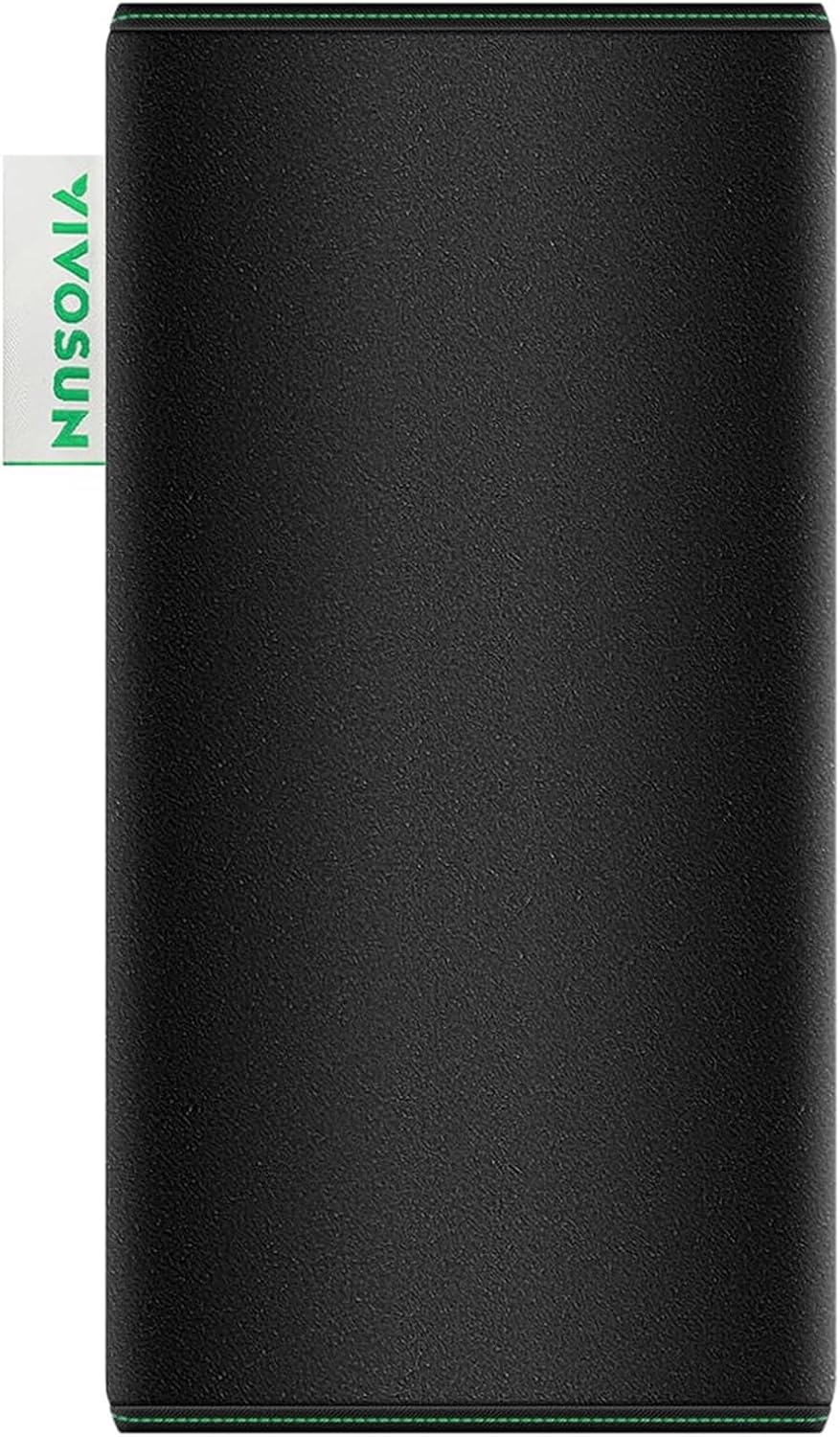 Replacement 4-inch prefilterKeeps dust and hair out of the carbon bed. Measure the canister body—not only the duct opening—before ordering.View product
Affiliate disclosure: HWGrow may earn a commission from qualifying purchases at no additional cost to you. Verify current dimensions, airflow limits and compatibility before ordering; equivalent equipment can be substituted.
Carbon-filter FAQ
What is the best carbon filter for a grow tent?
AC Infinity performed best in HWGrow’s original three-filter household odor test. For a current purchase, compare the exact model’s size, airflow limit, carbon bed, prefilter and replacement options instead of relying on the brand name alone.
Should the carbon filter go before or after the inline fan?
Most small grow tents place the filter inside the tent before the fan so air is pulled through the carbon. A push configuration can work when the filter supports it, but every connection must remain airtight.
How long does a grow-tent carbon filter last?
There is no honest universal number. Odor load, airflow, humidity, dust, carbon mass and daily runtime all affect service life. Replace or refill it when odor persists after you rule out leaks, excess airflow and a dirty prefilter.
Can I run the inline fan faster to remove more odor?
Not always. Air that passes through the carbon too quickly gets less contact time. Size the fan and filter together, then use the lowest speed that still controls heat, humidity and negative pressure.
Does a carbon filter remove grow-tent humidity?
No. A carbon filter adsorbs odor compounds. The exhaust system moves humid air, but the filter itself is not a dehumidifier.
You may also like
PRO-MIX HP Review: What the Lab Test Actually Says

Best Grow Tent Dehumidifier: Why Mini Units Fail

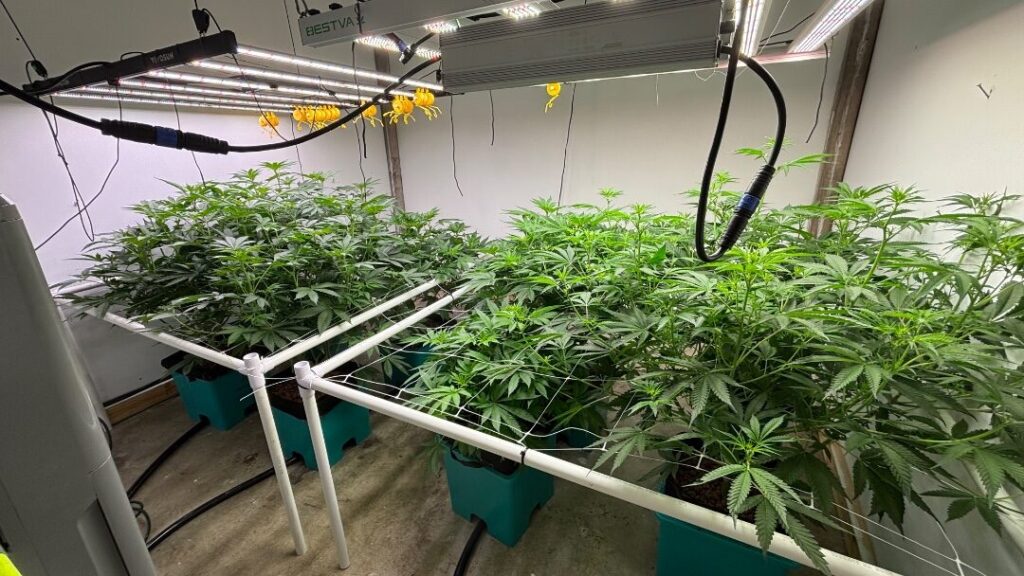



Featured Grow

Mine wasnt that bad, i am low rate afib so just swing between 95 and high as 150 sometimes, up…

Yeah not fun, but as long as it helps thats what matters. Had my heartrate 200+bpm in the hospital for…
Tupac mine is for afib. Just Had cardio version the other week to get me out of it, worst case…
I was hoping for one at least that check the box's, but ya, having a couple is that much better.…
Heart cath ablation? Had one of those for Super Ventricular Tachycardia and it worked well