


At-Home THC Testing: What Potency Testers Can and Can’t Tell You

You grew the flower, dried it, cured it, and now you want to know the number. That is reasonable—but the honest answer is that an at-home THC tester is a screening and consistency tool, not a replacement for a licensed laboratory.
Choose the tester by what you are measuring
| Your actual job | Best-fit route | What to remember |
|---|---|---|
| Get a rough THC estimate from dry flower | HiGrade-style image screening | Fast and comparatively accessible, but it is still an estimate built from an image and model. |
| Measure infused oil, butter, alcohol, or MCT | tCheck 3 with the correct workflow and supplies | This is where tCheck makes the most sense. Do not assume an infusion result proves the potency of the original flower. |
| Check many cured-flower samples for relative consistency | Purpl PRO portable NIR screening | More repeatable and purpose-built, but costly and explicitly not a regulatory-lab substitute. |
| Need a defensible cannabinoid profile | Licensed analytical laboratory | Ask about sampling, preparation, uncertainty, method and whether the result reports THCA, delta-9 THC and total THC separately. |
Why two readings can disagree
A cannabis flower is not a perfectly mixed tablet. One side of one bud can contain a different concentration than another bud from the same plant. Moisture, grind size, sample temperature, calibration range and the exact piece you test can all move the result.
There is another common source of confusion: delta-9 THC is not the same line item as total THC. Most raw flower contains a large amount of THCA. A reported “total THC” value normally applies a conversion factor to estimate the delta-9 THC available after decarboxylation. Before comparing numbers, make sure both devices or reports are describing the same thing.

Current at-home THC tester options
HiGrade: the quick flower estimate
HiGrade uses its scope, a phone camera and image analysis to estimate THC in dry flower. The company currently describes average accuracy within three percentage points. Treat that as a manufacturer claim, not a guarantee for every cultivar, sample or phone. It is best suited to answering a casual question such as, “Does this batch appear stronger or weaker than the last one?”
tCheck 3: the infusion specialist
The current model is tCheck 3—not the discontinued tCheck 2 that appeared in the old version of this article. Its strongest use case is measuring infused oils, butter and tinctures with the correct procedure. Flower and concentrate testing require the appropriate kit and preparation; the device should not be presented as a two-minute whole-bud scanner.
Purpl PRO: rapid NIR flower screening
Purpl PRO uses near-infrared spectroscopy for cured flower. The manufacturer currently lists it at roughly $2,495 and reports validation error figures of ±1.89 percentage points for THC and ±0.96 for CBD. Those figures come from the company’s own validation materials. Purpl also states that the device is not a replacement for required regulatory testing.
A better home-testing routine
- Define the question. Are you comparing two harvests, checking an infusion, or seeking a legally defensible result?
- Use the correct sample type. Follow the device’s current instructions instead of forcing flower into an infusion workflow—or the other way around.
- Build a representative sample. Test small portions from multiple flowers and plant locations rather than choosing the frostiest top alone.
- Control moisture and preparation. Compare samples prepared the same way and at a similar cure stage.
- Repeat the measurement. Record at least three readings. A wide spread is information: the sample or method is not stable enough for a single confident number.
- Use a lab when the stakes are real. Home results should not drive dosing, medical decisions, compliance claims or commercial labels.
Current tools by use case
Product disclosure: these are current manufacturer destinations provided for comparison. Availability, pricing and specifications can change. A link may become monetized in the future at no additional cost to you.
Independent context matters
The National Institute of Standards and Technology explains why cannabis measurements need reference materials and quality controls. Portable near-infrared instruments are promising, but published research evaluates specific instruments, calibration sets and sample preparation—not every device carrying the same technology label.
Frequently asked questions
Can an at-home tester replace a cannabis lab?
No. It can help screen samples and compare batches, but regulated, medical or commercial decisions need an appropriate accredited laboratory method.
Can I test one bud and know the potency of the whole plant?
No. Cannabinoid concentration varies across flowers and plant locations. A representative composite sample and repeated measurements give a more useful estimate.
Is tCheck 3 a flower tester?
Its clearest use case is infused oils, butter and tinctures. Flower or concentrate measurements require the correct accessories and preparation, so verify the current kit before buying.
Is the most expensive home tester automatically the most accurate?
No. Accuracy depends on calibration, sample type, preparation, instrument condition and whether your material resembles the samples used to build the model.
Potency alone cannot score aroma, flavor, smoothness or the full experience. Use the smoke-report template for those subjective qualities.
You may also like
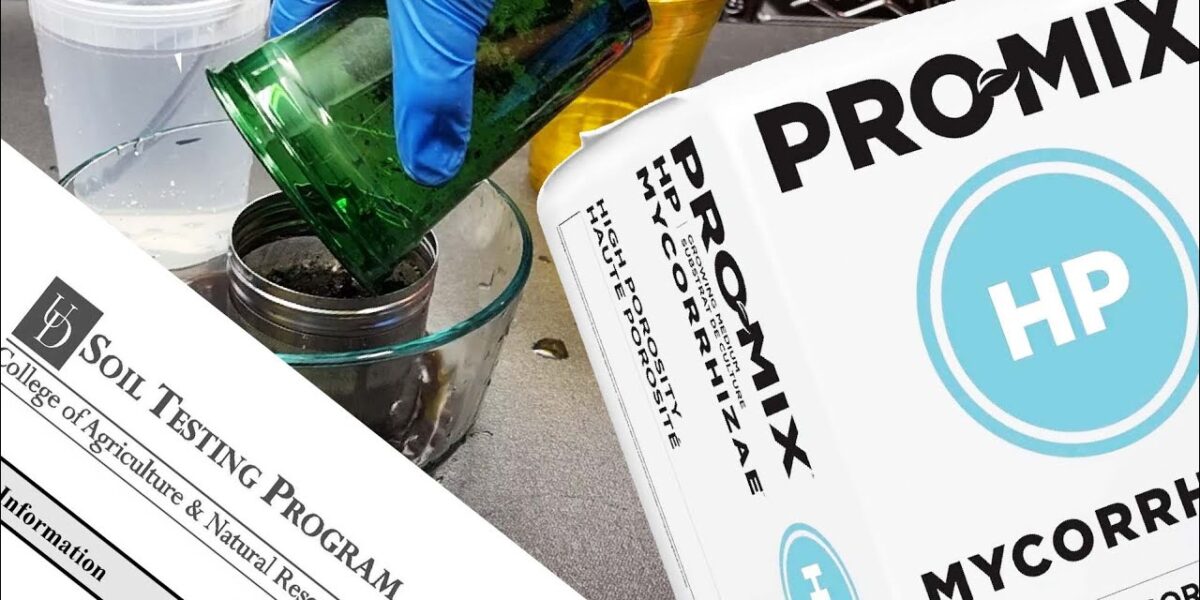
PRO-MIX HP Review: What the Lab Test Actually Says
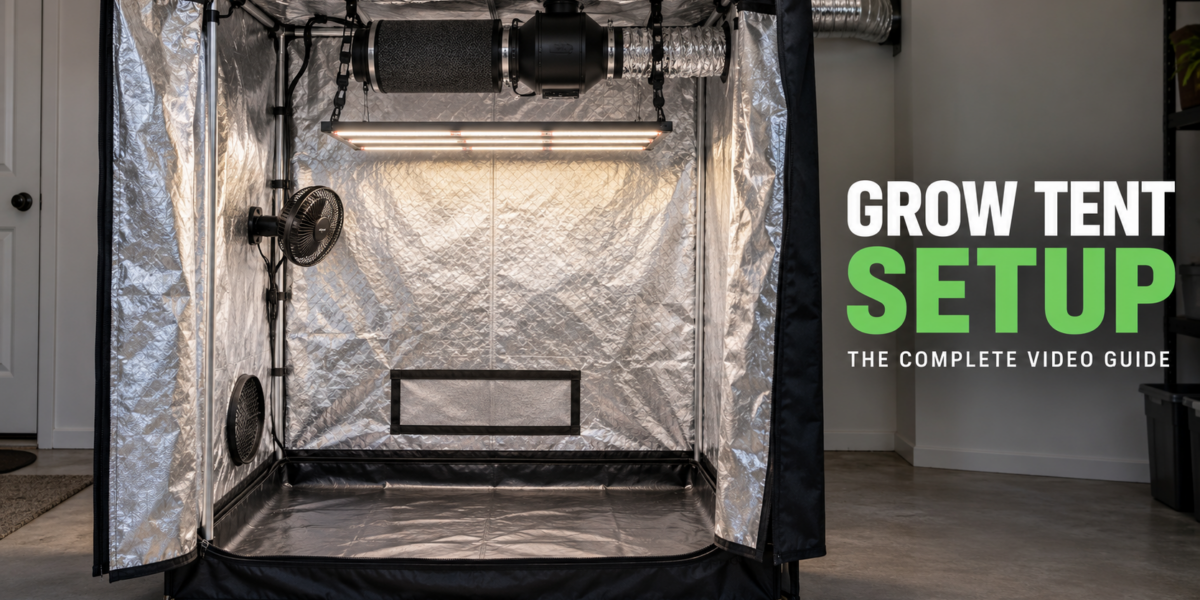
Complete Grow Tent Setup: Four Videos, One Working Setup

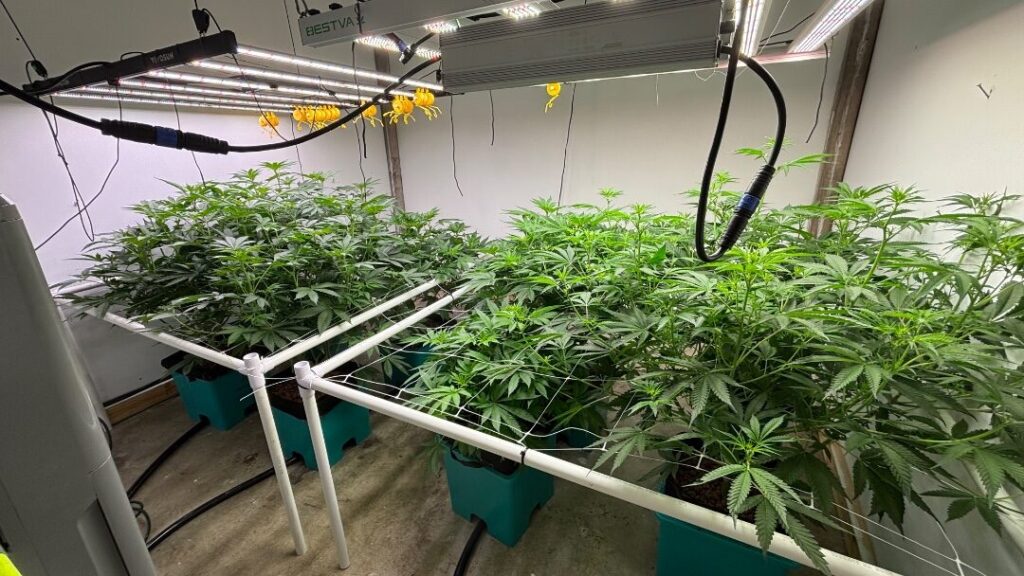
Featured Grow

Mine wasnt that bad, i am low rate afib so just swing between 95 and high as 150 sometimes, up…
Yeah not fun, but as long as it helps thats what matters. Had my heartrate 200+bpm in the hospital for…
Tupac mine is for afib. Just Had cardio version the other week to get me out of it, worst case…
I was hoping for one at least that check the box's, but ya, having a couple is that much better.…
Heart cath ablation? Had one of those for Super Ventricular Tachycardia and it worked well