


Is It Worth Growing Weed at Home? Cost and Break-Even Guide

Short answer: growing cannabis at home can save money, but only when it is legal where you live, you actually use the harvest, and you count electricity, climate control, supplies, failed runs and your time. The honest comparison is not “seed versus dispensary price.” It is your all-in cost per usable gram versus what you would otherwise spend.
Video chapters
- 0:00 — What “worth it” needs to include
- 1:23 — Startup equipment categories
- 2:58 — Water and utility costs
- 3:32 — Electricity-rate calculation
- 4:47 — Light schedule and power use
- 5:43 — The labor cost people forget
- 7:04 — Comparing harvest value
- 8:02 — Recurring cost and break-even
- 9:00 — Recalculate with your own numbers
Selecting a timestamp starts the embedded video at that moment without moving you away from this section.
Use this four-line home-grow cost calculator
- Startup cost per run = equipment you expect to reuse ÷ the number of complete runs you realistically expect from it.
- Electricity = (measured watts ÷ 1,000) × operating hours × your price per kWh.
- Recurring cost = genetics + medium + nutrients + water treatment + replacement filters + pest control + other supplies used during that run.
- Cost per usable gram = (startup cost per run + electricity + recurring cost) ÷ the dry amount you actually keep and use.
Do not guess from the wattage printed in a product title. Measure the complete setup at the wall when practical, and use the electricity rate printed on your own bill. The U.S. Energy Information Administration explains that one kilowatt-hour is one kilowatt used for one hour and publishes current residential electricity-price data. Your utility rate is still the number that matters.
| Cost bucket | What to enter | Common mistake |
|---|---|---|
| Reusable equipment | Tent, light, exhaust, circulation, meters and safety equipment | Charging the entire setup to one harvest—or pretending it lasts forever |
| Electricity | Measured watts, actual hours and your local $/kWh | Counting only the light while ignoring fans, dehumidification, heat or air conditioning |
| Consumables | Genetics, medium, nutrients, water, filters and sanitation supplies | Using old sale prices or assuming every bottle is consumed in one run |
| Losses | Seeds that do not start, plants removed, crop loss and unusable material | Dividing by a fantasy yield instead of the dry usable amount |
| Time | Setup, daily checks, training, cleanup, drying and curing | Calling the harvest “free” while ignoring months of responsibility |
The electricity example that keeps the math honest
Suppose a complete setup averages 350 watts while the lights are on. Running it for 18 hours uses 6.3 kWh that day: 0.35 kW × 18 hours = 6.3 kWh. Multiply 6.3 by the rate on your bill. Repeat the calculation when the light schedule or equipment load changes. Add equipment that runs around the clock separately.
This is why the room can change the answer. A modest light in a comfortable basement may be inexpensive to manage. The same tent in a hot, humid room may require enough cooling or dehumidification to erase the expected savings.
Startup cost is not the same as cost per harvest
The original HWGrow recording correctly separated one-time equipment from supplies that get used up. Keep doing that. If a tent and ventilation system survive many runs, charge only a realistic share to each run. If a cheap fan fails early, replace the optimistic lifespan with what actually happened.
Before buying anything, use the State of the Indoor Grow Equipment guide to check the exact generation instead of assuming a familiar model name still has the same components. The current grow-equipment checklist helps separate required categories from upgrades that can wait.
When growing at home is usually worth it
- Home cultivation is legal and your residence allows it.
- You already buy enough cannabis for a successful harvest to replace meaningful spending.
- You can control light, odor, temperature, humidity and electrical load safely.
- You are willing to learn from a failed seed, weak plant or smaller-than-expected first harvest.
- You value control over genetics, inputs, harvest timing, drying and curing—not just the lowest dollar figure.
When it may not be worth it
- Your use is occasional, so the equipment and harvest are larger than your real need.
- Your room needs expensive cooling, heating, humidification or dehumidification.
- You cannot inspect the plants consistently or finish the drying and curing process.
- Odor, lease terms, electrical limits, children, pets or shared-space safety create unacceptable risk.
- You are counting on a perfect first-run yield to make the numbers work.
Calculate break-even without promising yourself a yield
First calculate your all-in cost for one run. Then divide that amount by the price you would otherwise pay per gram. The result is the number of usable grams required to break even. If that break-even amount depends on a flawless first grow, the budget is too optimistic.
A safer plan is to run three outcomes: rough first grow, reasonable grow and excellent grow. If the project only makes sense in the excellent column, wait, shrink the setup or start with the complete beginner workflow before spending more.
 Grounded outlet timerA simple way to keep the light schedule consistent without paying for automation you do not need yet.View product
 Reusable fabric potsA basic container category that can be cleaned and reused; price the number and size your actual setup needs.View product
 Selfie Seeds™ geneticsStart the budget with documented genetics and keep the cultivar and lot information with your grow record.View product
Affiliate disclosure: HWGrow may earn a commission from qualifying Amazon purchases at no additional cost to you. Selfie Seeds™ is HWGrow’s in-house genetics source. Product availability changes, and equivalent items can replace the links without changing the budgeting method.
Want the shortest path through the learning curve?
The free beginner guide gives you the complete seed-to-harvest map. Members can use the Grow With Me Masterclass for the day-by-day workflow, checkpoints and troubleshooting that are intentionally not copied into this public cost guide. If a number in your budget is unclear, ask HWGrow a question before buying the wrong category twice.
Frequently asked questions
Is growing weed at home cheaper than buying it?
It can be, especially across several successful runs, but the answer depends on local electricity, climate control, recurring supplies, usable dry yield and how much cannabis you would otherwise buy.
What is the biggest hidden home-grow cost?
Climate control is often the surprise. Heating, cooling, humidification or dehumidification can cost more than expected because the room—not just the tent—must stay workable.
How do I calculate grow-light electricity?
Divide measured watts by 1,000, multiply by operating hours and then multiply by the price per kWh on your utility bill. Calculate other devices and schedule phases separately.
Should I count equipment in one harvest?
No. Divide reusable equipment by a realistic number of complete runs. Replace that estimate with actual lifespan data as fans, meters and other parts wear out.
Does a larger setup always lower cost per gram?
No. A larger setup can spread fixed costs across more usable material, but it also raises electricity, climate, odor, safety and crop-loss exposure. Build for your legal limit, room and actual need.
You may also like
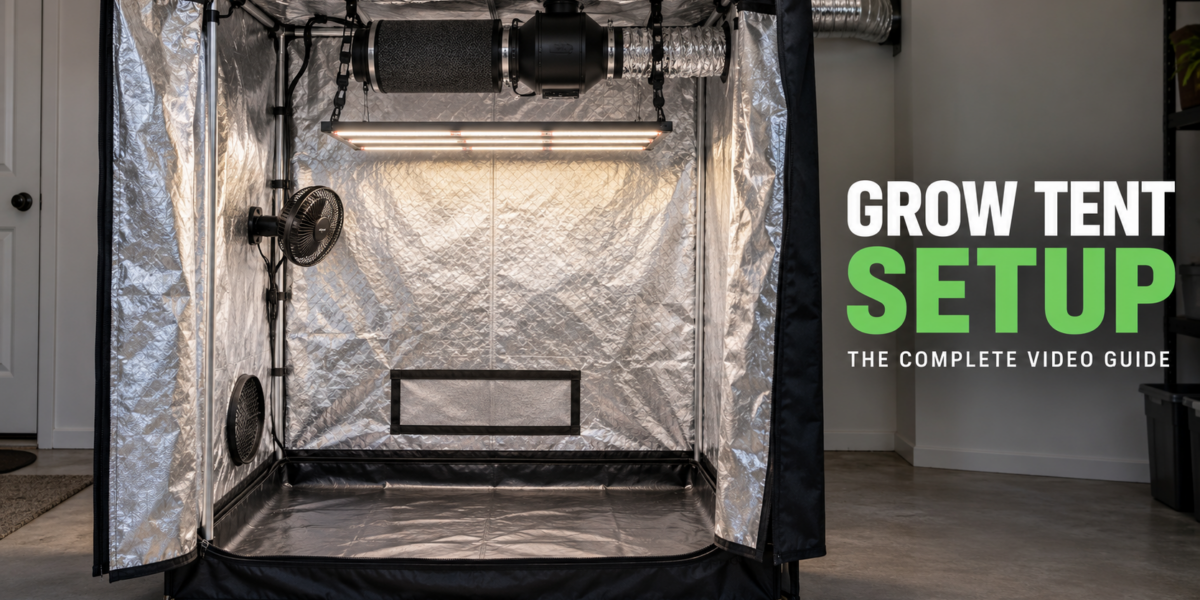
Complete Grow Tent Setup: Four Videos, One Working Setup
Lawrence Brooke: The Godfather of Cannabis Nutrients


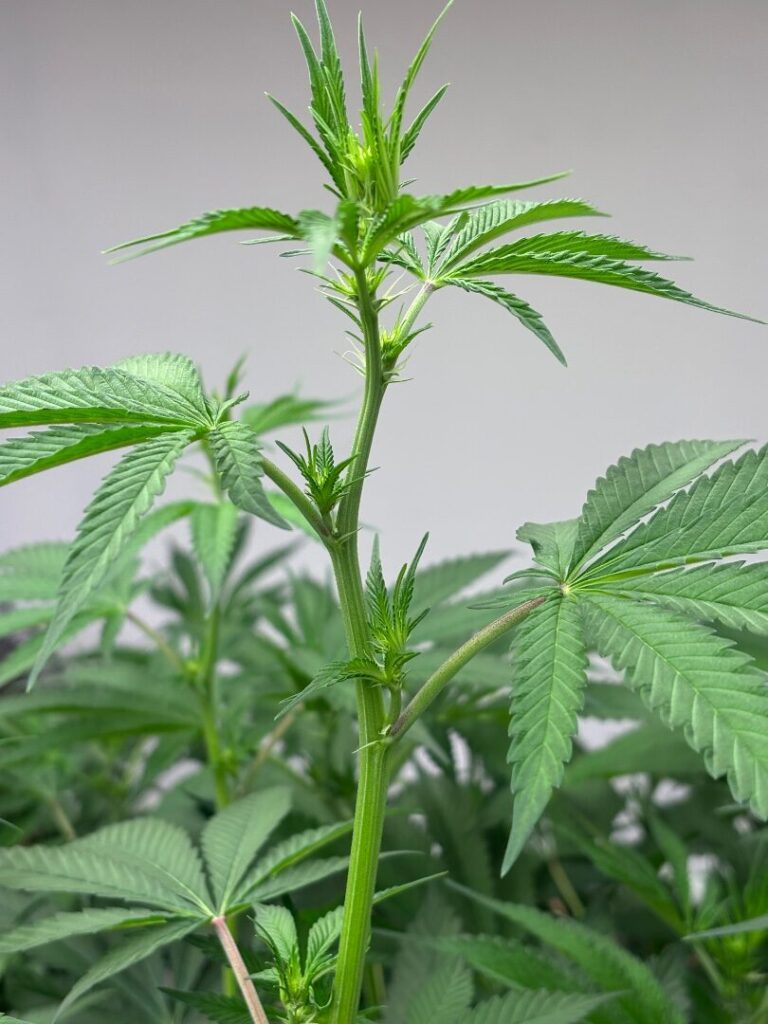

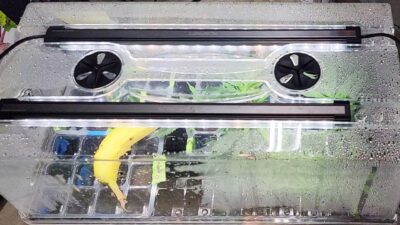
Featured Grow
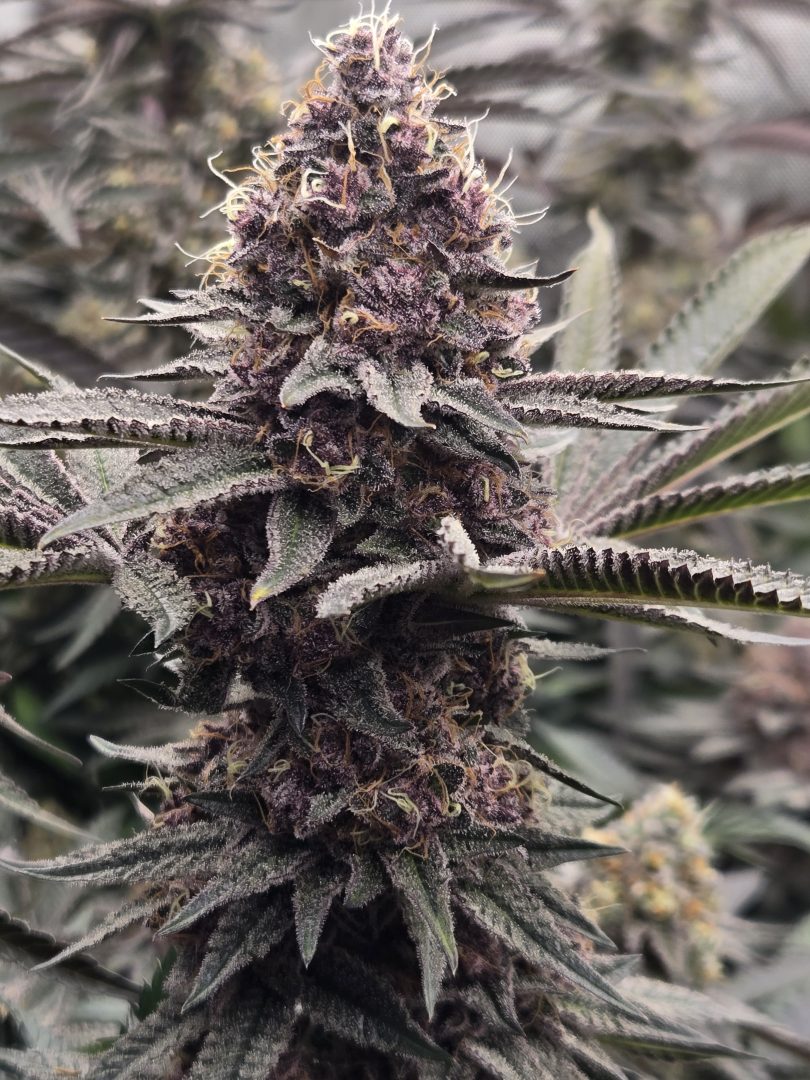

Mine wasnt that bad, i am low rate afib so just swing between 95 and high as 150 sometimes, up…
Yeah not fun, but as long as it helps thats what matters. Had my heartrate 200+bpm in the hospital for…
Tupac mine is for afib. Just Had cardio version the other week to get me out of it, worst case…
I was hoping for one at least that check the box's, but ya, having a couple is that much better.…
Heart cath ablation? Had one of those for Super Ventricular Tachycardia and it worked well