


Bloom Plus XP4000 Review: What My 2022 PPFD Test Found

Short answer: the Bloom Plus XP4000 I tested in 2022 delivered a much more even footprint than the weak fixture it replaced. At 18 inches, I recorded roughly 900 µmol/m²/s toward the outside and a little over 1,000 in the center. That was an encouraging result for this exact historical unit, not a permanent recommendation for every Bloom Plus model.
Video chapters
- 0:00 — Why I replaced the previous light
- 0:14 — Panel and diode layout
- 0:31 — LED count in the tested unit
- 0:45 — Wiring and connectors
- 1:04 — Two-driver configuration
- 1:19 — Dimmer and included hardware
- 1:40 — Four-point hanging
- 1:59 — Outer reading at 18 inches
- 2:15 — Center reading and uniformity
- 2:27 — Edge-biased diode spacing
- 2:40 — Heat impression and old verdict
Timestamp links open the standard HWGrow pop-out player at the selected moment without taking you away from your reading position.
Why the footprint impressed me
The important result was not the center being a little over 1,000. It was the outside reading near 900 at the same 18-inch height. That smaller center-to-edge gap suggested a more useful canopy than the narrow hotspot I had just rejected.
The board layout appeared denser near the edges, which is a sensible way to fight falloff. I also liked the 0–100% dimmer and the thin form factor. I still used four rope hangers because four adjustable corners make a wide fixture easier to level than the two wires and two hangers included with the unit.

Two corrections to the original recording
- You cannot authenticate an LED package by appearance alone. The board looked consistent with the listing, but I did not perform component authentication. Treat the stated diode model as the seller’s claim.
- A cooler-feeling board does not make electrical energy disappear. Fixture surface temperature, driver location and airflow change where heat is felt, but nearly all consumed electrical power ultimately becomes heat in the room. Size room cooling from measured wall draw and total equipment load.
Samsung’s lighting catalog shows multiple LED families and specifications; it does not authenticate a finished marketplace fixture. The FTC’s advertising guidance explains why objective performance claims should be evidence-based.
Use the current LED selection guide for grid measurements and the equipment-generation guide before using this old positive review as a buying decision.
Useful setup and verification tools
Current LED light categoryCompare the exact generation, full map, wall draw and warranty.View productAffiliate disclosure: HWGrow may earn a commission from qualifying Amazon purchases at no additional cost to you. Equivalent current items can replace these links without changing the testing workflow.
Frequently asked questions
Was the Bloom Plus XP4000 good in HWGrow’s test?
Yes, the tested 2022 unit produced an encouragingly even center-to-edge result at 18 inches. That does not verify a different production run or current model.
Did HWGrow verify the LM301H diodes?
No. The recording discusses the listing and visible package, but component authentication was not performed.
Does a thin LED panel create less room heat?
Not necessarily. Compare measured wall draw and the whole-room heat load rather than judging only by how hot the panel feels.
How many hangers should a wide fixture use?
Four adjustable corners provide better leveling and height control, provided the tent structure and hangers are rated for the load.
Comments
Leave a reply
You may also like
PRO-MIX HP Review: What the Lab Test Actually Says

Best Grow Tent Dehumidifier: Why Mini Units Fail

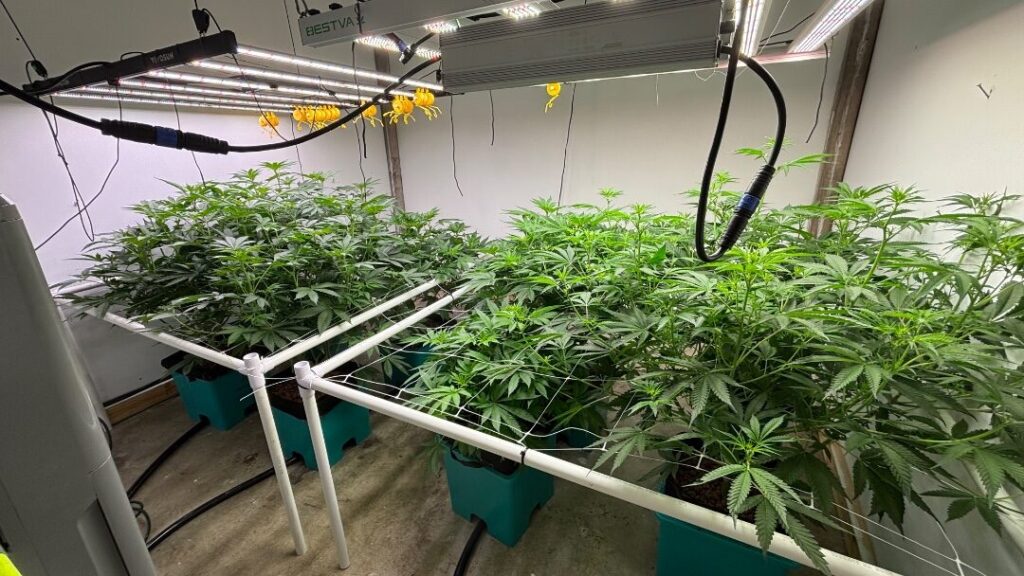

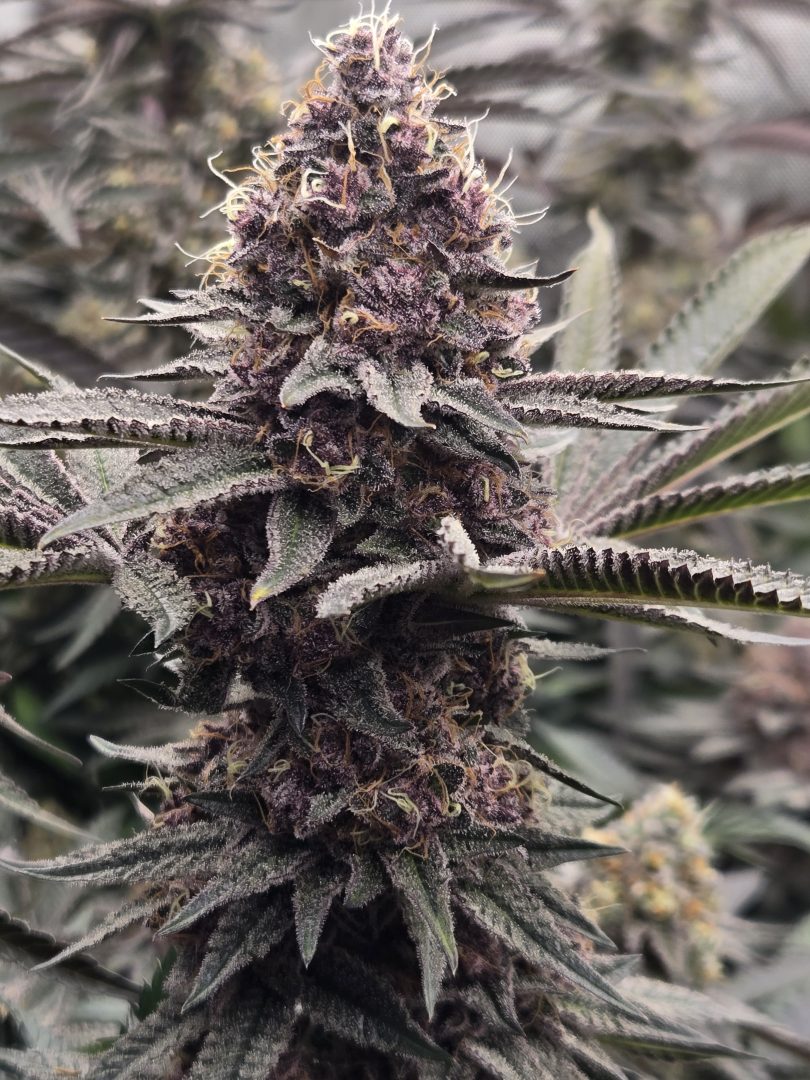
Featured Grow

Mine wasnt that bad, i am low rate afib so just swing between 95 and high as 150 sometimes, up…

Yeah not fun, but as long as it helps thats what matters. Had my heartrate 200+bpm in the hospital for…
Tupac mine is for afib. Just Had cardio version the other week to get me out of it, worst case…
I was hoping for one at least that check the box's, but ya, having a couple is that much better.…
Heart cath ablation? Had one of those for Super Ventricular Tachycardia and it worked well
I just bought this light through Amazon and I tried the HGROWMIE and it said it was no good. I went ahead and bought it anyway. Will let you know how it works