


RAW Papers Lawsuit: What the Courts Actually Ruled

Case: Republic Technologies (NA), LLC v. BBK Tobacco & Foods, LLP | Last verified: August 23, 2026
Quick answer: RAW papers were not “banned,” and this was not a criminal conviction. A federal jury returned a mixed civil verdict in a long-running dispute between rolling-paper competitors. The district court entered a nationwide permanent injunction restricting several RAW/HBI advertising practices, and the Seventh Circuit affirmed the judgment in April 2025.
Who sued whom?
Republic Technologies and Republic Tobacco sell OCB rolling papers. BBK Tobacco & Foods—also called HBI—markets RAW rolling papers. Republic began the federal case in 2016, first asking the court to resolve trade-dress questions and later adding false-advertising and unfair-competition claims. HBI filed counterclaims involving OCB packaging.
This was a fight between competitors over advertising and package design. It was not a government prosecution and did not result in a criminal conviction.
What did the jury decide?
The 2021 jury returned a mixed result. The district court later summarized that the jury found HBI engaged in unfair competition and violated the Illinois Uniform Deceptive Trade Practices Act in packaging and promotional activity. Republic did not win its separate federal Lanham Act false-advertising claim.
HBI also won part of its trade-dress counterclaim: the jury found Republic’s discounted red OCB package infringed RAW trade dress, while the full-price brown OCB package did not. This is why “RAW lost the lawsuit” leaves out half the story.
What advertising did the injunction address?
The permanent injunction covered categories of statements involving RAW product origin, materials, manufacturing, charitable claims and comparisons with competitors. The court record discusses claims such as:
- papers being made in Alcoy, Spain;
- RAW Organic Hemp papers being the world’s first or only organic-hemp papers;
- wind-powered manufacturing, “unrefined” paper and “natural hemp gum”;
- product purchases or company funds supporting a charitable entity called the RAW Foundation;
- the invention of pre-rolled paper cones; and
- claims that competing OCB products were knockoffs or fakes.
The injunction also required HBI advertising and promotional statements to be clear opinion or factual claims supported by tangible, objective verification. Read the district court’s January 2023 order and the earlier December 2022 injunction opinion for the court’s wording and procedural context.
What happened on appeal?
Both sides appealed different parts of the judgment. Republic challenged the handling of its federal false-advertising claim and the OCB trade-dress verdict. HBI challenged the wording and nationwide scope of the injunction.
On April 25, 2025, the U.S. Court of Appeals for the Seventh Circuit affirmed the district court in all respects. That means the appellate court left the mixed verdict and nationwide injunction in place. The official Seventh Circuit opinion is the best single source for the current case outcome.
Did the court say the RAW Foundation was fake?
The safer description is narrower: the litigation challenged statements that purchases or HBI funds supported a charitable entity called the RAW Foundation, and the injunction restricted those promotional claims. The public record also refers to other charitable activity and later “RAW Giving” branding. That does not justify turning a specific advertising ruling into a broad claim that no charitable work ever occurred.
When reporting a lawsuit, distinguish a complaint, a factual finding, a jury verdict, an injunction and an appeal. They are not interchangeable.
Are RAW rolling papers illegal or banned?
No. The case restricted advertising and resolved trade-dress issues; it did not impose a blanket ban on owning or selling all RAW products. It also did not prove that one rolling-paper brand is healthy or safer than every competitor.
Burning any paper and plant material creates smoke. If the health question matters more than the brand fight, use the cannabis smoke-versus-vapor harm-reduction guide. For a practical comparison of common devices and papers, see bongs, pipes and joints.
What consumers should take from the case
- Treat “first,” “only,” “natural,” “unrefined” and charity-impact claims as evidence questions, not decoration.
- Look for specific, current documentation instead of assuming packaging tells the whole story.
- Do not turn a mixed civil verdict into a criminal “conviction.”
- Do not treat an advertising injunction as a product ban or a medical safety finding.
- Check the current court record when an old news article describes a case that was still being appealed.
RAW papers lawsuit FAQ
Was RAW criminally convicted?
No. This was civil litigation between competitors. A jury found HBI liable under Illinois unfair-competition/deceptive-practices law, while Republic did not win its federal Lanham Act false-advertising claim.
Did RAW lose the entire case?
No. The verdict was mixed. Republic obtained an injunction against HBI advertising practices, while HBI prevailed on part of its trade-dress counterclaim involving a discounted red OCB package.
Are RAW papers banned?
No. The judgment restricted advertising practices and resolved package-design issues. It did not ban every RAW rolling-paper product.
Was the injunction overturned?
No. The Seventh Circuit affirmed the district court’s judgment, including the nationwide injunction, on April 25, 2025.
You may also like
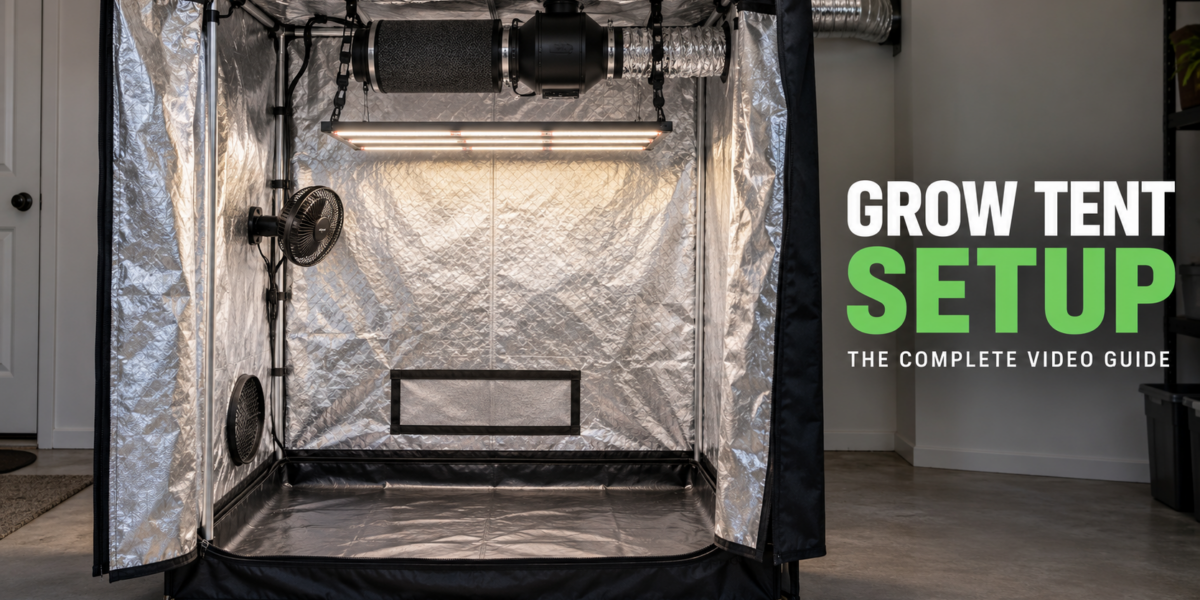
Complete Grow Tent Setup: Four Videos, One Working Setup
Lawrence Brooke: The Godfather of Cannabis Nutrients




Featured Grow

Mine wasnt that bad, i am low rate afib so just swing between 95 and high as 150 sometimes, up…
Yeah not fun, but as long as it helps thats what matters. Had my heartrate 200+bpm in the hospital for…
Tupac mine is for afib. Just Had cardio version the other week to get me out of it, worst case…
I was hoping for one at least that check the box's, but ya, having a couple is that much better.…
Heart cath ablation? Had one of those for Super Ventricular Tachycardia and it worked well