

How to Bring Outdoor Plants Indoors Without Bringing Pests
Video chapters: bringing a plant indoors
- 0:13 — Why one unchecked plant can affect the whole room
- 0:38 — Hidden pests and eggs
- 1:04 — Remove dead leaves and debris
- 1:16 — Rinse both sides of the leaves and clean the pot
- 1:29 — What the original sulfur step showed; read the correction below
- 2:24 — Quarantine before joining the indoor collection

Last updated: August 2026
Quick answer: Do not move an outdoor plant straight into your indoor grow. Inspect it, remove dead material, rinse the leaves and pot, treat only when you have identified a problem and the product label allows that use, then quarantine the plant for one to two weeks. That short buffer is much easier than chasing mites, thrips or fungus gnats through an entire room.
Important correction to the original video: The footage documents one personal wettable-sulfur routine. “One heaping scoop per gallon,” soaking the entire pot and automatically repeating ten hours later are not universal instructions. The current label on your exact product decides the allowed plant, pest, location, rate, protective equipment, reapplication interval and when people or pets may re-enter.
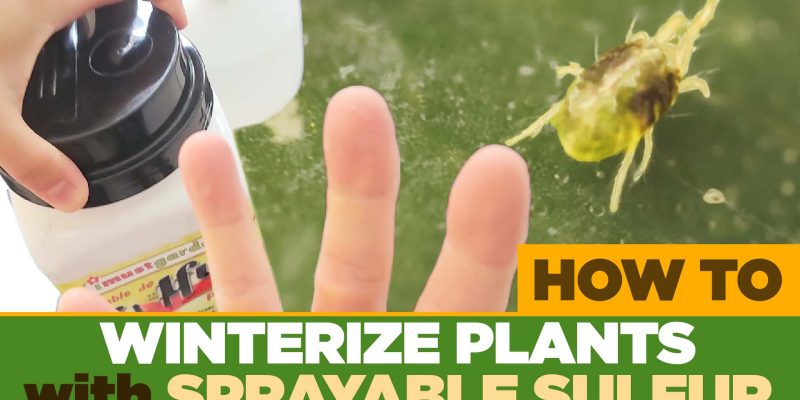
Selecting a timestamp opens the video at that moment without moving you away from this section.
The pest-free move-in checklist
- Plan before the cold night arrives. Know the lowest temperature your plant tolerates and leave enough time to clean and isolate it. Do not wait until frost forces you to carry everything inside at once.
- Make a quarantine space. Use a separate room, tent or enclosed area away from the clean collection. Shared airflow and touching leaves defeat the point.
- Inspect in bright light. Check growing tips, stems, leaf joints and both sides of every leaf. Look for stippling, webbing, silvery scars, black specks, sticky residue, scale, eggs and adults.
- Check the container too. Look under the rim, around drainage holes and across the growing medium. Fungus gnats usually point you toward a wet root-zone problem, not something sulfur sprayed on the leaves will automatically solve.
- Remove the hiding places. Prune dead or badly damaged material and clear debris from the soil surface. Do not strip a healthy plant bare just because it is moving.
- Rinse and clean. A firm water rinse can dislodge many pests. Support the plant, reach the leaf undersides and wash the outside of the pot without blasting soil everywhere.
- Treat the problem you actually found. If a pesticide is needed, identify the pest and choose a product whose current label allows that plant, site and pest. More product is not more control.
- Quarantine for one to two weeks. Keep inspecting new growth and leaf undersides. Sticky cards can help reveal flying adults, but they do not prove that mites, eggs or soil-dwelling larvae are gone.
- Acclimate the plant. Outdoor sun is far stronger than most indoor light. Change the light gradually, provide airflow and water according to how quickly the pot now dries—not the outdoor schedule.
When wettable sulfur may fit
Wettable sulfur can be useful against certain labeled mites and fungal diseases, but it is not a universal “bug-proof” wash. Sulfur products have different formulations and different approved uses. Before mixing anything, confirm that the label names the plant or permitted site, the pest or disease, the mixing rate and the application method you intend to use.
The label is the law, not the old video, this article or a comment section. The EPA explains that pesticide labels are legally enforceable directions covering where, how, how much and how often a product may be used. Read how to use a pesticide label.
Wettable-sulfur safety rules that should not be improvised
- Measure the labeled rate. Never substitute “a heaping scoop” when the label specifies a weight, volume or concentration.
- Confirm the allowed application site. Do not drench the root zone or soak a container unless that exact label permits a soil application for that plant and pest.
- Get coverage without creating runoff. When a foliar sulfur use is permitted, coverage often matters, including the leaf undersides. The label still decides how wet the plant should become.
- Test a small area first. Plant species and cultivars can differ in sulfur sensitivity, especially under greenhouse or indoor conditions.
- Avoid stressful application conditions. Many labels warn against hot weather, full sun or high humidity. One current EPA sulfur label warns against use when temperatures may exceed 90°F within three days; your product may differ.
- Keep sulfur away from oil treatments. Sulfur used too close to horticultural oil, neem oil or another oil-based spray can injure foliage. Follow the interval on both labels; do not copy a generic number.
- Wear the required protective equipment. Gloves, eye protection, clothing and respiratory protection must match the label. A generic dust mask is not automatically the correct respirator.
- Protect people and pets. Mix and spray only where the label allows, avoid breathing the dust or mist, and follow the label’s re-entry and drying directions.
For one example of the details labels can contain, an EPA-approved sulfur label requires full leaf coverage, warns that greenhouse plants may be more sensitive, restricts use during hot conditions and gives a product-specific oil interval. See the EPA sulfur-label example. It is an example—not a substitute for the label on your container.
What sulfur can and cannot do
Sulfur can interfere with energy processes in susceptible fungi and insects, which helps explain why it appears in some mite and disease products. “Low toxicity” still does not mean harmless: dust or spray can irritate eyes, skin and airways, and the legal use depends on the formulation. The National Pesticide Information Center sulfur fact sheet explains the exposure basics in plain language.
Sulfur also does not replace identification and monitoring. Fungus gnats develop in moist growing media, scale insects shelter beneath waxy covers, and pest eggs can escape a quick spray. If you do not know what you found, take a clear close-up before treating and use the HWGrow question page to share the leaf, stem, pot and recent treatment history.
Quarantine is the step most people rush
Keep the returning plant separated for at least one to two weeks and inspect it several times. University of Minnesota Extension recommends inspecting plants and containers, isolating incoming plants and using sticky cards to monitor flying pests. See the indoor-plant pest checklist.
During quarantine, check new growth and leaf undersides, clean fallen debris and avoid sharing tools between the quarantine area and the clean room. A plant that looks clear on day one can still reveal eggs or a small population later.
Recommended supplies
 Labeled wettable sulfurAn optional treatment only when the current label permits your plant, location, target pest and application method.View product
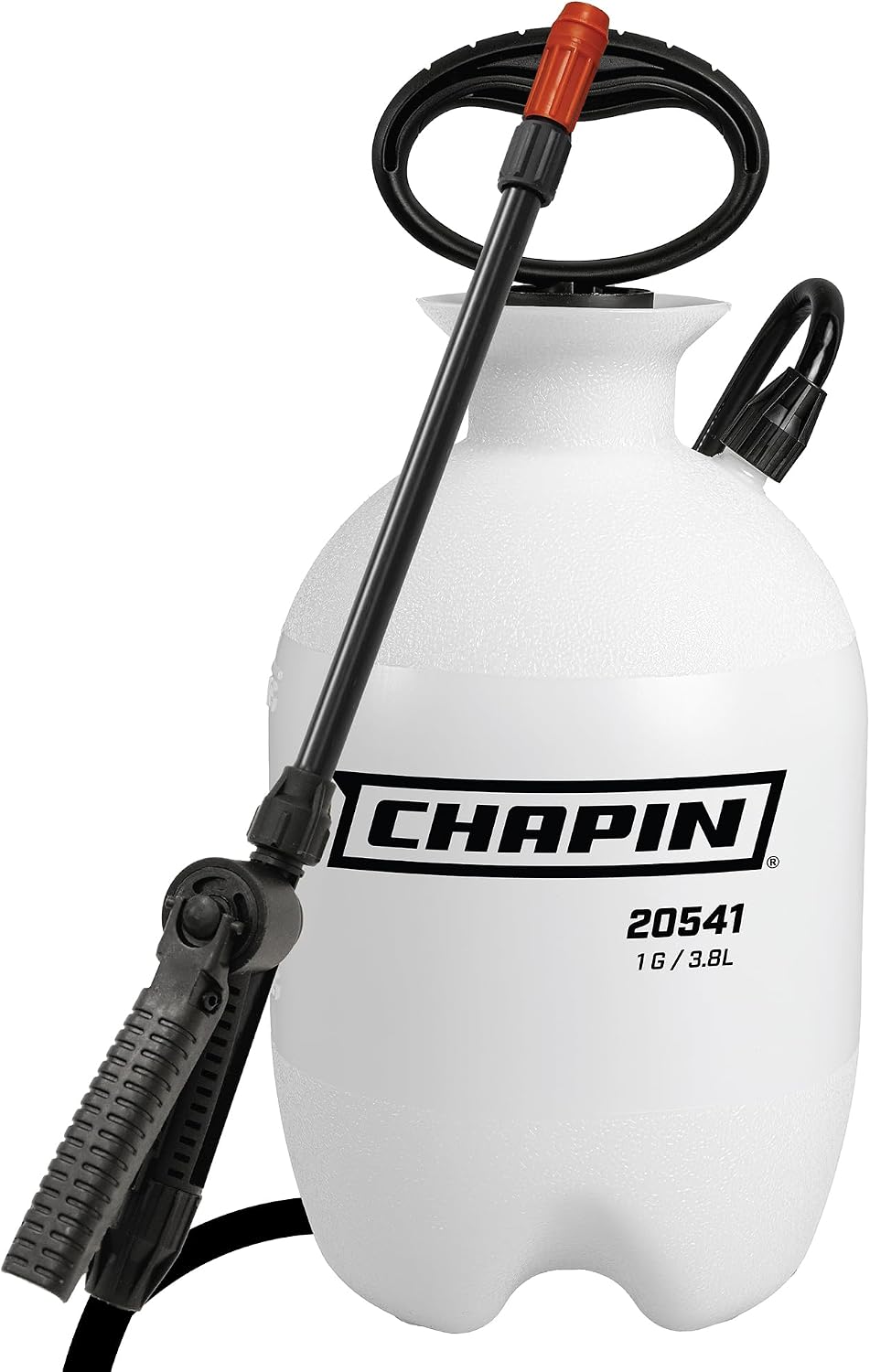 Pump pressure sprayerHelps produce even coverage when a product label calls for a foliar spray. Keep it labeled and dedicated to compatible products.View product
 Chemical splash gogglesProtects the eyes from dust and spray. Confirm that the protection meets the exact product label.View product
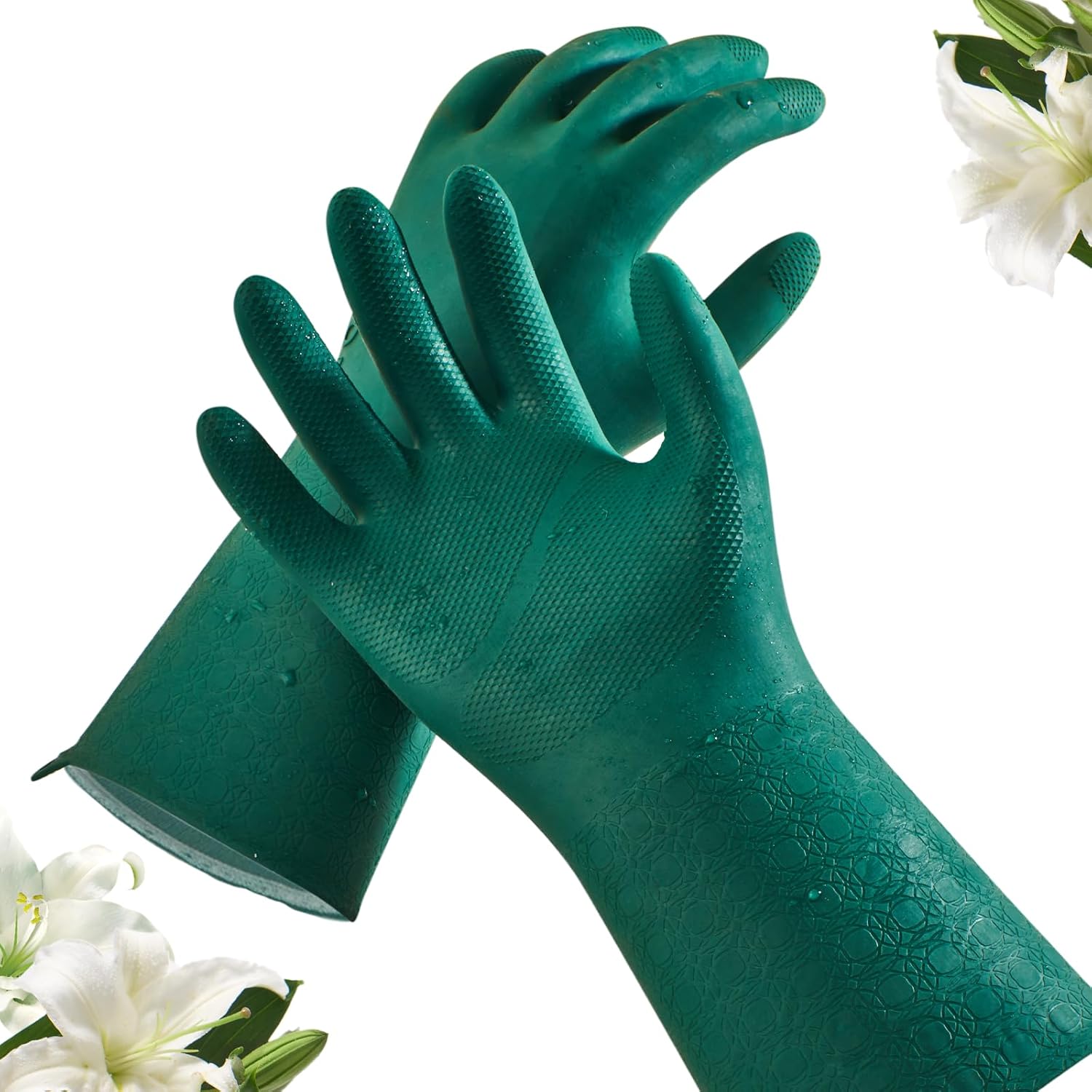 Chemical-resistant glovesA reusable handling layer when the label requires compatible gloves. Wash or dispose of them as directed.View product
Affiliate disclosure: HWGrow may earn a commission from qualifying purchases at no additional cost to you. Product links can be replaced with equivalent items, but pesticide selection and protective equipment must always match the current label.
Evidence and further reading
- University of Minnesota Extension: bringing houseplants back inside — inspection, rinsing and gradual acclimation.
- Utah State University Extension: eriophyid mite management — monitoring, cultural controls, sulfur coverage and phytotoxicity cautions.
- U.S. EPA: introduction to pesticide labels — why the label controls the legal use.
- NPIC: sulfur general fact sheet — exposure, environmental behavior and basic toxicology.
Outdoor-to-indoor plant FAQ
How long should I quarantine an outdoor plant?
One to two weeks is a practical minimum for repeated inspection and monitoring. Keep it physically separated from the clean collection and extend the quarantine when you find pests or treatment is still underway.
Can I use wettable sulfur on any plant?
No. Use it only when the exact product label permits the plant or application site, the target pest or disease and the method you intend to use. Test a small area when the label allows and the plant’s sensitivity is uncertain.
Can I spray sulfur after neem oil or horticultural oil?
Do not guess. Many sulfur and oil labels require a separation interval because the combination can injure foliage. Follow the most restrictive directions on both current labels.
Should I drench the soil and pot with sulfur?
Only if the exact label permits that soil or container application for the plant and pest. A foliar-use label does not automatically authorize soaking the growing medium.
Will sticky traps prove the plant is pest-free?
No. Sticky cards help monitor flying adults, but they do not capture every pest or hidden life stage. Continue checking leaf undersides, stems, new growth and the container.
You may also like
Complete Grow Tent Setup: Four Videos, One Working Setup

Lawrence Brooke: The Godfather of Cannabis Nutrients






Featured Grow
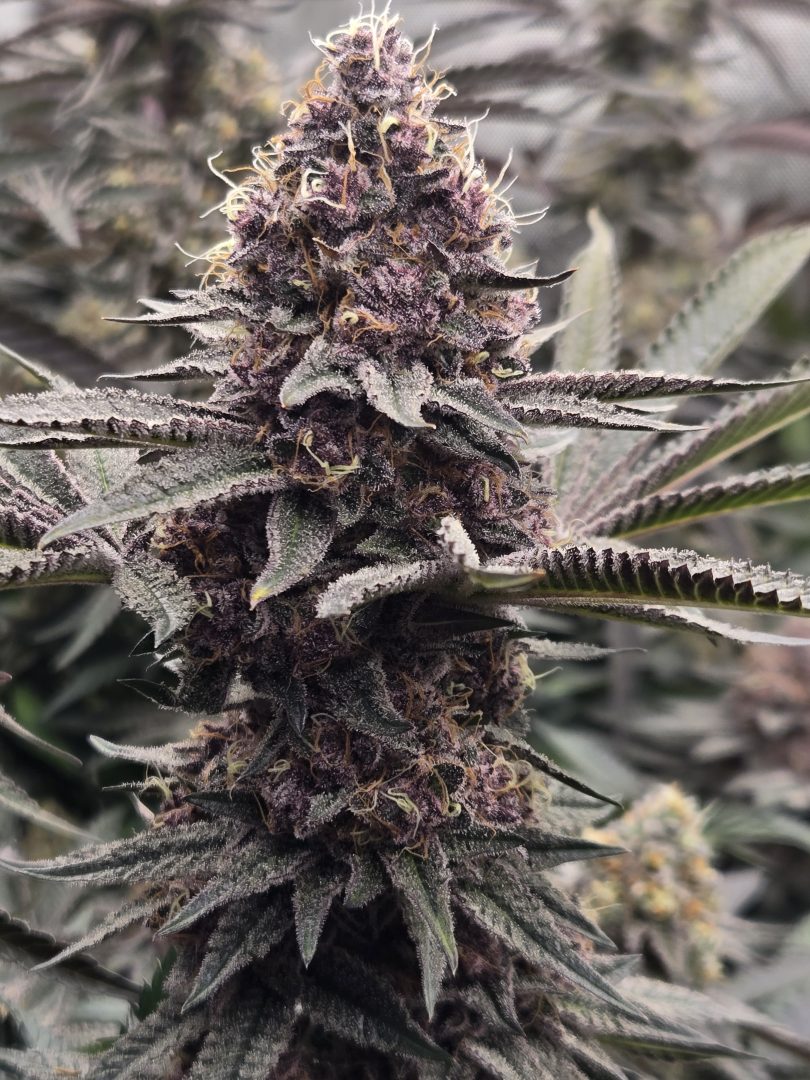

As always great content I greatly appreciate all of the information
Passion matches the task at hand, looking good

Also the 2 on the far right are the Purple Berry plants
Thanks I think tonight when the lights come on at 8pm I will do some more tucking
Looking real proper