


Male vs Female Cannabis Plants: Sex, Preflowers and Herms

Last updated: August 2026
Quick answer: Female cannabis preflowers usually show a small teardrop-shaped bract with two white stigmas. Male plants form rounded pollen sacs without white hairs, often in small groups. An intersex plant can grow pollen-bearing structures—such as round sacs or yellow “nanners”—alongside female flowers. Check the nodes and flower sites with magnification, and do not make the call from plant height, leaf shape or one blurry photo.
If you are growing for seedless flower, catching pollen-bearing structures early can save the rest of the room. This guide shows what to look for, what commonly gets misidentified and what to do when the answer is not obvious.
Male vs. female cannabis plants at a glance
| What you see | Most likely meaning | What to check next |
|---|---|---|
| Small bract with two white stigmas | Female preflower | Confirm the same pattern at more than one node |
| Round or oval structure with no white stigmas | Possible pollen sac | Use a loupe and watch whether more form in a cluster |
| Yellow, banana-shaped structure inside a female flower | Exposed anther, often called a “nanner” | Stop airflow and inspect nearby flowers immediately |
| Pointed green growth at the node | Often a stipule or new shoot—not a sex organ | Wait for a structure to form just behind or above it |
The safest rule is simple: identify the actual flower structure, not the overall look of the plant. A tall plant is not automatically male. A short, bushy plant is not automatically female. Clones carry the same genetic sex as the plant they came from, although their flower expression can still be influenced by development and environment.
Where to look for cannabis preflowers
Start at the nodes—the points where a branch meets the main stem. Use bright neutral light and look closely at several nodes instead of trusting the first bump you see. Preflowers may become visible before full flowering, but the timing varies with genetics, plant maturity and growing conditions.
A phone camera with digital zoom can help you record the same spot over time, but an inexpensive illuminated loupe is faster and clearer. If the structure is still too small to identify, take a sharp photo, mark the node and check it again in 24–48 hours.
How to identify a female cannabis plant
A typical female preflower appears as a small bract at the node. One or two pale stigmas—often called “white hairs”—emerge from it. Those stigmas are the clearest early cue. As flowering continues, more stigmas gather into the familiar fuzzy flower clusters.
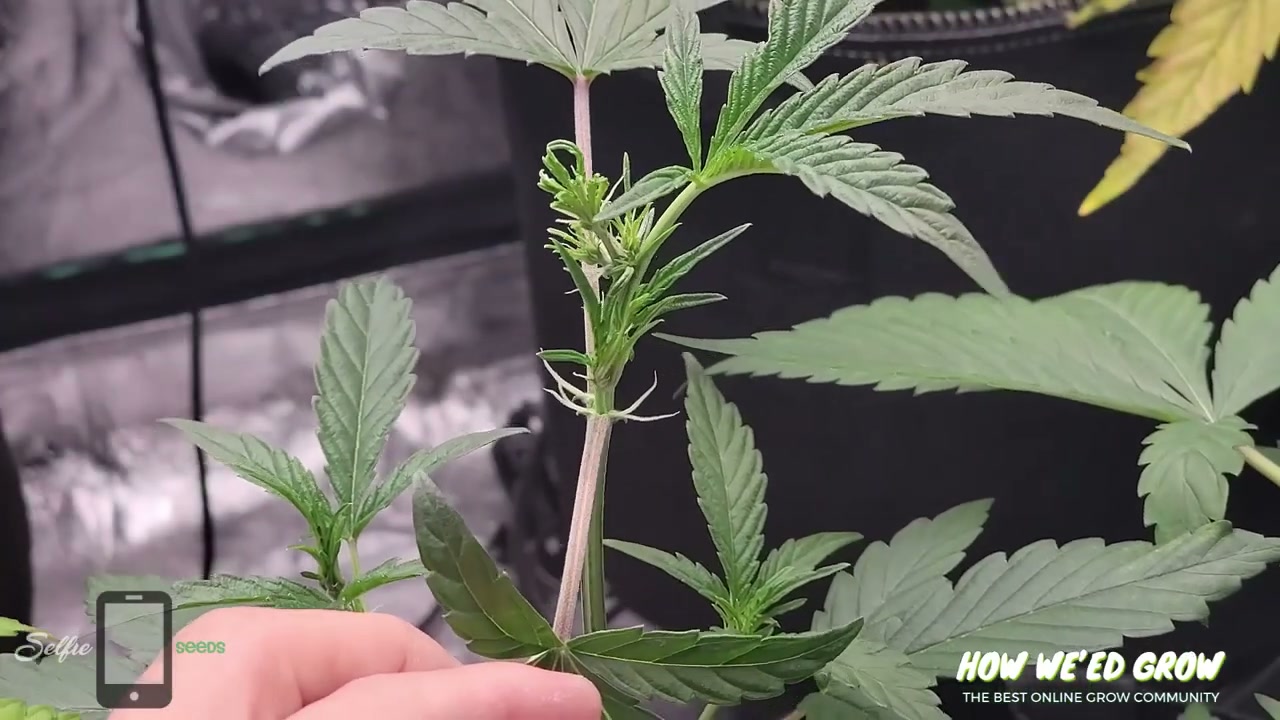
You may hear the entire visible pod called a “calyx.” Growers understand the shorthand, but botanically the visible outer structure is a bract and the calyx is floral tissue inside it. The practical takeaway is easier: look for the paired stigmas instead of getting stuck on the vocabulary.
How to identify a male cannabis plant
Male flowers begin as smooth, round or oval pollen sacs. They do not produce the paired white stigmas of a female preflower. As they develop, more sacs usually appear together and hang from short stalks. Mature sacs can open and release pollen, so do not shake or carry a suspect plant through the room.
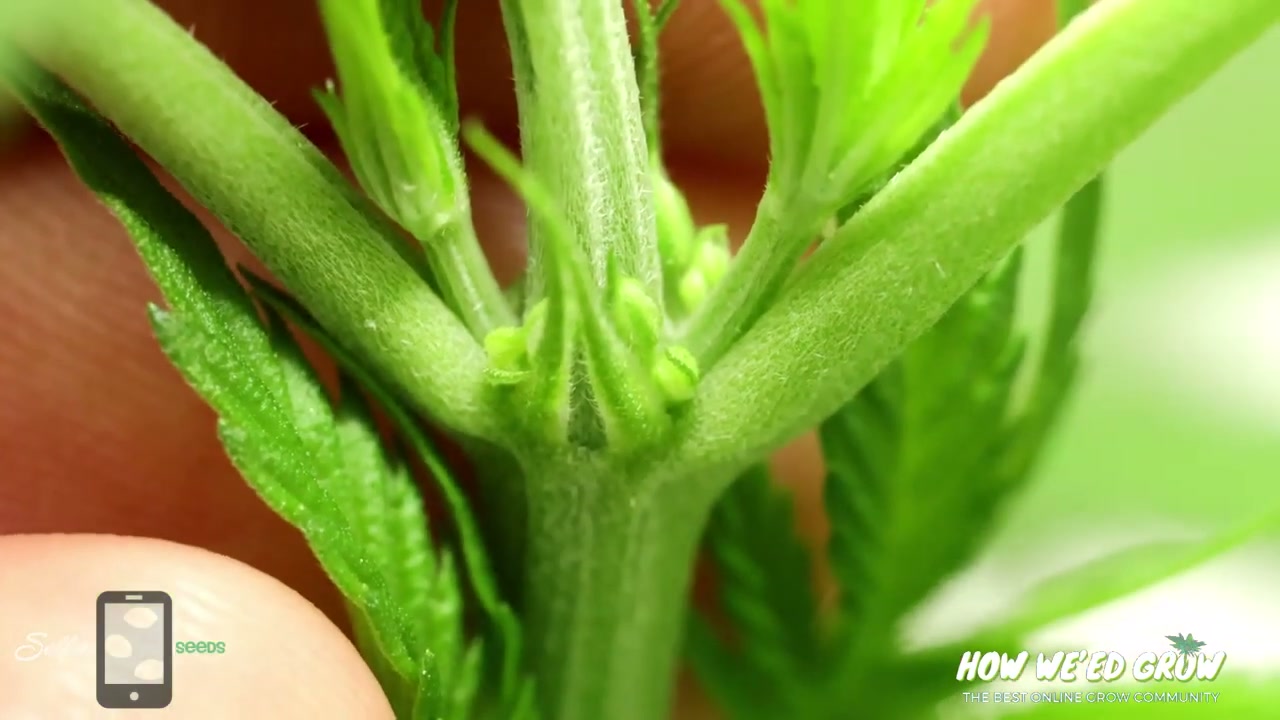
If your goal is seedless flower, isolate a confirmed male before its sacs open. If your goal is breeding, pollen handling, donor selection and containment require a separate plan. The public cannabis breeding guide maps that process without turning this beginner identification page into an advanced breeding lesson.
What is an intersex cannabis plant?
Growers often say “herm” or “hermie,” but intersex expression is the more useful term. It means a plant is producing both female and pollen-bearing flower structures. That can look like obvious round sacs among female flowers, or like a yellow banana-shaped anther emerging directly from a bud.
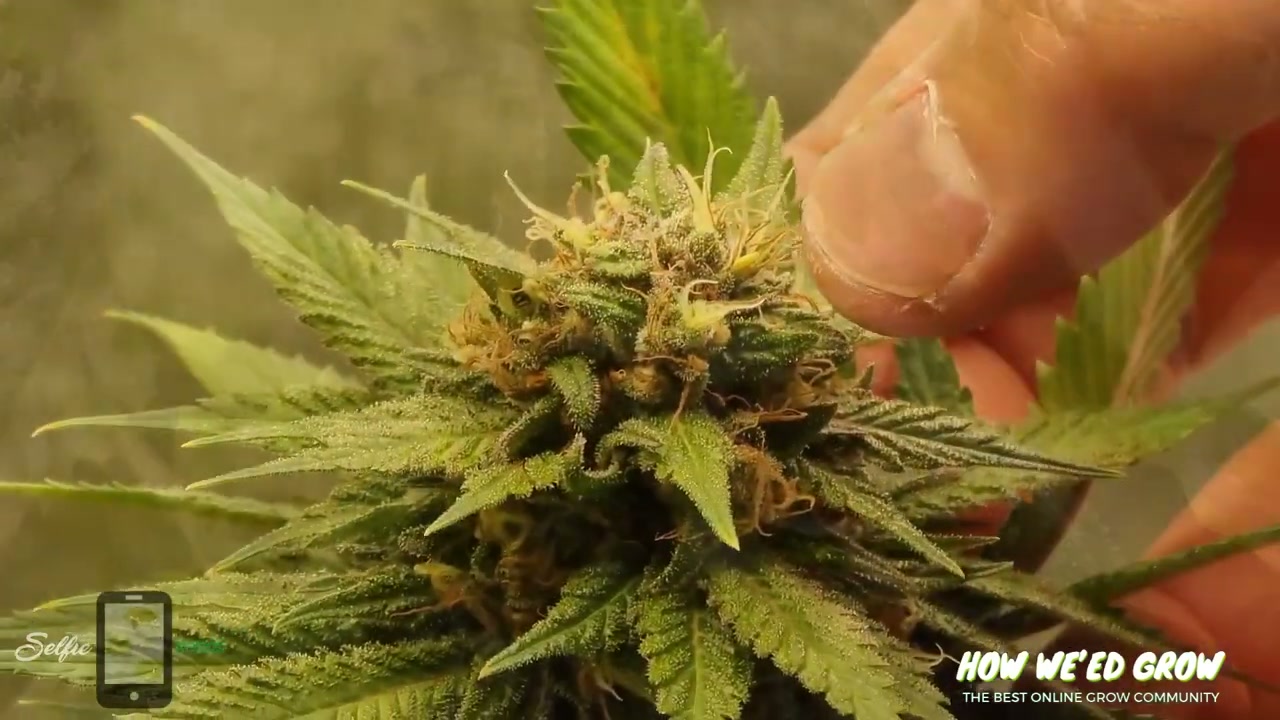
A “nanner” is exposed anther tissue, not a complete hanging pollen sac. Because it may already be exposed when you notice it, treat the surrounding flower carefully. Stop direct airflow before inspecting or moving the plant, and avoid brushing it against nearby flowers.
Intersex expression is not the same thing as a normal XY male plant. It is also different from the controlled breeding practice of using silver thiosulfate to induce pollen-bearing flowers on a genetically female plant. Research shows that cannabis sex expression involves genetic, developmental, hormonal and environmental factors—not one simple “herm gene.” Read the cannabis genomics review.
What to do when you find a suspicious flower
- Do not panic or shake the plant. One swollen bract or new shoot is easy to misread.
- Turn off direct airflow. This matters most when a structure looks mature or already open.
- Inspect with magnification. Photograph the same node from more than one angle.
- Check the whole plant. Look at several nodes, lower branches and developing flower sites.
- Isolate when practical. Move carefully only if doing so will not spread possible pollen through the room.
- Decide from your goal. A seedless-flower grow has a much lower tolerance for pollen than a controlled breeding project.
If the structure is immature and the evidence is unclear, waiting 24–48 hours for a better look is usually safer than guessing. If it is already yellow, open or dusty, contain the immediate area first. There is no responsible one-line promise that a quick spray or wipe will neutralize every pollen grain in every room.
Why cannabis plants show intersex traits
Sexual stability is a plant-and-environment interaction. Genetics can create susceptibility, while light leaks, irregular photoperiods, severe heat, root problems, physical damage or other stress may help reveal it. Late-flower anthers can also appear as a plant ages. That does not mean every stressed plant will produce pollen, and one affected plant does not prove that either the breeder or grower alone caused it.
A published anatomical study found that anthers can develop within female flower tissues beside the stigmas, which explains why a plant can look female until a pollen-bearing structure appears inside the bud. Review the flower-anatomy study.
Start by correcting obvious environmental problems, document what happened and inspect the rest of the room. When choosing future genetics, compare repeated grow reports for the exact breeder and cultivar. The cannabis strain-selection guide explains how to do that without relying on a product photo or one angry review.
Feminized seeds still need flower checks
Feminized seed is intended to produce female plants, so it can save a home grower the space normally spent identifying genetic males. It does not make inspection unnecessary and it is not a guarantee that a plant can never express pollen-bearing flowers.
When you want a documented starting point, Selfie Seeds™ is HWGrow’s in-house genetics source. Keep the breeder, cultivar and lot information, then judge the plant you actually grow. Genetics are a starting point, not permission to ignore the nodes.
Breeder ethics and responsible stress testing
Ethical stress testing is not about abusing one plant until it fails and then claiming the line is proven. A useful test applies realistic, repeatable challenges, keeps records and compares enough plants to spot a recurring weakness. A breeder should not keep releasing offspring from parents that repeatedly show avoidable sexual instability.
At the same time, “herm-proof” is not a responsible promise. Honest breeding records describe what was tested, what was observed and what was removed from the project. The protected Breeding Masterclass goes deeper into selection, stability testing, donor reversal and pollen containment; begin with the public breeding roadmap and continue into the member lessons when you are ready for the controlled workflow.
Recommended tools and genetics
Related HWGrow guide: If the unexpected growth appears late in bloom, use the cannabis nanners troubleshooting guide to judge the immediate risk without treating every case the same.

Illuminated jeweler’s loupeInspect preflowers, sacs and anthers at the node instead of guessing from plant height, leaves or a blurry phone photo.

Selfie Seeds™ documented geneticsStart with HWGrow’s in-house genetics, keep the breeder and lot information, then inspect the plant you actually grow.
Affiliate disclosure: HWGrow may earn a commission from qualifying Amazon purchases at no additional cost to you. Selfie Seeds™ is HWGrow’s in-house genetics source. Product destinations may be replaced by equivalent items without changing the identification method. Availability and laws vary by location; verify local rules.
Your next step
If the plant is still in a normal grow, return to the complete beginner seed-to-harvest guide. If you are planning a breeding project, use the cannabis breeding roadmap. If the structure still does not match these examples, ask HWGrow a question and include clear close-ups of the node and the whole plant.
You may also like
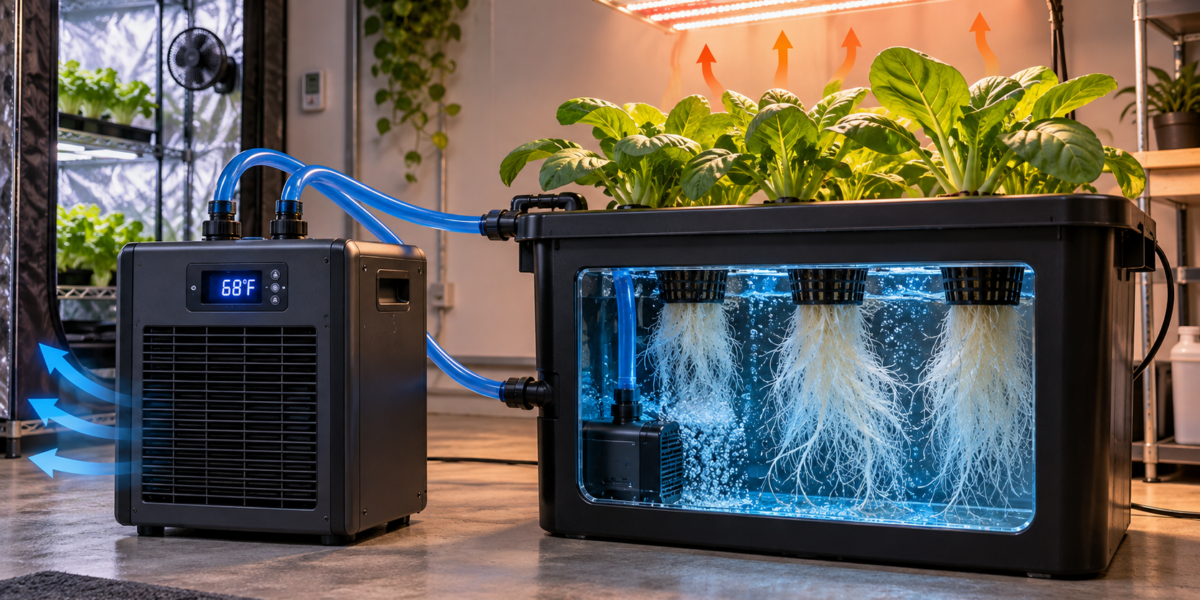
Hydroponic Water Chillers: Stop Summer Root Rot Before It Starts
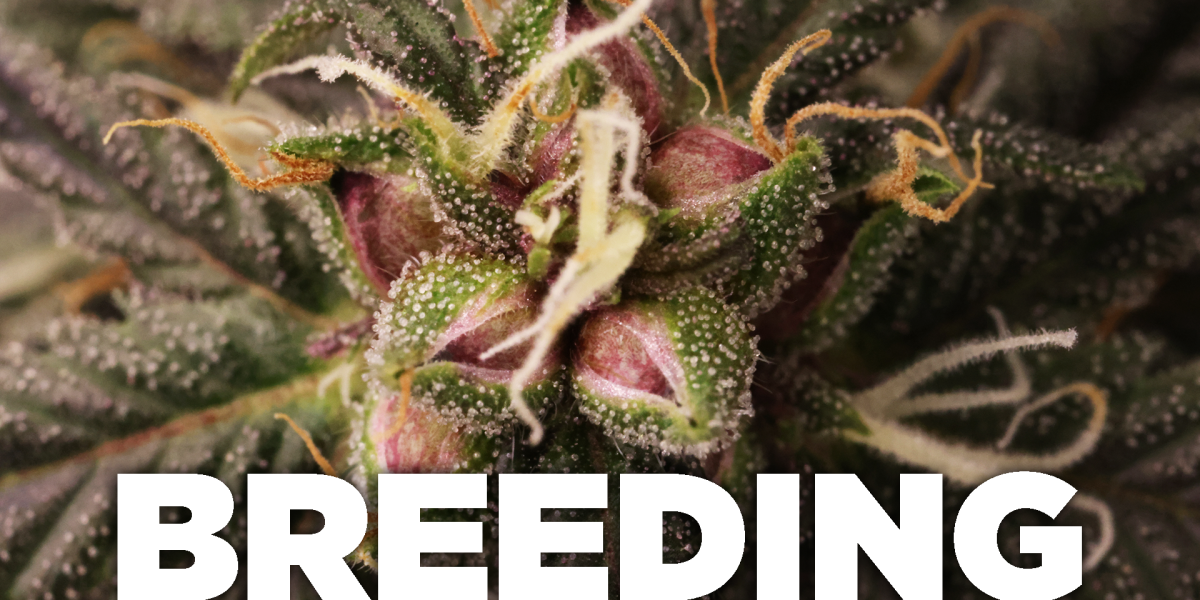
How to Breed Masterclass – Promo Video





Featured Grow

Looking healthy
Shared a GIF.
kind of looks a little too dry for my liking
of course you will

Growing the Purple Berry's now, hope I do her justice.